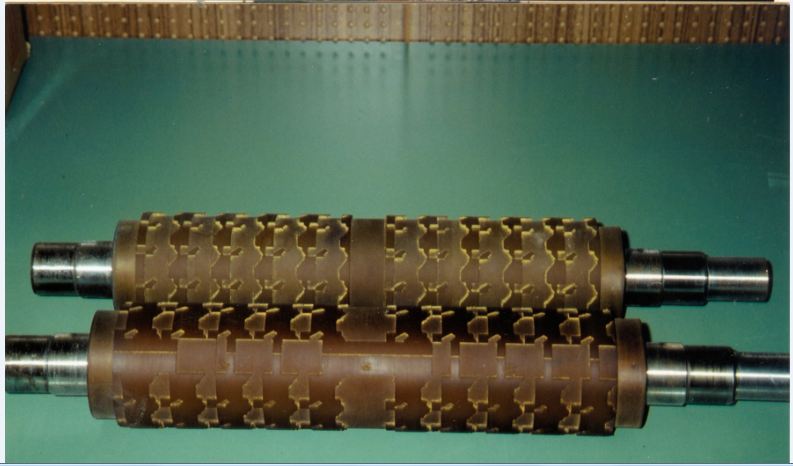
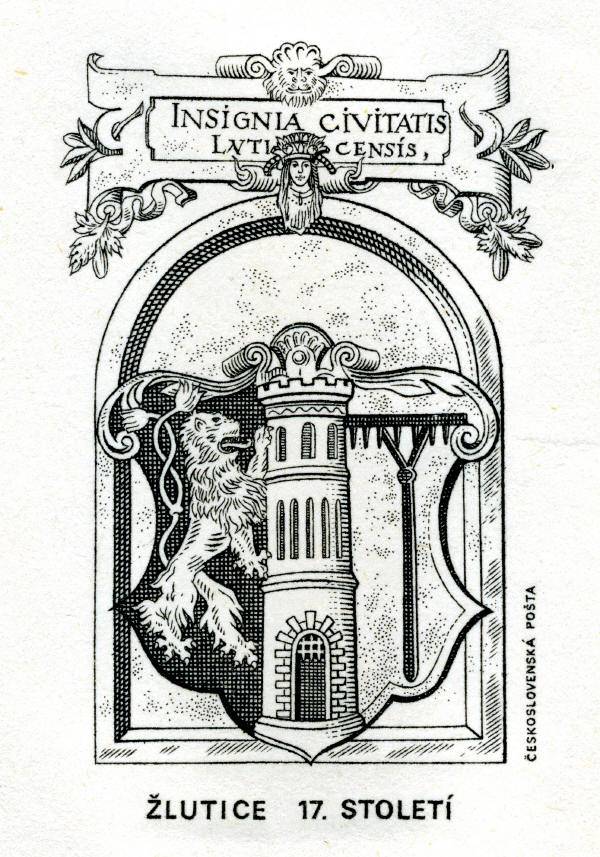
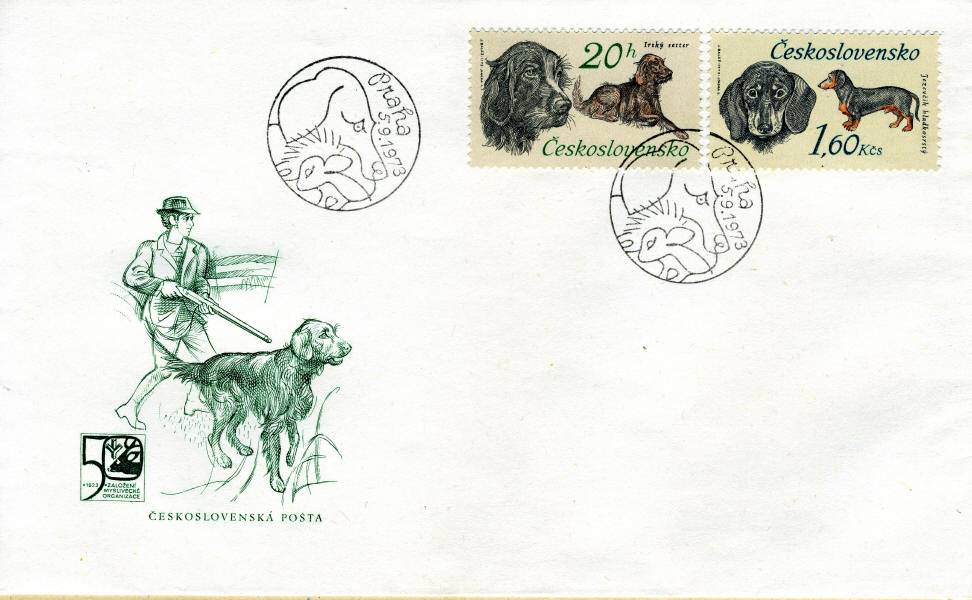
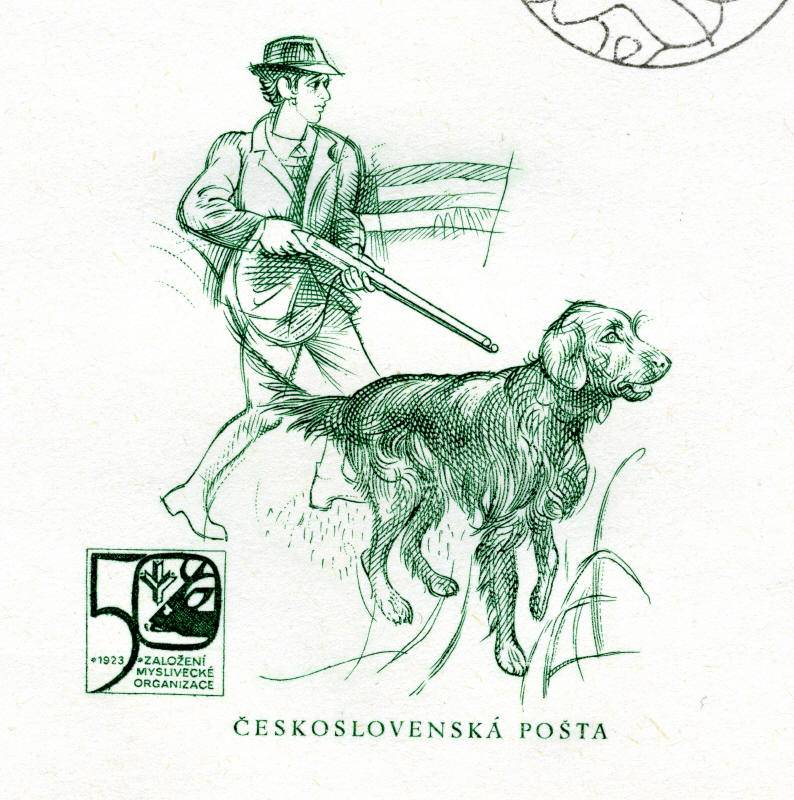
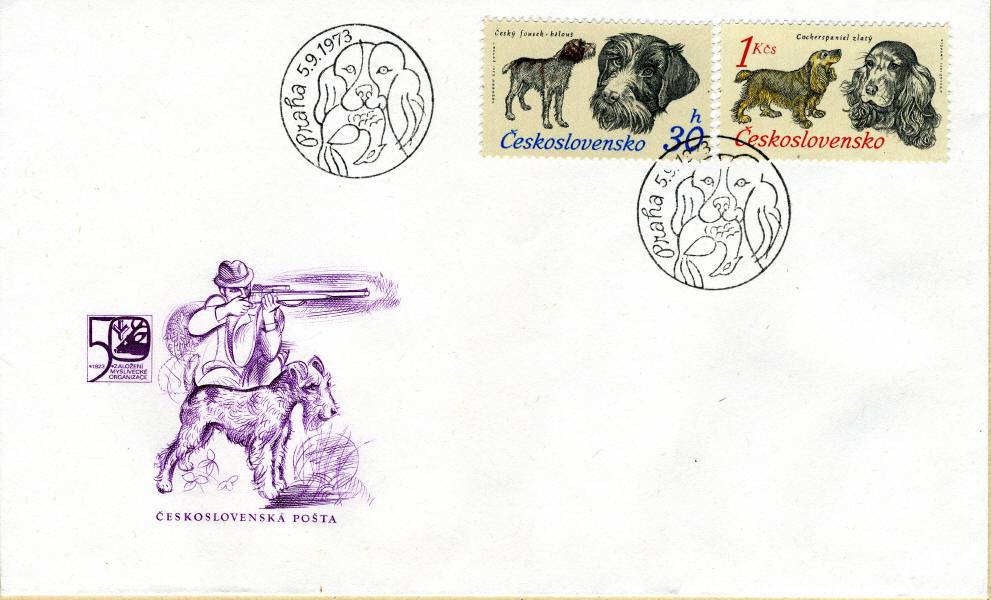
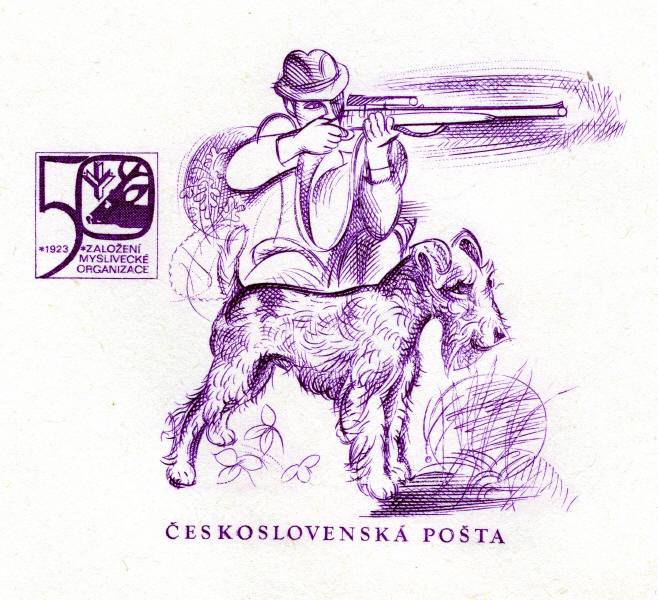
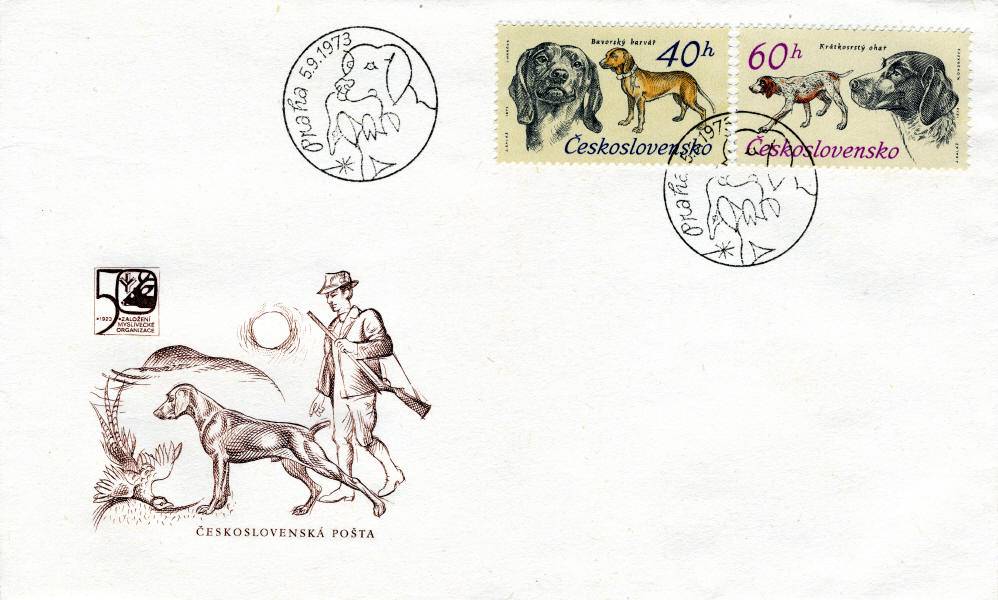
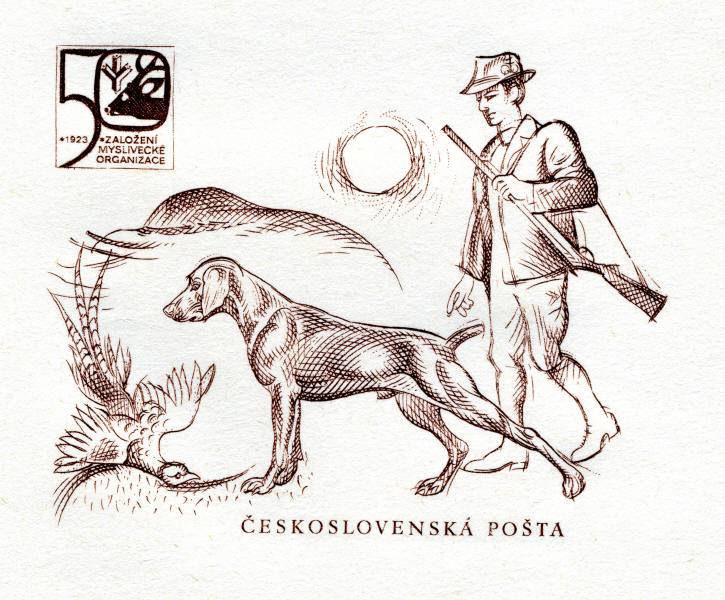
Diestamp print presses produce outstanding, clean, crisp and detailed prints preserving the quality of the original engraving very faithfully and as such they were first used in Czechoslovakia for printing miniature sheets and stamps issued in sheetlets of 12, 10 or 4 on special occasions.
The very first m/s (see
http://www.cpslib.org/aip/1937-329a.htm http://www.cpslib.org/aip/1937-329.htm http://www.cpslib.org/aip/1937-330.htm ) to be printed on a
Johnston diestamp print press ( see photos on p. 178 of
http://knihovna.filaso.cz/filatelie_1978_06.pdf ) appeared on Oct. 24, 1937 to mark the opening of the Bratislava 1937 National Stamp Exhibition. The
Johnston machine was used for these purposes until 1959.
In 1945, the Czechoslovak stamp printers UNIE acquired their first (known as 'small')
Waite & Saville diestamp print press which remained in use until 1976.
Beginning in 1947, both the
Johnston and the
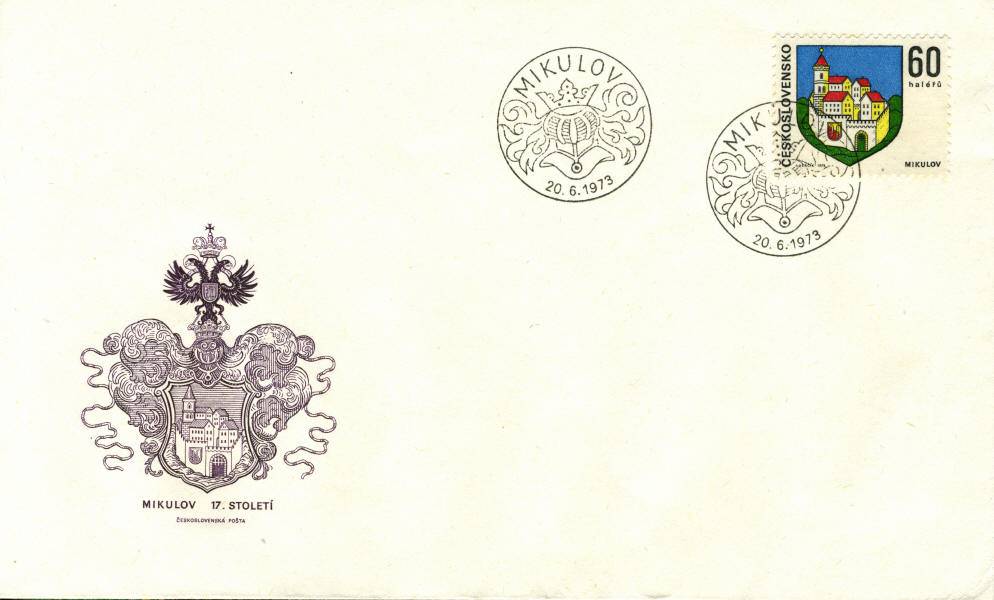
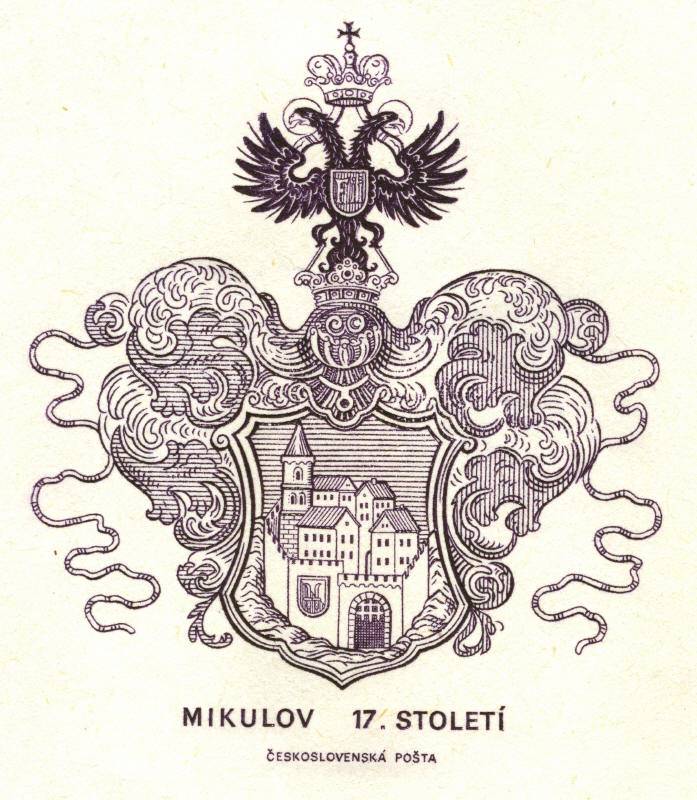
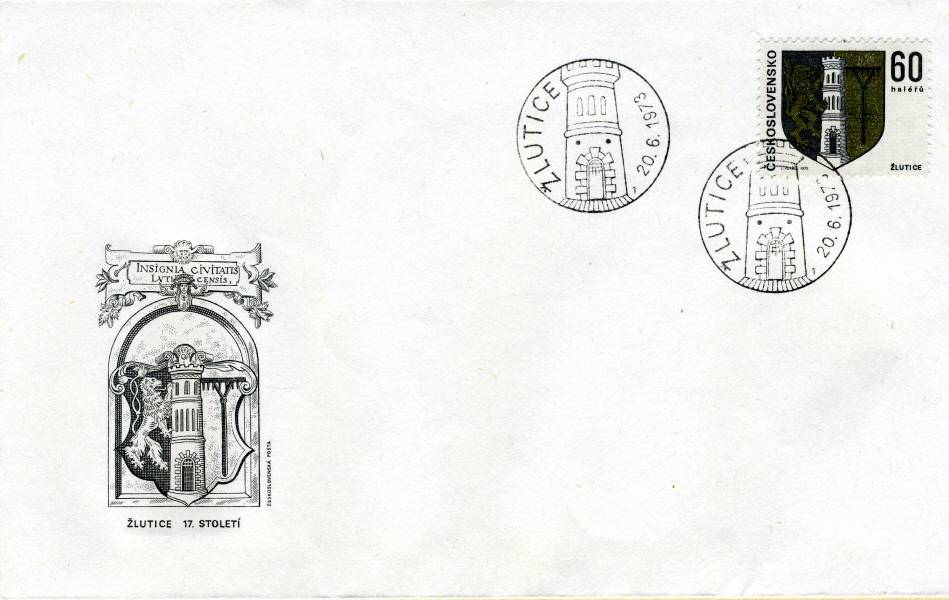
Waite & Saville machines were also used for printing engravings on FDCs and, later on, stamped envelopes as well. The latter often bore engravings as well if issued as commemorative stationery.
Between 1955 and 1975, the first (called 'small')
Heim diestamp print press is reported to have been in operation printing stamps, miniature sheets, FDCs as well as stamped envelopes (for image of stamped envelope issued to mark the 1974 IKAR session in the Tatras see frame 2, page 4 of
http://www.japhila.cz/hof/0785/index0785_020.htm ).
Up to 1955, such stamps had always been printed in one colour. In 1950, however, a sheetlet of 12 stamps (consisting of 3 blocks of 4, each of the stamps in a different colour) was issued to celebrate the Praga 1950 National Stamp Exhibition (see
http://www.cpslib.org/aip/1950-558s.htm http://www.cpslib.org/aip/1950-558.htm http://www.cpslib.org/aip/1950-559.htm http://www.cpslib.org/aip/1950-560.htm http://www.cpslib.org/aip/1950-561.htm as well as p. 24/80 on
http://www.exponet.info/exhibit.php...D=215&lng=CZ ). Having solved the problem of proper register, stamp designers, engravers and printers came to think of the idea of exact placing of successive colours printed over each other to
lege artis produce multicolour stamps of perfect facture.
The very first stamps produced by this method and depicting folk costumes appeared on July 26, 1955 (see
http://www.cpslib.org/aip/1955-840.htm http://www.cpslib.org/aip/1955-841.htm http://www.cpslib.org/aip/1955-842.htm http://www.cpslib.org/aip/1955-843.htm ).
As it was usual to print one and the same set on two machines of different makes each and no records of the machines used were kept, we have to rely on the printers' and the engravers' recollections, according to which the first stamp to be printed in this way was the 2 Kès value, printed on the
Waite & Saville machine, but some of the remaining values might have been printed on the
Johnston.
(to be continued)





 Posted 04/28/2014 07:10 am