Bill:
You can plate the stamps by noticing the variations in the letter sizes and positions, frame lines that might extend a bit in one direction or another, guidelines that might have remained on the plate after it was readied for printing, burrs, or other marks.
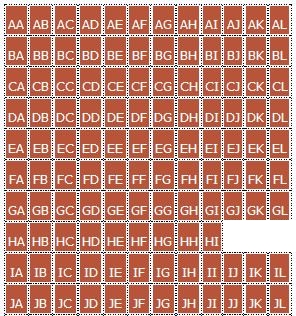
The imprimatur sheets - early prints that were registered and archived - are the raw material that people studied. From them, the plating characteristics were noted. If a stamp was removed from the imprimatur, that was a "missing imprimatur." To get the plating characteristics, you'd have to start with a multiple that included a position you could match to one of the sheets. The other positions would then go into the database and allow you to match an individual stamp later, as was done in the case of the original post here.
If you want to get an idea of the challenge, Nissen did a reconstruction of the first 12 plates (1a, 1b, 2-11) that was sold as a set and archived on the Spink website.
This link will take you to the page:
https://www.spink.com/nissen-reconstructions.aspxYou can call up any letter combination and see stamps from the different plates. For the penny black plates, there are some underlying characteristics that narrow the ranges - plates 8-10 have what is known as the "O" flaw - a white area at the bottom under the "O" of ONE. Plates 1a, 1b, and 2 have various "ray flaws." and so on. There are other things that help narrow the range of the later plates, such as the gap at the top right on plates 16-24 that widens as you get later in the range. Plating is something of an art and requires both the reference material and a good eye.





 Posted 03/09/2015 3:57 pm


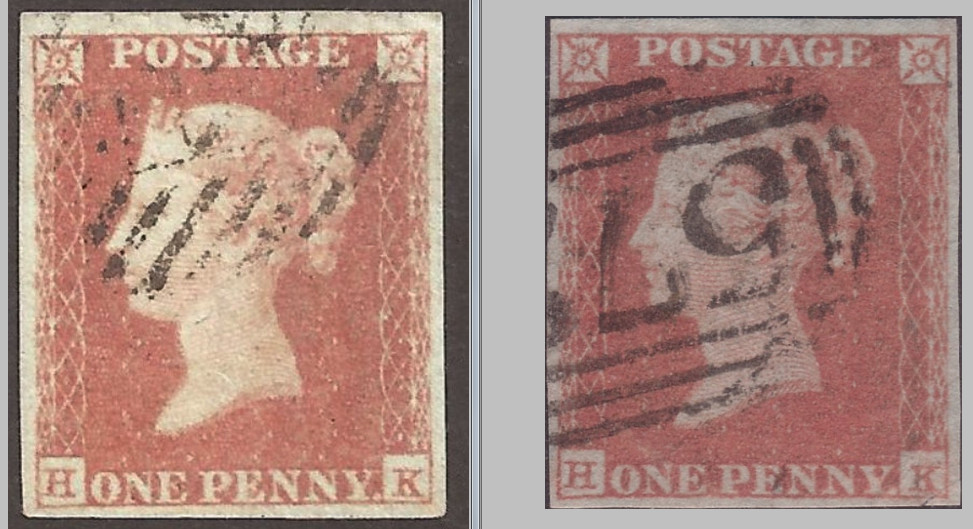


 etc) some were cut from that one and only reference sheet and so, with the official sheet being now incomplete, no official record exists of the stamps at that cut location. The "missing imprimatur" label can be used to refer to stamps that have been found to be from other sheets, printed by the same printing plate, at that cut location.