Quote:
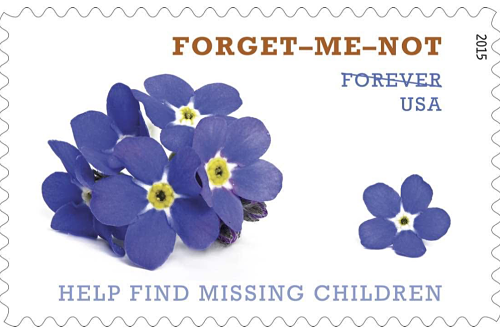
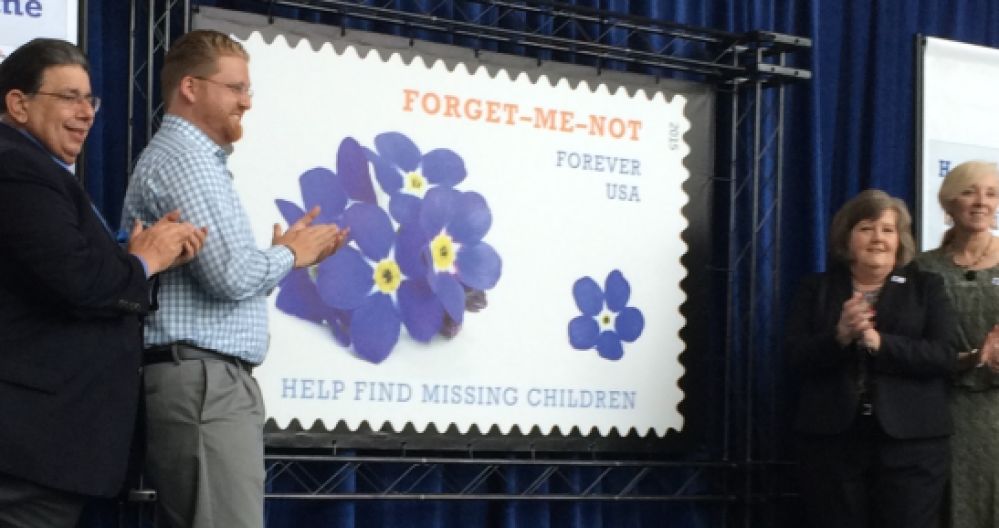
I also like the idea of a milk carton added to the image, perhaps with the single flower on it to represent the missing child.
Although there certainly is a connection, the milk carton initiative was discontinued years ago. In fact, if this article is accurate, it suggests that:
Quote:
In the mid-1980s, a Michigan-based nonprofit, the National Child Safety Council, spearheaded the national milk-carton initiative, publicizing photos of missing and endangered youth at a time when few such programs existed.
"What it did most was build awareness worldwide," said Barbara Huggett, director of research for the nonprofit. "Mexico, Canada, France -- it's not just a U.S. thing; it's known all over the world."
The nonprofit's founder, H.R. Wilkinson, was inspired by a small Iowa dairy that was putting missing children's photos on milk cartons. Wilkinson's nonprofit expanded the program, eventually enlisting more than 700 dairies across the country.
As many as 70 missing children were featured during the program's brief run. Of those, only one child was found alive, Huggett said.
Exactly why the effort ended after just a couple of years is not clear, though packaging was probably a factor, with plastic containers overtaking waxed-cardboard cartons in popularity.
Other issues, including financial constraints and the emergence of national missing-children programs, were likely other factors.
"The milk-cartons program ran its course," said Gaylord Walker, vice president of the National Child Safety Council. "They had a tremendous impact and they did a great job of creating public awareness."
That, it seems, may be its legacy.
The milk-carton initiative -- while still used in countries outside the U.S. -- remains an American icon of sorts, easily recognized even by today's youth.
http://articles.orlandosentinel.com...hildren-milk





 Posted 05/17/2015 10:14 pm