| Author |
 Replies: 39 / Views: 7,476 Replies: 39 / Views: 7,476 |
|
|
|
Pillar Of The Community
United States
791 Posts |
|
|
revcollector, I'm pretty sure you can remove "probably" from your comment: 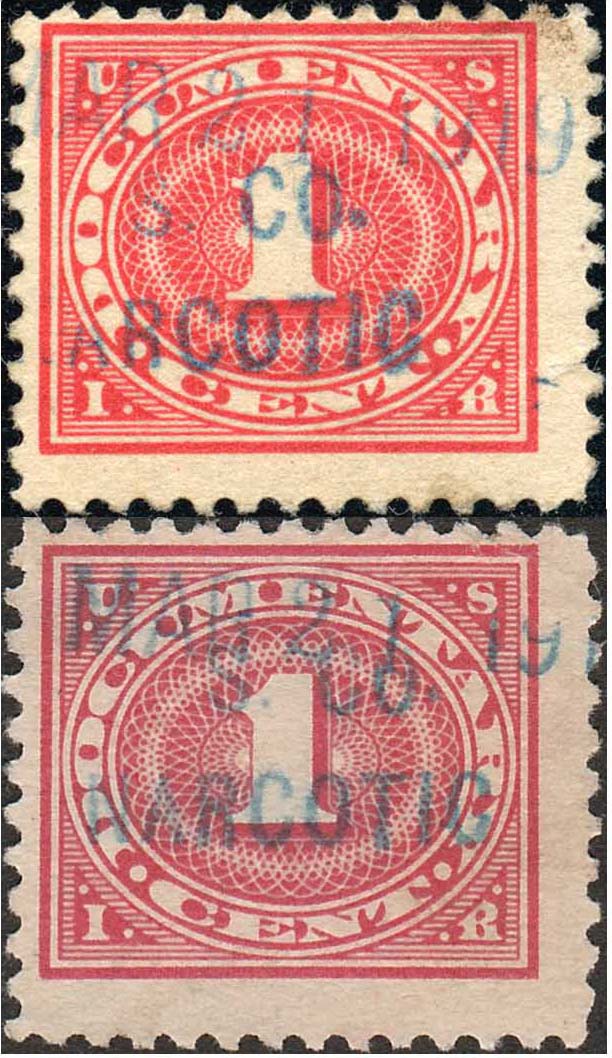 |
Send note to Staff 
|
|
|
Pillar Of The Community
United States
868 Posts |
|
|
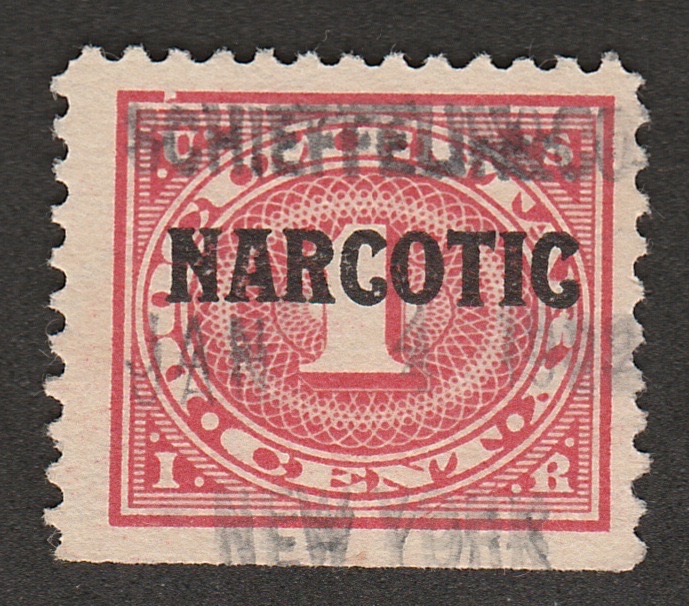
In summary, I think it fairly safe to conclude that this is a provisional narcotic. The identity of the company remains a mystery. There are problems with both of the hypothesized identifications, Squibb and Schieffelin. |
|
Send note to Staff
|
Ron Lesher |
|
|
Pillar Of The Community
United States
791 Posts |
|
|
Ron,
If this stamp were to be found "on piece" what type of package would that be? |
|
Send note to Staff
|
|
|
Pillar Of The Community
United States
868 Posts |
|
|
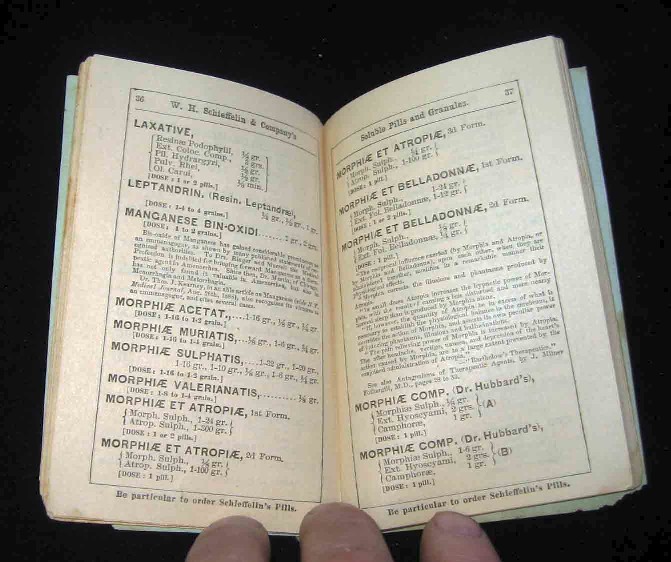
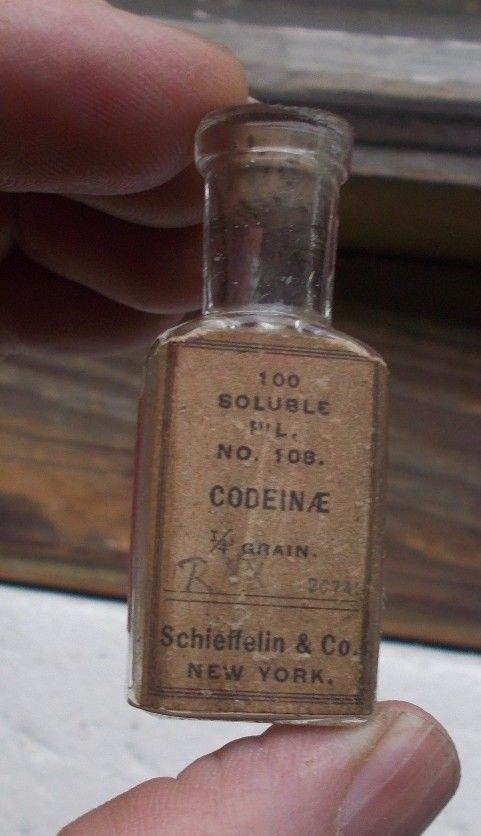
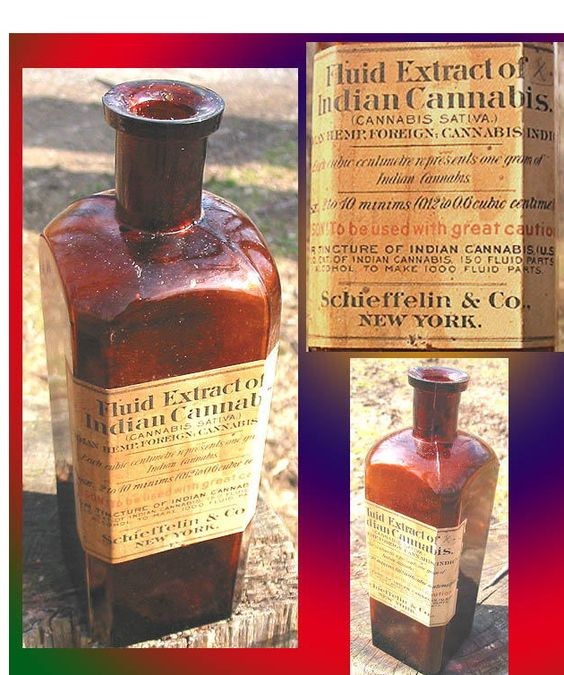
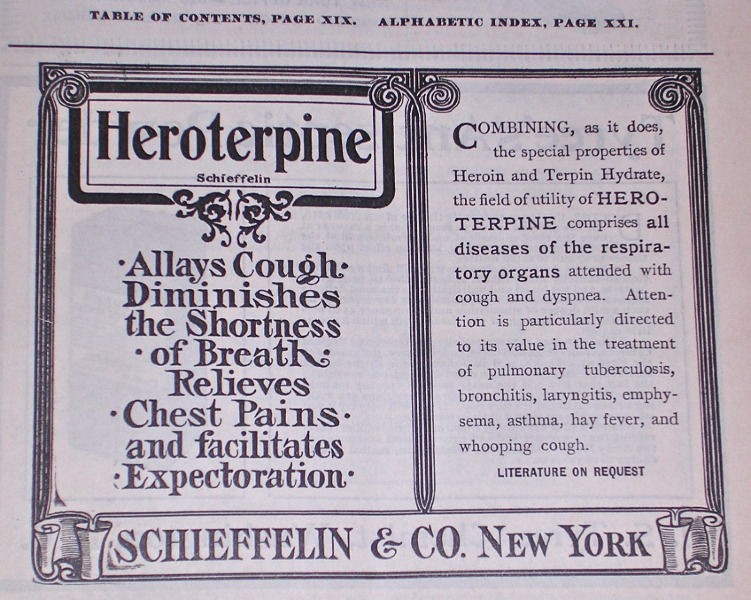
I have just noticed on the Schieffelin label illustrated by Jim Drummond, that the container was an exempt narcotic. That adds yet another dimension to the study of the taxation of narcotic medications. I have five different pamphlets, Sharp & Dome, Eli Lllly, H. K. Mulford, Merck, and a combination of Searle & Hereth along with William R. Warner, each of which lists both the exempt preparations and the taxable items, so that pharmacies could stamp the taxable narcotic preparations in their inventory. More to ponder as we explore the fiscal history of narcotic preparations. |
|
Send note to Staff
|
Ron Lesher |
|
|
Bedrock Of The Community
United States
10864 Posts |
|
|
There had to be a considerable number of exempt preparations or there would have been no need for the class 5 UNTAXED OPIUM special tax stamp. For those unaware, that was for drug stores that sold over the counter preparations but did not have a pharmacy. Those drug stores with a pharmacy had the class 3&5 RETAIL DEALER special tax stamp which covered both. The Harrison Act made very clear the exact quantities of various narcotics that would be allowed in over the counter preparations. This ended in 1953, when they were all disallowed. |
|
Send note to Staff
|
|
|
Rest in Peace
United States
1738 Posts |
|
|
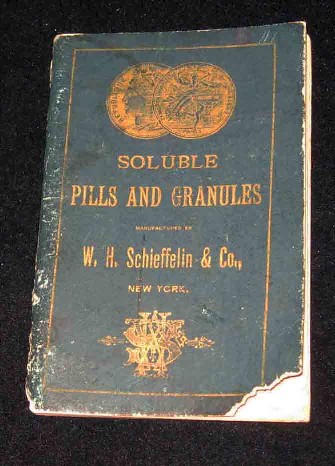
With all due respect: "If E.R. S. & Sons is the full name of Squibb is used as the reason for doubting S. Co. is Squibb, then the same logic should discount Schieffelin & Co. as the identity of the user of the S. Co. provisional. No &!" then the below stamp was NOT overprinted/canceled by Eli Lilly and Company, correct? Jim 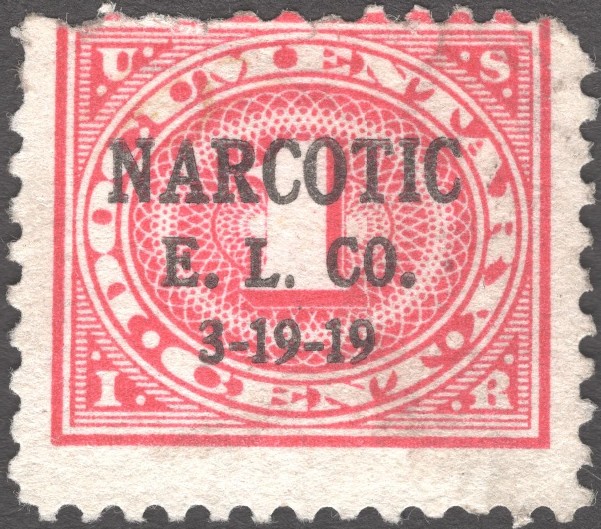 p.s. |
|
Send note to Staff
|
|
|
Pillar Of The Community
United States
3305 Posts |
|
|
Bedrock Of The Community
United States
10864 Posts |
|
|
Some did use ampersands(Wyeth) and some did not. Lilly not having one does not prove who used the S. Co. cancel. |
|
Send note to Staff
|
|
|
Rest in Peace
United States
1738 Posts |
|
|
Nor does the lack of the ampersand disprove ownership.
That is my point.
Jim
|
|
Send note to Staff
|
| Edited by James Drummond - 06/15/2017 2:34 pm |
|
|
Bedrock Of The Community
United States
10864 Posts |
|
|
Assuming that you can show that Schieffelin & Co was producing products that required them, then they remain a possibility. |
|
Send note to Staff
|
|
|
Bedrock Of The Community
United States
10864 Posts |
|
|
Rest in Peace
United States
1738 Posts |
|
|
Pillar Of The Community
United States
868 Posts |
|
|
Bedrock Of The Community
United States
10864 Posts |
|
|
It's a full name cancel as well, which makes it far less likely that the S. Co cancel was theirs. |
|
Send note to Staff
|
|
|
Pillar Of The Community
United States
868 Posts |
|
|
Bart,
The cancel I illustrated is from 1922. I am willing to keep open our two candidates, Squibb and Schieffelin. At the same time we need to keep up the search for other possible candidates.
To date we have not positively identified used examples of any of the district collector handstamp provisionals (RJA9-21) from either Chicago or Cincinnati, two cities that had significant pharmaceutical companies. Abbott in Chicago and Merrill in Cincinnati immediately come to mind. Does that mean that the handstamps were never created and used in those cities?
I have excluded RJA22-25 from the comments above, since I know of no company cancels on the $2-$10 denominations. In fact, the most likely use of these denominations was for the imported raw opium and the stamps would have been applied and cancelled by IR supervisors. In fact the tags I have seen only have date cancels. Narcotic products thus were doubly taxed, the raw opium and then the finished pharmaceutical product.
All of this rambling is to underscore what we know and what remains unknown (quite a bit!). |
|
Send note to Staff
|
Ron Lesher |
| Edited by revenuermd - 06/16/2017 12:05 pm |
|
|
Replies: 39 / Views: 7,476 |
|



 Posted 06/15/2017 10:27 am