Over the past several years, I have tested a zillion hand-held magnifiers,
optical visors, digital microscopes, and low-vision devices, looking for
the "perfect device" for going through large quantities of stamps.
Some of my previous threads on the subject:
One of my early threads on hand-held magnifiers:
https://goscf.com/t/24456My review on Eschenbach hand-held magnifiers (still my go-to device
for taking to shows, along with the tiny 30/60x black magnifier in
the thread above):
https://goscf.com/t/28837My review of a Merlin low-vision standalone magnifier (ended up being
too bulky for my needs):
https://goscf.com/t/31208I have also evaluated the Lighthouse Macro Cam, the VTiny Pro10 USB
portable microscope, as well as the Optelec 5HD portable low-vision
magnifier. None were suitable for stamps and coins.
I'm finding that "Low Vision" is a euphemism for "Stupidly Expensive"
as if equipment created for the medical or assistive fields should
automatically cost insane amounts of money. Most of the devices with
HD cameras cost in the thousands of dollars.
So my next venture was into the area of presentation/document cameras.
Now a stamp is a much smaller item than a typical letter-sized document,
so the camera's zoom becomes important. Most only have a 2x-4x optical
zoom, with the remainder being digital (interpolated) zoom, which is a
bad thing. Optical zoom is what is important.
I did research on
ebay, seeing what used units of various models went for,
looking for 3-10 year old models that one can get at a bargain price.
Enter the AverVision SPB350+. Here is the brochure with specs:
http://presentation.aver.com/Downlo...odelBrochureThis is a portable presentation document camera. Basically a camera,
light, and copy stand all in one foldable 12-pound unit.
It is a now-discontinued model from 2012, so still relatively recent
technology. 16x optical zoom makes it worth checking out for working
with coins and stamps. The software allows you to make brightness,
contrast, and color adjustments beyond what you can do on the unit's
control panel.
The unit also comes with outputs to hook to a standard television,
if you don't want to use it with your computer.
It also has a "light box" meaning lighting from below like you would find
on a microscope, so the unit may be able to be used for watermark or fault
detection. My unit just arrived yesterday, so I've only used the overhead
camera thus far.
Brand new, these were in the $1,000 range, which is just too dang expensive
for hobbyist purposes.
Enter
ebay. I found a seller with multiple units for $99 + $17 shipping.
He started with 6 and now has 3 left.
http://www.ebay.com/itm/AverVision-....m3641.l6368The description says no RGB output (analog VGA), but when I asked, the
seller had not tested the DVI (digital VGA) unly the analog, so it may
work. He said the USB worked fine, which is really the most important
part for my purposes. No accessories except for the power adapter, so
you will need to buy a USB cable. The manual and software are free
downloads from the manufacturer:
http://www.averusa.com/classroom-te...b350plus.aspMy unit arrived 3 days after payment, VERY well packaged in multiple
layers of bubble wrap. The unit had no visible marks or flaws. I installed
the software, hooked it up and powered it on, and it works exactly as promised.
The software will take still pictures at 1600 x 1200 pixels. I have
not tried using the video capture feature.
See pictures below. While I purchased this primarily for working with
stamps, I was surprised by the image quality on coins, and I think it
has applications for coin collectors. While it will not replace professional
SLR cameras, macro lenses, lighting, and copy stands, for the money involved
it produces images perfectly fine for selling on
ebay.
At the low end of the cost spectrum, coin collectors frequently use
flatbed scanners, but as we know, flatbed scanners are horrible with lustre
and color. This unit, while not at the level of pro equipment, does a much
better job than a flatbed scanner with coins.
For a single-piece portable unit, you cannot go wrong at the price. It would
be a perfect unit for someone to dabble without spending a lot of money.
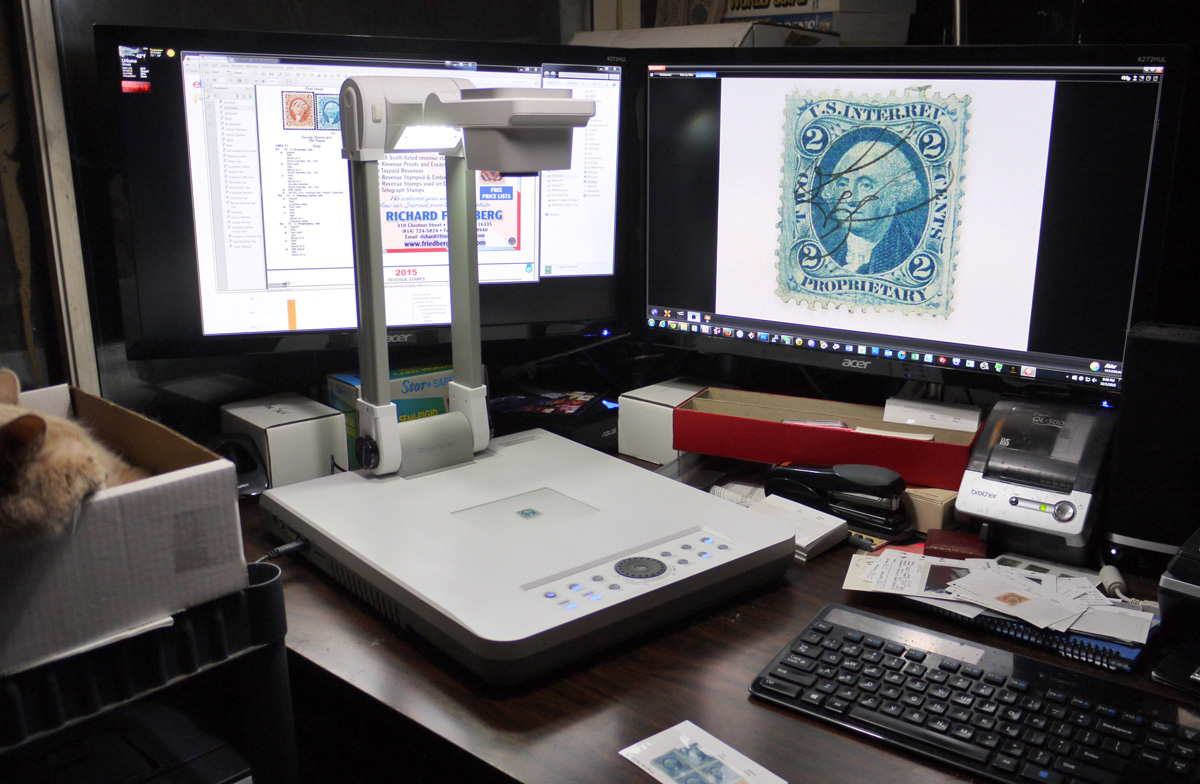
Here is a picture of my setup, with a stamp being captured and displayed
on the monitor. the image is large enough and clear enough for me to
do flyspecking without squinting or dealing with hand-held devices.
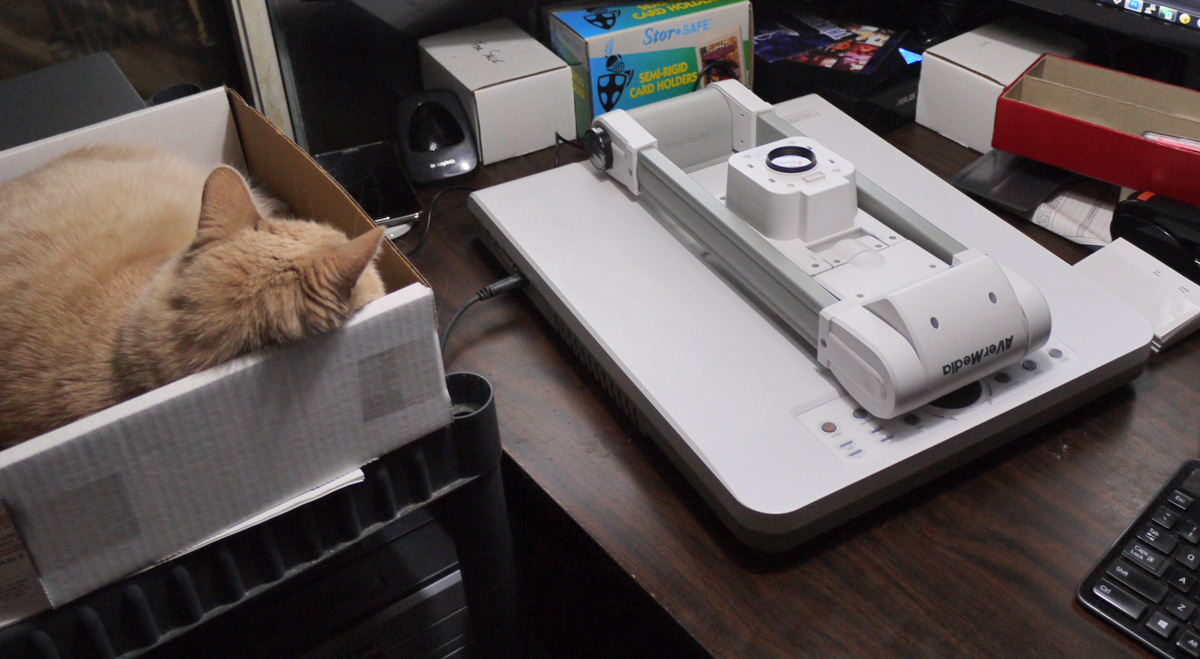
Here is the unit folded down for travel (Puppycat not included).
A carrying case and some sort of lens cap would be good things to obtain.
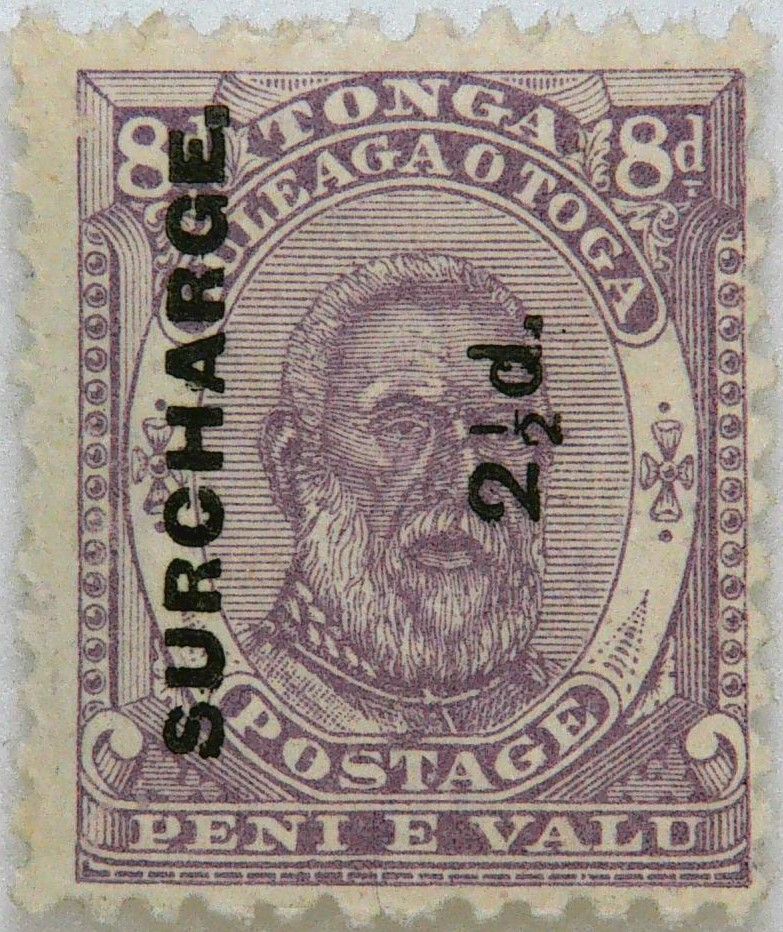
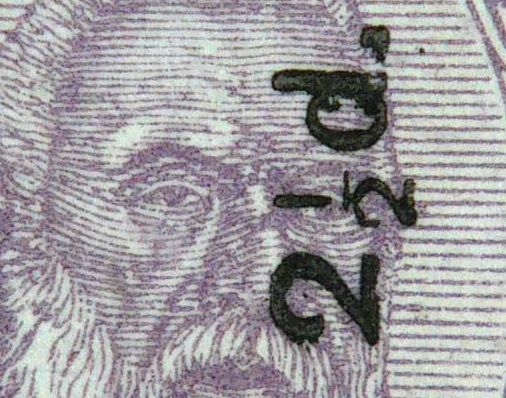
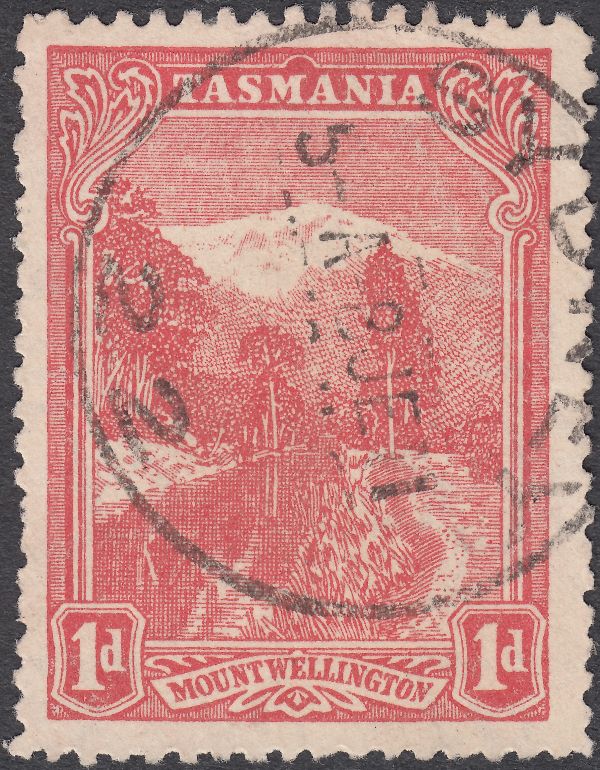
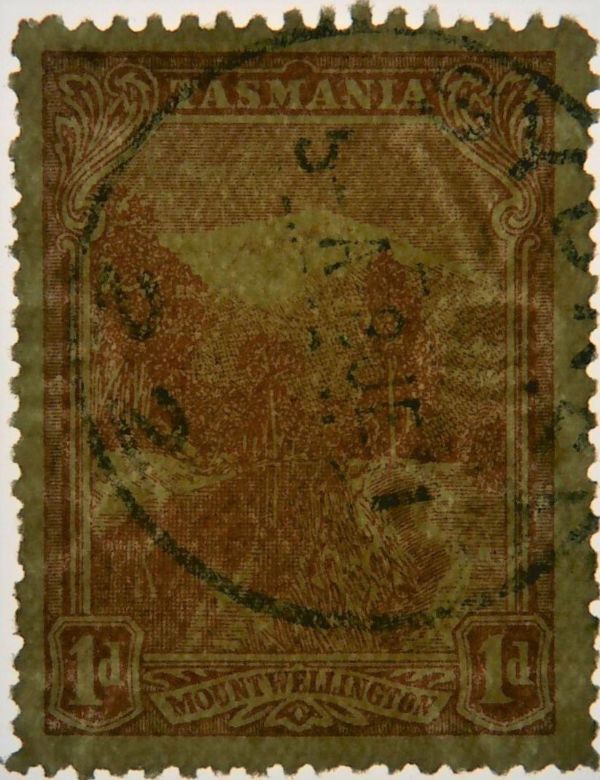
Here are some images captured from the camera.
First a stamp image. Personally, I would not use this to capture stamp images;
a good flatbed scanner will provide better quality images; what this device
does is allow you to quickly examine stamps on your monitor without having
to wait on scanner passes.

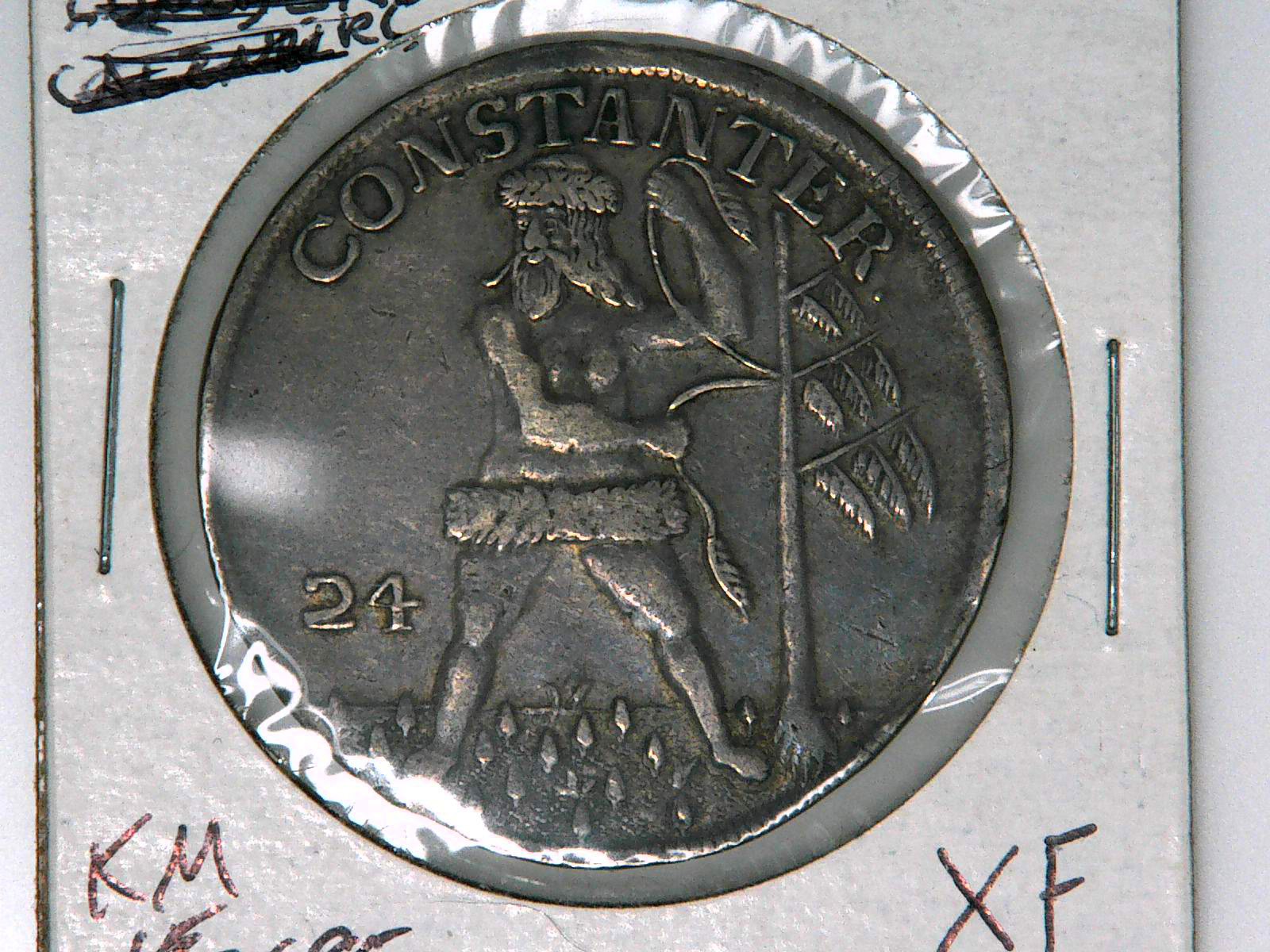
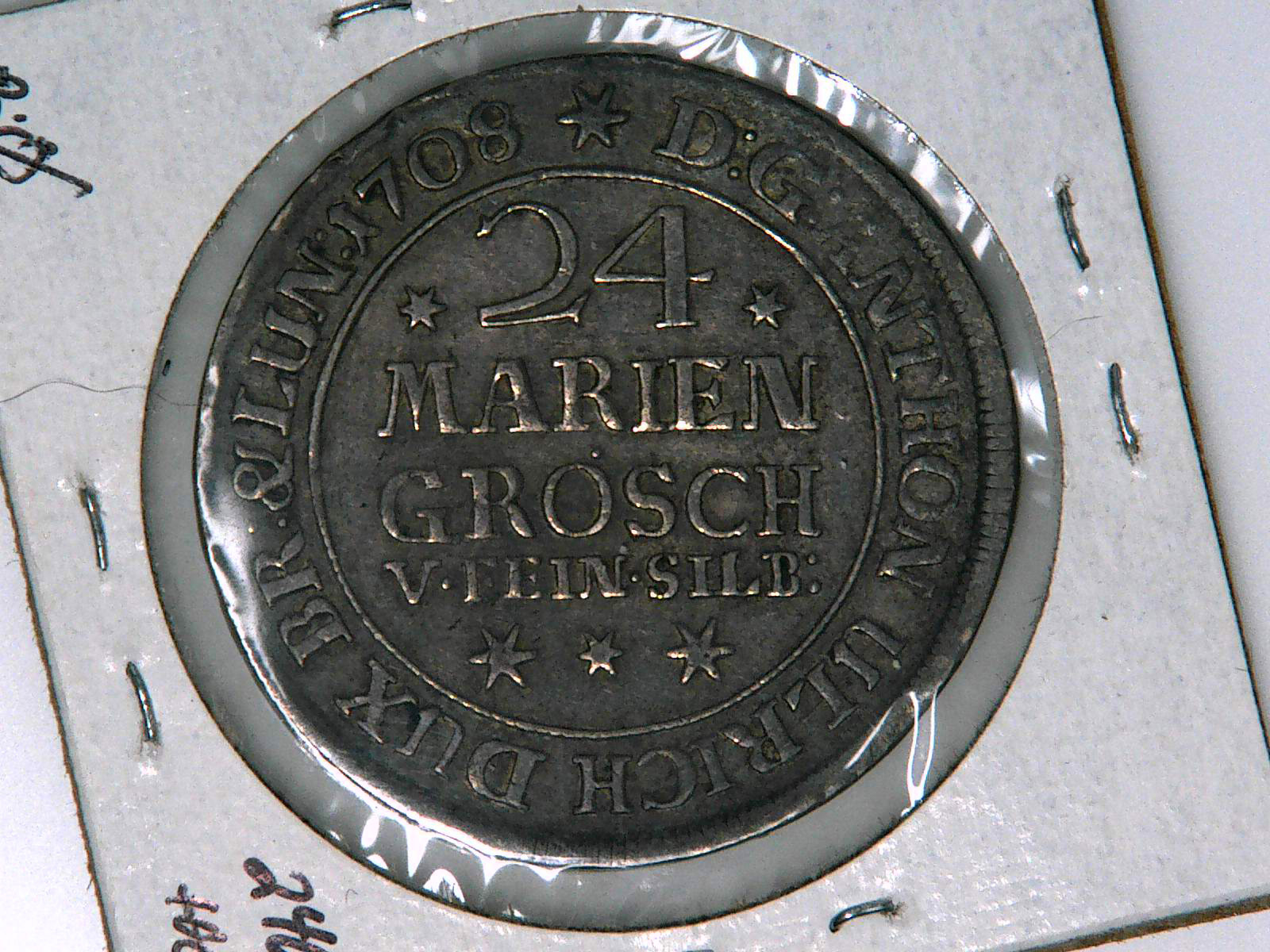
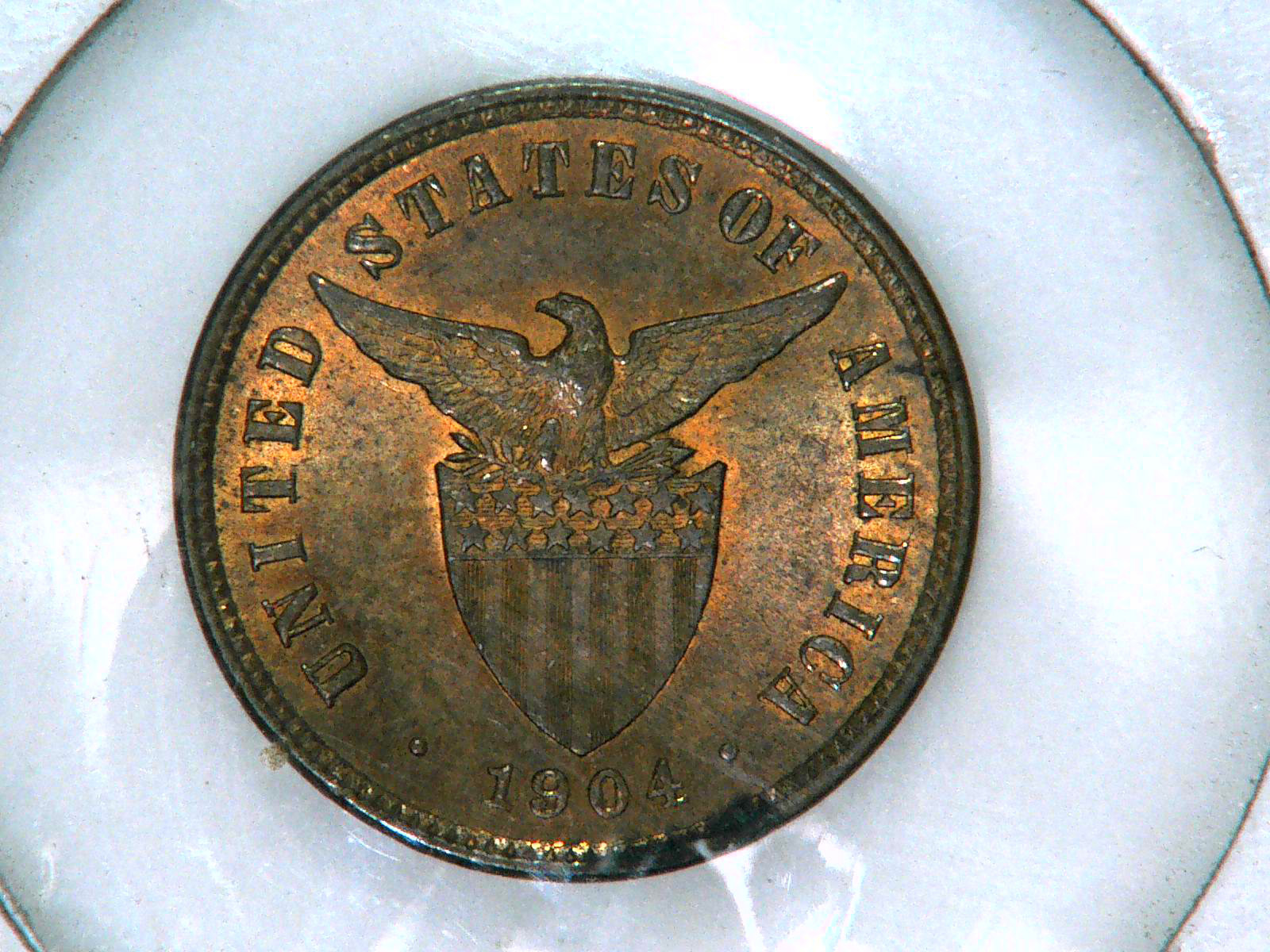
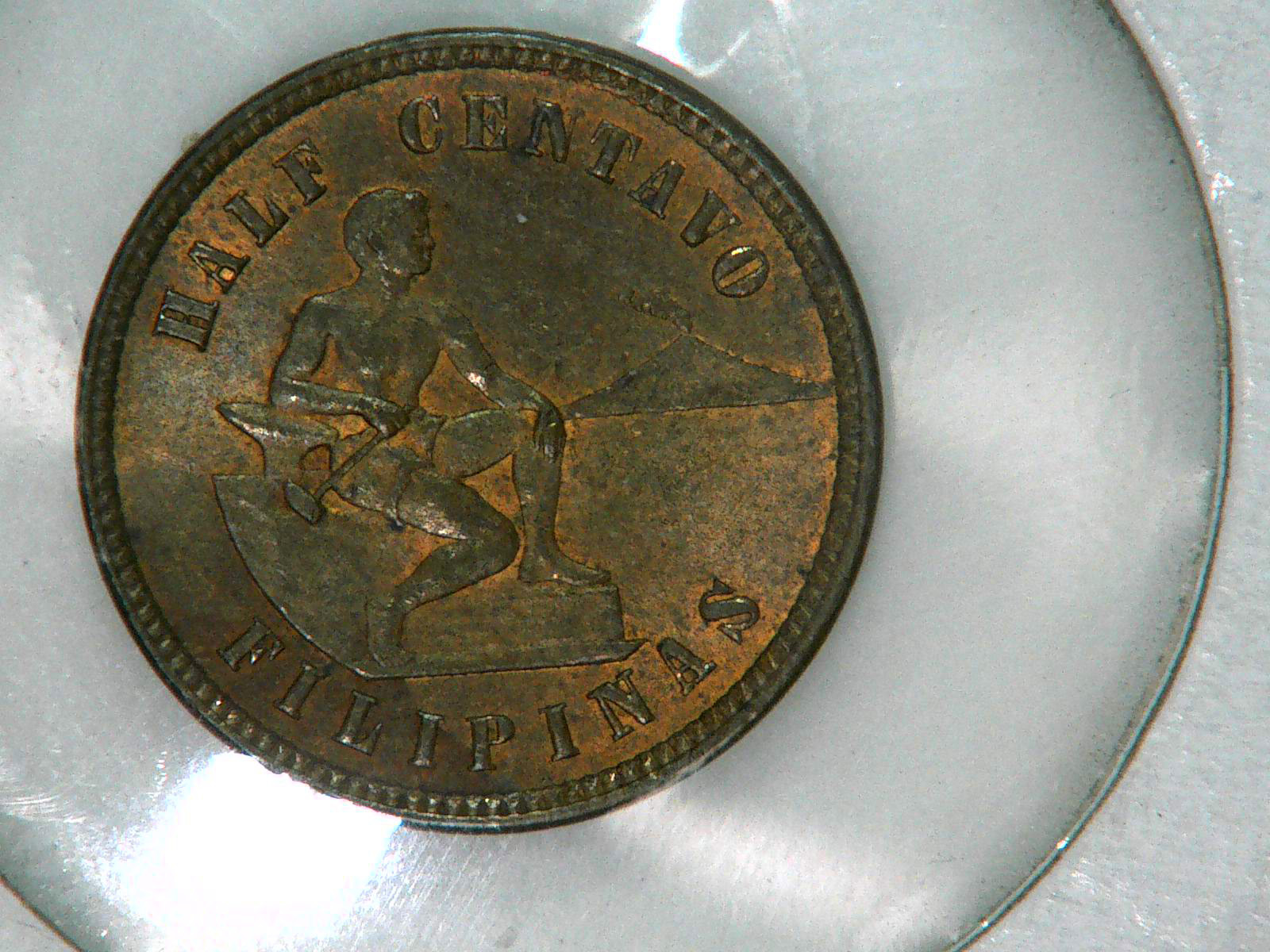
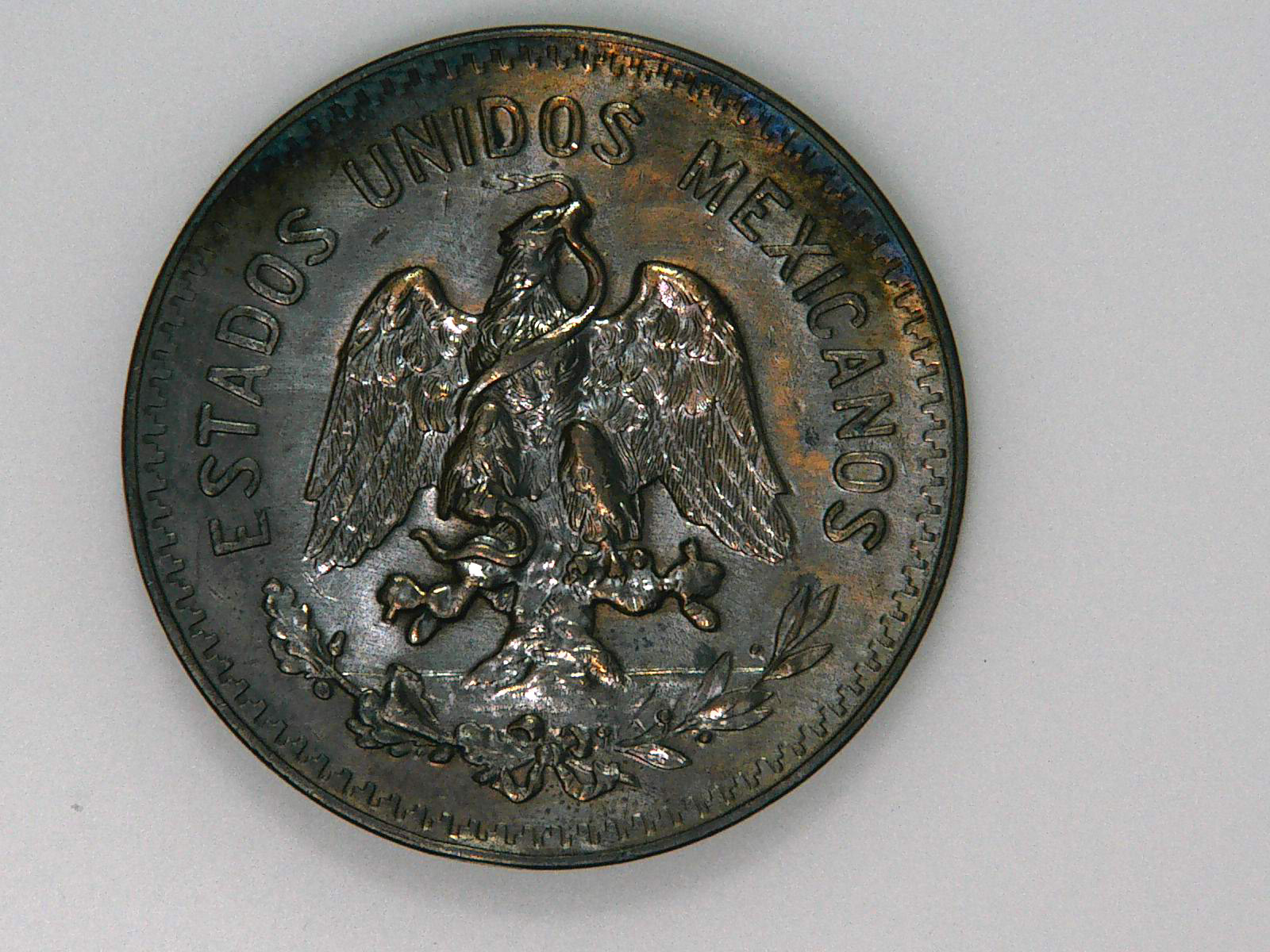
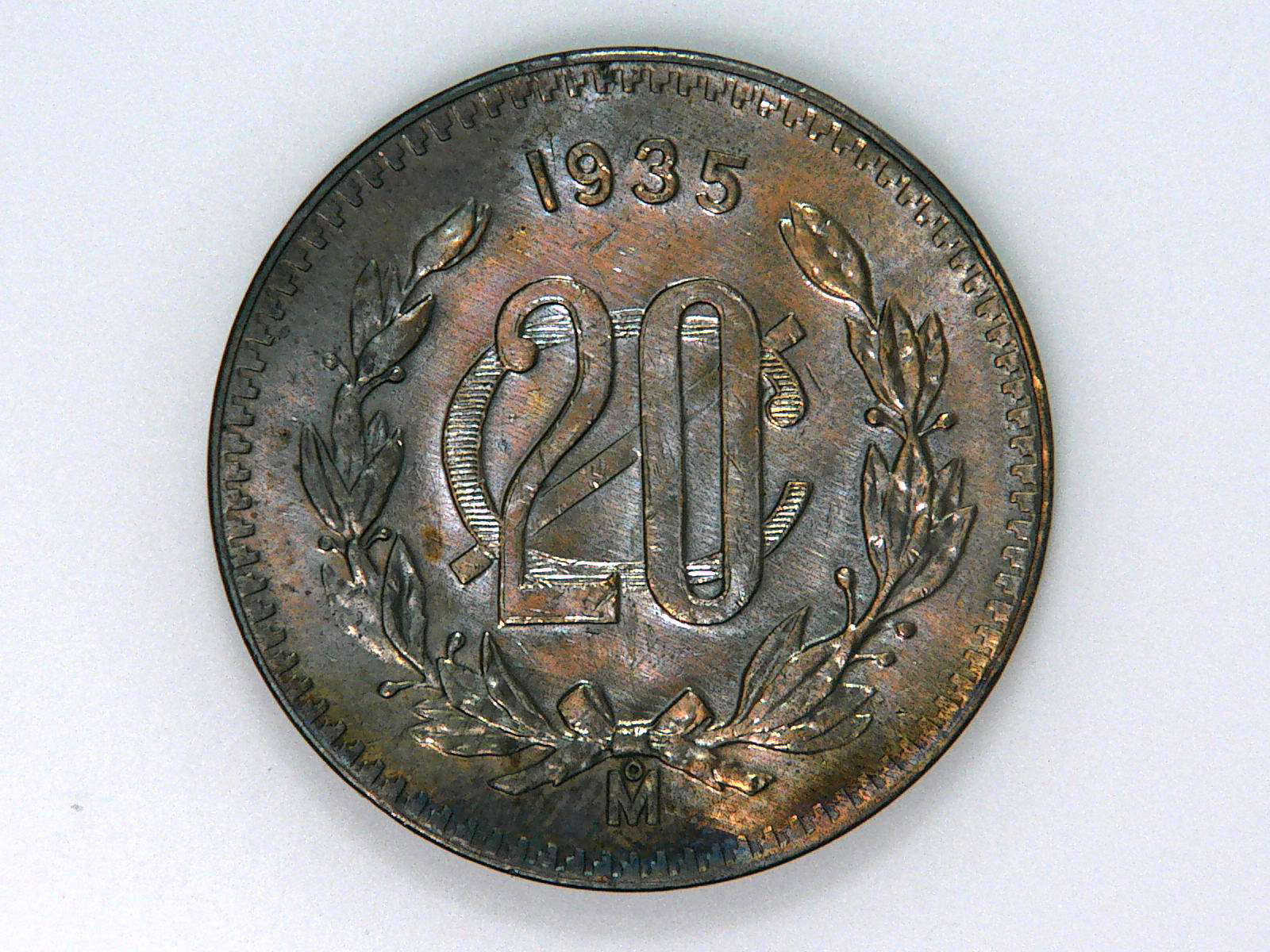
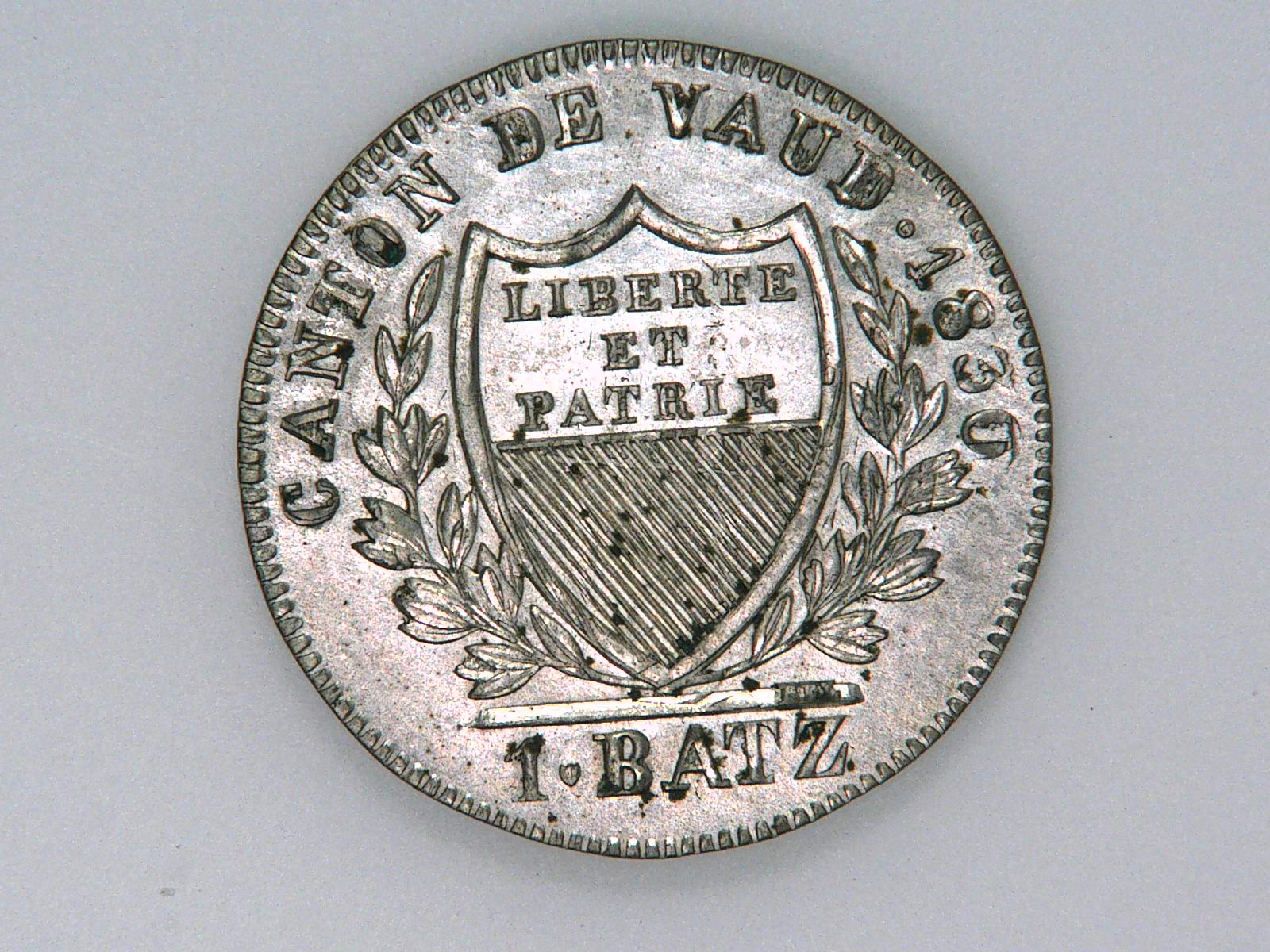
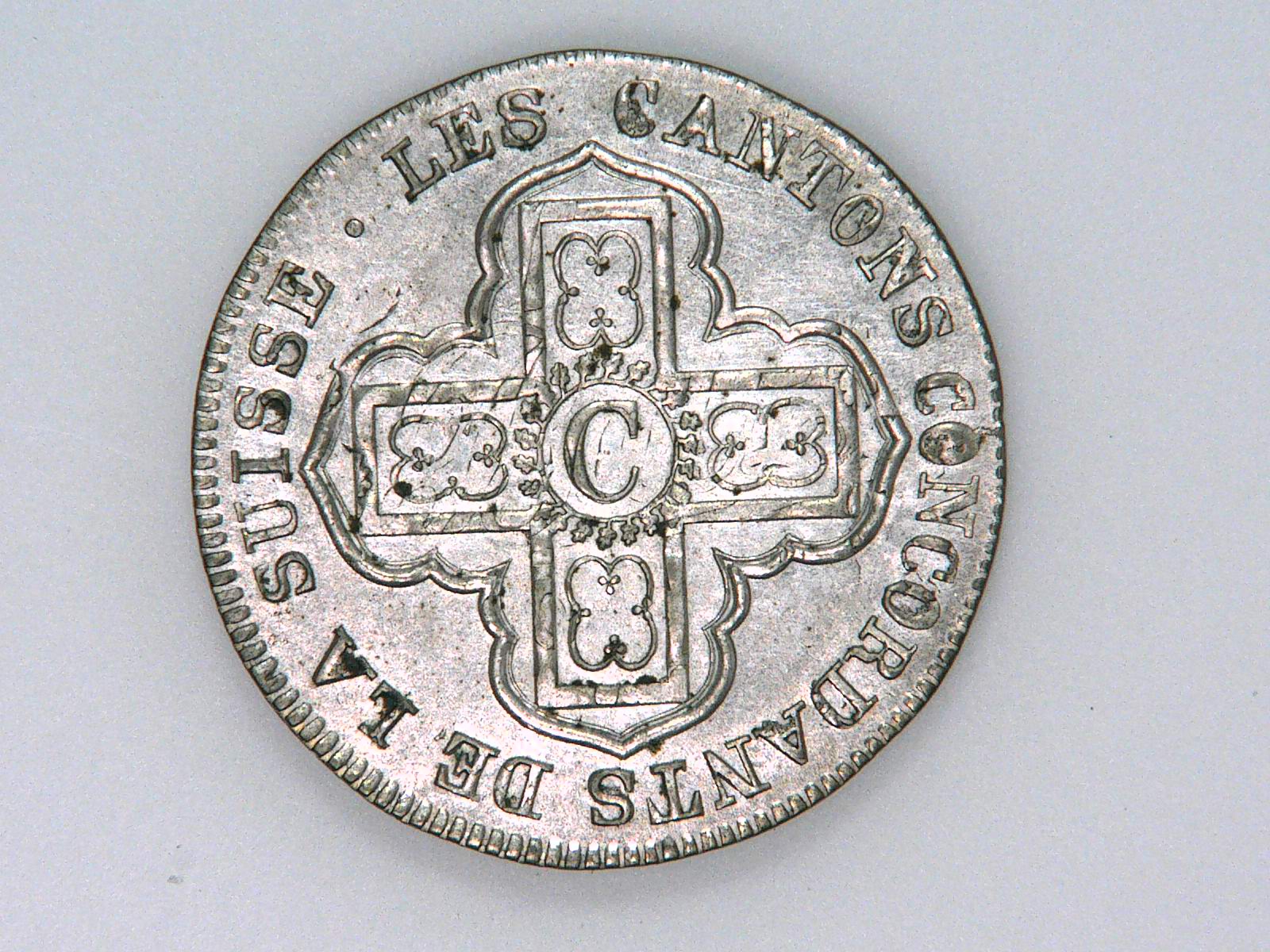
Now some coin images. This unit does much better on coins than I expected.
Dark copper is a problem, but it's that way with traditional camera setups
as well; it's a lighting issue, not a problem with the device. As with any
other device, imaging coins in 2x2s will suffer from glare off the plastic.
Raw coins do the best.





 Posted 10/04/2015 12:08 am