| Author |
 Replies: 1,928 / Views: 193,338 Replies: 1,928 / Views: 193,338 |
|
|
|
Bedrock Of The Community
Australia
38679 Posts |
|
|
1940 McCracken kangaroo Sc#166 here... https://goscf.com/t/51767&whichpage=7#4661011949 September Sc#223A ½d Kangaroo Deep orange Unwatermarked. P 14½ x 14 (Changed from Sc#166a to improve stamp separation) From Horizontal Sheet of 160 pieces (2 x Panes of 80, 8 Rows of 10) Imprint : "By the Authority of" (Lower Left Hand side, of each pane) Basis of Design : Photo of "DUKE" , a favourite kangaroo at Melbourne Zoological Gardens "Cancellation Lines" shown on the Interpanneau Selvedge, to prevent forgeries on blank Unwatermarked paper. Location of Perforation guide pips (Type 1, 2 only) This fragment of a sheet of 160 stamps, contains no "varieties" that I am aware of. 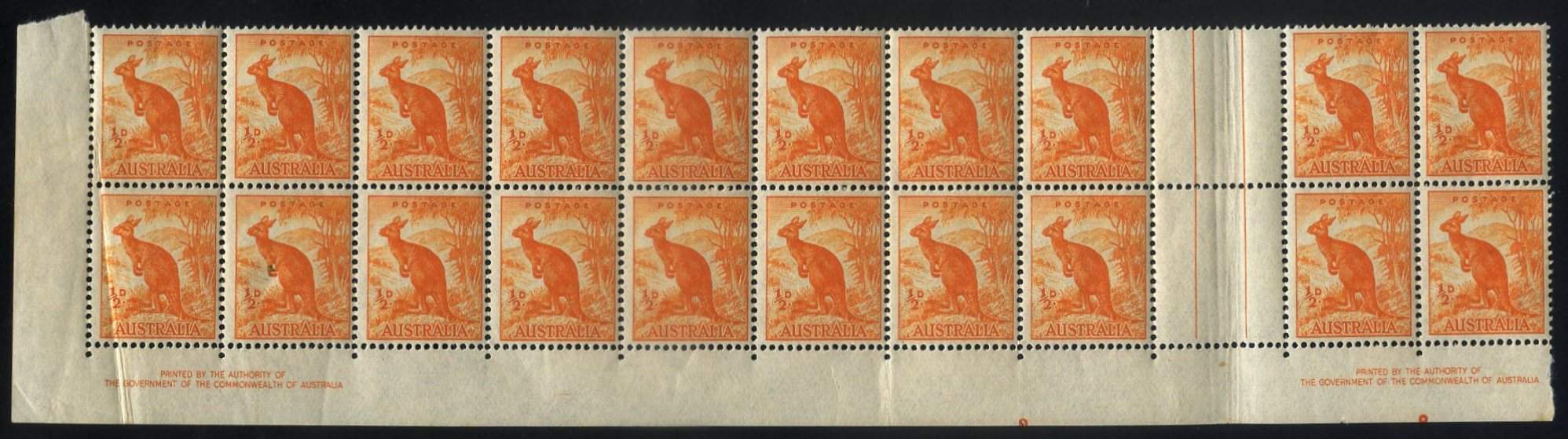 |
Send note to Staff 
|
| Edited by rod222 - 03/16/2017 3:10 pm |
|
|
Pillar Of The Community
Canada
879 Posts |
|
|
Rod: Quote:
Firstly, to insert a quote. Re quotes, many thanks Re orientation of punctures I should have known that since I believe it was you who gave me a primer on an earlier topic in which I showed a horizontal pair of stamps with punctures in different directions. And WHOOOPEEEEE! I just got my 50th post in today. Frank. |
|
Send note to Staff
|
|
|
Bedrock Of The Community
Australia
38679 Posts |
|
|
 Well done you, Frank. Hope you keep on, keeping on........ Nice to have you around. |
|
Send note to Staff
|
|
|
Pillar Of The Community
Canada
879 Posts |
|
|
Quote:
1949 September
Sc#223A Rod: Since you raise the point of number of stamps per sheet, perhaps "sheet" should be defined. This stamp was printed 640-on. These were divided into a 2 by 2 grid, each costing of 160 stamps as you describe. The sheets as printed were sliced and delivered to Post Offices in this 160-stamp format. (I also think that explains why, nearly always, the Post Office sheets are folded down the gutter, either for shipment to the Post Offices, or to fit the folders in which they were kept at Post Office counters.) Also on interest In the master sheet, the perf pips are printed at the top of the upper panels and at the bottom of the lower panels. Also worth mentioning is that inscription is is always printed under stamps 10/1 and 10/2 of the Post Office sheets. The imprints were later discontinued. For the halfpenny Kangaroo, this happened in December 1955 or some time earlier. Printing of this stamp went on until 1960 so it had quite a long run. Frank |
|
Send note to Staff
|
|
|
Bedrock Of The Community
Australia
38679 Posts |
|
|
Nicely explained Frank, I am just beginning to understand the ACSC and "sheet disposition" Thank you. Query 1: My 1980 ACSC does not appear to address the 1942 ½d P15x14  I have an imprint block of 4, without coil perforations. Query 2: Was it common to guillotine off the Plate number? For my example fragment Had I had the Plate number below the imprint, value would have shot up to $3,500 Or, was my fragment sheet A & B of the 640 on? and the Plate number on C & D? Thanks. |
|
Send note to Staff
|
|
|
Pillar Of The Community
Canada
879 Posts |
|
|
Rod:
To answer your queries, first let me address the perforation. The 15 by 14 is actually 14.88 by 14.08 for sheet stamps and 14.80 by 14.08 for coils, rounded to the nearest 1/2. ACSC rounds to the nearest 1/4 so calls them 14.75 by 14.
The coils were printed in three groups of 160 stamps. Each group consisted of 20 rows of 8 stamps, I.e. 480-on as opposed to 640-on for sheet stamps.
The Post Office sheets were trimmed at top and bottom, somewhere round about the perf pips. The plate numbers were printed just outboard of the perf pips, I.e. Above the upper left and right PO sheets and below the lower left an right PO sheets, in line with the gutters. They thus disappear when the sheet is trimmed. The plate is given with just the number. As an example, plate 2 has just a '2' above and below the left PO sheets, and '- 2 -' above and below the right sheet. This arrangement further helps define the location of a block.
I hope this is relatively clear. I'll post the ACSC diagram of the sheet disposition once I have time to fire up my scanner.
My 1988 ACSC is similarly quiet on sheet disposition, but the 1996 issue has an introduction just before the unreleased KEVIII stamps and spends 30 pages on this and similar topics.
Frank. |
|
Send note to Staff
|
|
|
Bedrock Of The Community
Australia
38679 Posts |
|
|
Cheers Frank. Could you possibly scan the ACSC for the 1942 P15x14 please.
I cannot find it anywhere in my catalogue.
Only reference to it existing is the Scott Catalogue or Gibbons.
I cannot believe it is missing.Arghh! Re -reading your post, I see it listed as the (Small sized stamps) P14¾ x 14 28th January 1942 Wow. That is some discrepency between catalogues. ---------------- Next query is, if the Plate number is guillotined, how do collectors have, and why are plate number blocks listed? Update: Seems mis-guillotined Here is Plate 4, only known example $5,000. 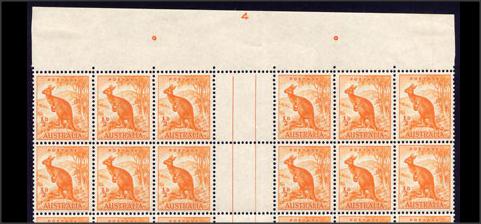 |
|
Send note to Staff
|
| Edited by rod222 - 03/17/2017 12:46 am |
|
|
Bedrock Of The Community
Australia
38679 Posts |
|
|
The first Wyoming. New South Wales. Named before the US State. Hely named the land after the Wyoming Valley of Pennsylvania, made famous by the 1809 poem Gertrude of Wyoming by Thomas Campbell. 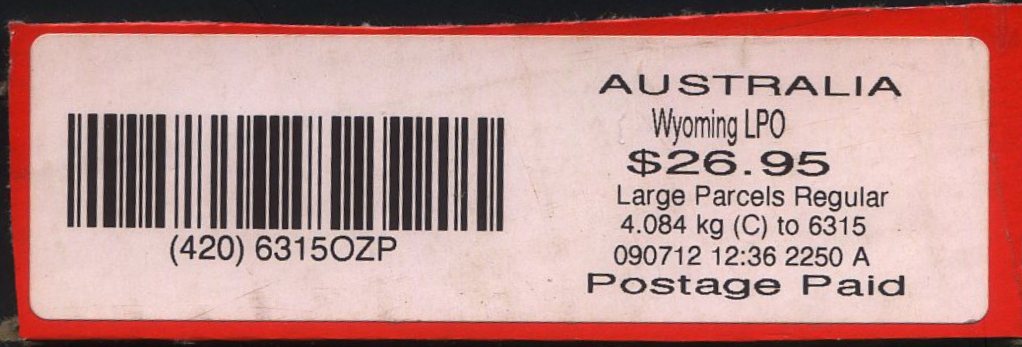 |
|
Send note to Staff
|
|
|
Pillar Of The Community
Canada
879 Posts |
|
|
Rod: Quote:
Wow. That is some discrepency between catalogues. Well, not really. Good old Stanley Gibbons rounds everything to 0.5 and that has satisfied collectors for quite some time. And metal perf gauges normally just read to 0.5. ACSC is a specialist's catalogue and tightens up perfs to 0.25 (then gives a precise measurement in the description of each stamp) so perhaps that should be the first go-to reference for specialists. I am, however, glad to say that Unitrade for Canada gives perfs to 0.1 and my preferred clear plastic perf gauge is also pretty good to 0.1. But there again, Unitrade claims to be a specialist catalogue. Quote:
Next query is, if the Plate number is guillotined, how do collectors have,
and why are plate number blocks listed? The second part is easy. I there is one, then there may be more. How that one made it out of the Stamp Printing Office is, however, not an easy question to answer. Frank. |
|
Send note to Staff
|
|
|
Bedrock Of The Community
Australia
38679 Posts |
|
|
1936 Steiner Page 12. 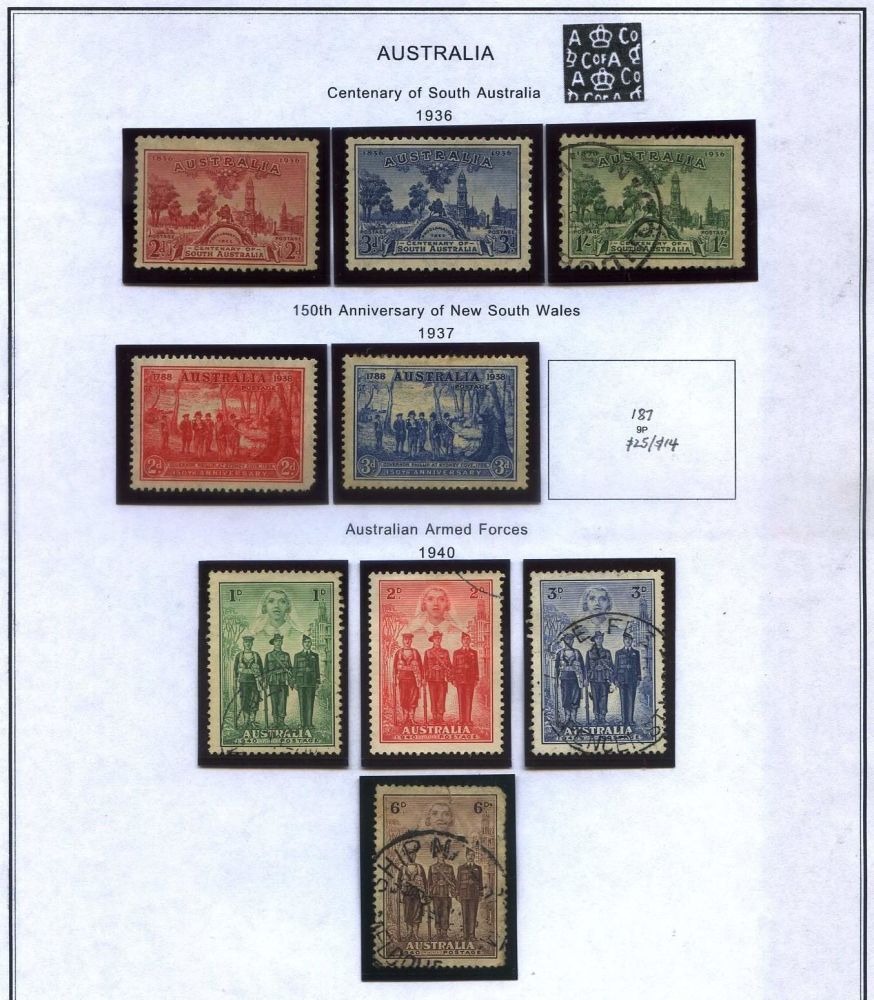 Australian Women's Weekly 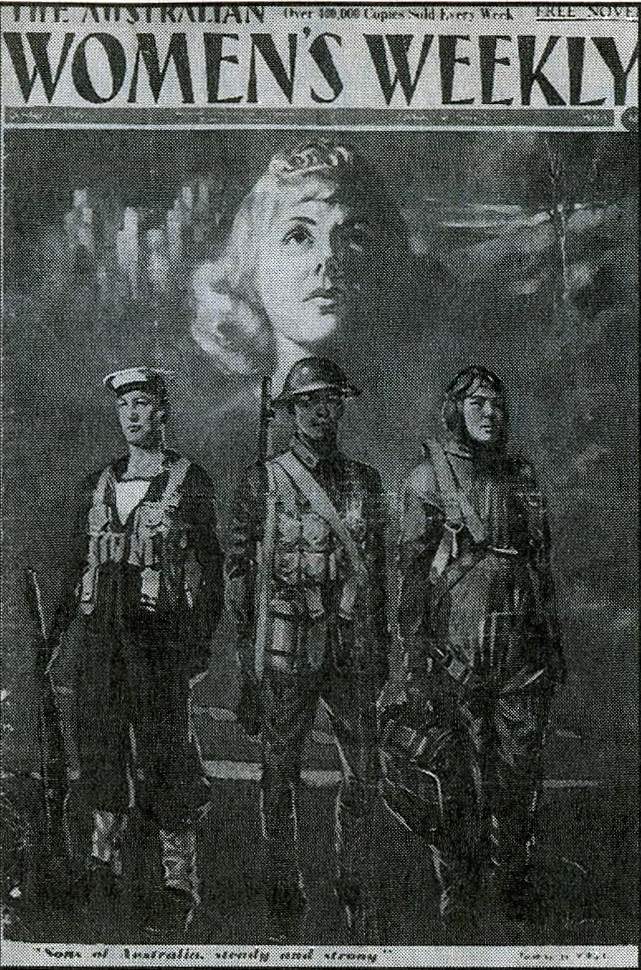 Postmarks. See postmark (Dumbleyung) is our half way point, when we cycle 80km. Lake Dumbleyung is overflowing for the first time in 30 years. In 1964 Donald Campbell (GB) became the fastest man on Land and Water, after breaking the world record on Lake Dumbleyung (Salt Lake) GB Personal Postage Stamp. 2005 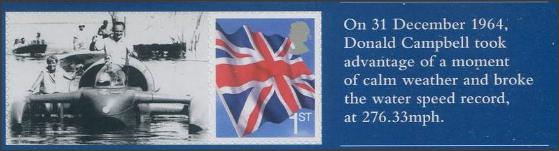 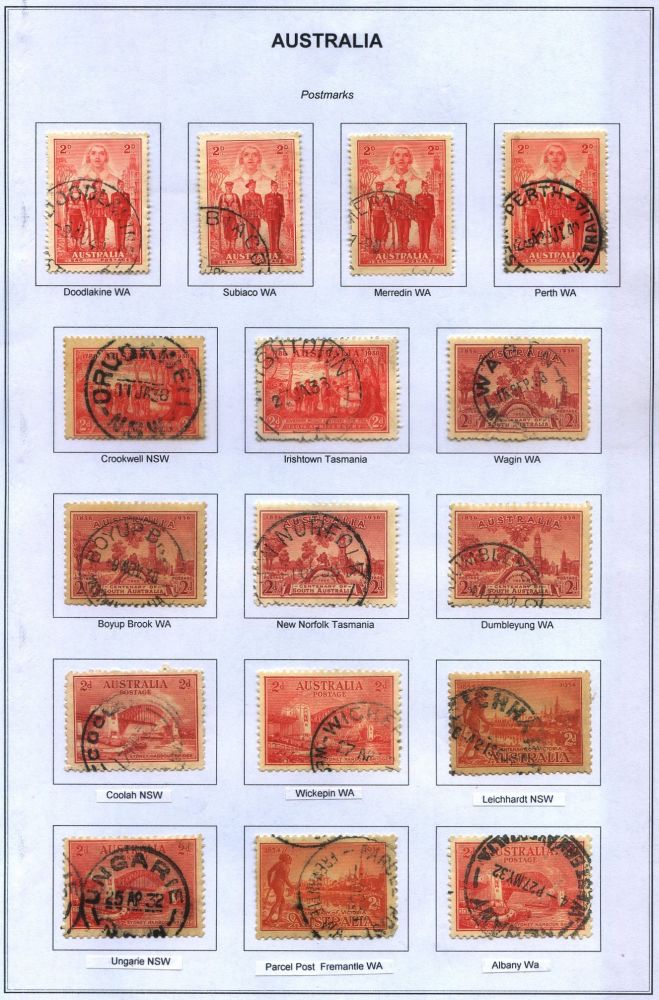 |
|
Send note to Staff
|
| Edited by rod222 - 03/18/2017 01:40 am |
|
|
Bedrock Of The Community
Australia
38679 Posts |
|
|
Focus on Australia 1937-1946 Definitives. 1937 Steiner Page 13. 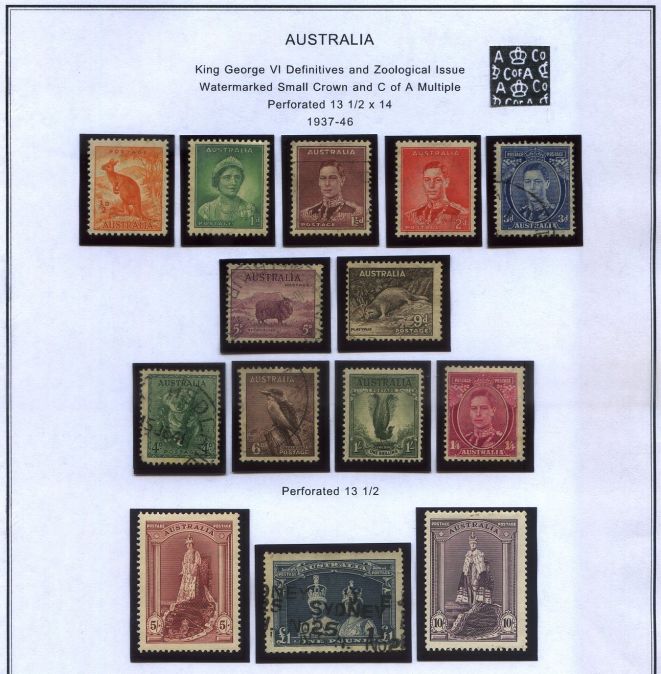 1937 Personal page 13A Line Pairs 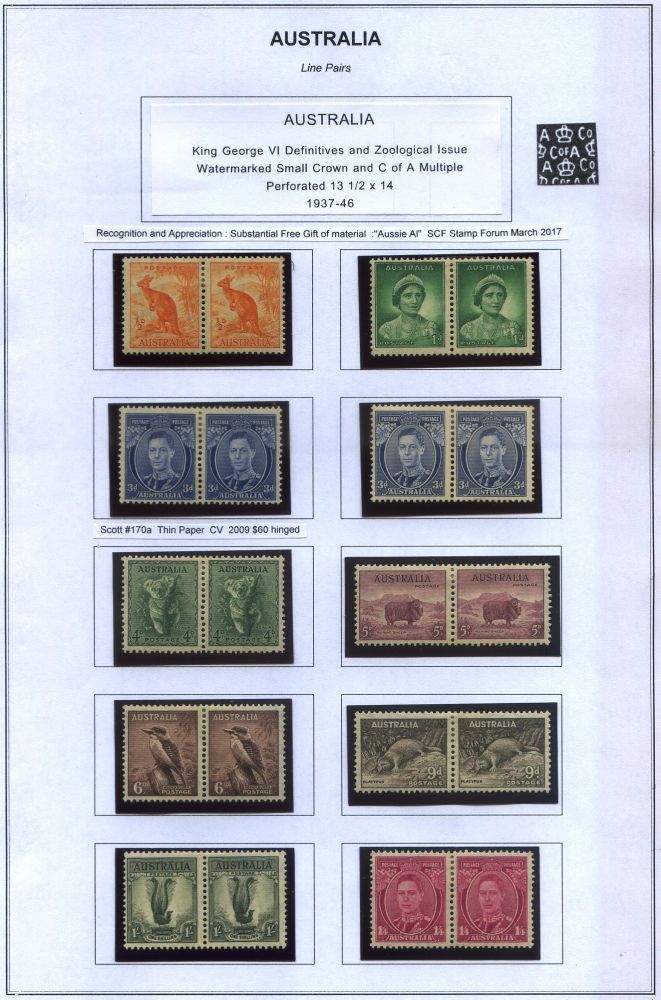 |
|
Send note to Staff
|
|
|
Bedrock Of The Community
Australia
38679 Posts |
|
|
1937 Personal Page 13B Multiples and Imprint Blocks. 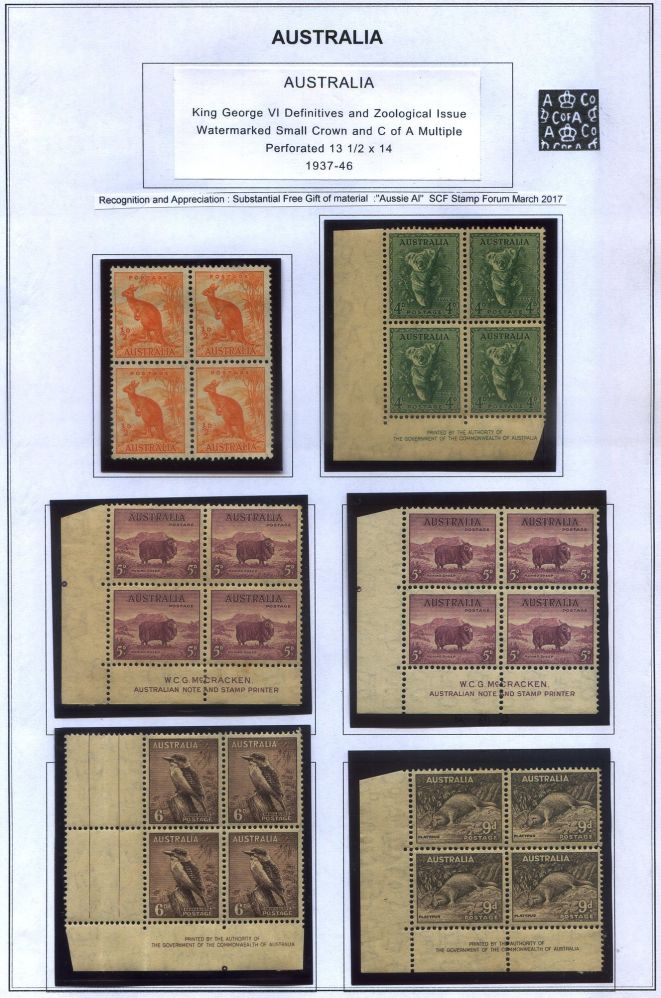 New Students of Australia and Steiner Pages may wish to consult this chart for easy reference. Stamp numbers 5.5 and 12.5 exist, but no space allocated in Steiner. 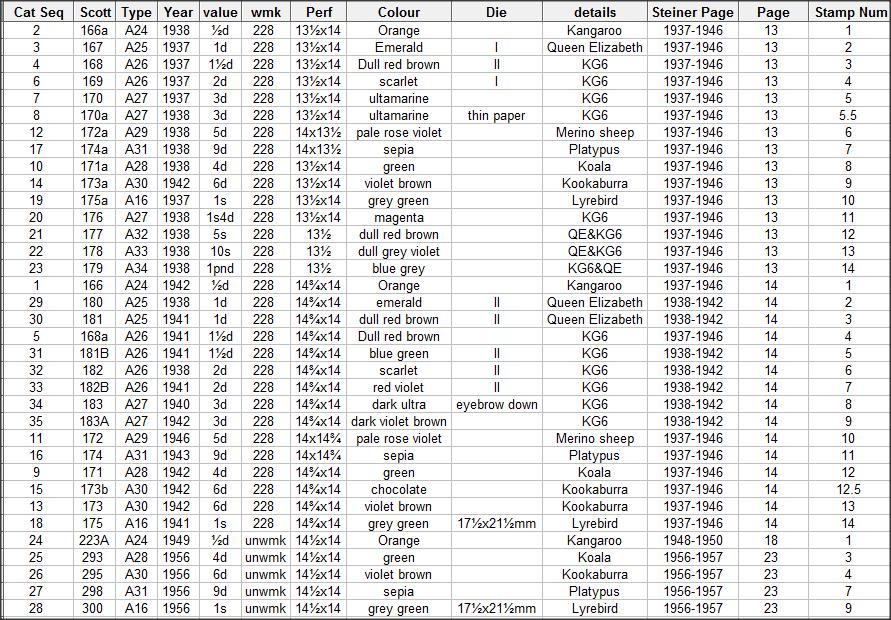 |
|
Send note to Staff
|
| Edited by rod222 - 03/19/2017 01:15 am |
|
|
Bedrock Of The Community
Australia
38679 Posts |
|
|
Sc#169 1937 10th May Wmk 228 2d Scarlet Die 1 (No line around value) Right Pane of horizontal sheet of 160 (2 x 10 rows of 8) Part Ash Imprint lower gutter No Flaw at RP : R5/5 Perforation guide pips (2 x Type 1 ) on Right hand Selvedge. Design: Peter North photo of King George 6 in uniform of Admiral of the Fleet 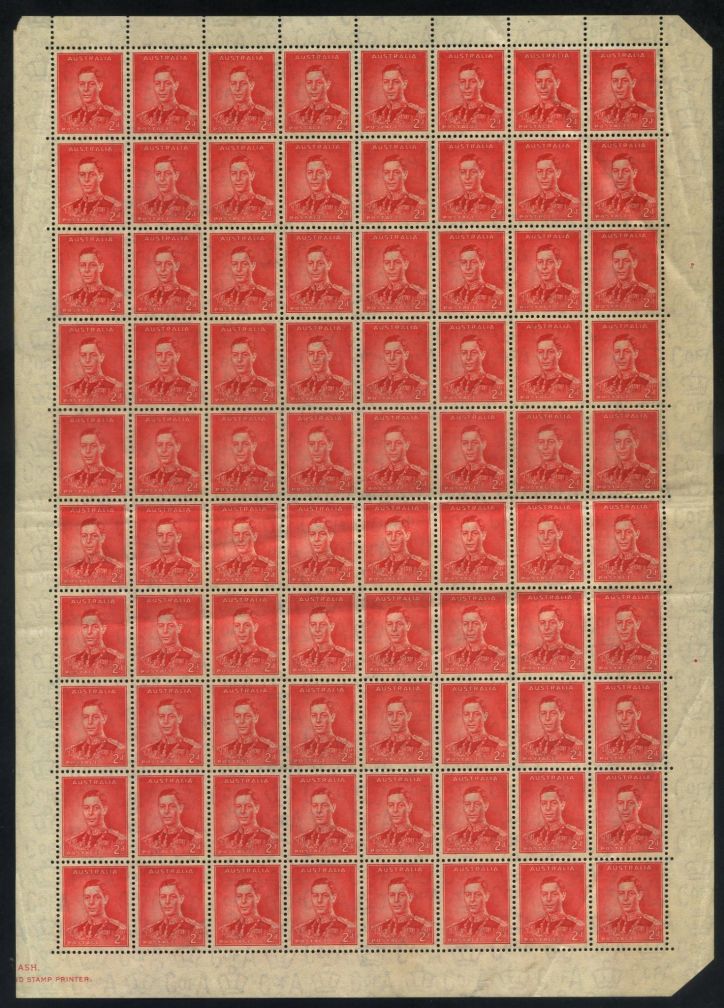 Victoria and Albert Museum London UK 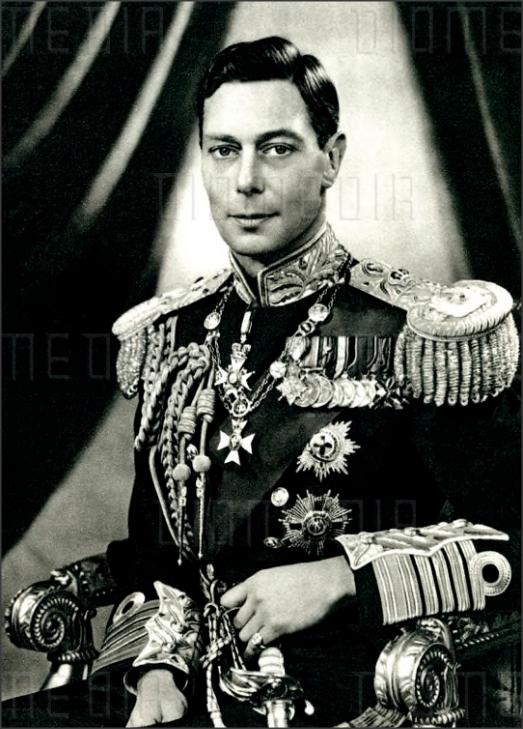 |
|
Send note to Staff
|
| Edited by rod222 - 03/19/2017 02:00 am |
|
|
Bedrock Of The Community
Australia
38679 Posts |
|
|
1938 Steiner Page 14. (Perf 15 as in catalogue is 14¾ on your guage) Still looking for 3d "eyebrow down" I have it somewhere. 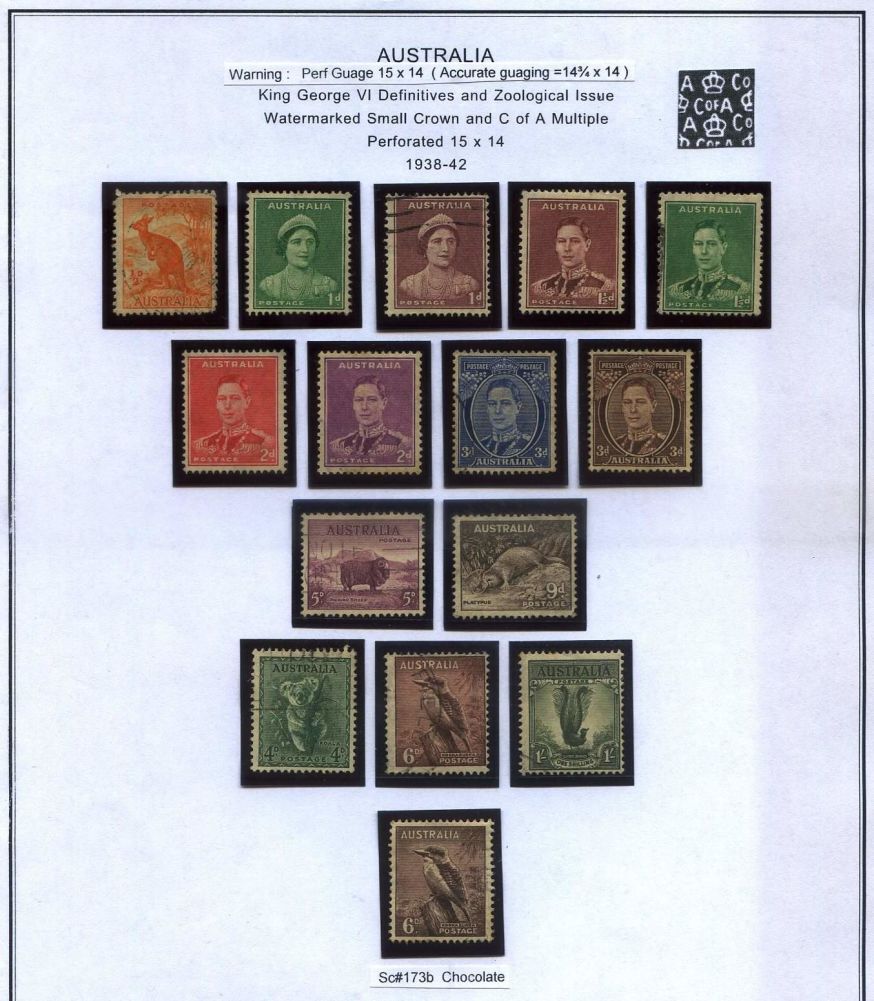 |
|
Send note to Staff
|
|
|
Pillar Of The Community
Canada
879 Posts |
|
|
Here's a page from my father's Australia album. Some time ago, I remounted the Princess Elizabeth using regular hingeless mounts. My father, however, made his own hingeless mounts for the Arms issues, probably in 1949 or 1950. What a shame he never developed the idea a bit more at the time. That was about the time that Mint Never Hinged was becoming popular. 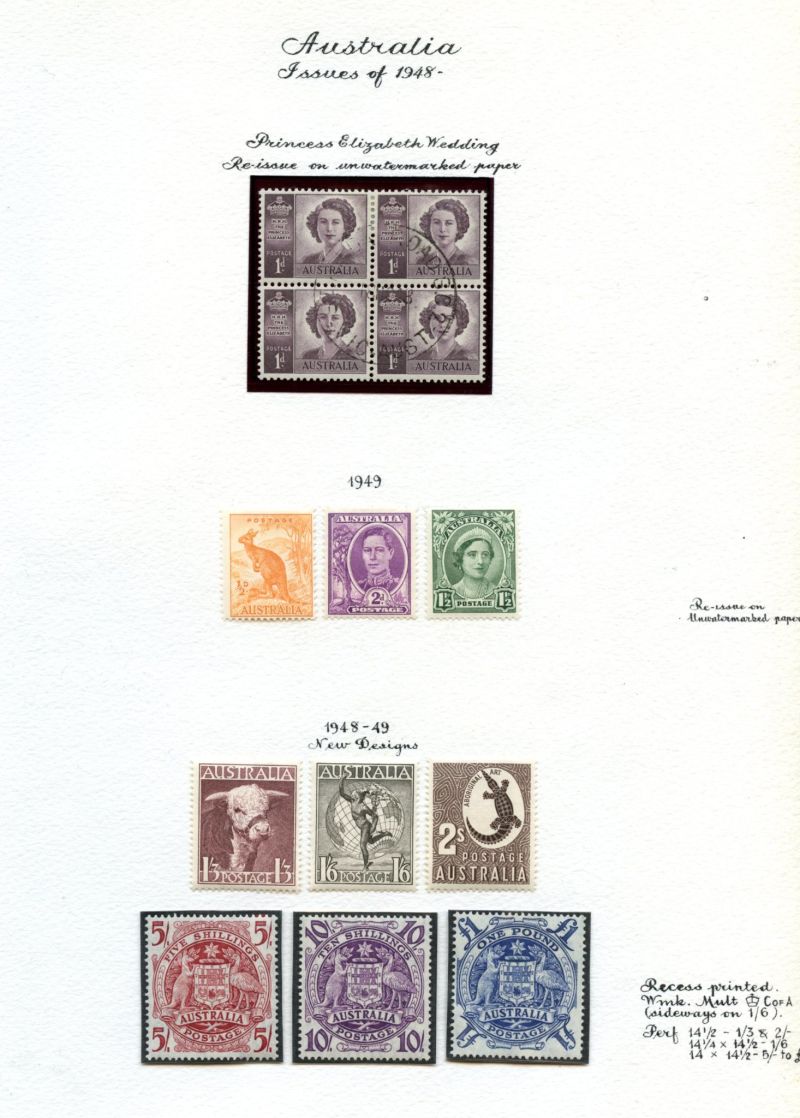 |
|
Send note to Staff
|
|
|
Replies: 1,928 / Views: 193,338 |
|




 Posted 03/16/2017 3:02 pm


