Doing a search didn't bring up any discussion about this, so I thought I'd post about it in case some people aren't aware of it.
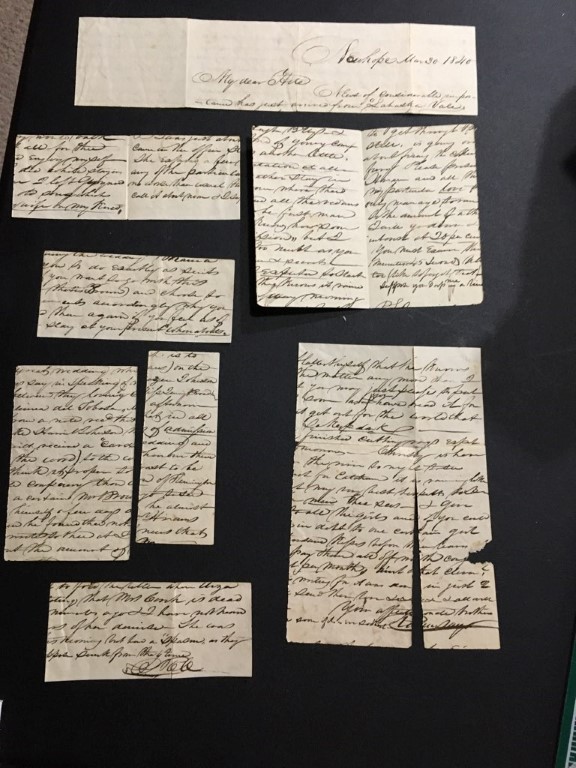
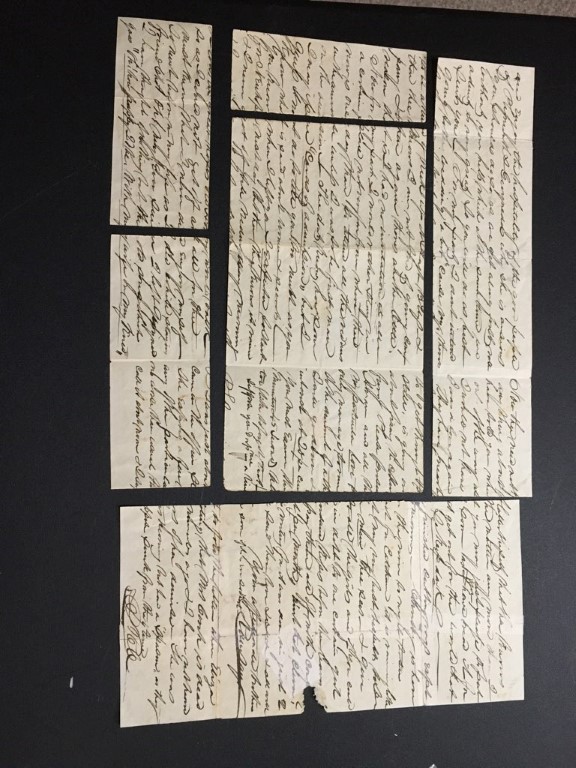
If you collect revenue documents, stock certificates, etc., especially 100-200 years old, you'll frequently encounter documents that have become brittle and split. Additionally, there are frequently issues with cut and punch cancels that make the documents susceptible to further damage in transport and handling.
You want to stabilize the document while at the same time you do not want to impact the visual presentation or introduce acid-based repair materials (tape).
I swear by Lineco's "Archival Mending Tissue". It has helped me save and resonstruct countless documents that have been in less than optimal condition. It's pH neutral and will not stain/discolor over time.
https://www.amazon.com/Lineco-58320..._top?ie=UTF8
The tape is very delicate, the name "tissue" is accurate width respect to appearance and consistency, but it is very strong.
You don't want to try and apply long lengths of the tissue, instead use multiple smaller strips; they're much easier to work with.
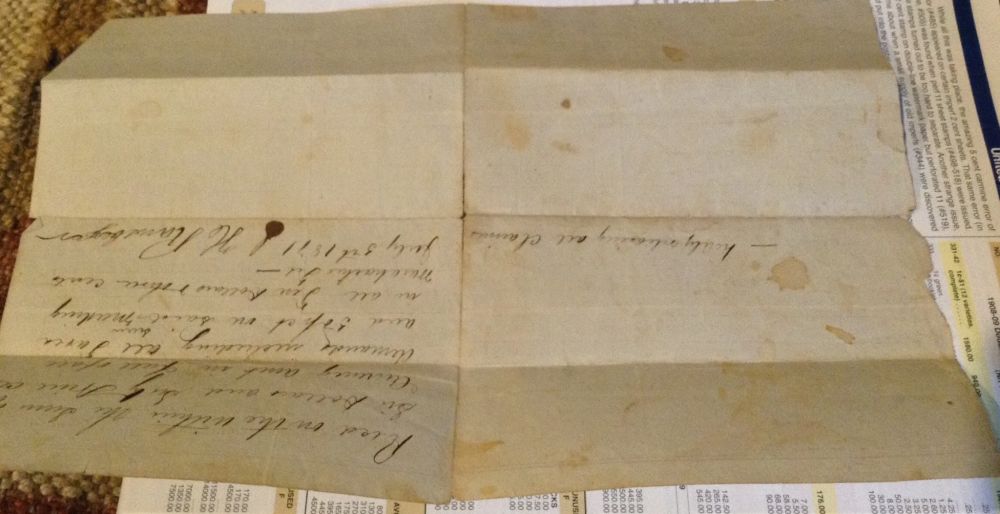
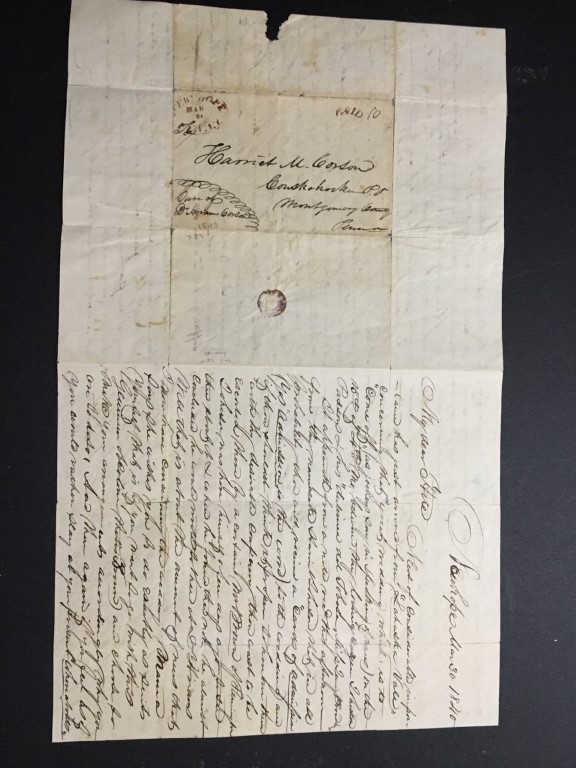
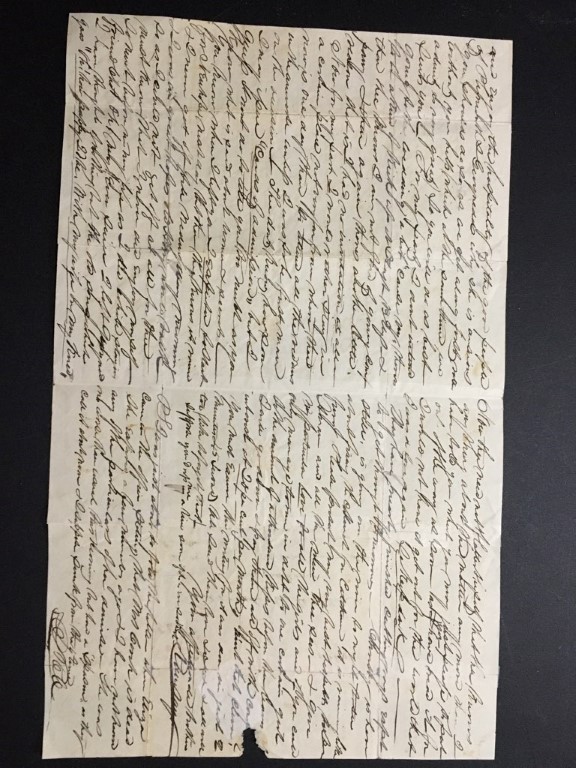
Most revenue documents have a particular side (or face) that you want to present or image, so you'll want to put the tissue on the back (the nonfacing side). That seems like a common sense notion, but important to reinforce.
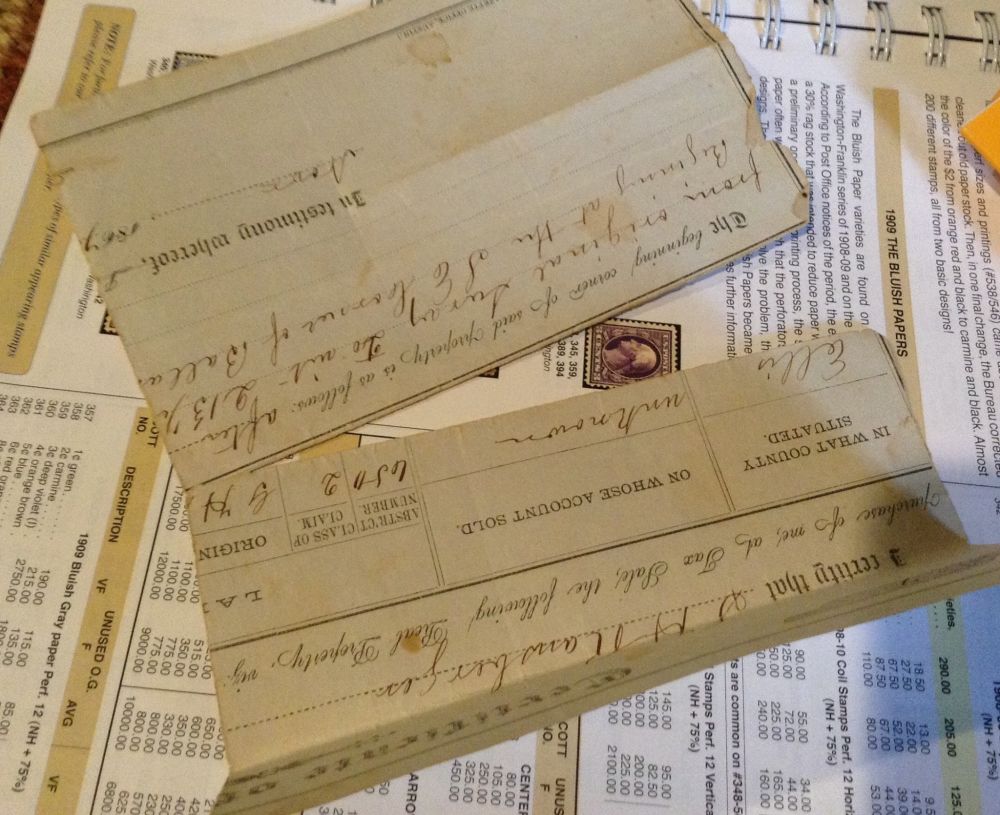
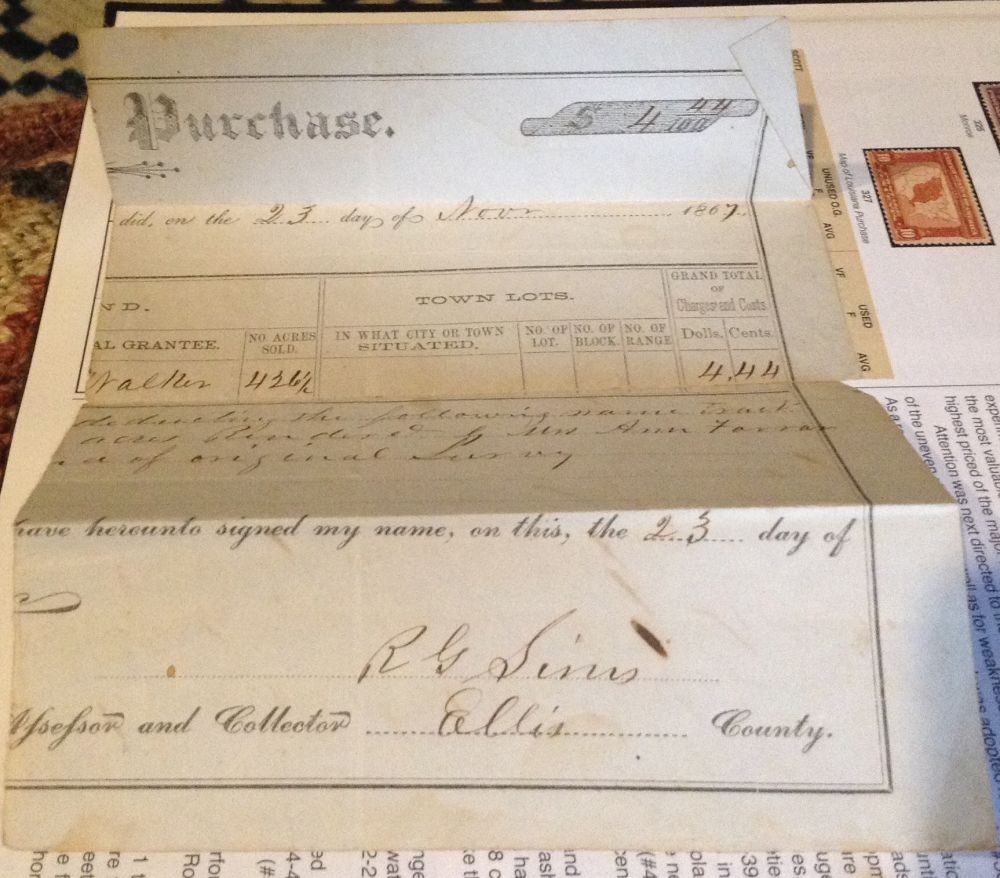
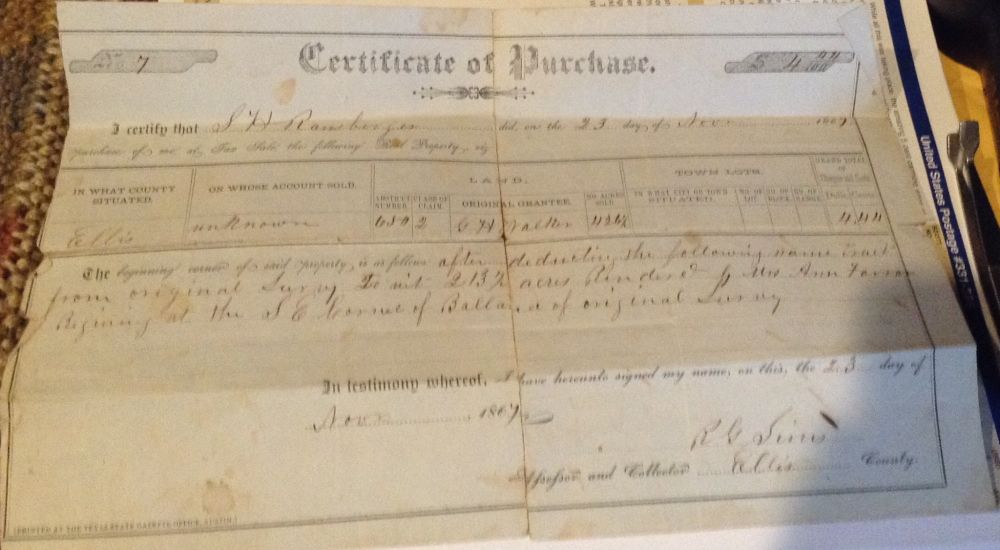
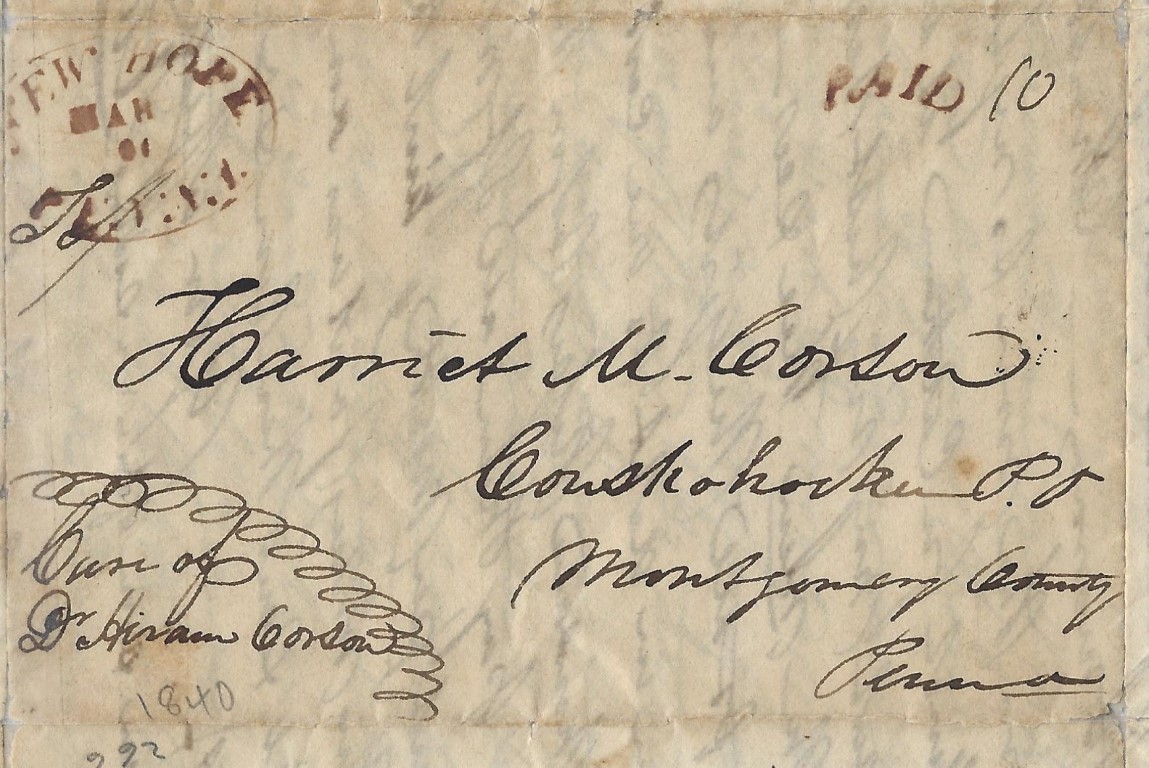
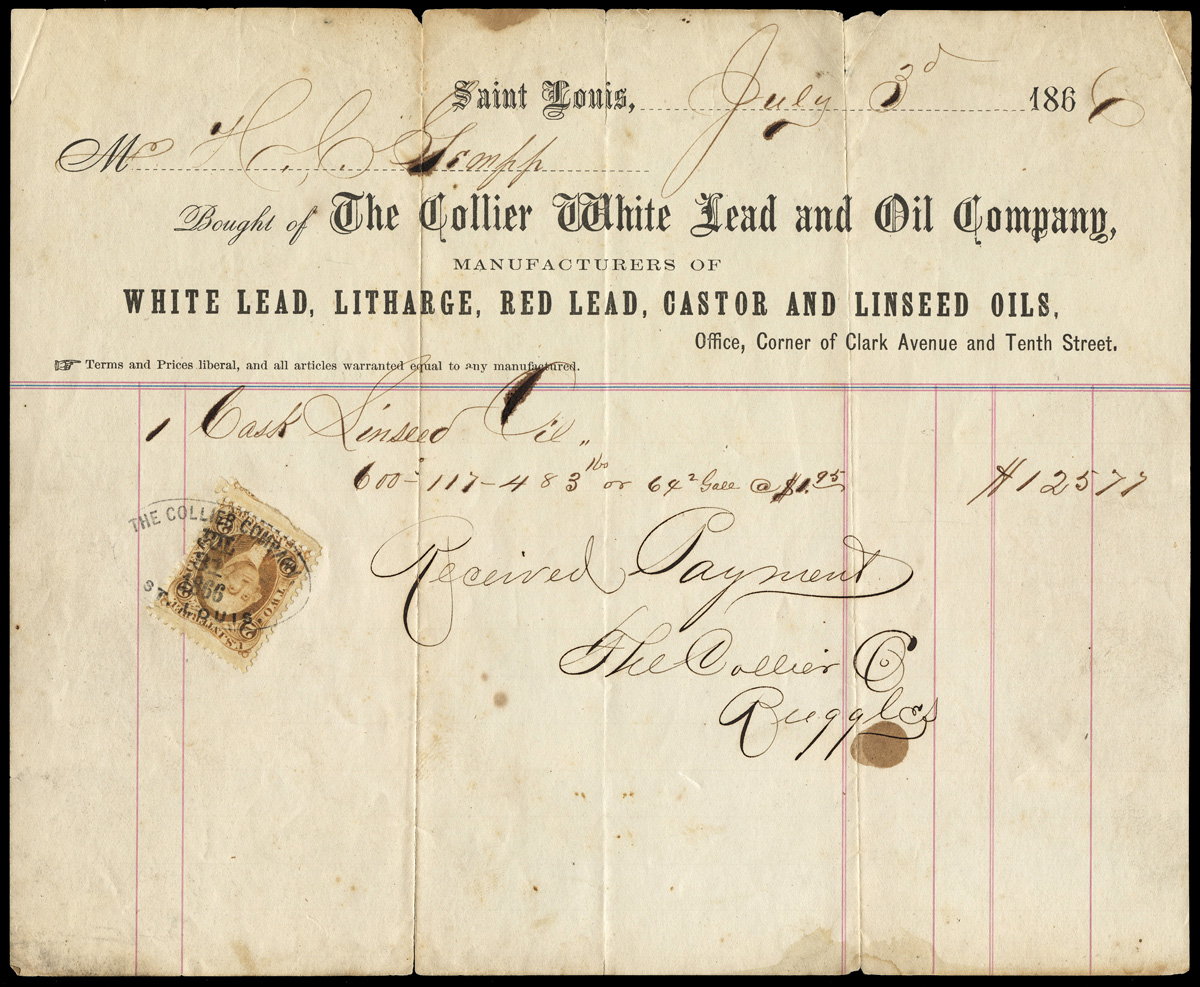
As examples, I used it on the two documents below. On the first, the document was completely split into two pieces, so I used the mending tissue to put it back together. On the second, I used it to "fill" portions of the cut and pierce cancels back into position; you can frequently "restore" pierce cancels, as the cancel, while making a hole in the document usually didn't remove paper but pushed it to the side. If you're careful, you can frequently unfold the edges of the cancel and restore the appearance of the document.





 Posted 12/11/2016 11:47 am