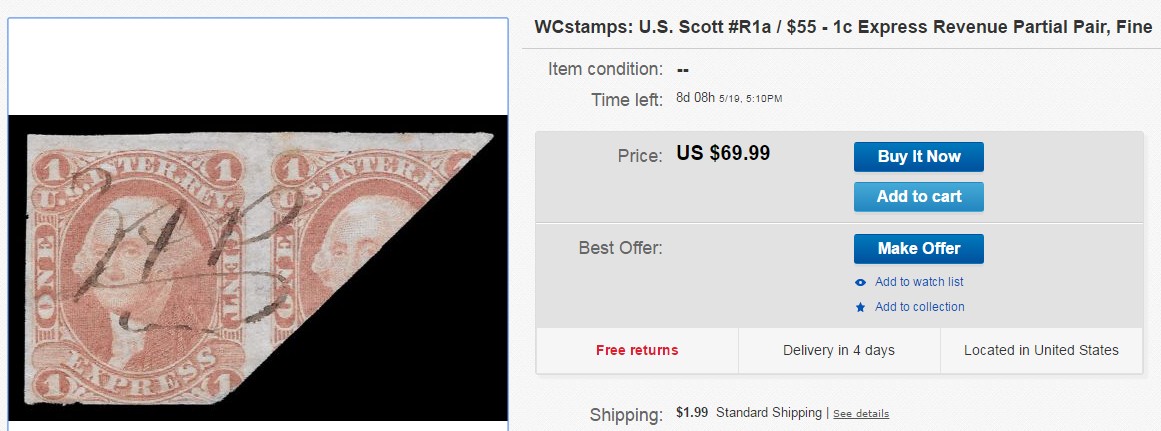
While the post began as a denouncement of the fraudulently "enhanced" revenue, and it is in the back of the book category, I'm more interested in the dialogue from the second page about the appropriateness of cutting up multiples. This doesn't apply just to revenues or 19th century stamps, either.
I started collecting, like most collectors, trying to "fill the spaces" of a series of Scott National albums. Somewhere along the way, I started looking at both unused and used stamps. That turned into looking for multiples larger than a block of four, which for most stamps seems pretty common, where the larger multiple isn't as easy to find. I also started looking at preproduction materials, such as proofs, essays and photographic essays. Then came the covers....
I am very uncomfortable with altering ANYTHING I obtain. I thoroughly enjoy this hobby and realize that many of the items I add to my collection are only available on the market because someone else DID NOT ALTER the item.
If you look back at covers from the 1930's, 40's and 50's, you'll see that collectors and dealers tended to use the earlier stamps which were the discount postage of the day. While the material from the 1940's and up is still plentiful, I can remember in the 1970's and 1980's when dealers and collectors thought nothing of using all the postage from the 1920's and 1930's on their mail. Then the prices for unused stamps for those eras started to creep up as the supply of available material started to dwindle.
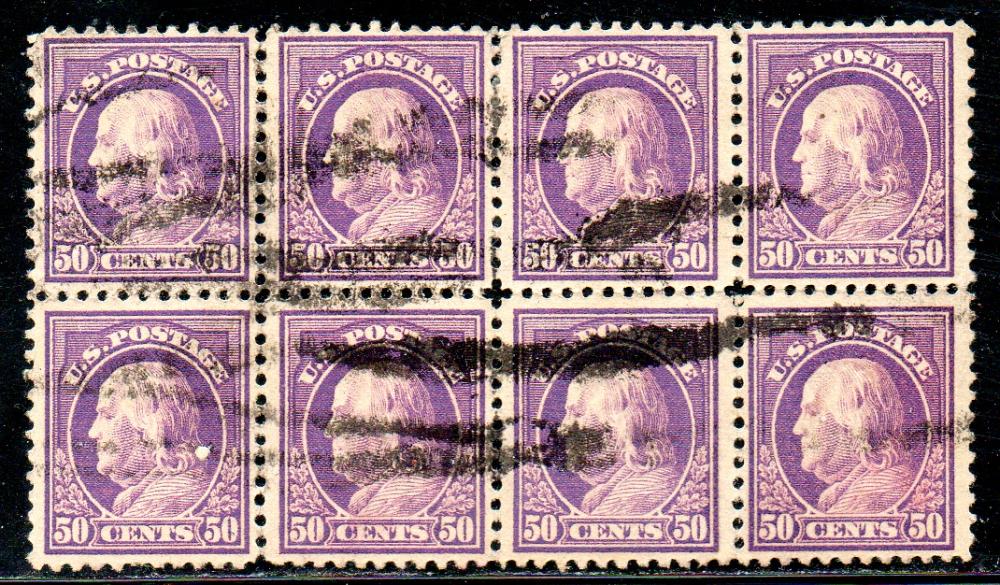
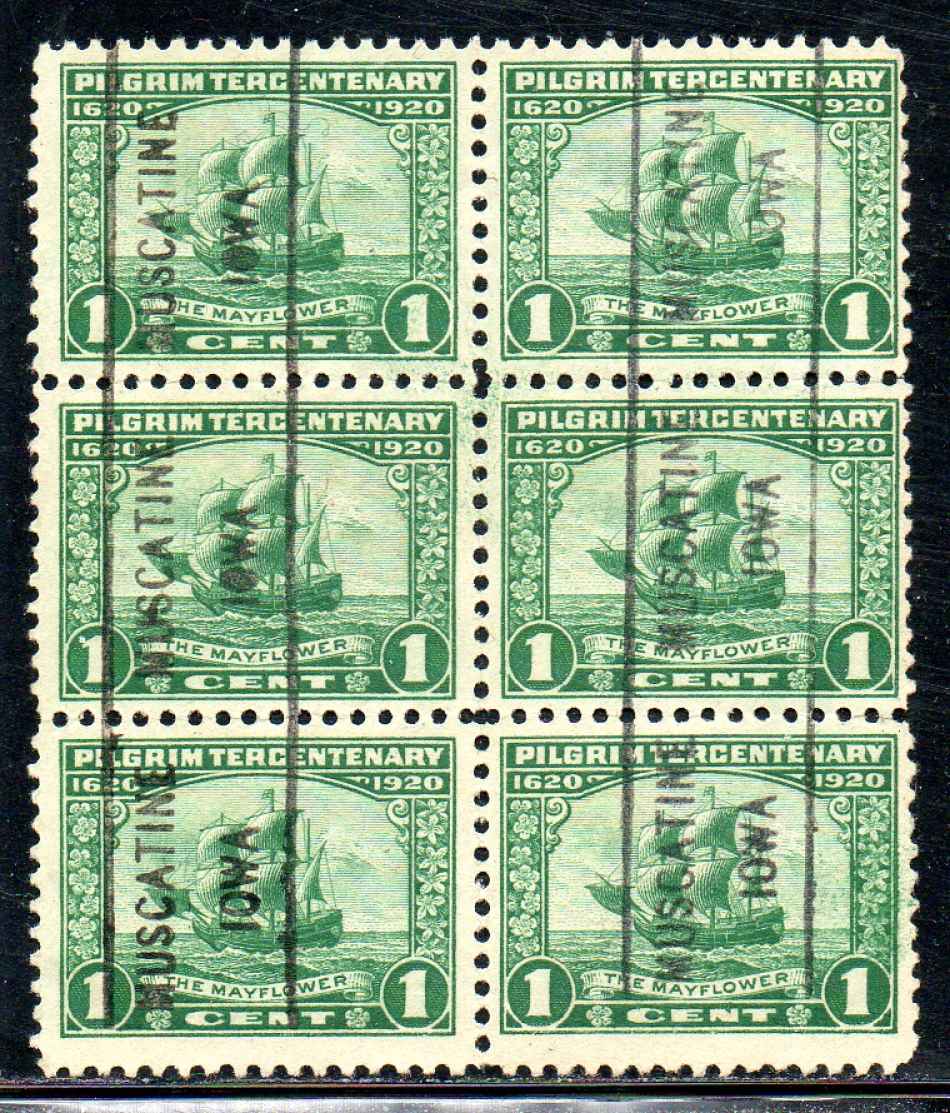
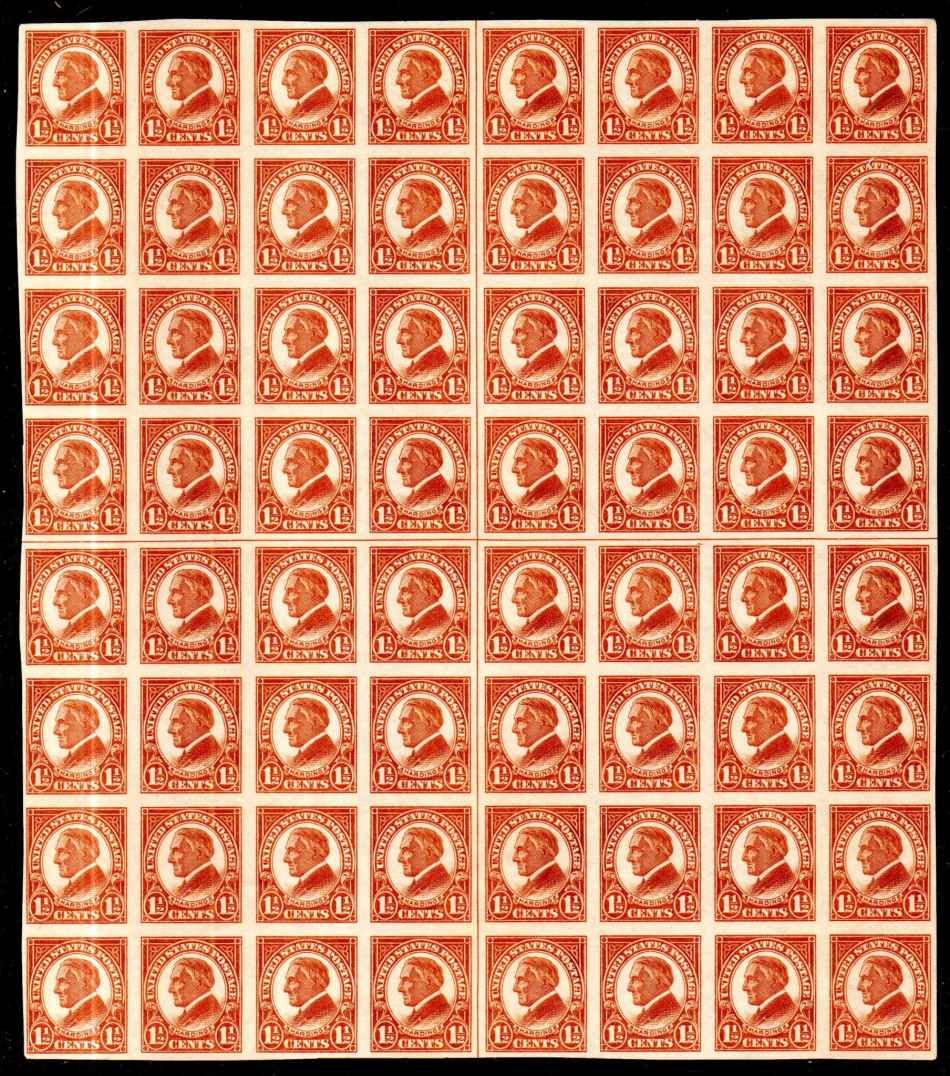
Who's to say that those blocks of 9, 12 or 16 which seem so common today won't be scarce in 50 to 100 years? I can't say whether they will or not, but it's my choice not to break up a large block just to get the one stamp in the middle from it. I'll leave that for the next collector who may not see the value in keeping the whole thing together for now.
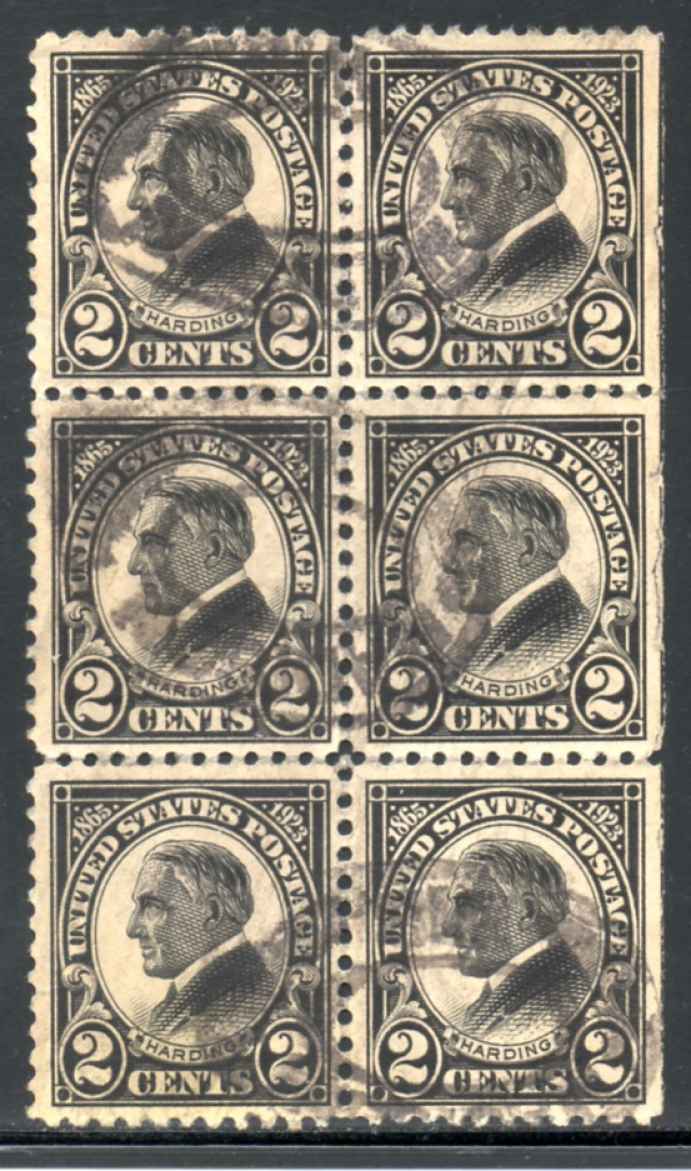
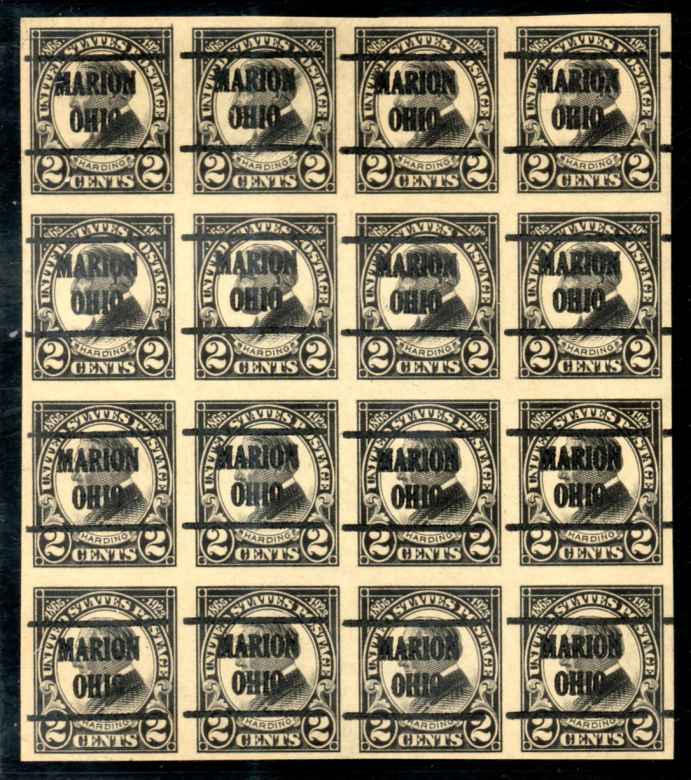
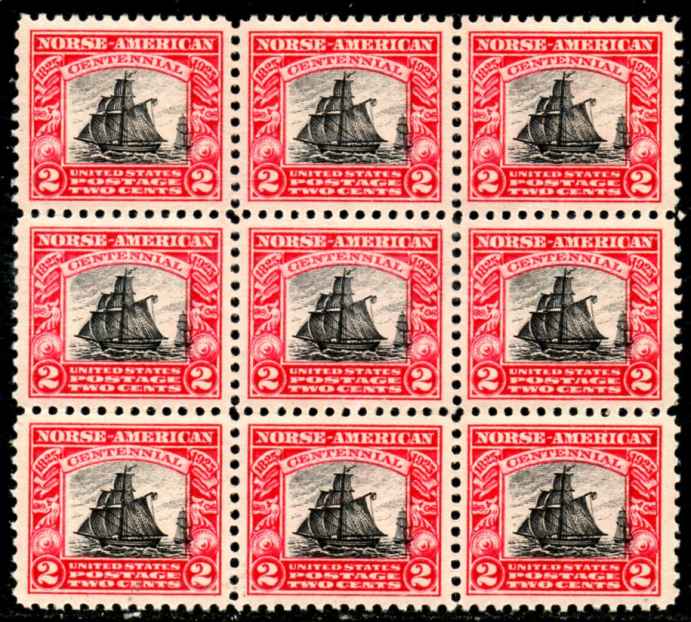
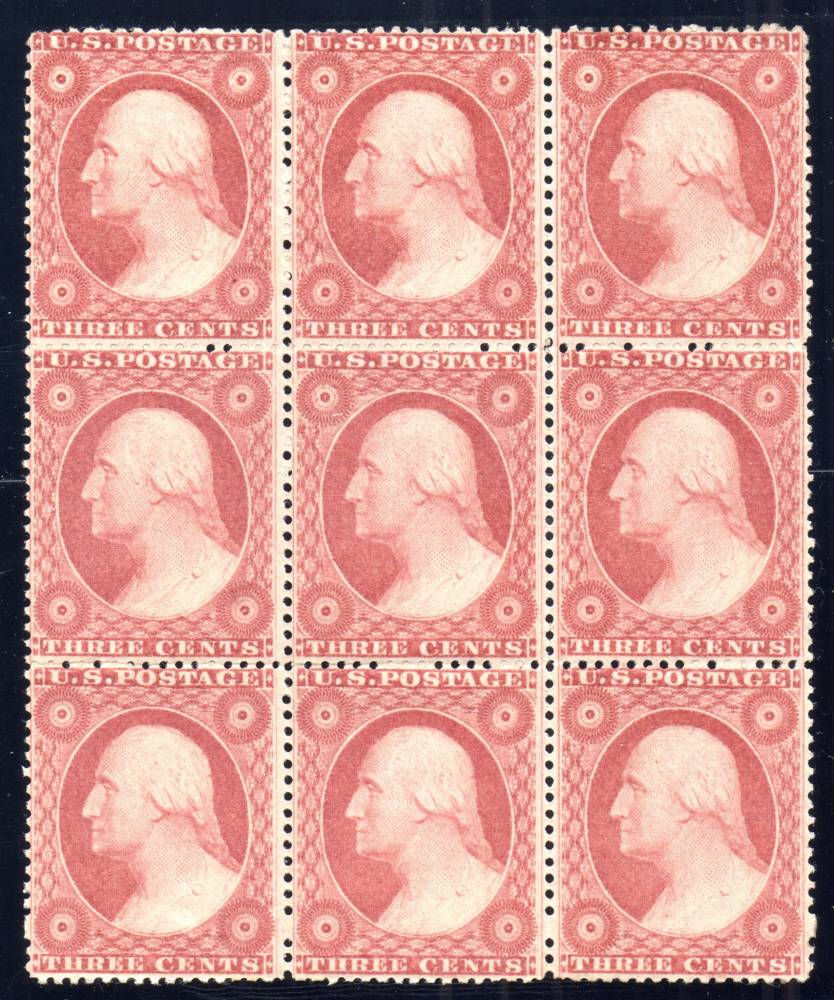
Here's a couple examples for your enjoyment:





 Posted 05/05/2017 07:59 am