Keep in mind the contextual evolution of the HPO, its 'roots' were RMS (railroad mail). The development of the HPO service was
heavily influenced by railroad politics. The HPO routes were also intimately tied to the railroad with stops often being in sync with star routes. As such,
schedules were highly defined and maintained.
The first three trips, all before WWII, were considered trial or test runs. The routes and vehicles were pre-defined and meant to better understand how to implement this new service.
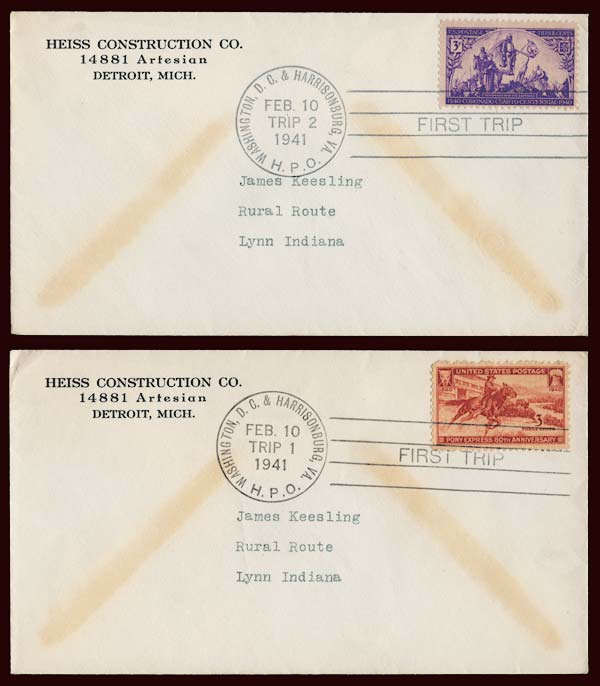
The first HPO trip, Washington DC to Harrisonburg VA on Feb. 10 1941, itself was a big event and the PO went to significant trouble to promote it, all mail it carried was 100% philatelic. Below is the route and stop map, this is one of the hundreds of trip routes maps for the new Stamp Smarter HPO online catalog; each stop is highlighted in green and the route is highlighted in yellow.

The first HPO trip was widely publicized in the Postal Bulletin and other philatelic press. The USPOD catered to collectors and specific instructions and other arrangements were in place to handle the flood of requested covers. With President Roosevelt's participation being covered by the Associated Press, there was little chance that 1941 stamps collectors were not aware of this new service.
School children along the route were excused from school to witness the bus as it passed through their communities.
The final count of the number of First Trip covers was 114,311 so these covers are common. I would disagree with John on his statement "there were no government-applied cachets for the early HPO routes - just the cancel."
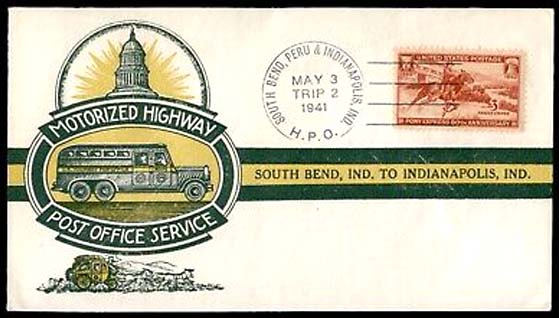
According to James Bruns this cachet is thought to have been prepared by the USPOD for distribution to dignitaries.

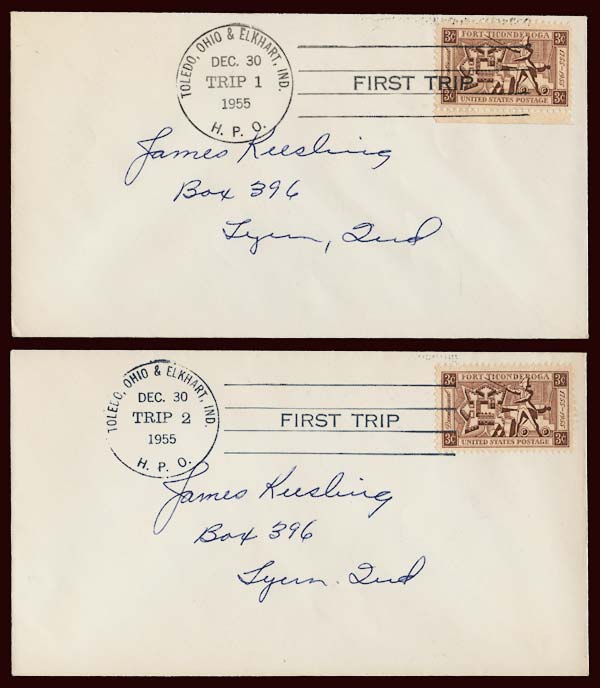
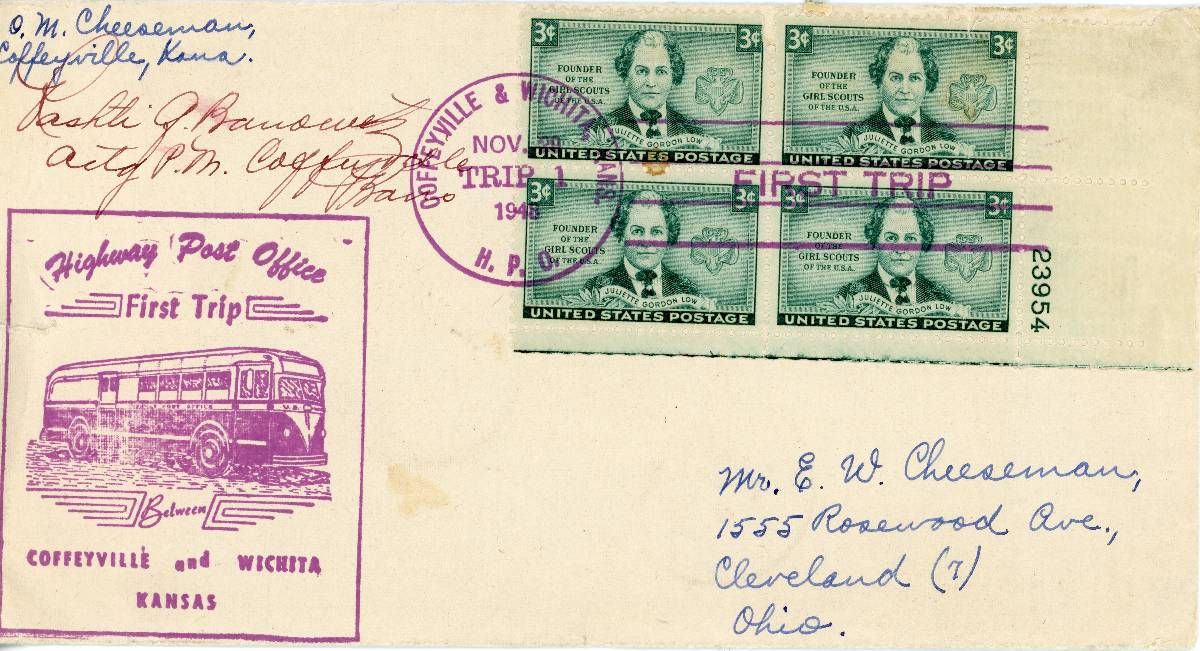
As the HPO service was expanded to eventually include over 400 additional routes in the coming decades; the PO maintained the 'First Trip' as a type of trial run so all the First Trip mail was philatelic.
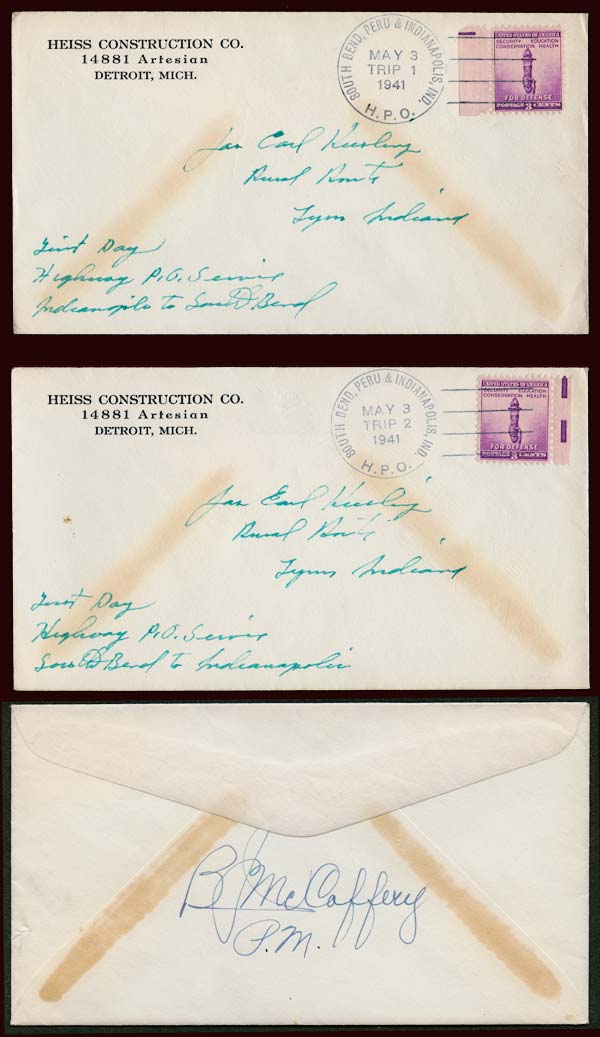
I have over 1000 HPO covers that are not First/Last Trip covers. Whether or not they could be counted as 'philatelic' would require research into each address/sender/receiver.
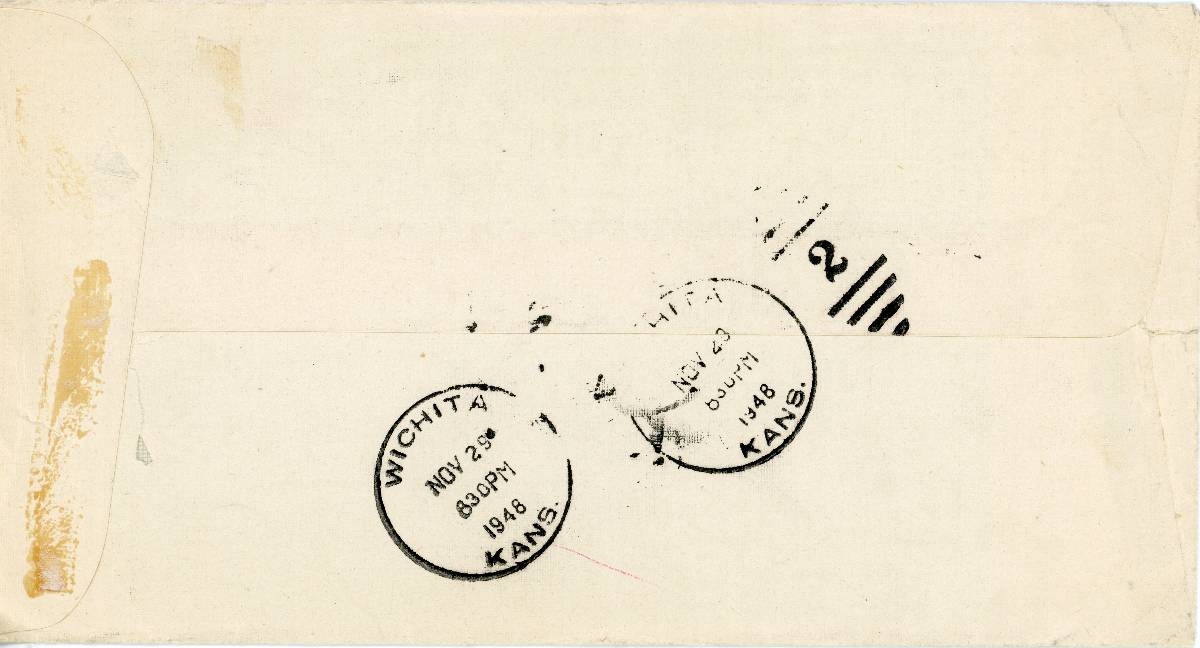
I am less sure about Last Trip protocol and if some non-philatelic mail could have been included. While I have some Last Trip covers with cachets, many are just plain envelopes. It can certainly be said that the Last Trips were often not held with the same fanfare as the First Trips. It is easy to overlook a Last Trip cover, today's collectors need to look for the date stamps on covers. For example, here are two covers (First and Last) from Route 17, Indianapolis and Vincennes established on 11/16/1948.


HPO are a fascinating part of US postal history and I hope the new Stamp Smarter HPO feature will increase awareness. Some HPO covers are very rare with less than a handful known; yet because there is currently little demand this is a challenging area of collecting that is still quite affordable. And unlike FDCs, these covers were not mass produced and actually traveled on a HPO vehicle.
Don





 Posted 04/27/2019 05:39 am