Focus:
Railways on Stamps
Locomotives on Stamps.
Sc#720 1976

Acknowledgement: Mr. Dhirubhai Mehta.
LOCOMOTIVES ON STAMPS
The Indian Postal Department released on May 15 1976 a set of four multicolour stamps with locomotives as a theme, in the denominations of 25, 50, 100 and 200 paise.
In Bombay, the stamps were released at the Indo-American Society at a very simple ceremony in which Mr. V. E. Arunachalam, P.M.G.; Mr. Ranganathan, general manager, Western Railway and philatelists participated. An exhibition of railway stamps was arranged by Mr. K. D. Dinshah.
Indigenous manufacture of locomotives was started on a small scale in the Railway Workshop at Jamalpur in 1889 and in the Ajmer Workshop in 1895. In the post-independence period, the first steam locomotive manufacturing unit was set up at Chittaranjan in 1950 and till 1972, 2,351 steam Locomotives were manufactured.
Chittaranjan unit started manufacture of electric locomotives in 1961. The Diesel Locomotive Works was started at Varanasi in January 1964. The railways in India have a fleet of 8,682 steam locomotives, 1,702 diesel
and 729 electric locomotives.
The stamps depict
Locomotive WDM2 (1963) on 25 paise,
F/l Metre Gauge Locomotive (1895) on 50 paise
This was the most widely used engine on railways before independence. The engine depicted on the stamp was manufactured in Ajmer in 1895.
WP-1 engine Broad Gauge Locomotive (1963) on 100 paise — This is the standard post-ward broad-gauge locomotive.
In 1963 manufacture of this type of engine was started at Chitaranjan Locomotive Works; and Locomotive GIF No. 1 (1853) on 200 paise stamp. This is representative of the earliest engine employed in India. This engine entered service in 1853 to operate the first public train service introduced on April 16, 1853 between Bombay and Thana.
All the stamps are horizontal in format, 50 in a sheet, printed on unwatermarked adhesive coated paper by photogravure process at the India Security Press.
The set of four stamps was originally scheduled for issue on April 2 1976. It was changed to 16 April 1976 to coincide perhaps with the date — April 16, 1853 when the railways were first put to commercial use, when a train with invitees left Bombay to Thana,a distance of 12 miles. According to the publicity literature, locomotives were in use in India earlier. On December 22, 1851, a small locomotive named "Thompson" started hauling some wagons during the construction of Solani Aqueduct near Roorkee.
RAILWAYS AND STAMPS
To commemorate the centenary of the inauguration of the railways in India which improved the means of communications for trade, commerce and the communications, a 2As grey postage stamp was issued on April 16, 1953. The stamp had a traditional design of the old and the new. A special first day cancellation was used which had a design — a circle showing railway track.
Since the stamp was grey in colour, the black ink to deface the stamp was not found satisfactory and therefore at different places different colour inks purple, green and red were used. Black ink was also used at some places. In 1953, India Railways held an extensive Centenary Exhibition in New Delhi when the Railway Centenary P.O. used a special cancellation circular in design reading "Railway Centenary Exhibition 1853-1953."
The design of two engines depicted on the Railway centenary stamp was based on the photograph supplied by the Indian P. & T. Dept. The engine depicted on the left is the old and the one on the right "W.P. class engine,
put on line in 1945-50."
India is credited with a few stamps with railways as a theme or part of the design. The 4As value on the "Transport" definitive of 1937 depicted a mail train. A steam engine hauling the train running a great "speed" is shown. This stamp is also based on a photograph supplied by the P. & T. Dept. viz., "E.7 Imperial Indian Mail.'"
The 1954 stamp centenary issue depicted the Railway/the railway engine on the stamp as the carrier of mail.
The theme for the stamp centenary was "modes of carriage of mail," and the 4 As value depicted a train as a means of transport with the cycle rider, the railway and the airplane. It depicted an engine hauled train as a part
of the design. The eight anna denomination in the five year plan (Jan. 1955) depicted a steam locomotive in the Chitranjan Locomotive Works.
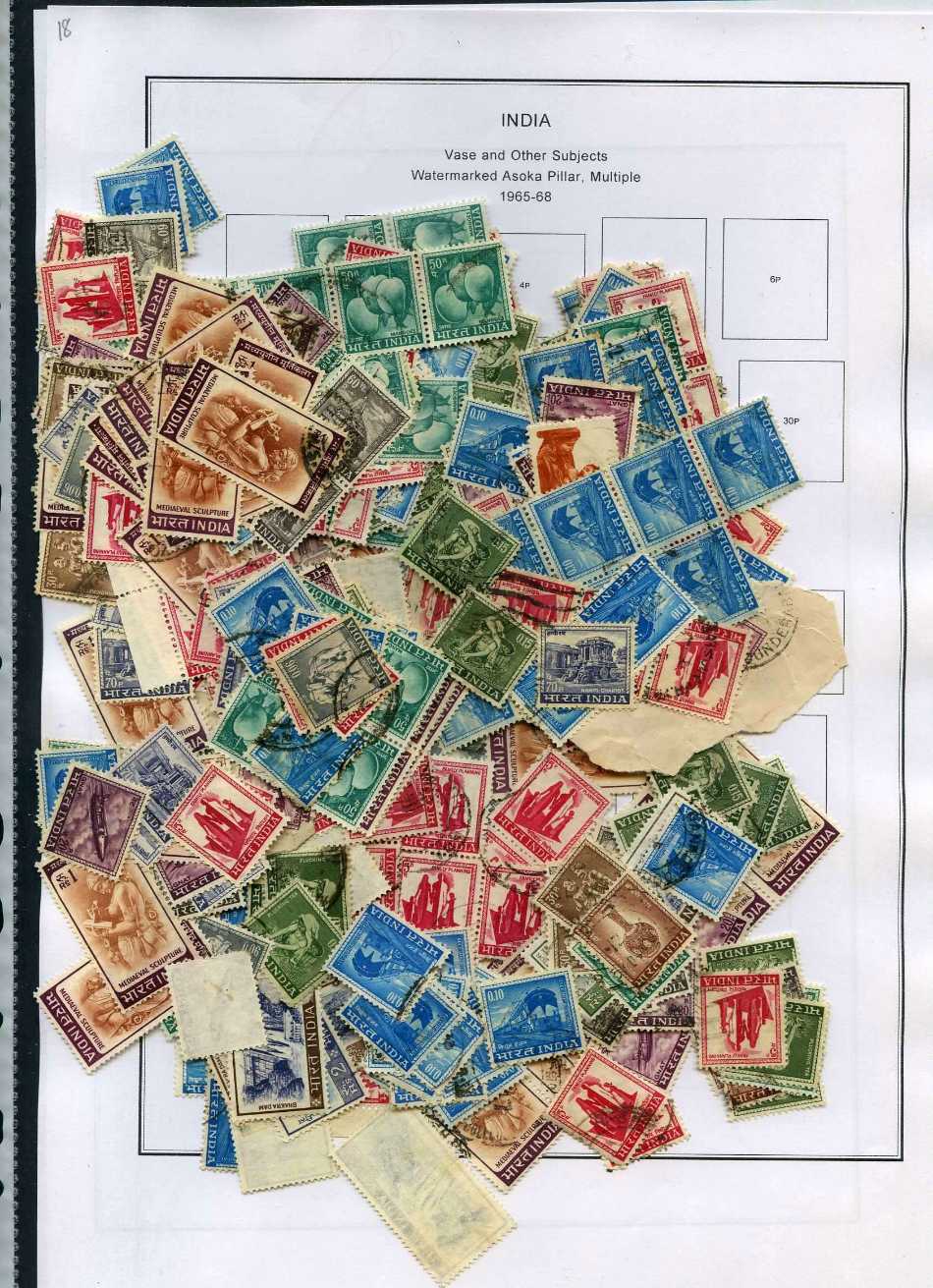
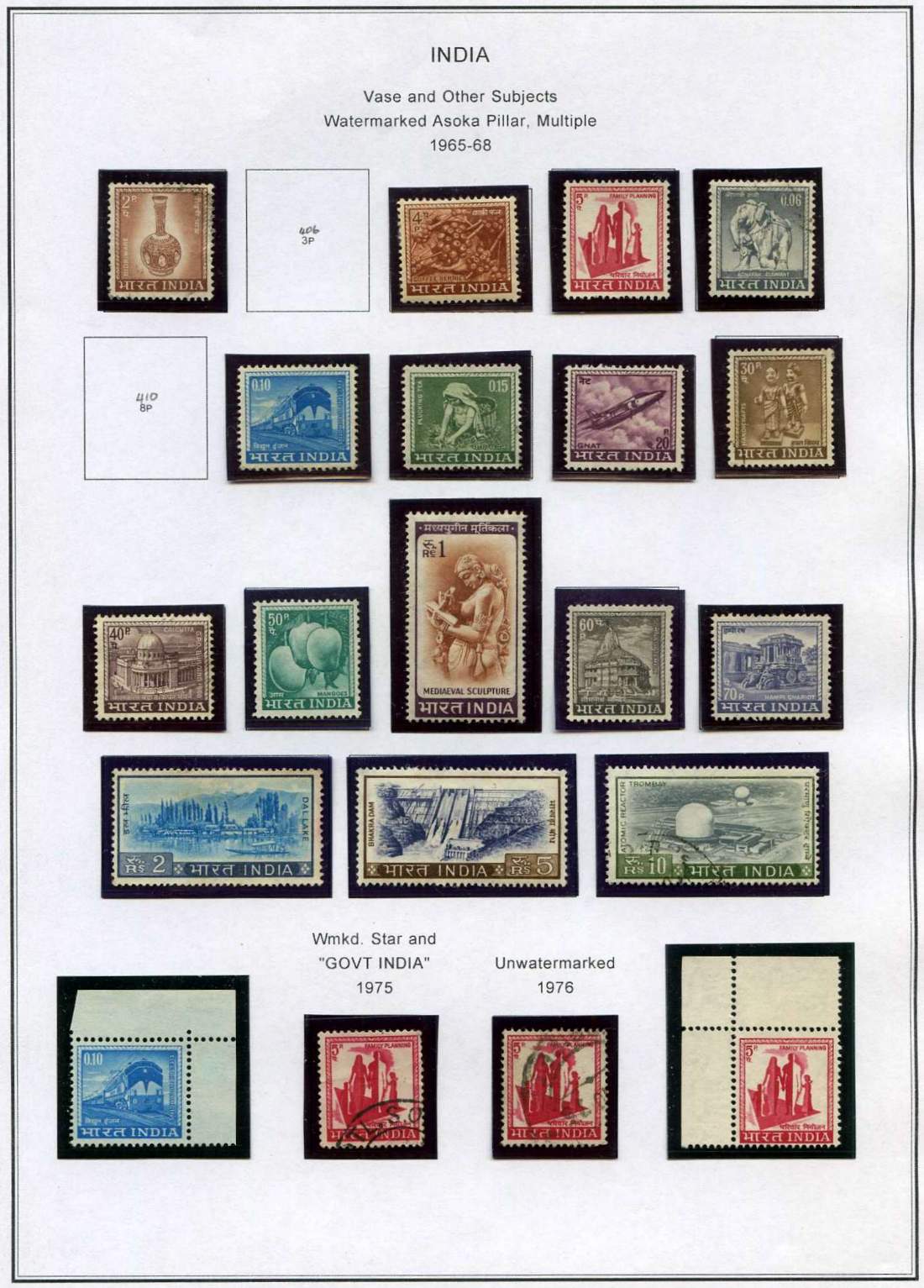
The lOp. denomination in the 1965-68 definitive had an electric engine as the design of the stamp. It depicted an electric locomotive hauling a train. Here also the design was based on a photograph supplied by the P. & T.
Directorate.
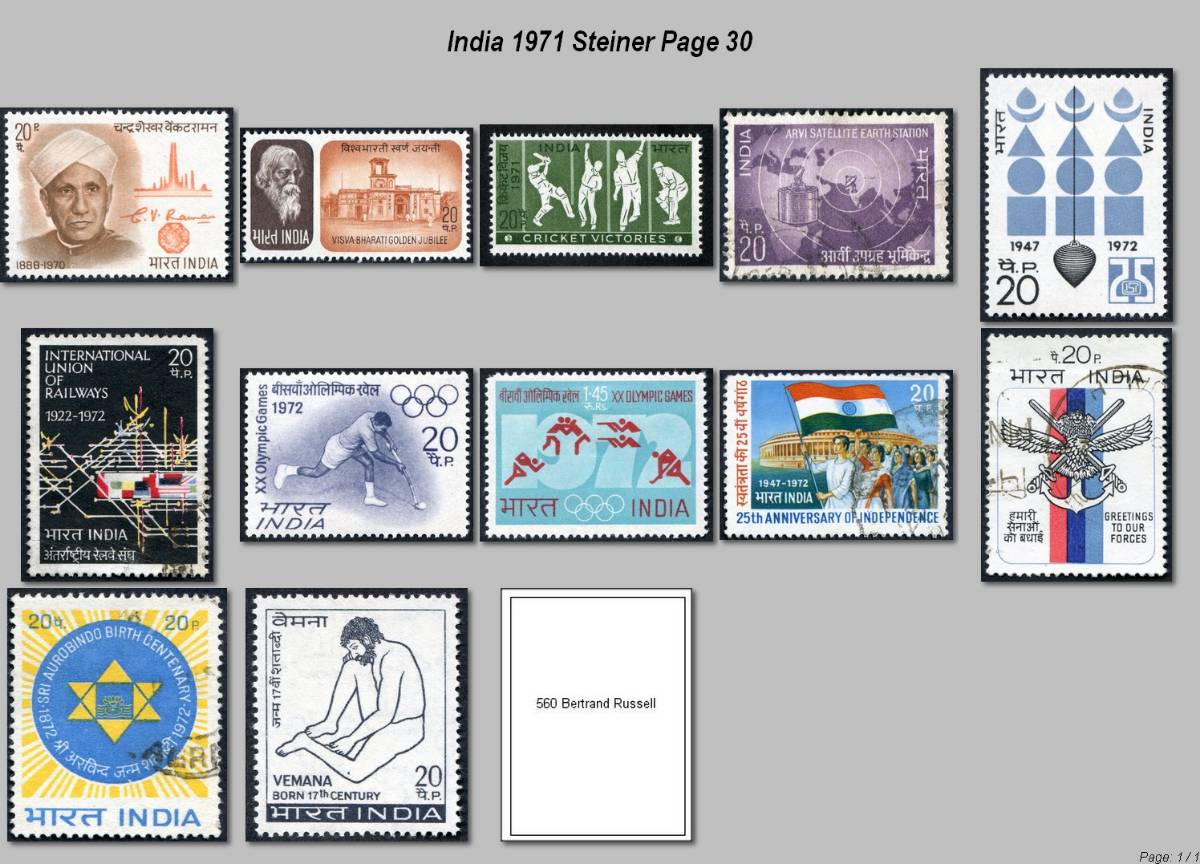
To mark the 50th anniversary of the International Railways Union, a 20p. multicolour stamp was issued depicting the completed track crossing based on a poster design.
The locomotive stamps bearing the RAILWAY NILAYAM P.O. pictorial cancellation was provided by the Sub-Postmaster, Rail Nilayam Post Office, Seconderabad 500371. COPEX-75 held in 1975 had a special
cancellation depicting the railway engine.





 Posted 01/25/2020 12:10 am