| Author |
 Replies: 538 / Views: 49,760 Replies: 538 / Views: 49,760 |
|
|
|
Moderator

United States
5109 Posts |
|
|
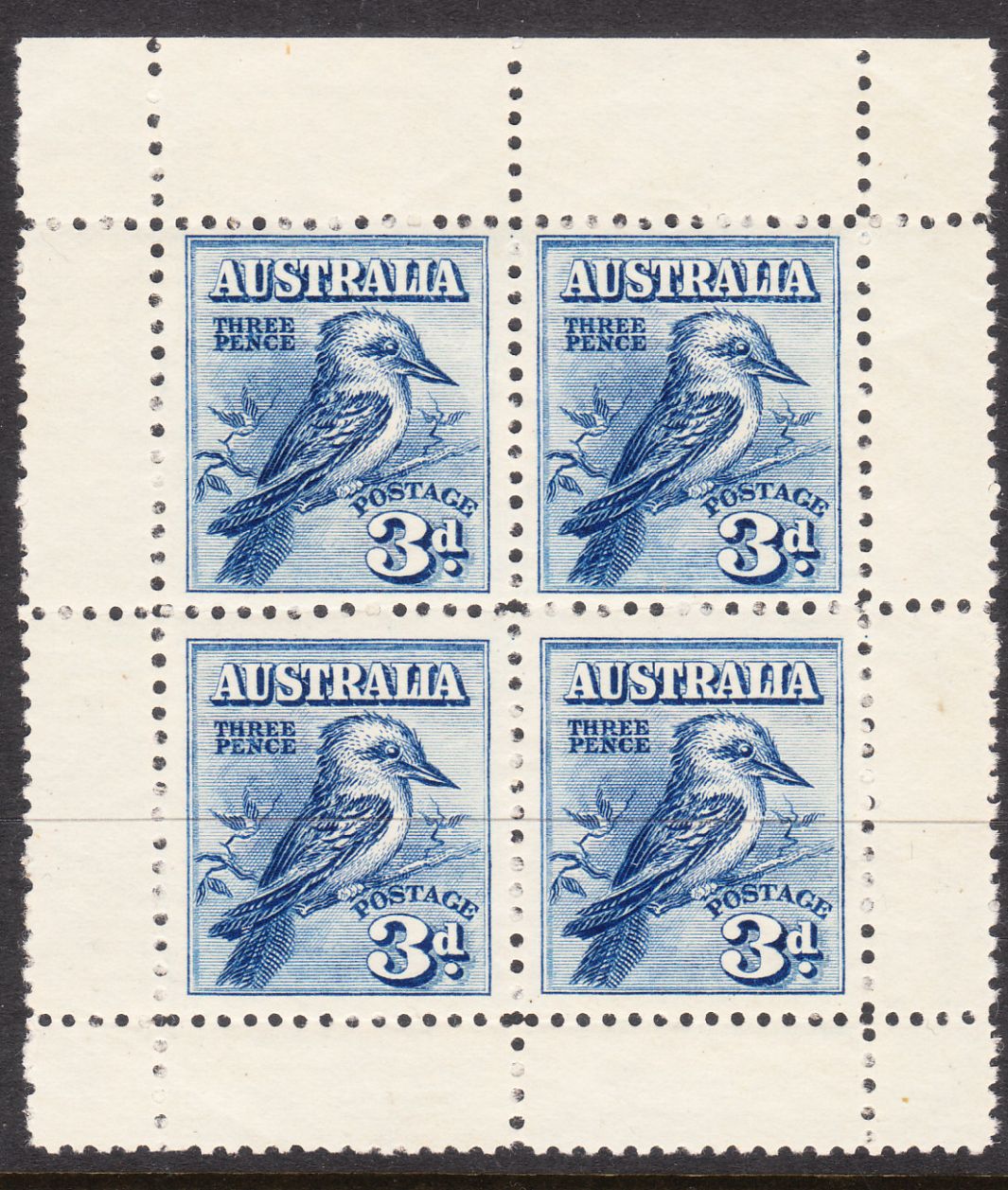
Frank and Rod ... thanks for the discussion and link to Kellow's description. As a fly specker, I look for the scribe lines, which sometimes tend to point to a positive dot. As it turns out, there is an open ebay lot at https://www.ebay.com/itm/373862937773 that shows the exact same perforation dot and guide line in the upper right stamp in this block. 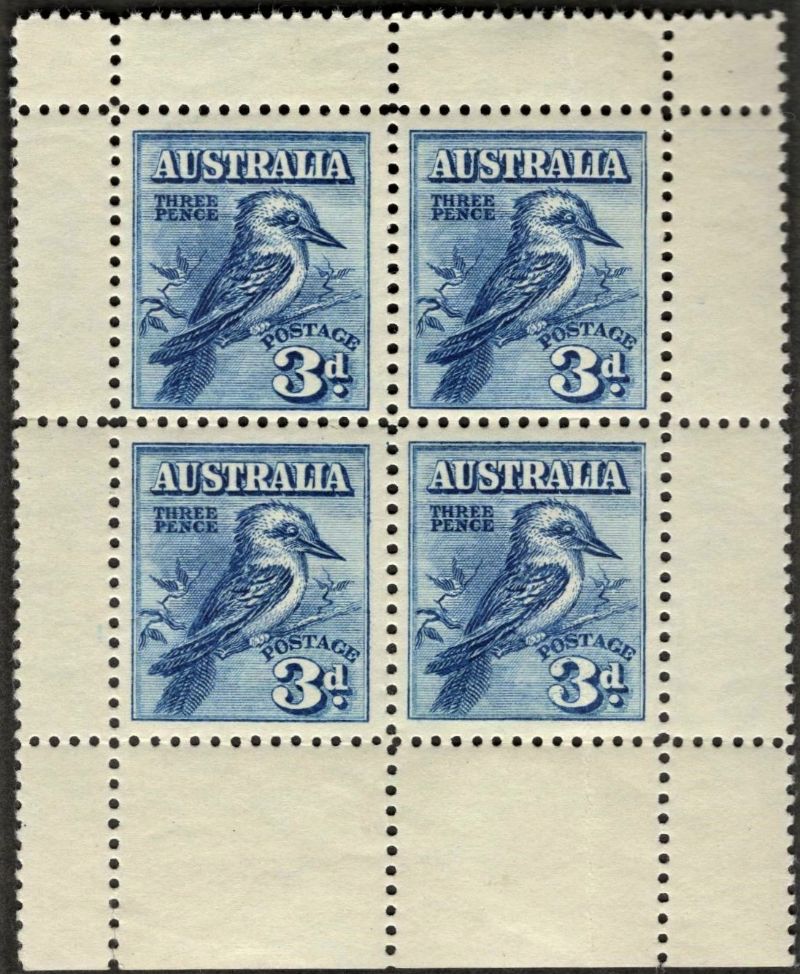 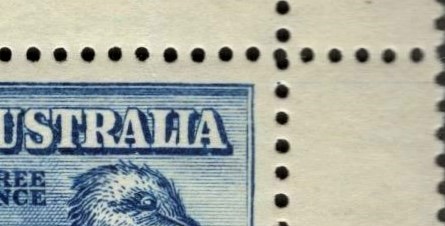 |
Send note to Staff 
|
| Edited by Partime - 02/16/2022 11:02 am |
|
|
Bedrock Of The Community
Australia
38679 Posts |
|
|
Nice flyspecking,
I had never noticed that prior.
'I find it a strange place to put a perforation guide,
I would have thought in the selvedge.
I am still slightly circumspect.
|
|
Send note to Staff
|
| Edited by rod222 - 02/16/2022 5:01 pm |
|
|
Pillar Of The Community
Australia
898 Posts |
|
|
Bedrock Of The Community
Australia
38679 Posts |
|
|
Valued Member
Australia
156 Posts |
|
|
rod222
Will you please provide a source for the article on perforation guide pips.
Regards
Frank |
|
Send note to Staff
|
|
|
Bedrock Of The Community
Australia
38679 Posts |
|
|
Quote:
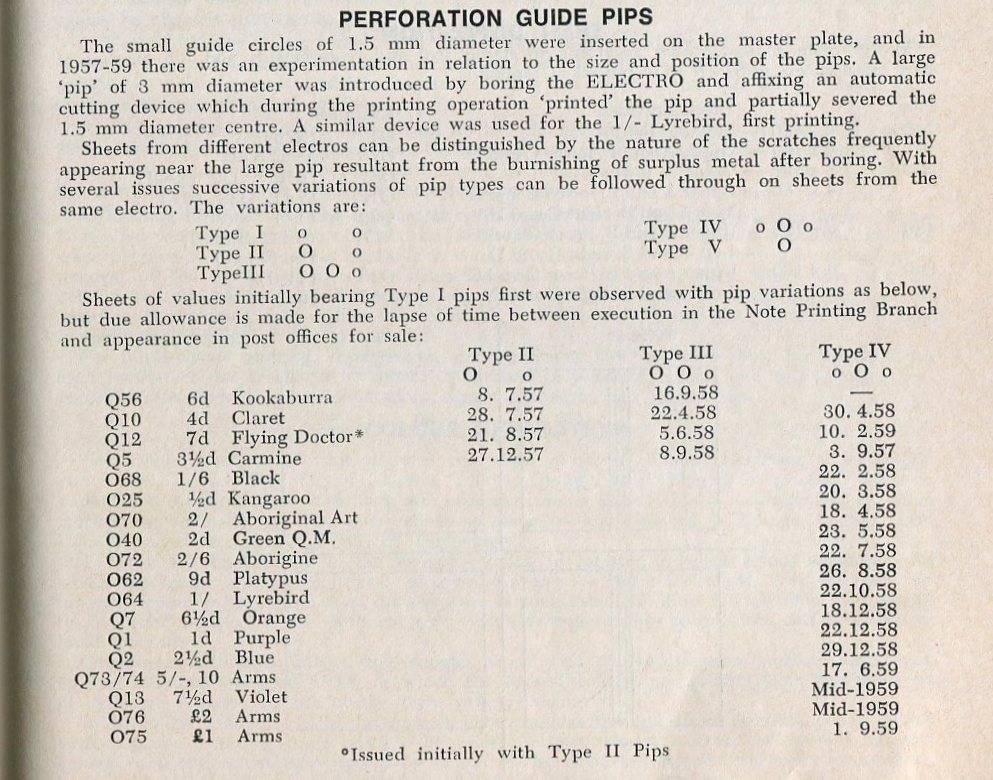
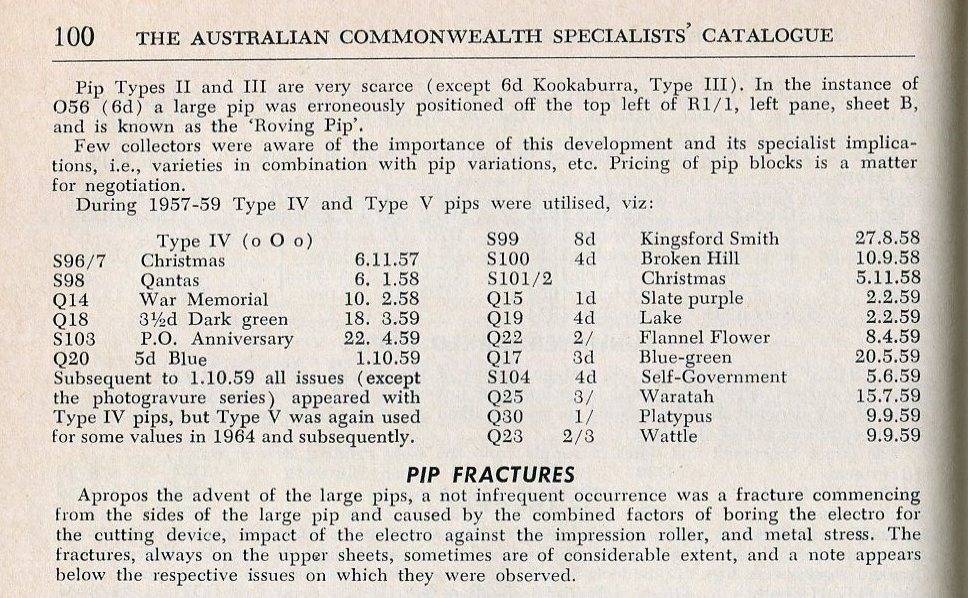
Will you please provide a source for the article on perforation guide pips. Not really sure Frank, ACSC early, I took those scans a few years back when I was studying the pips. ACSC 1974 Perhaps? However, I can give you a later update from 1980 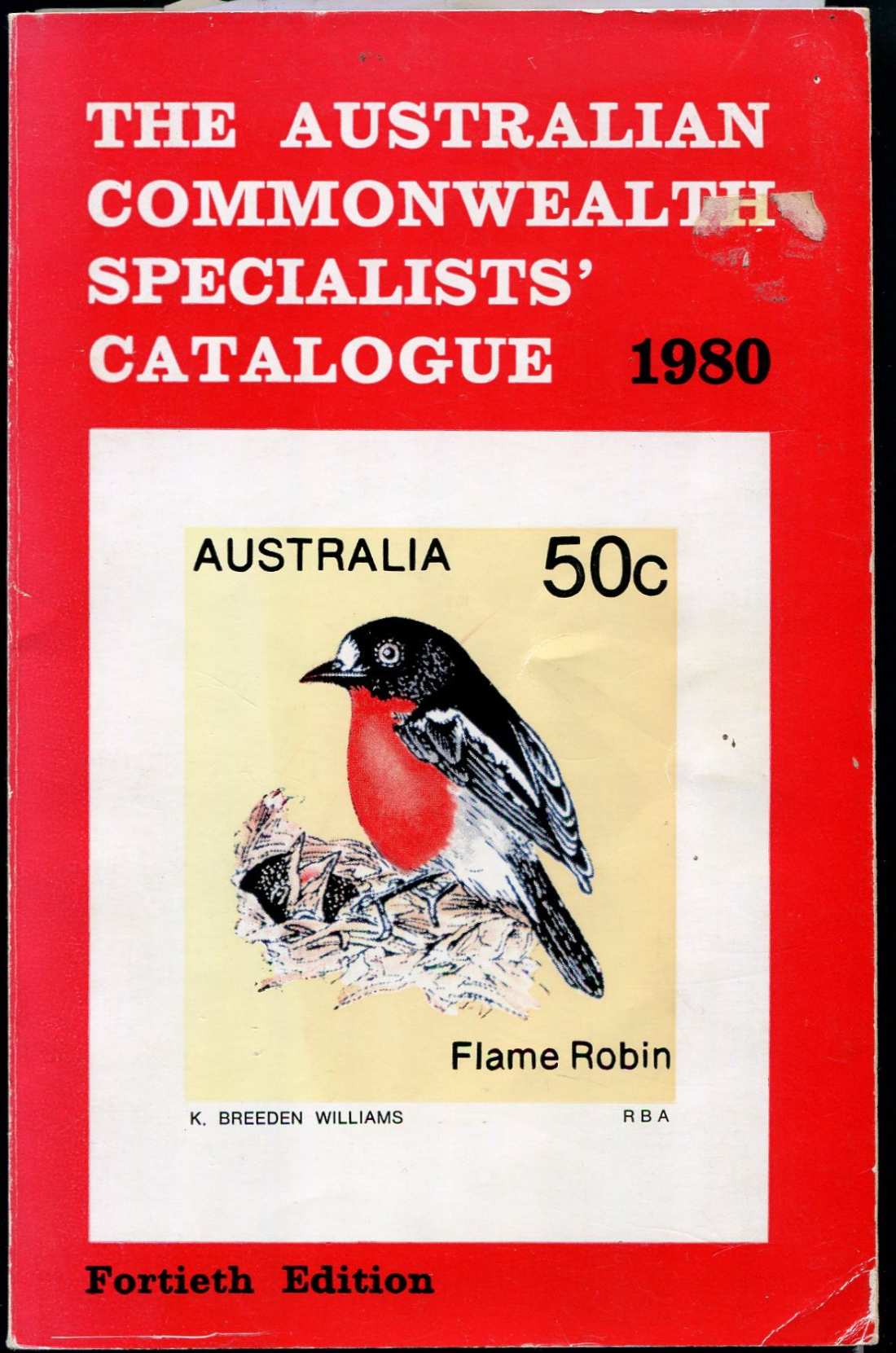 Page/s 99 and 100 Page/s 99 and 100
  |
|
Send note to Staff
|
| Edited by rod222 - 02/17/2022 05:08 am |
|
|
Moderator
United States
5109 Posts |
|
|
Valued Member
Australia
156 Posts |
|
|
rod222
The problem with the perforation pip guides you are quoting is that they are from a different era.
The guide relates to 1956/59 production on rotary machines which were not introduced until 1934.
The kookaburra posted above was printed for the Melbourne Exhibition in 1928 using older machines and different layouts.
Regards
Frank |
|
Send note to Staff
|
|
|
Bedrock Of The Community
Australia
38679 Posts |
|
|
Quote:
The problem with the perforation pip guides you are quoting is that they are from a different era.
I am accepting (and have accepted the identity) and understand the perforation guide. If you care to read again, I was just stating what I intially thought they were. I wasn't using the ACSC as proof of an opinion. You are taking me out of context As usual, I have trouble dealing with you. I feel I have wasted my time, going to the trouble of offering you time spent scanning etc. My last dealing with you. |
|
Send note to Staff
|
|
|
Moderator
United States
5109 Posts |
|
|
Pillar Of The Community
Australia
4034 Posts |
|
|
There is that flavour creeping in again. It belongs elsewhere.
This forum has a friendly flavour that is worth keeping in place. |
|
Send note to Staff
|
|
|
Pillar Of The Community
United States
8956 Posts |
|
|
Rod, I have read your explanation of the dot on the blue three pence bird. I am not familiar with Australian stamps that much, but the dot looks like a "Lay-Out Marker" to me, especially since there is also a very thin line there. On the stamps that I collect, the American Transportation Coil series these lines and dots were used to position the individual images in the correct place and were supposed to be removed.
Peter |
|
Send note to Staff
|
| Edited by Petert4522 - 03/16/2022 9:48 pm |
|
|
Bedrock Of The Community
Australia
38679 Posts |
|
|
Hi Peter,
I am very much inclined to agree with you.
I am circumspect to the arguments put forward.
I agree that it (to me) is definitely not a "Plate dot"
Those, I am used too seeing an Engineer's pin punch in the "Jubilee line"
To see such a tiny dot as a reference to a perforation guide seems to me to be absurd, but, as said before, I am willing to accept that
from the supplied authorship of Kellow.
That does not preclude me from still remaining circumspect,
at the moment, it is in the "too hard basket"
To convince me either way, I'd like to see it in print. |
|
Send note to Staff
|
| Edited by rod222 - 03/16/2022 10:30 pm |
|
|
Bedrock Of The Community
Australia
38679 Posts |
|
|
Quote:
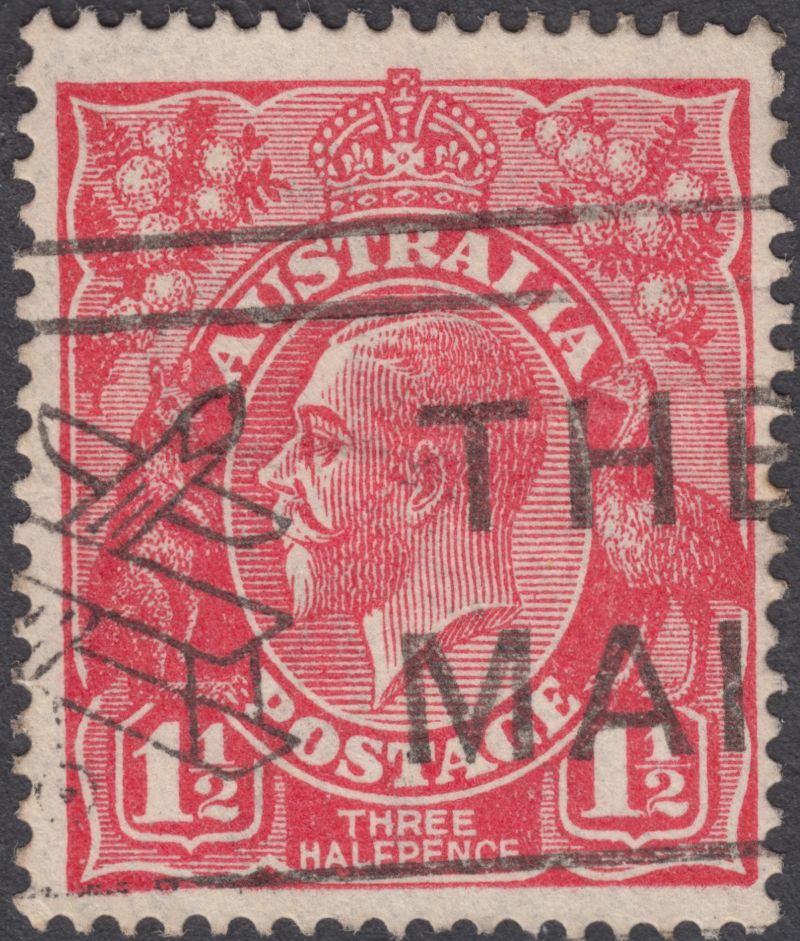
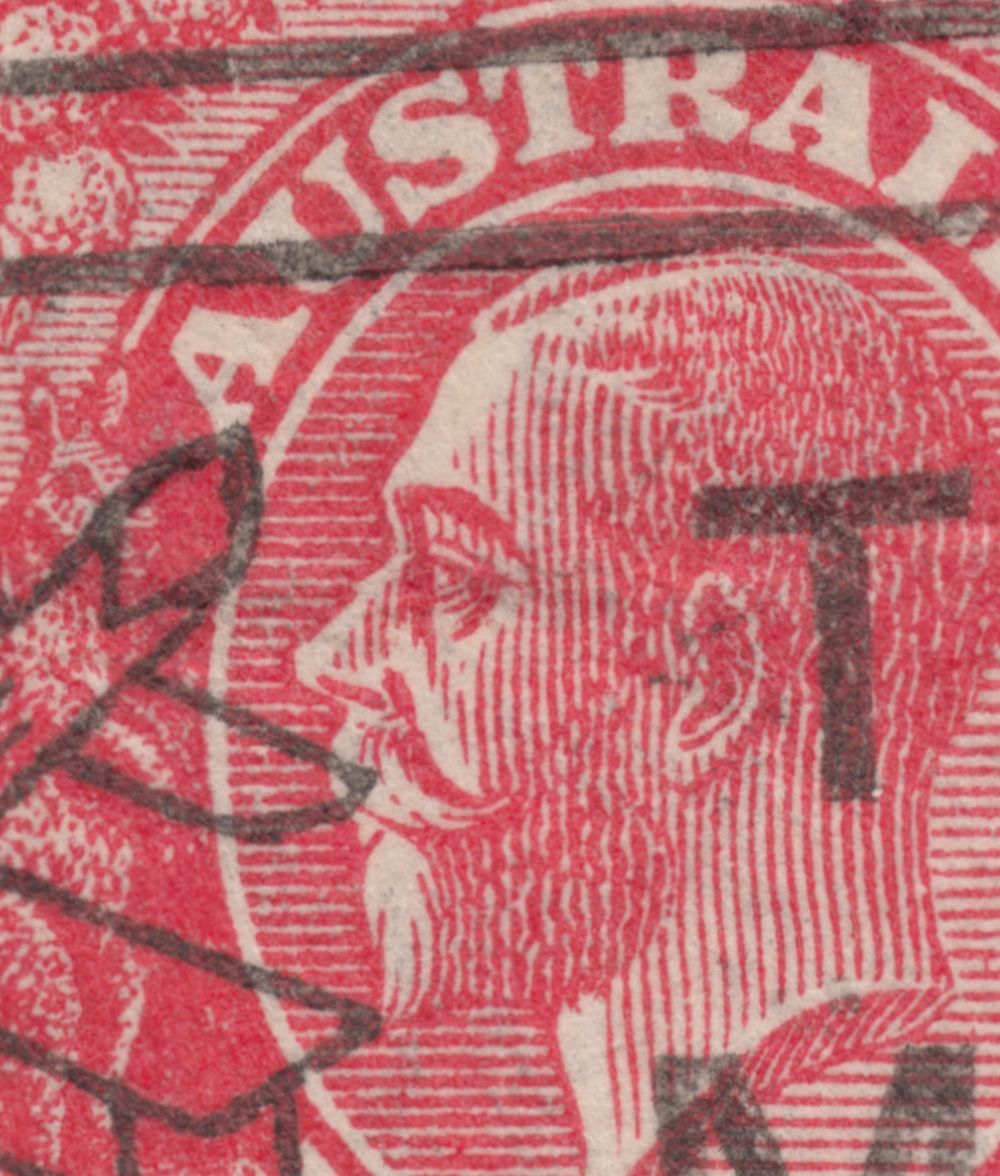
This is ACSC 89, with what appears to be a "roman nose", but probably just a small spot of missing ink. Looked through my 200 or so, nothing similar. George's nose, and its outline vary widely, from the white lines going right up to the nose, to, very thick outlines of shading, suggesting there was a common failure in this area. Perhaps yours is an early EFO, that warranted repair ? I have not seen the "Roman Nose" issue to compare. |
|
Send note to Staff
|
|
|
Moderator
United States
5109 Posts |
|
|
Just picked up in a small box lot today. This is Scott 194, ACSC 230. It's a block of 4 with 3 of the stamps clearly showing what ACSC lists as 230f, "Line Prolonged under AGE of POSTAGE". 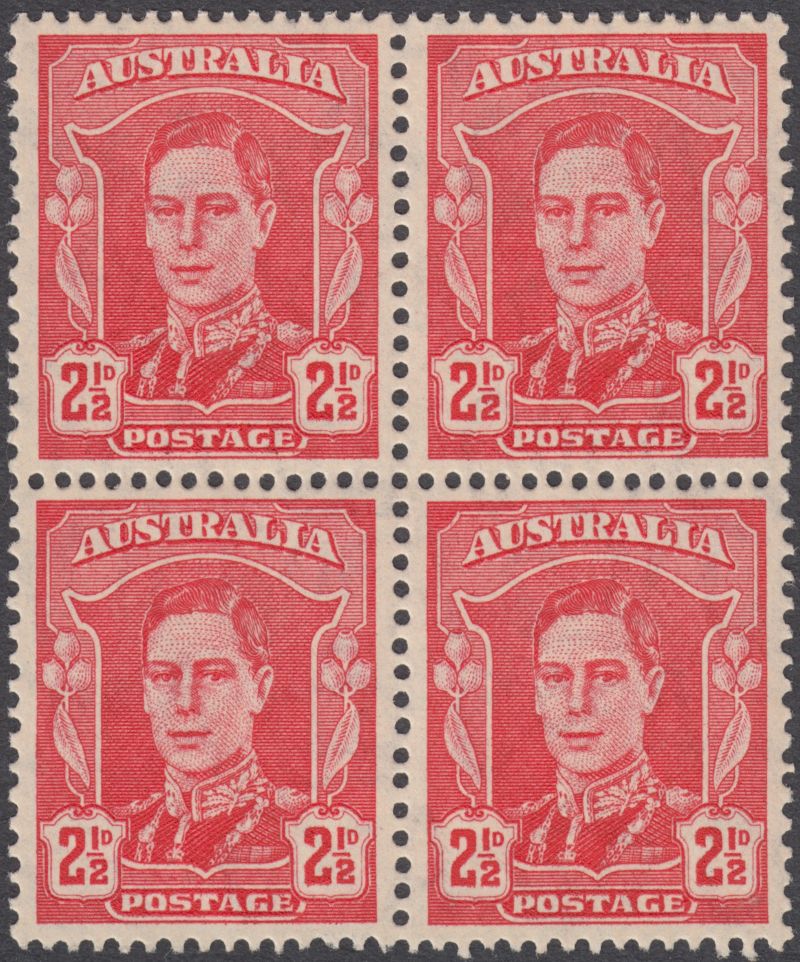 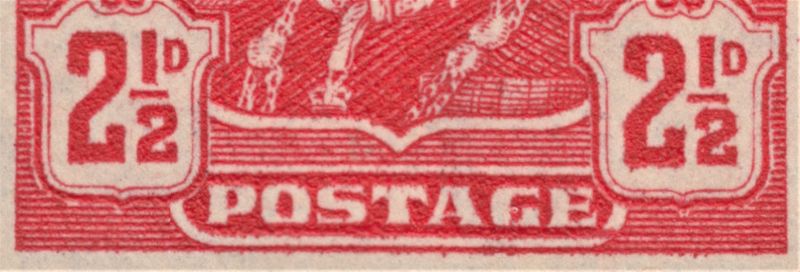 According to ACSC, "Line prolonged under AGE is not a constant plate flaw. It was found on the lower rows of many sheets and also in booklet stamps, and is the result of the action of the impression roller over an area of the rolled-in impressions in which the depth of engraving was too deep to hold the ink." A nice piece that will look good on it's own page. |
|
Send note to Staff
|
|
|
Replies: 538 / Views: 49,760 |
|




 Posted 02/16/2022 10:53 am