| Author |
 Replies: 35 / Views: 9,782 Replies: 35 / Views: 9,782 |
|
Moderator

United States
4788 Posts |
|
|
|
I've noticed that a lot of new members don't understand the distinction between the U.S Classic and U.S Modern areas of the forum. That's OK. They're new and they will learn in time. We all did.
But that led to me questioning my own definition:
I think of the Classic Era as 1840-1940, the first 100 years, and Modern Era as anything after that.
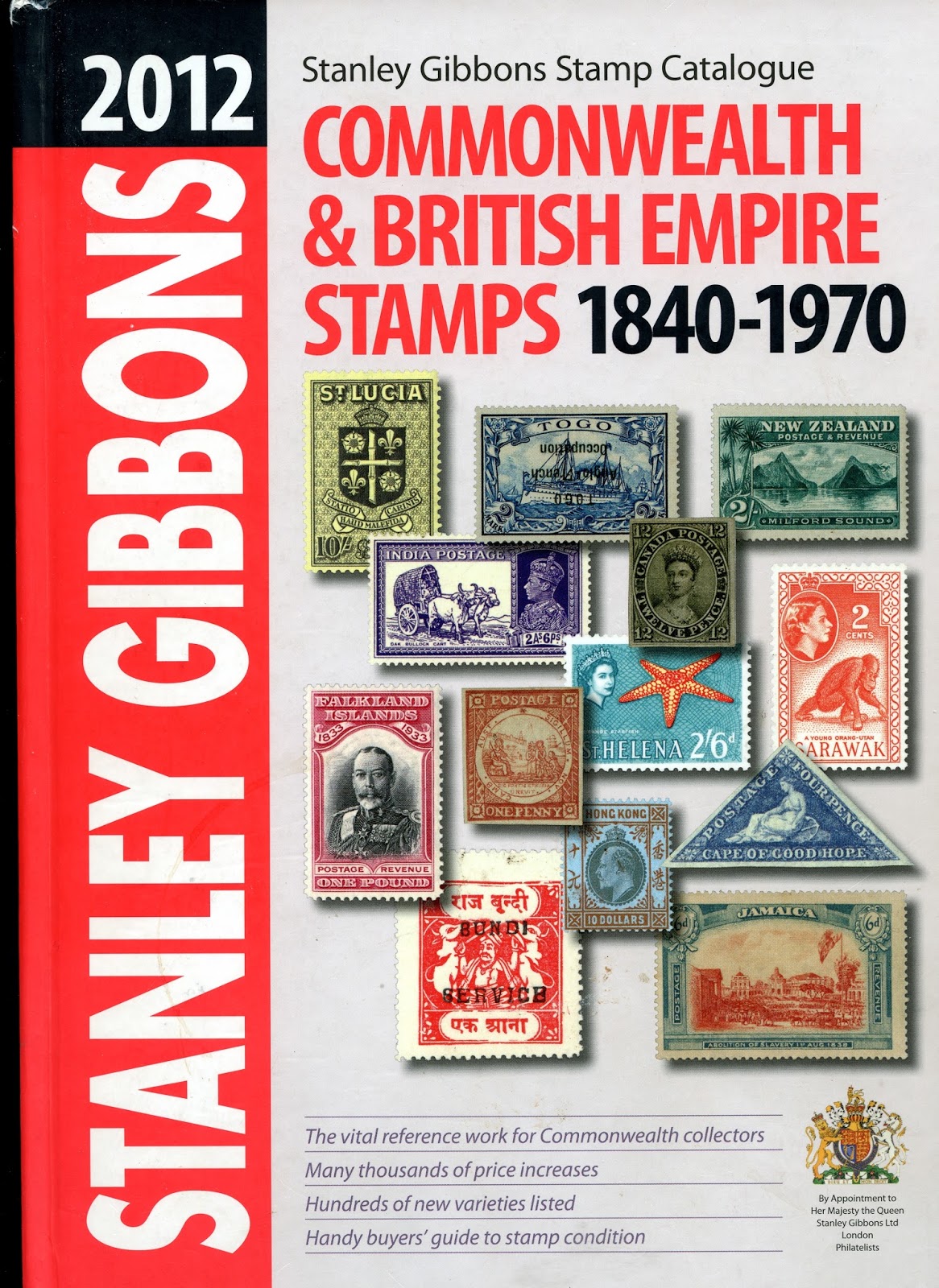
I am aware that other people vary the end date forward to 1950 or even 1970 (for Commonwealth issues).
So, I'm interested in your opinion. What date do you consider to be the end of the Classic Era?
KirkS
|
|
Send note to Staff
|
|
|
|
|
Bedrock Of The Community
United States
10837 Posts |
|
|
Classic used to be up to 1900. At this point it might be 1920, but not later. Of course there are collectors who think the classic era ended as soon as perforations made their appearance. |
Send note to Staff 
|
|
|
Pillar Of The Community
United States
2230 Posts |
|
|
I would say the classic era of U.S. stamps ended with the 1901-1902 definitive series. After that, U.S. stamps more and more were produced to cater to collectors. Mint stamps from the 1930s are being used as postage today as a result of over-production and hoarding. |
|
Send note to Staff
|
|
|
Pillar Of The Community
United States
2830 Posts |
|
|
For Commonwealth, I think of the classic period ended in 1936 though one could argue to extend that period to 1952. Folks who consider themselves collectors of classic Commonwealth often do not bother with KGVI (too modern!), much less QE2. Kind of the way George Holschauer defines his market focus.
For QE2, there is a bias with most dealers towards the recess-printed issues that mostly ended by 1960. I guess this is catering to the marketplace, which of course is a good strategy. But I agree with Kirks that QE2 collecting (including catalog coverage) should cover up to at least 1970 and perhaps even 1980 as many definitives from this period were reprinted with multiple perf and watermark varieties. I miss the days of the SG Elizabethan catalogs, dormant since I believe about 1985, which had TONS of info about printings and shades. Some definitive values were reprinted a dozen or more times but this info is no longer updated. |
|
Send note to Staff
|
| Edited by shermae - 10/13/2017 12:10 am |
|
|
Pillar Of The Community
United States
2115 Posts |
|
|
Not thought this out much but it would seem to be that the Classic era would end about 1920 with the end of the Washington-Franklin series. |
|
Send note to Staff
|
|
|
Pillar Of The Community
United States
1817 Posts |
|
|
Interesting that opinions can vary so much. For me the classic era of US stamps ended with #218. I (at age 64) cannot conceive of Washington-Franklin heads as "classics." I guess it depends largely on one's philatelic "point of origin" in time (for me, the early 1960's). |
|
Send note to Staff
|
| Edited by dudley - 10/12/2017 11:03 pm |
|
|
Pillar Of The Community
1448 Posts |
|
|
Pillar Of The Community
United States
2830 Posts |
|
|
The pictured SG catalogue is not intended to be a "classic" catalogue. It's simply a catalogue of Commonwealth. |
|
Send note to Staff
|
|
|
Pillar Of The Community
United States
8584 Posts |
|
|
The classic period would be 1840 to 1940 .Scott catalog needs to make a "Golden Age" catalog for 1941 to 1970. Everything after 1970 can be published only on a CD.
We reached a point the stamp catalogs gotten too big and too expensive. A change is coming but what it will be is a guess right now . |
|
Send note to Staff
|
|
|
Valued Member
United States
299 Posts |
|
|
In my perspective: US Classics : 1840-1935 (Farleys are 100% classics  ). British CommonWealth - until KGVI (I collect mostly India and Canada in this segment, if that matters.) France: Until 1931 - Peace and Olive Series.. The rest appears to be boring thereafter.. For Rest of the world - until 1940... I use a 1941 Edition Junior Scott International for these.  |
|
Send note to Staff
|
|
|
Pillar Of The Community
United States
1179 Posts |
|
|
The definition of "Classique" vs "Modern" changes based on how Catalog Marketing Managers decide to segment and market a catalog. The Catalogs define the marketplace. |
|
Send note to Staff
|
|
|
Pillar Of The Community
Finland
753 Posts |
|
|
Usually I refer anything up to 1940/52 as classics to avoid confusion/contradiction with catalogs and other folks. But personally I'd go with following classification:
Classic era 1840 – 1899
Golden era 1900 – 1940
Silver era 1941 – 1959
Bronze era 1960 – 1969
Modern era 1970 – 1999
Ultramodern era 2000-2016
-k-
|
|
Send note to Staff
|
|
| Edited by scb - 10/13/2017 02:03 am |
|
|
Valued Member
United States
276 Posts |
|
|
My personal U.S. classics period for singles ends at 404, for sheets, plate blocks 620. Airmail C22. |
|
Send note to Staff
|
|
|
Valued Member
Denmark
445 Posts |
|
|
For me, the true classic period is 1840-1870 - often referred to the "age of innocence". Before postal authorities started to speculate in milking collectors. |
|
Send note to Staff
|
|
|
|
Pillar Of The Community
United Kingdom
8628 Posts |
|
|
The true "classic" period is,as Classical Stamps says, up to 1870. At a pinch, 1900 might work. Extending it to include middle-period stamps is simply marketing by catalogue manufacturers - how many copies of an 1840-70 or 1840-1900 catalogue could they sell? |
|
Send note to Staff
|
|
|
Moderator
United States
4788 Posts |
|
|
Very interesting answers.
I'm not surprised by 1940, 1952, or 1970. I am very surprised by 1870 and 1900. Wow. I didn't think anyone ended 'classic' that early.
Good info. Thanks for all the responses. Any more? |
|
Send note to Staff
|
|
|
Replies: 35 / Views: 9,782 |
|




 Posted 10/12/2017 9:15 pm