| Author |
 Replies: 16 / Views: 4,594 Replies: 16 / Views: 4,594 |
|
Valued Member
United States
396 Posts |
|
|
|
Hi,
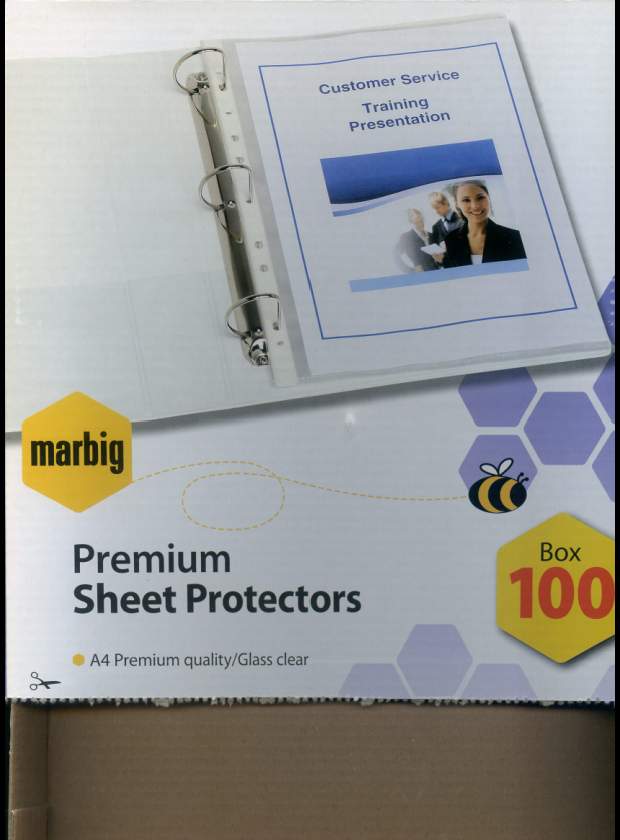
Does any body use, Protector sheets for stamp pages or storage...?
I have used last 10 to 15 years, now am getting some yellowing and
dirty looks on some of sheets. stamps inside are quite good, no stains
or oxidation or rusting. when time permits will try to post images of
those sheets.
tikithindi.
*** Moved by Staff to a more appropriate forum. ***
*** Moved by Staff to a more appropriate forum. ***
|
|
Send note to Staff
|
|
|
|
|
Bedrock Of The Community
Australia
38679 Posts |
|
|
I have used them for 8 years, I am always vigilant.
Twice I have tried to send example protector page off to have assessed.
No responses from my emails.
I use medium weight, my album pages are light. No evidence of deterioration at all,
all look pristine, both the stamps and mounts.
It still worries me when I think about it.
|
Send note to Staff 
|
|
|
Pillar Of The Community
Norway
1661 Posts |
|
|
I once purchased a large accumulation of duplicates that were stored/organised in such plastic protectors. (Actually much like Rod showed yesterday in another thread). The stamps had been stored that way since the 80's, and the plastic were all yellow and almost brown with age. For what it's worth, I could not see any sign that this aging had affected the stamps whatsoever. Should be said these had been stored in cool and dry conditions (Norway  ). Suppose different plastic quality can have different effects tough, just saying the yellowing does not necessarily harm the stamps. |
|
Send note to Staff
|
|
|
Bedrock Of The Community
Australia
38679 Posts |
|
|
Moderator

United States
12330 Posts |
|
|
I consider much of this kind of thing as 'experimental'; buying into and believing some marketing fluff about something being 'archival' is a risk. Does it matter for a bunch penny stamps? Probably not. But I am always very hesitant to ever recommend to others that they use anything other then time tested storage approaches.
But kudos to those who blaze new trails and try new things, it helps build our body of knowledge. I agree it is critical to keep a close eye on things and take immediate action at the sign of anything unexpected.
Don
|
|
Send note to Staff
|
|
|
Valued Member
United States
396 Posts |
|
|
hi,
Yes...the dirty look and marks after Cleaning with alcohol
is completely transparent.
I tried to download images but I could not at present time. I may have
to practice little more and see how I can do.
Rod222 is right thanks Rod.
tikithindi
|
|
Send note to Staff
|
|
|
Pillar Of The Community
United States
772 Posts |
|
|
Quote:
I have used them for 8 years, I am always vigilant. So, Rod, you are using sheet protectors for all your collection? I guess you are printing out Steiner pages and putting into sheet protectors? I know you collect worldwide, I'm curious how many volumes/binders you have? Chris |
|
Send note to Staff
|
|
|
Bedrock Of The Community
Australia
38679 Posts |
|
|
Quote:
I consider much of this kind of thing as 'experimental'; buying into and believing some marketing fluff about something being 'archival' is a risk. Does it matter for a bunch penny stamps? Probably not. But I am always very hesitant to ever recommend to others that they use anything other then time tested storage approaches.
But kudos to those who blaze new trails and try new things, it helps build our body of knowledge. I agree it is critical to keep a close eye on things and take immediate action at the sign of anything unexpected.
Don A great, balanced commentary, Bravo! Don. I share your opinion. Quote:
So, Rod, you are using sheet protectors for all your collection? I guess you are printing out Steiner pages and putting into sheet protectors? I know you collect worldwide, I'm curious how many volumes/binders you have? Yes all my collections Chris (I guess I'll die by the sword, if the regime is faulty) I'd rather not suggest how many binders I have, It can come across as braggadocio, I don't like that. As Don suggests, most are penny stamps, but protected as best I can. What I do know, is that whomever gets them when I lie in the porcelain cask, or emptied upon the wind, is going to have a lot of fun. |
|
Send note to Staff
|
|
|
Bedrock Of The Community
Australia
38679 Posts |
|
|
If any member is aware of a PLASTIC TESTING facility, anywhere in the world,
that may entertain testing just 1 plastic protector sheet, please advise.
|
|
Send note to Staff
|
|
|
Pillar Of The Community
United States
772 Posts |
|
|
Quote:
I'd rather not suggest how many binders I have, It can come across as braggadocio, I don't like that. I certainly respect your feelings on this  |
|
Send note to Staff
|
|
|
Valued Member
87 Posts |
|
|
The most important thing with protectors is to not use them in high humidity environment, at 55' molds start to form. If you live, examples, in Florida, forget about using them.
If your plastics turn yellow and brittle, I suspect they were made with polyethylene or worst polyvinyl. Today they are made of polypropylene or polyester, 2 stable plastic. Polyester is the most stable but it generate static, so it attract the dust. Polypropylene is more stiff . Mine are 12 or 13 years old and show no sign of yellowing. |
|
Send note to Staff
|
| Edited by JPMG - 11/27/2017 8:17 pm |
|
|
Pillar Of The Community
United States
925 Posts |
|
|
Quote:
If any member is aware of a PLASTIC TESTING facility, anywhere in the world,
that may entertain testing just 1 plastic protector sheet, please advise.
rod222 - I asked a similar question on another stamp board a few years back. A chemist responded Quote:
Put a flame to the corner of one, and once the protector is burning, take the flame away. If the flame goes out, the material is PVC. If it continues to burn much like a candle, then it's PP. I tested one of my Staples brand sheet protectors and was satisfied that it was PP and safe for philatelic material. Obviously, try the test away from flammable material. |
|
Send note to Staff
|
|
|
Bedrock Of The Community
Australia
38679 Posts |
|
|
Thank you guys, I think I did the burn test some time ago, but I'll do it again. PP = polypropylene I have used that for years as my "glassines" Negative : It is EXTREMELY slippery, dashed hard to work with. PVC is the plastic to avoid. Heads up: In this commentary ..quote : PP can be subject to oxidisation. https://www.creativemechanisms.com/...e-pp-plastic |
|
Send note to Staff
|
|
|
Pillar Of The Community
United States
3224 Posts |
|
|
This old geezer here has poly (PP I believe) cover sleeves that have lasted for just about 40 years with no degradation of sleeve or cover. Store in a cool dark place if you can and that would avoid and certainly delay oxidation and UV degradation. |
|
Send note to Staff
|
|
|
Pillar Of The Community
United States
772 Posts |
|
|
Pillar Of The Community
Norway
1661 Posts |
|
|
I bought my Lighthouse Grande sheets for 0.60 cent, 3$ for packet of 5. I would presume the one-pocket Vario sheets do just the same job as a 'sheet protector', I am using the Grande 1S sheets for my frontcovers etc, and it's still plenty of room after inserting a lettersize page (format A4 ).
Just a thought as these are guaranteed harmless to your stamps. |
|
Send note to Staff
|
|
|
Replies: 16 / Views: 4,594 |
|



 Posted 11/26/2017 8:49 pm