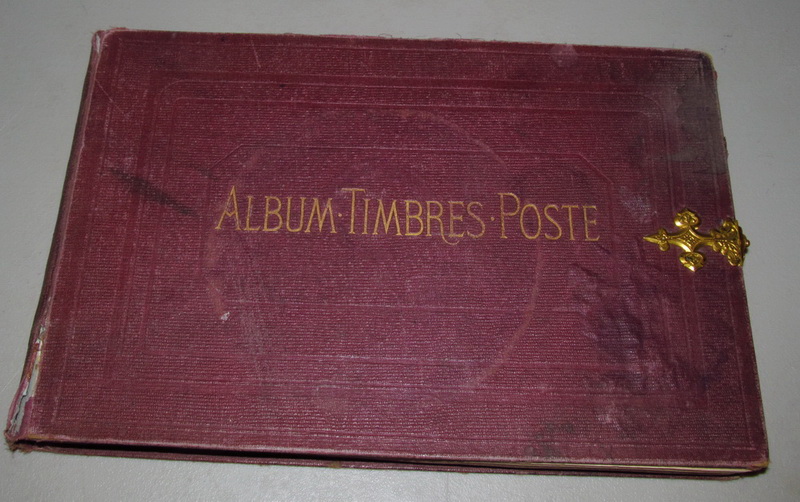
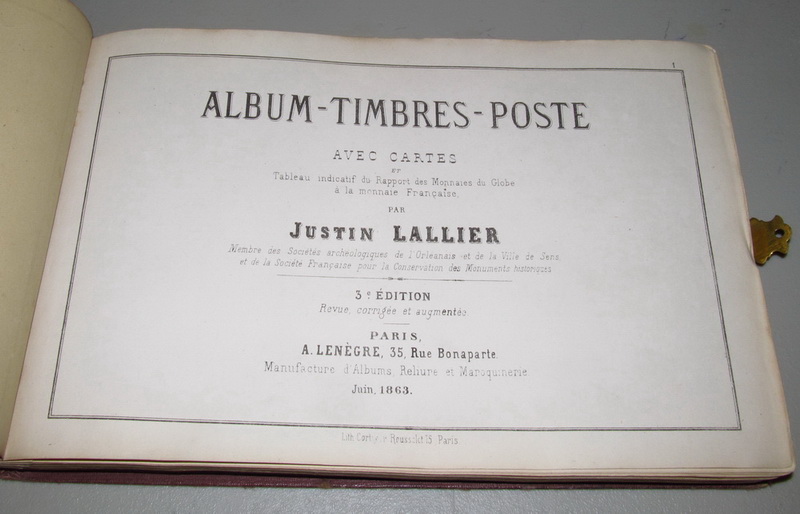
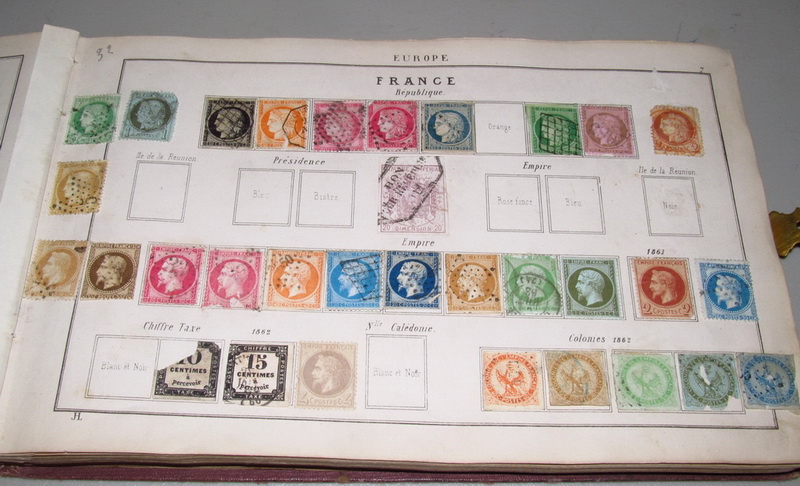
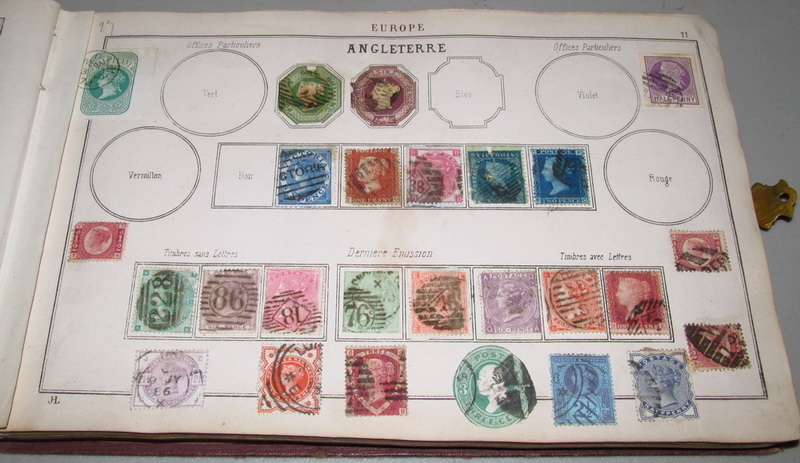
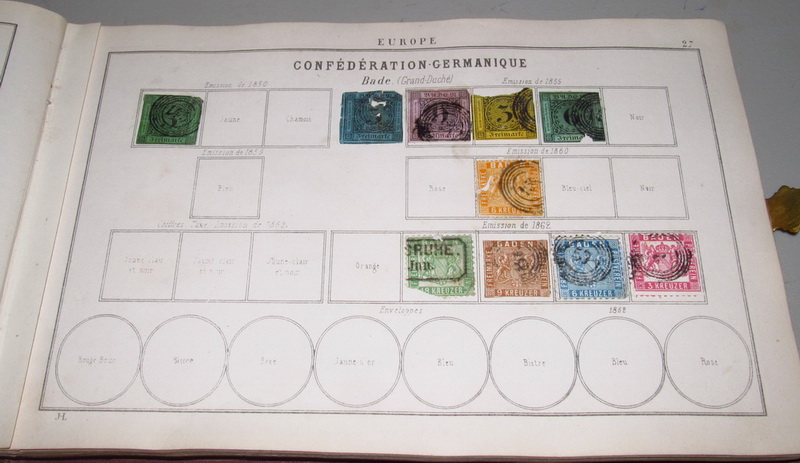
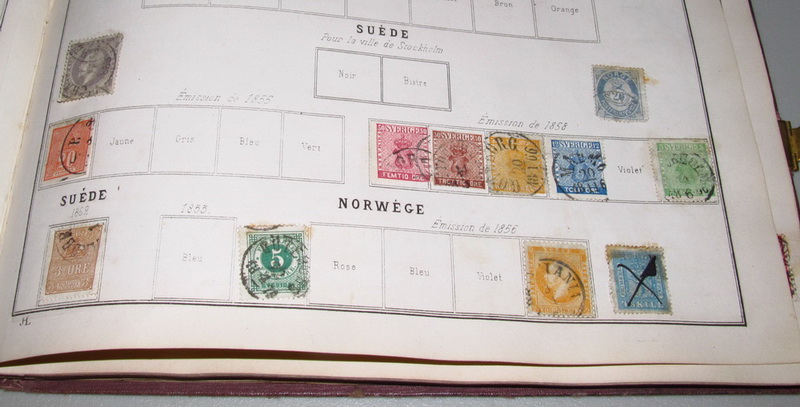
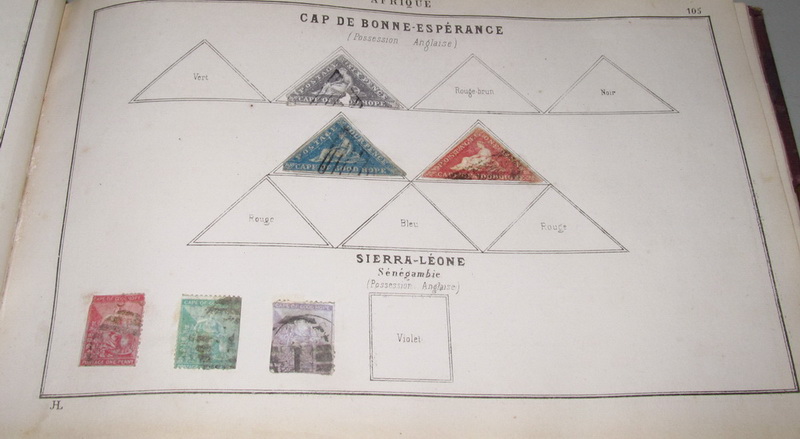
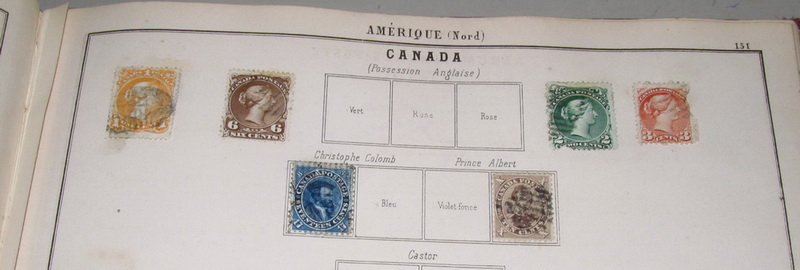
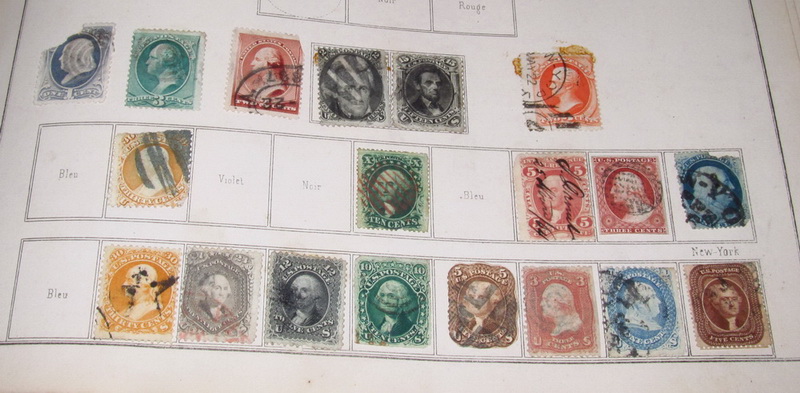
Yes, as some have said, early collectors often ruined stamps by our modern standards. They cut stamps to shape to fit the spaces provided on album pages, as can be seen here with the early GB stamps. Many of them floating around today in albums look like some demented child got ahold of them with a pair of Mommy's eyebrow scissors and went to work clipping around the exact border of the stamp design. This is no longer encouraged.
"Cut squares" from embossed envelopes are today cut as a rectangle and left that way. Back in the dark days they were cut around the edges of the design, often an oval. Today this is depressing to see.
As has been mentioned also, stamps were often mounted in albums in interesting and creative ways that basically ruined the stamps forever. One method was to wet any remaining glue on the back of the stamp, or apply some new glue that you had lying around the house, and attach the stamp that way. Not a good approach.
Alternately, some collectors, realizing this ruined stamps and made them almost impossible to remove from older albums to remount in newer albums, began to "hinge" stamps into their albums. The only problem with this approach was that there was yet no such thing as stamp hinges! So, being creative, they used selvage or other gummed paper, folded it, and applied one edge to the back of the stamp and the other to the album. This at least made removing the stamp possible later, but it also left a glued-on piece of paper stuck permanently to the stamp. Halfway success, but not complete success.
And so on.
I'm not sure which genius came out with the first real stamp hinges, but I've thought that with all the "contributions to philately" awards various stamp organizations love to hand out at their dinner soirees, you'd think that Joe Blow from Kokomo or whoever it was who was first to develop the lowly removable stamp hinge, would have received their Platinum Award with Oak Leaf Clusters by now for this genuinely clever invention that virtually saved stamp collecting single-handedly -- whoever they were. Any ideas on who this guy may have been should be mentioned here. Somewhere in a dusty old copy of a stamp magazine there must be an ad touting "Newly Developed! Removable hinges with which to mount your stamps!"
Stamp "mounts" are a much later invention. I remember H.E. Harris & Co. in the 1950s or early 1960s marketing their "Crystal Mounts" to allow mounting stamps without touching the back of the stamp even with a hinge. Getting stamps into these hinges was not fun. This is the invention that made collecting "never hinged" stamps possible. And some would add, "also allowed the jacking up of prices" but it's your choice, after all. These mounts turned out to be awful in some ways, leaving glue residue everywhere, impossible to remove stamps from in some cases, and generally unattractive. They still exist today in many albums. In fact, leftover supplies of them still sell on
ebay surprisingly for those who enjoy doing things the hard way and don't mind their album pages looking pretty bad.
Over the next few decades, later iterations of stamp mounts improved significantly on this uncomfortable beginning. Modern mounts are excellent for preserving stamps. I used my own first stamp mounts in the early 1970s so they did exist in various versions at that time. This was in a Davo Belgium album I purchased in Brussels in 1971. What brand they were, I have no idea but I don't think it exists anymore. They were black-backed, they came in small sheets, and you cut them to the size you wanted. That way, they ended up being open at the top and one side. Not the best idea anyone ever had. Today's mounts are much better, thank goodness.
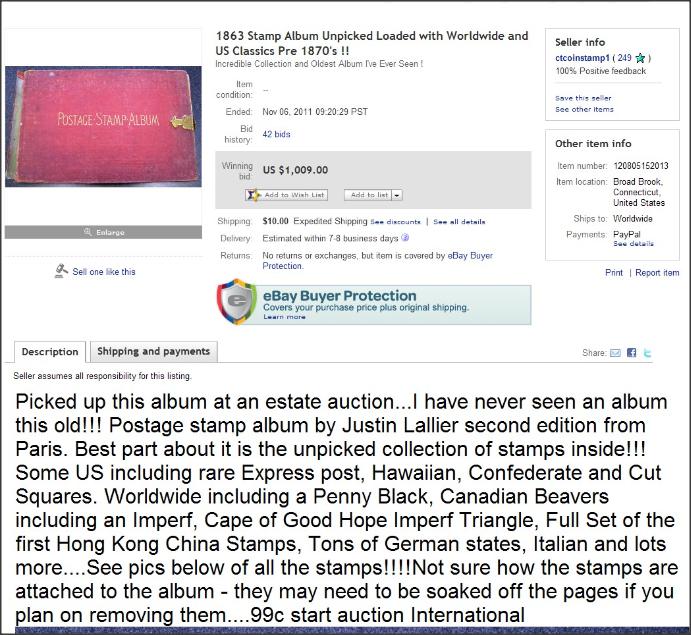
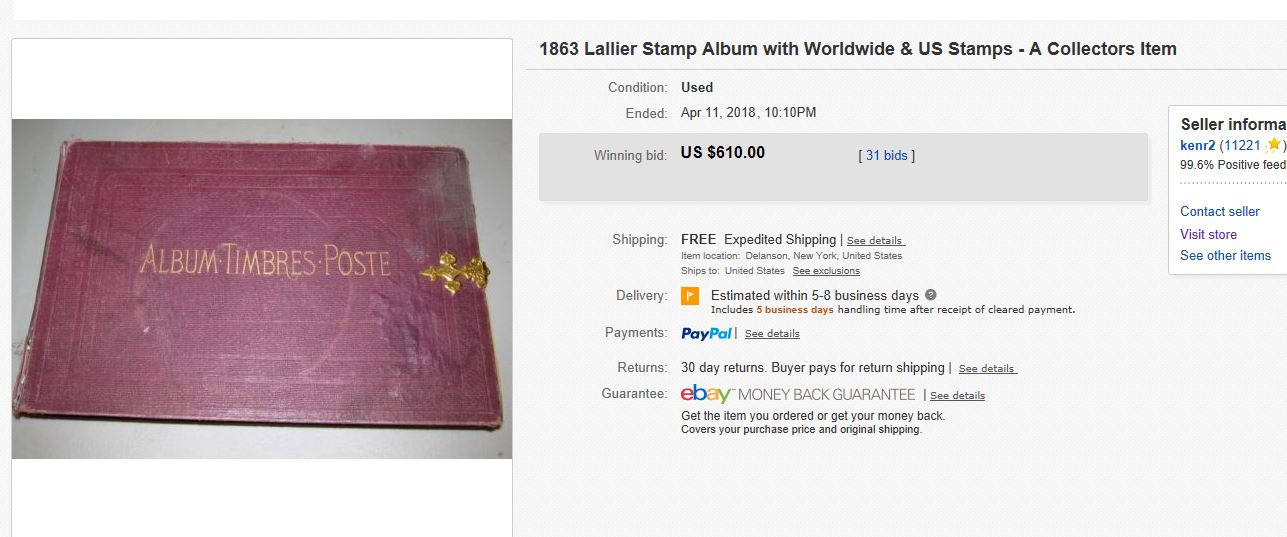
This ancient album set me off on this essay for some reason! The original owner of this old album did an excellent job finding so many early stamps, I have to say. Old albums are one reason we have stamps to collect today -- and stamp collecting as a hobby -- as they were probably the main thing that preserved so many stamps that would otherwise have been tossed into the trash by all those barbaric non-collectors we're forced to live among.





 Posted 04/02/2018 9:34 pm