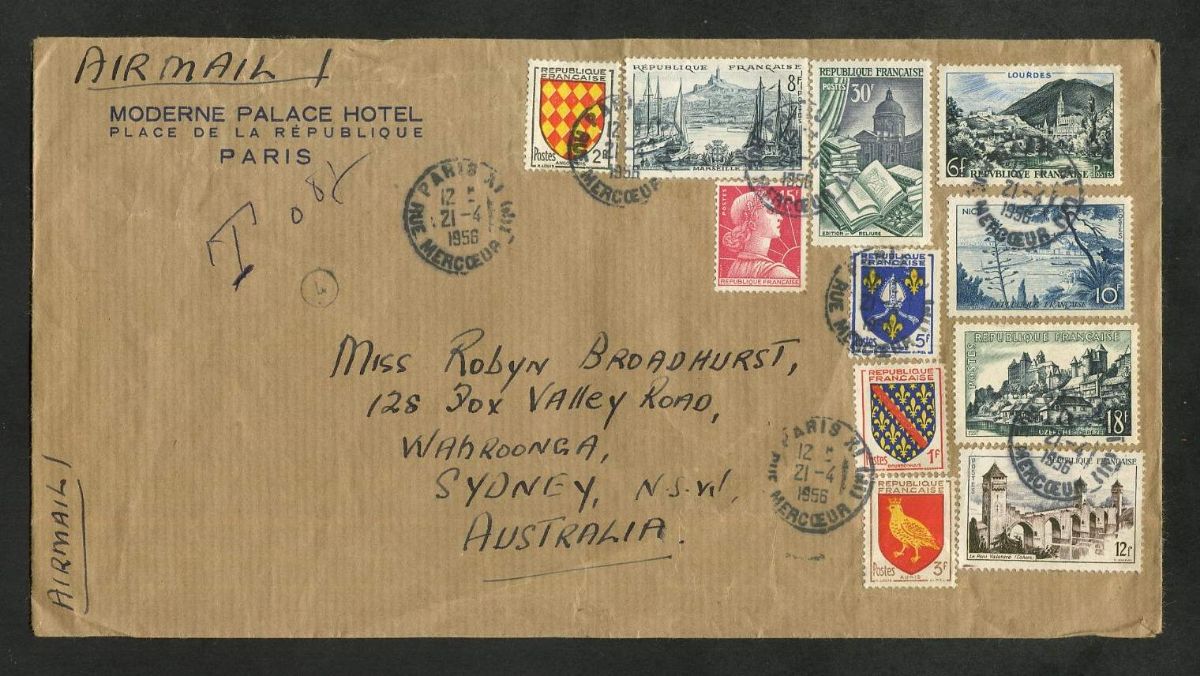
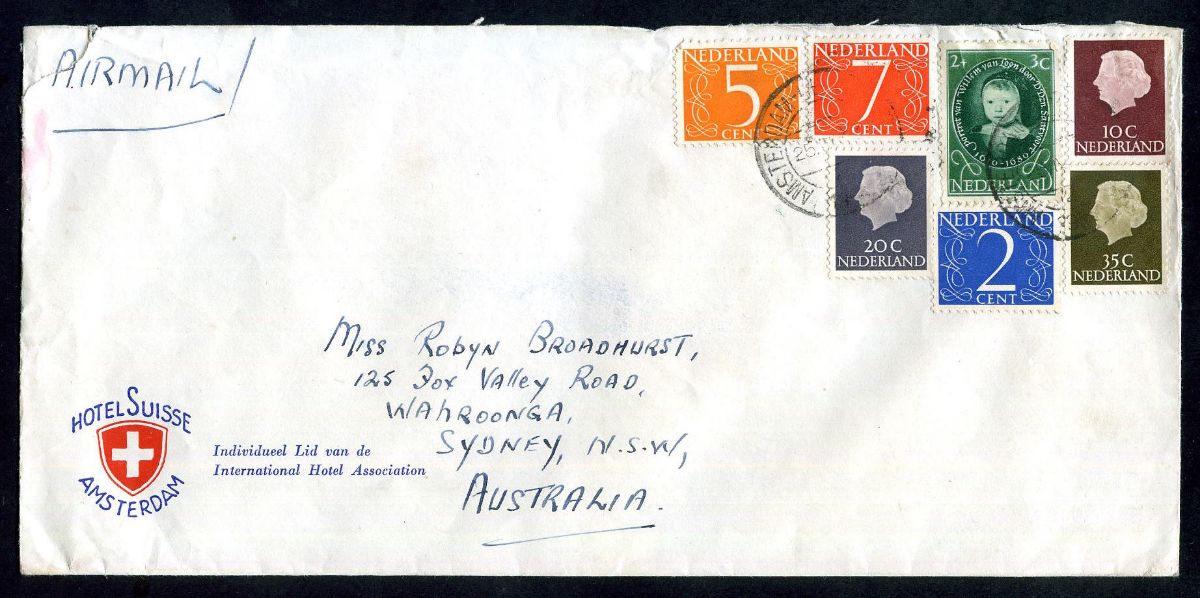
I do like to know the who, what, when and where of an item, if possible. Most of the time, the previous owner might not be as important as the information on a cover, but there have been a few times where it has made a difference.
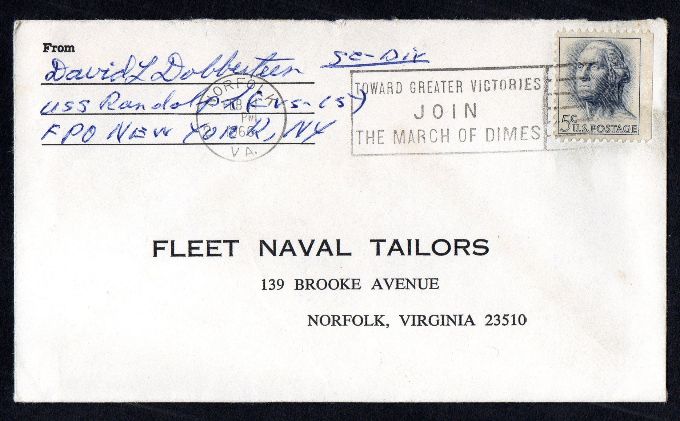
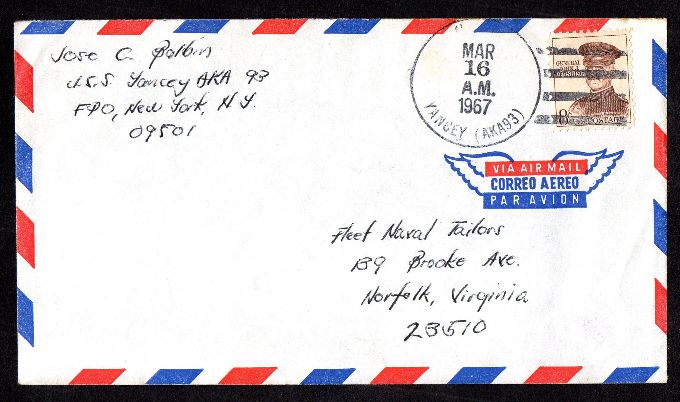
I purchased a collection a few years ago from a widow who liked to talk about her husband. He had run a firm called the Naval Tailor Shop in Norfolk during the 1950's and 1960's. Included in this accumulation were a large number of covers from all manner of ships of the period. Sailors had to pay their locker fees to keep them, even while at sea or deployed to Vietnam. Why? Because sailors were not allowed to have civilian clothing on board ship at the time and sure didn't want to be running around town in their crackerjacks as the course of the war protests intensified in the late 1960's. I use these in the history course I teach in college. Here's a couple of them I kept for my collection as representative.
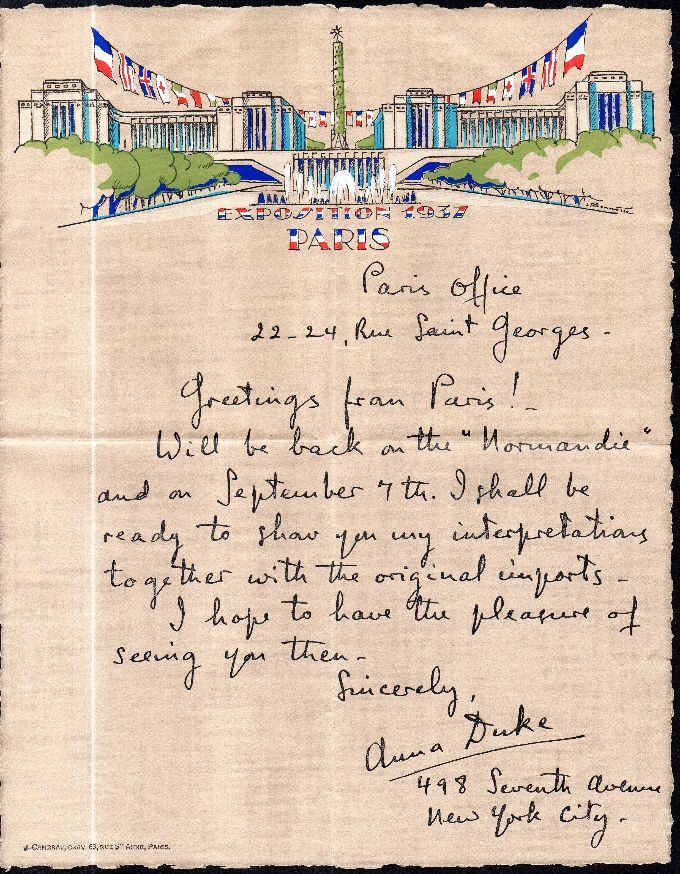
Another estate find linked the lady whose collection it was to the fashion industry of the 1930's. Her husband ran an up-scale clothing store and was a frequent participant in the exhibits in New York and Paris. Here's an example the type of material in that estate:
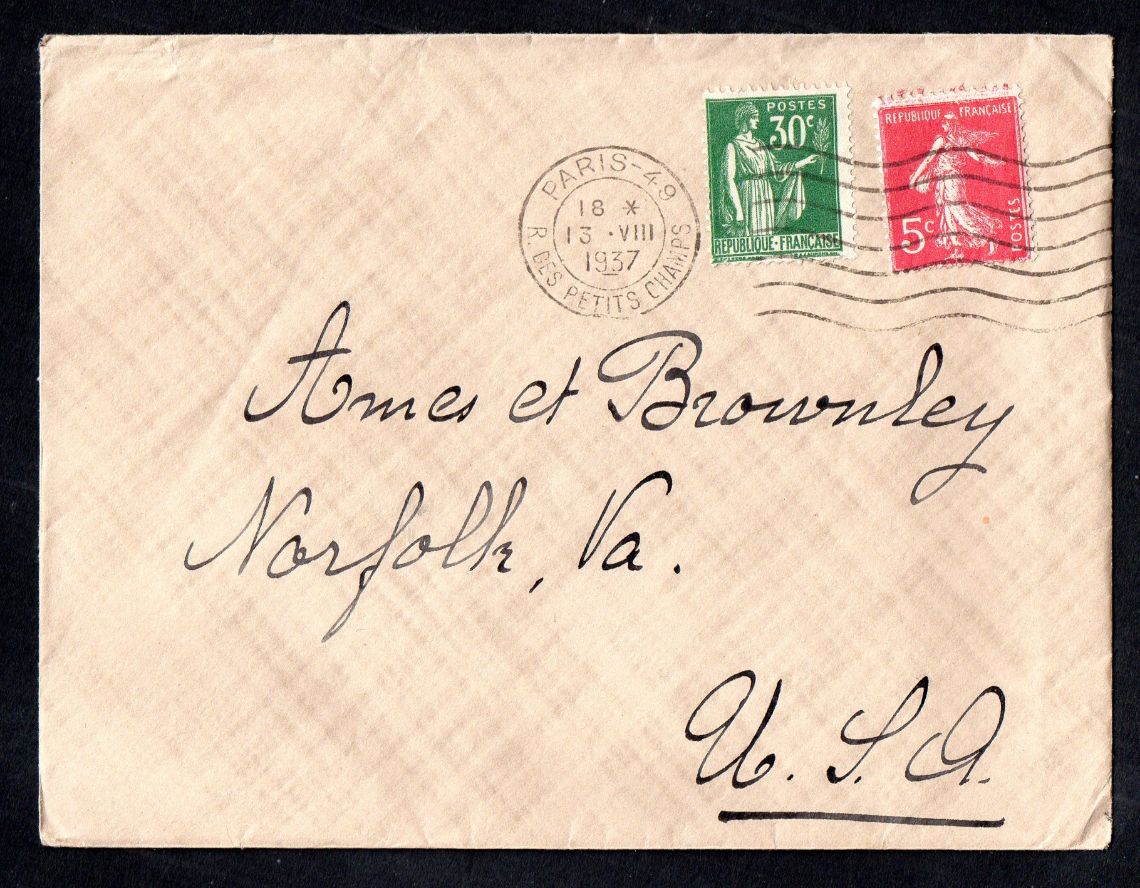
The cover itself is not that remarkable, but what was inside was rather unique:
Then, too, the Harmers International Auction Sale 8 had a load of photographic essays, all mounted on government prepared pages, accompanied by a production page for each stamp. The catalog didn't list any provenance, but the firm provided it when I asked for it. The collection had come from the Director of the Bureau of Engraving and Printing, Alvin W. Hall. THAT made a big difference in my interest in the lots.
You've seen the photographic essays in the long series of posts I did on the National Parks/Farleys.
As far as tracing who the letters were from, absolutely makes a difference. Knowing who the collector was? It can make a big difference as well.





 Posted 04/28/2018 12:49 pm