| Author |
 Replies: 14 / Views: 1,835 Replies: 14 / Views: 1,835 |
|
|
Valued Member
276 Posts |
|
|
|
Are there modern covers, say 1970 to present, that are interesting? In a decluttering effort I'm about to toss hundreds of them in the trash, and though I've collected stamps I've not studied covers, thus am uncertain what is considered interesting or collectible in such moderns. The majority of these covers have ordinary machine cancels and no other postal markings. I assume those are so common as to be of little interest to collectors, or am I wrong?
|
|
Send note to Staff
|
|
|
|
|
Pillar Of The Community
United States
8956 Posts |
|
|
Perf10, any of your covers with coil stamps on them could potentially be very interesting. These stamps have been printed in the millions, so varieties are many. Of course, one would have to know what to look for.
One thing is for sure, tossing them in the waste basket is always a bad idea. Donate them to a local stamp club if nothing else
Peter |
Send note to Staff 
|
| Edited by Petert4522 - 05/31/2018 4:15 pm |
|
|
Pillar Of The Community
6361 Posts |
|
|
You are probably correct at about the 95% level. But there are plenty of interesting items on modern mail beyond commemoratives and coil plate number singles.
Consider: First/last day of rate.
Machine cancels from small offices using hand-cranked machines (International HD-2, Universal Model K).
Chamberlain machine cancels, which look like the facer-cancelers used in large cities, but are much scarcer.
Machine cancels in purple ink, local slogans, etc.
Processing marks from the early sorting machine experiments in the late 1960s and early 1970s.
Uncommon dates: Jan 1, Feb 29, Jul 4, Dec 25.
to name a few things.
|
|
Send note to Staff
|
|
|
Valued Member

United States
466 Posts |
|
|
Modern covers are often interesting.
Consider the difficulty of compiling, for example, a collection of modern US postal cards, postally used in period. Or early (1980s) computer-vended postage stamps used on cover. Or, for something less esoteric, just regular modern commemorative issues on non-philatelic covers. Or Express Mail covers franked with stamps in period. Or coil plate number singles on cover. Or modern U.S. official stamps used on cover. That stuff is out there, it's a challenge to collect, it's not very expensive when you find it -- but it's hard to find.
Those examples are all just modern USA, and not even getting into postal markings or any deeper aspects of modern postal history (which is criminally under-studied in general.) There are a lot of short-lived rates to find out there, for example. |
|
Send note to Staff
|
|
|
Valued Member
United Kingdom
439 Posts |
|
|
Perf 10 you are on the horns of the most common stamp collecting dilemma. If you throw them away might you be throwing away something of interest. I'd save slogans and anything I can recognise as unusual. better i'd palm them off on someone willing to store them. Otherwise I would put them in the bin. If I put stuff in the bin I try to forget anything about them so I don't torture myself with what I might have thrown away. |
|
Send note to Staff
|
|
|
Rest in Peace
United States
4052 Posts |
|
|
Over the years, I've built a places-to-donate-stamps list that is available as a PDF; just PM me for the current version. Cheers, |
|
Send note to Staff
|
|
|
Pillar Of The Community
United States
6467 Posts |
|
|
Quote:
Consider the difficulty of compiling, for example, a collection of modern US postal cards, postally used in period. Or early (1980s) computer-vended postage stamps used on cover. Or, for something less esoteric, just regular modern commemorative issues on non-philatelic covers. Or Express Mail covers franked with stamps in period. Or coil plate number singles on cover. Or modern U.S. official stamps used on cover. That stuff is out there, it's a challenge to collect, it's not very expensive when you find it -- but it's hard to find. This. Some of these areas are as challenging (or more so) than "classic" postal history. The catalog values may not necessarily be high, but just finding examples may be extraordinary difficult. This is especially the case because most dealers don't stock masses of modern postal history, as run-of-the-mill modern covers have no market value (or not enough to justify hauling it around, just like mass-produced FDCs). What I mean is that virtually all dealers will keep plain-jane covers from the 19th and early 20th centuries as even common ones are worth something to the collector... not so of generic covers from the 1950s to present. Just finding large volumes to hunt through is much more difficult. |
|
Send note to Staff
|
|
| Edited by revenuecollector - 05/31/2018 8:52 pm |
|
|
Pillar Of The Community
United States
798 Posts |
|
|
all of the above &:
Some post offices have been discontinued making their covers harder to acquire. Some people would collect cancellations from all Post Offices (stations & associate offices) within their home state. Some collect holiday or historic site covers. Sort them out by state (& possession), city etc.. See if any might be cancelled on a Federal Holiday, State Holiday, a have a promotional cancel, (mail early, patriotic, holiday), then see if a stamp club or dealer might compensate you for them. Even the non-descript cover could be donated to a stamp club for their youth program. |
|
Send note to Staff
|
|
|
Rest in Peace
United States
1189 Posts |
|
|
Pillar Of The Community
United States
1124 Posts |
|
|
The covers of today will, over time, become the 'old covers' of tomorrow. Aren't we all glad that so many covers from, for example, the 1800's weren't tossed into a burn barrel and are still around and in our collections? For this reason alone, I keep pretty much all of the non-philatelically-contrived covers and advertising mail (reasonable size, such as postal cards) that I receive in a bin...I just don't have the heart to toss them.
If you're still going to get rid of them, why not donate them to the APS or the ATA? Their youth programs might be interested in them. |
|
Send note to Staff
|
|
|
Pillar Of The Community
United States
716 Posts |
|
|
Keep your covers or pass them on to someone who will. They may become the classic covers desired by future generations to come. They are not as rare or unique today as they will become over time has most similar contemporary examples are trashed. Personally, I am interest in any registered items you wish to part with. Please contact me. Thanks, Russ |
|
Send note to Staff
|
|
|
Pillar Of The Community
United States
1047 Posts |
|
|
Quote:
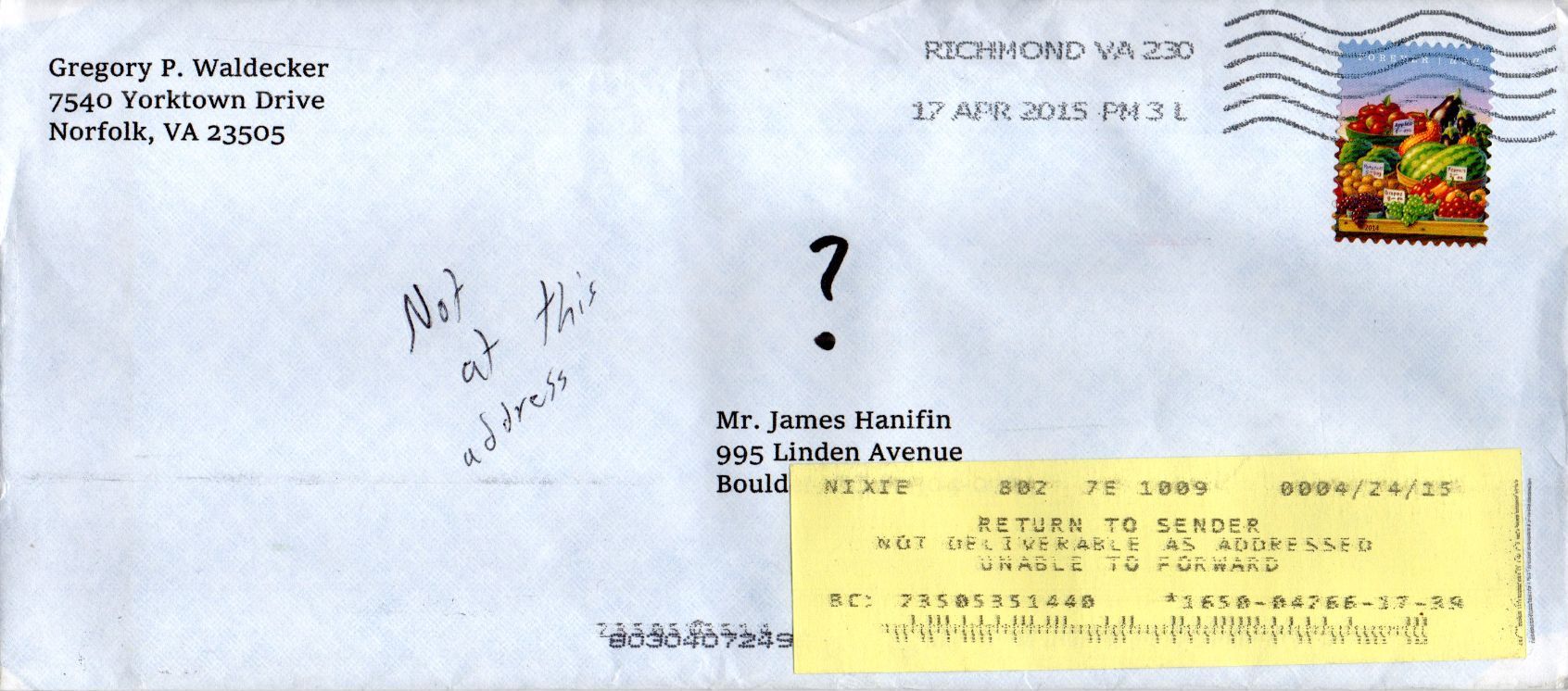
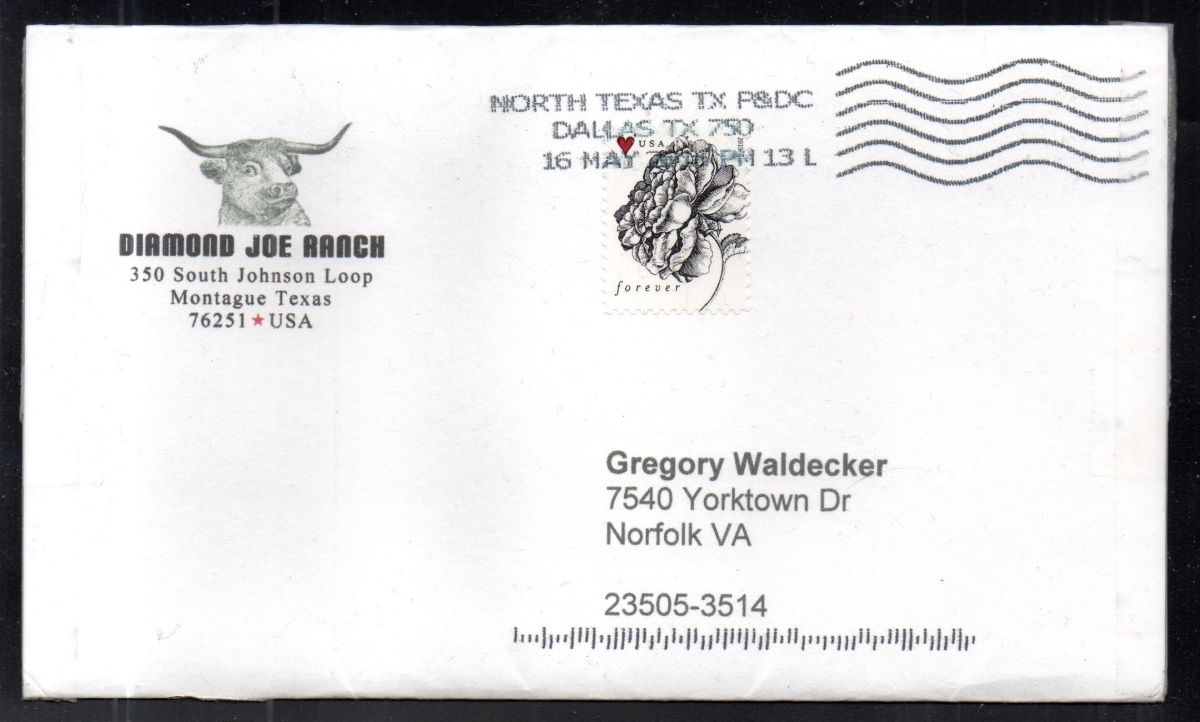
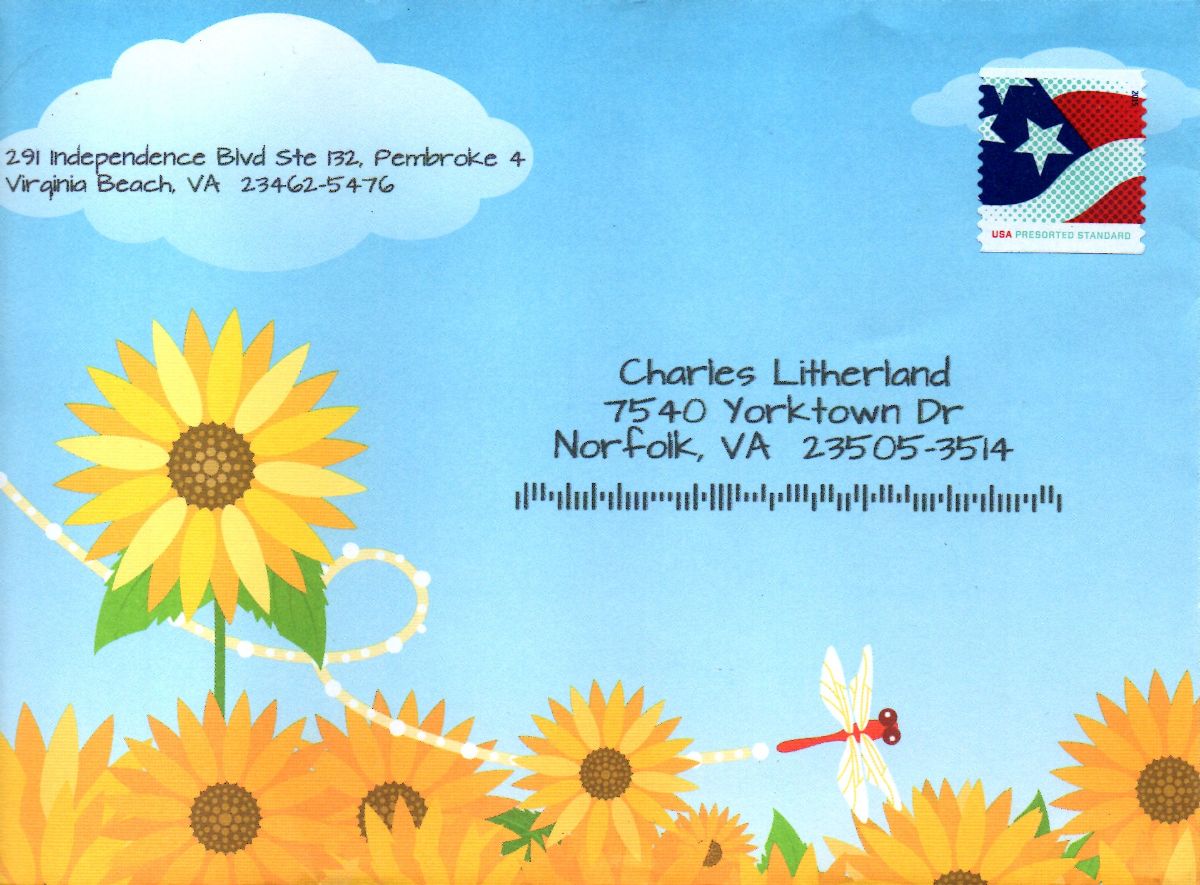
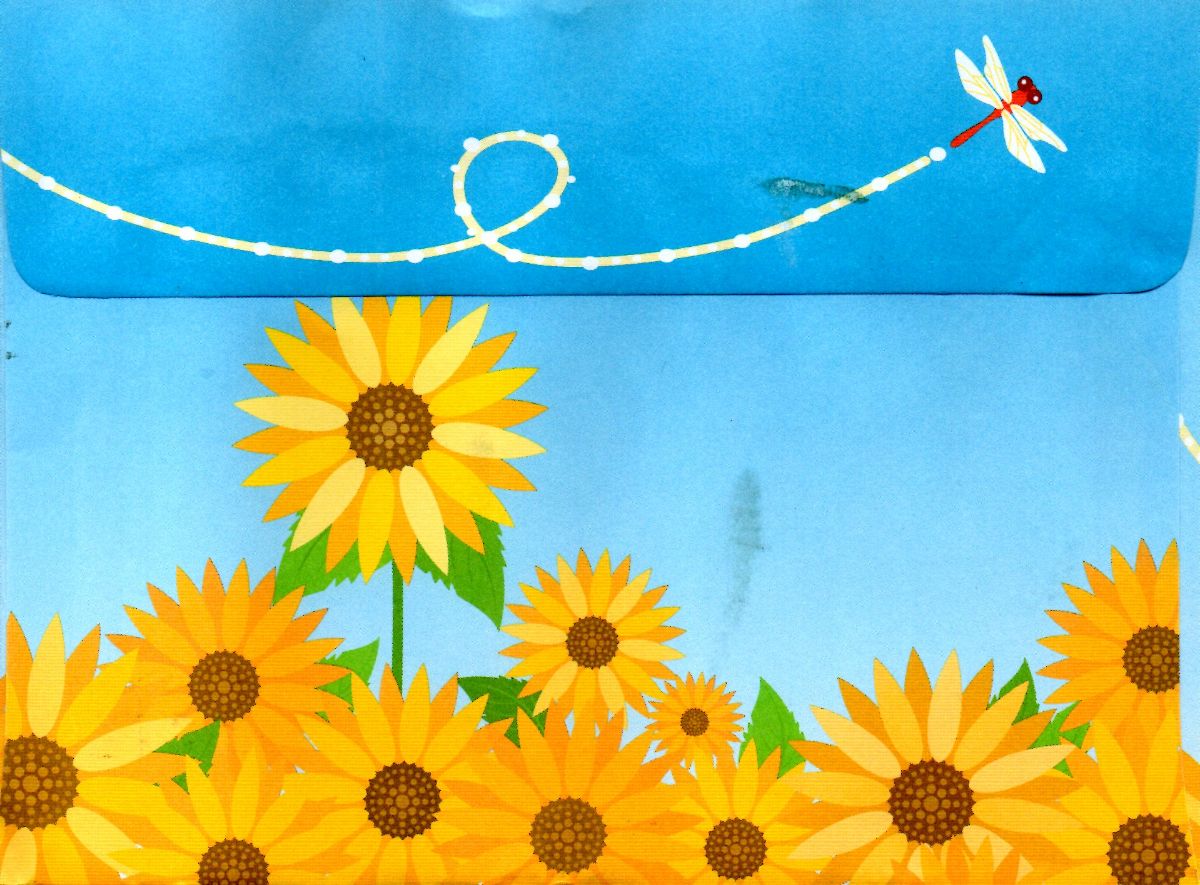
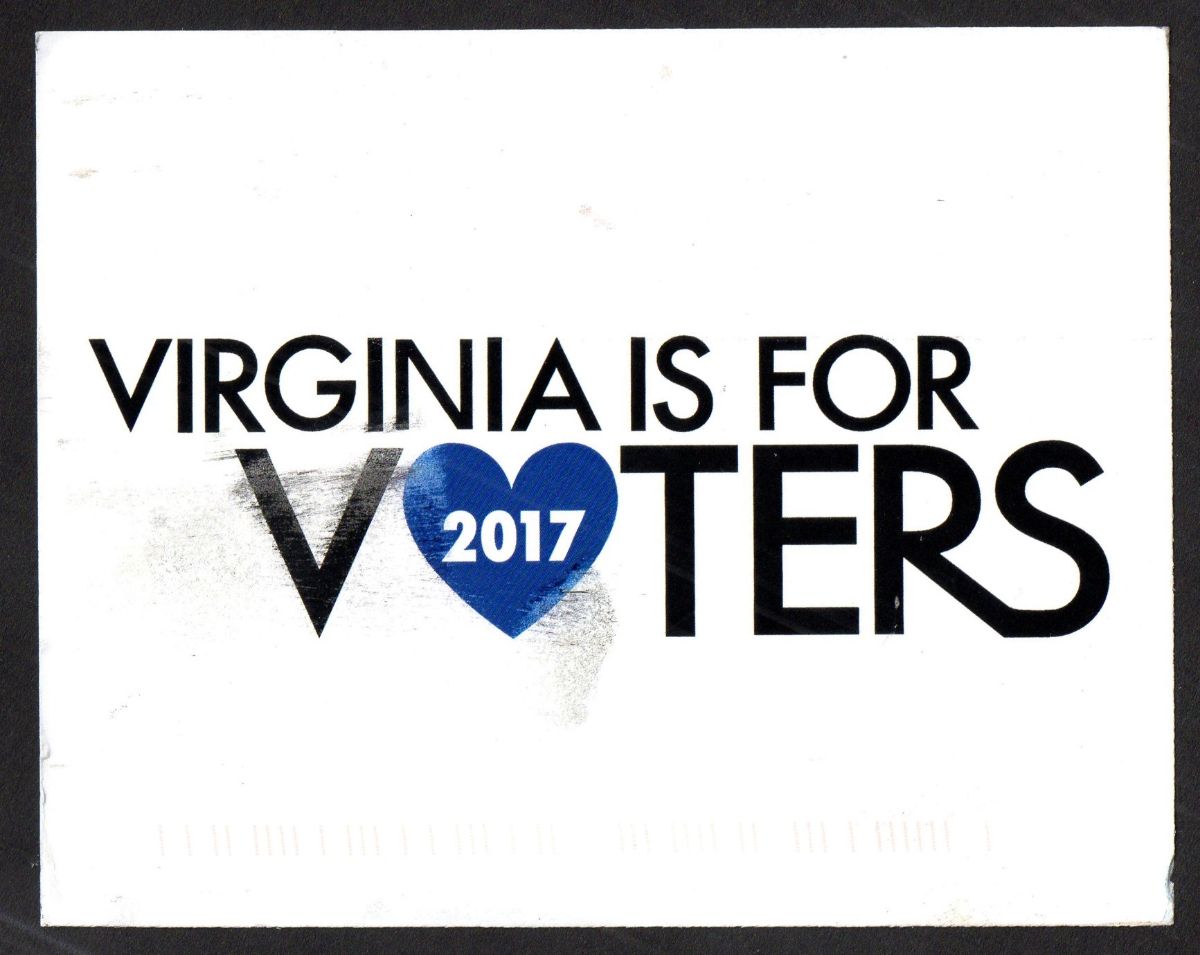
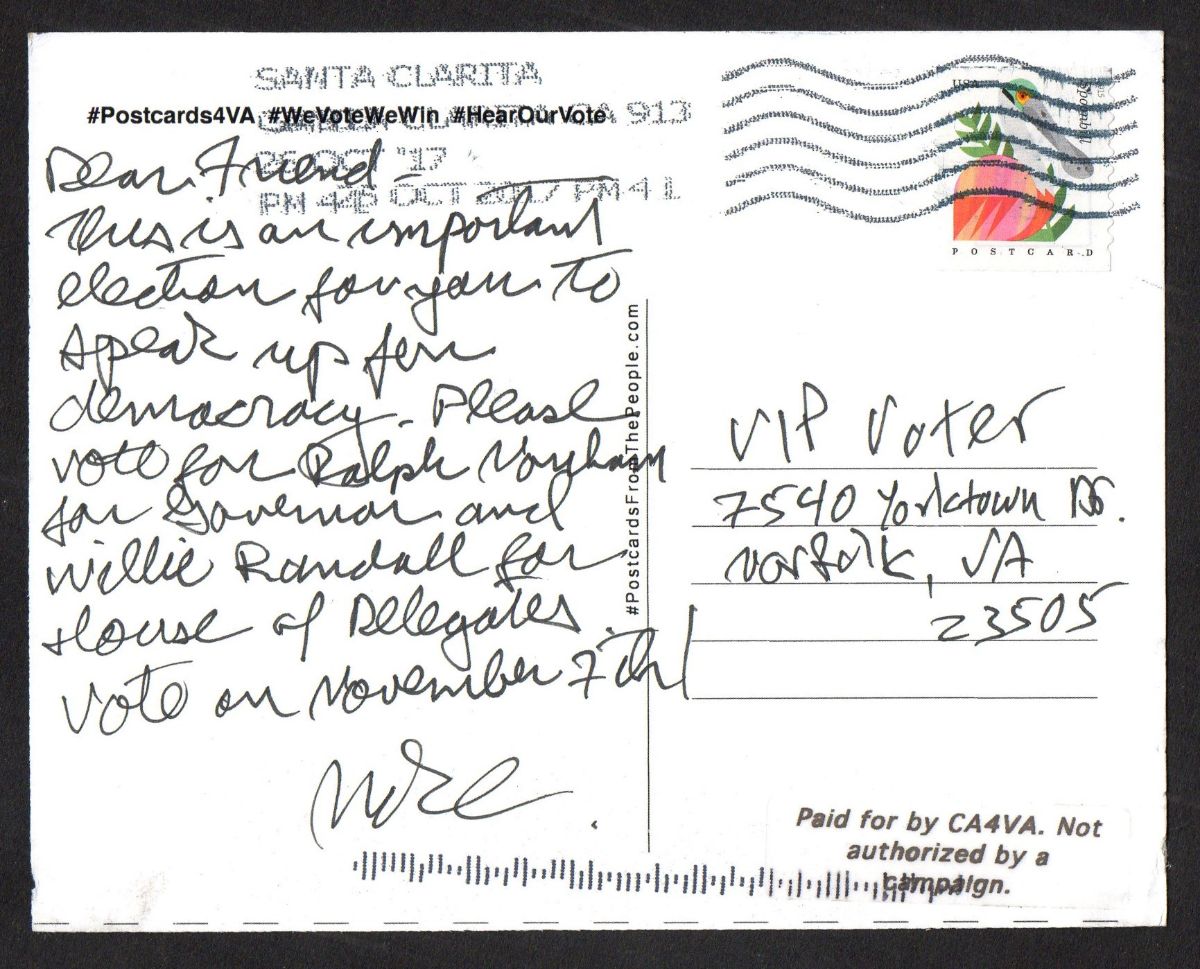
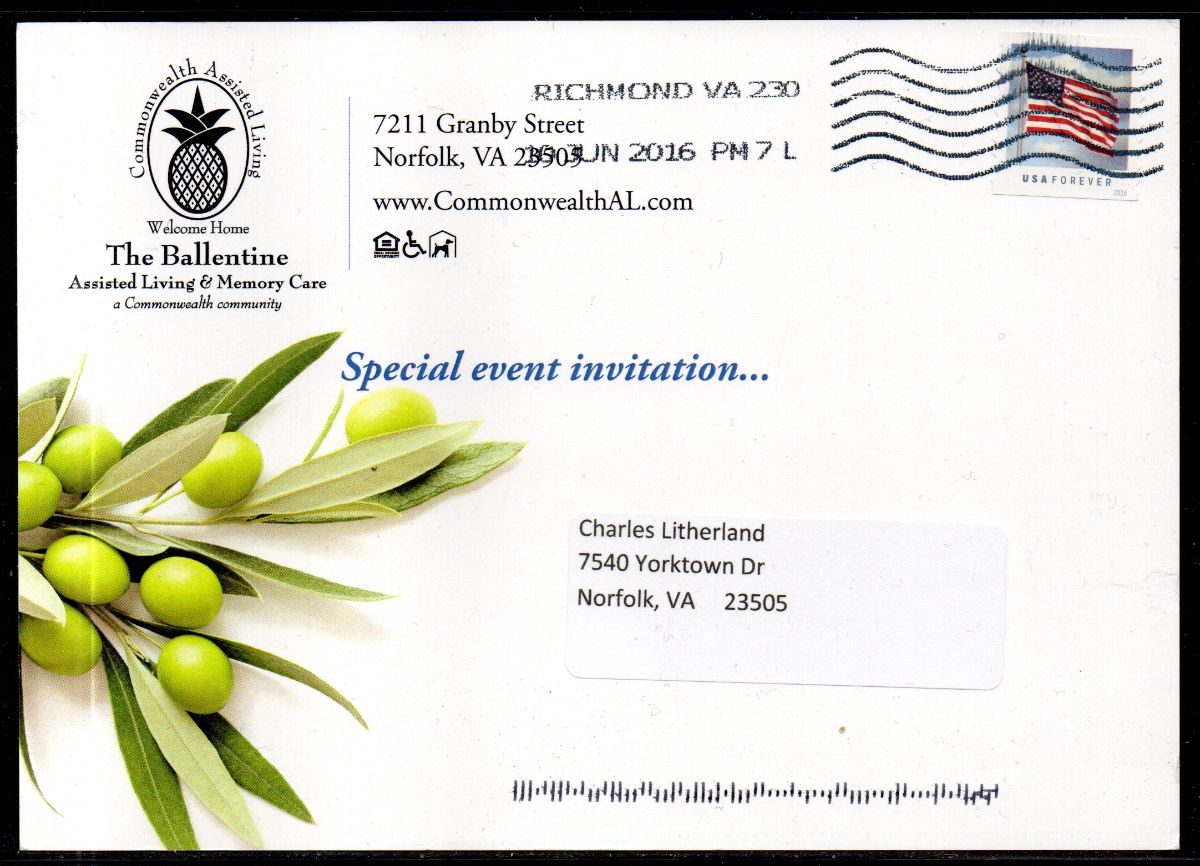
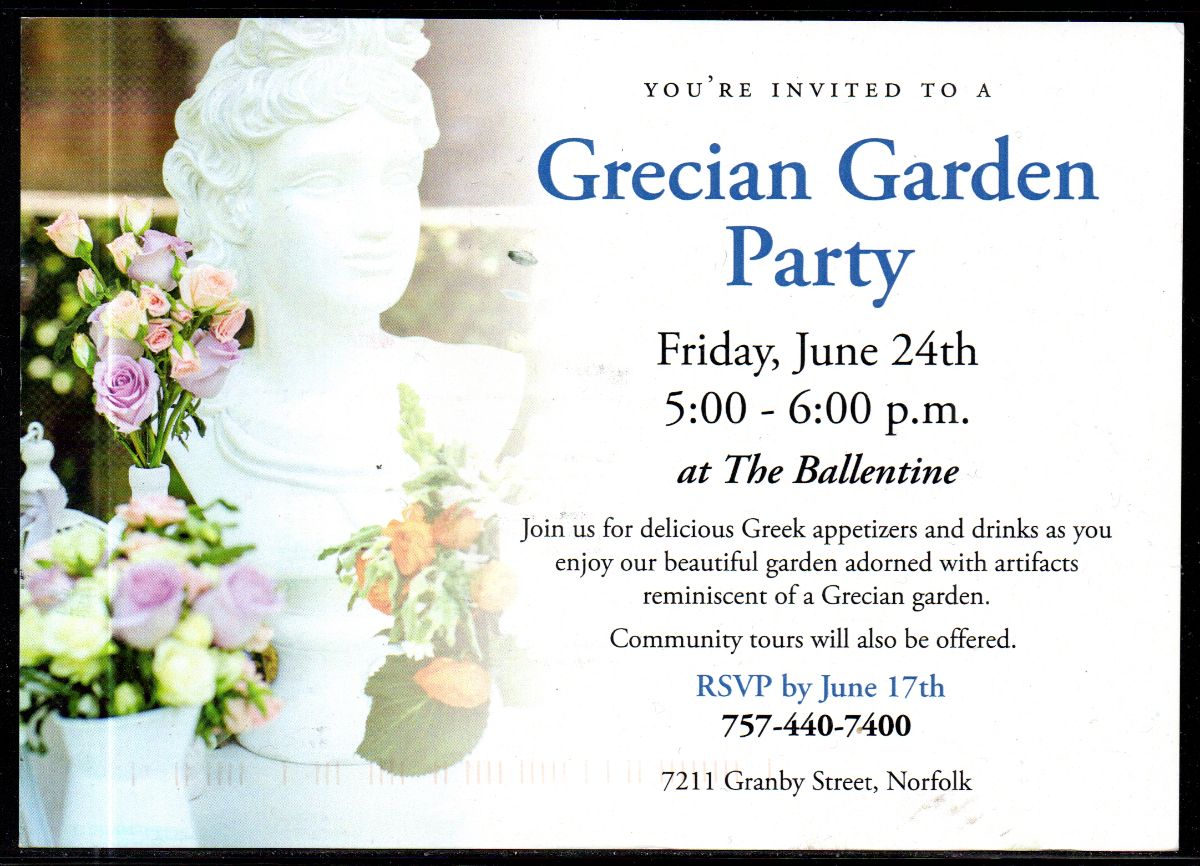
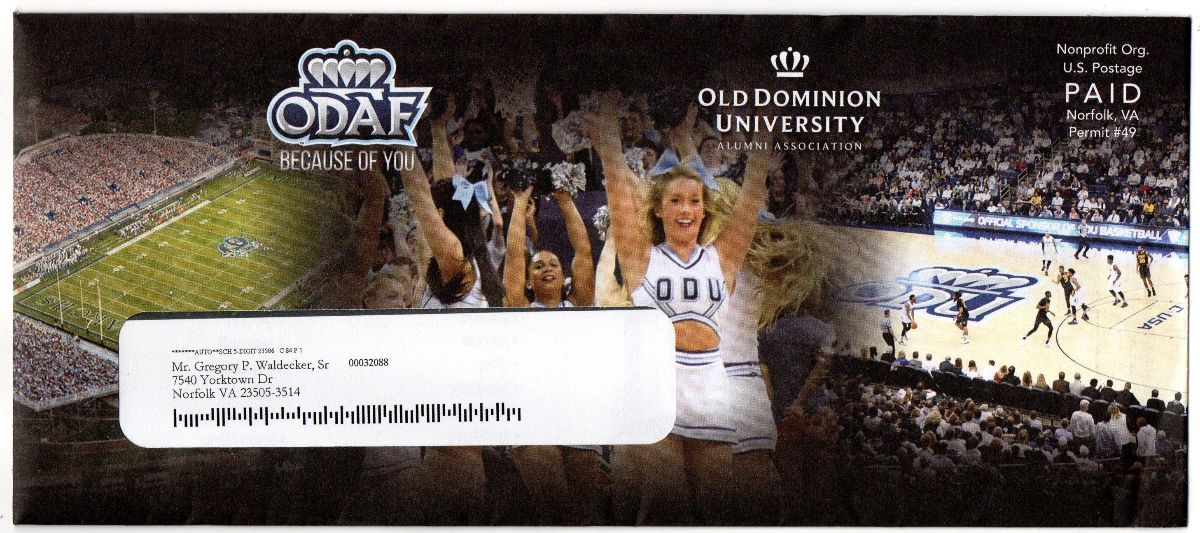
I also look for any covers which are interesting examples of advertising today. This includes some of what people toss in the trash everyday. Of course, people having been relegating envelopes, or covers as we prefer, to the circular file since paper was invented. Here's a few examples of what I'm talking about: Stampman 2002: At last someone else who collects contemporary advertising covers. I have been saving these for the last decade. They may never be of any philatelic value, but getting them free in the mail offers a lot of room for financial enhancement. The only downside I see is most are #10 envelopes which present a different mounting solution for my cover albums. I have found that charitable organizations are a rich source for these covers. Give any of them a few bucks and you are on their mailing lists for life! Here are three examples of items that shown up in my mailbox recently. Don 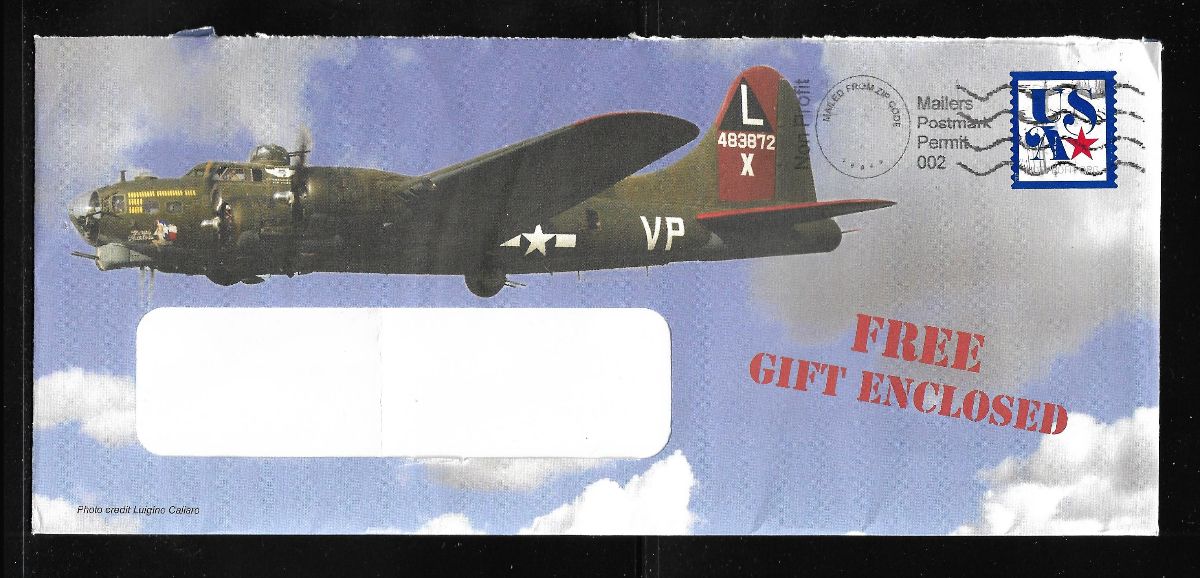 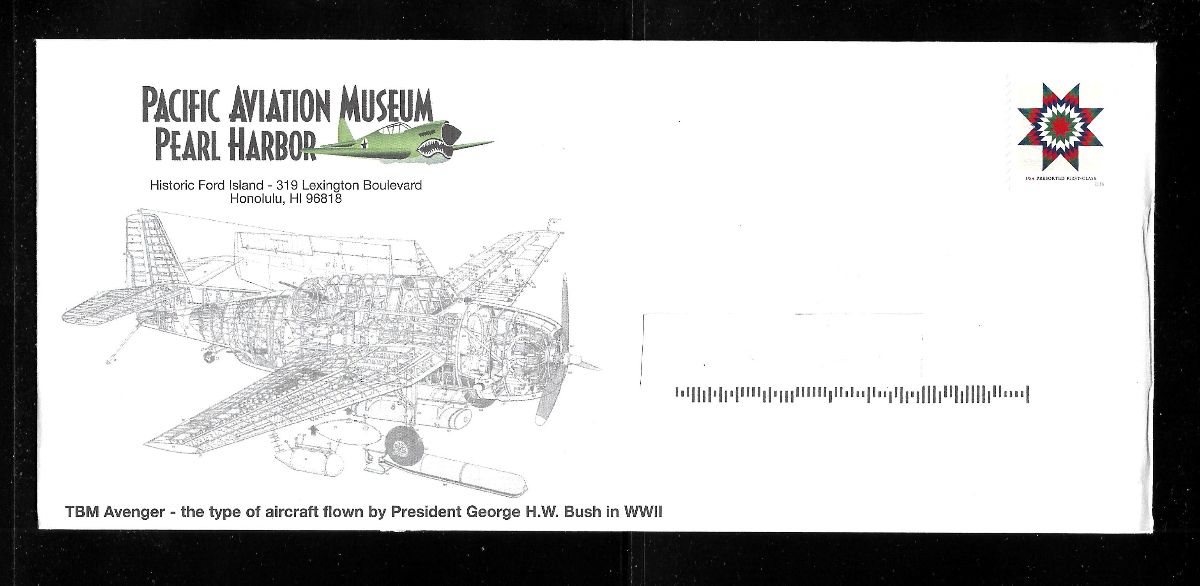 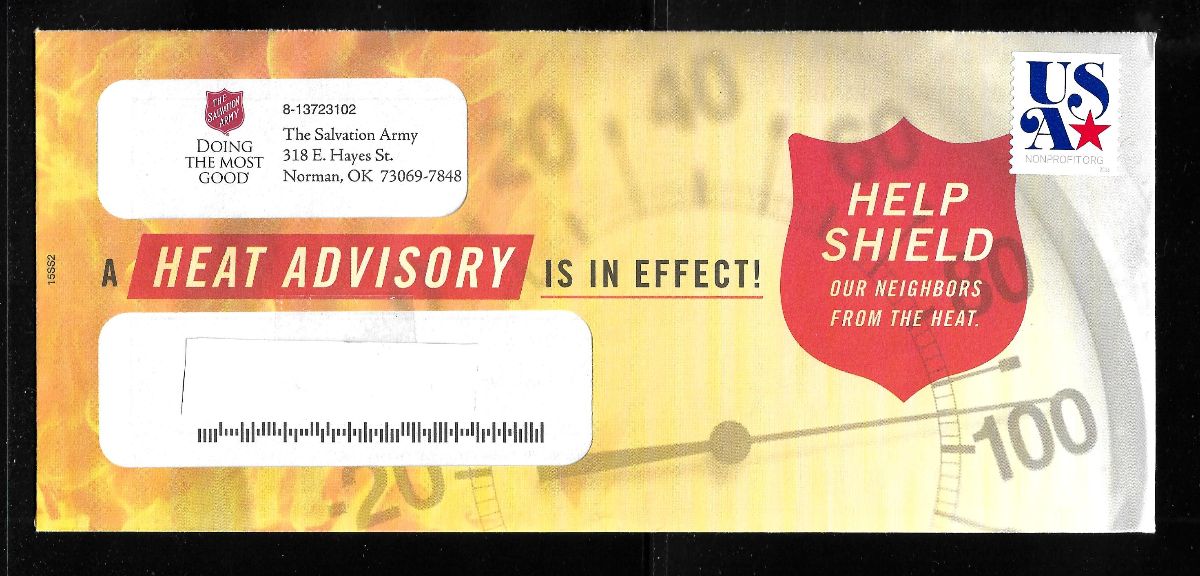 |
|
Send note to Staff
|
| Edited by DonSellos - 06/03/2018 7:09 pm |
|
|
Rest in Peace
United States
1189 Posts |
|
|
Don,
I love those covers!
I agree with you, that there is nothing but an upside to holding on to them. While you and I may not reap the benefit of value appreciation, someone who gets them will. |
|
Send note to Staff
|
|
|
Pillar Of The Community
6361 Posts |
|
|
We seem to have lost our original poster. Also part of his original statement: Quote:
The majority of these covers have ordinary machine cancels and no other postal markings. The covers posted in response so far are flashy, interesting and worth saving. Easy decisions to save those. But what about covers appearing ordinary at first glance? Perhaps the original poster can share some scans of what he is really asking about. Meanwhile, to piggyback on another recent thread about a huge accumulation of soaked, used tulip stamps, here are some tulips cropped from full mail pieces. They may appear ordinary at first glance, but in my opinion were worth setting aside. What would these stamps be worth if soaked from their covers? nothing. Clay City, IN, Universal Model K, hand driven machine. Roscoe, PA, International Model HD-2, hand driven machine. Scottsbluff, NE, International with type Y-30 dial. Plymouth, NC, Chamberlain machine used in small towns in the early 1990s - looks like a facer canceler, but it's not. 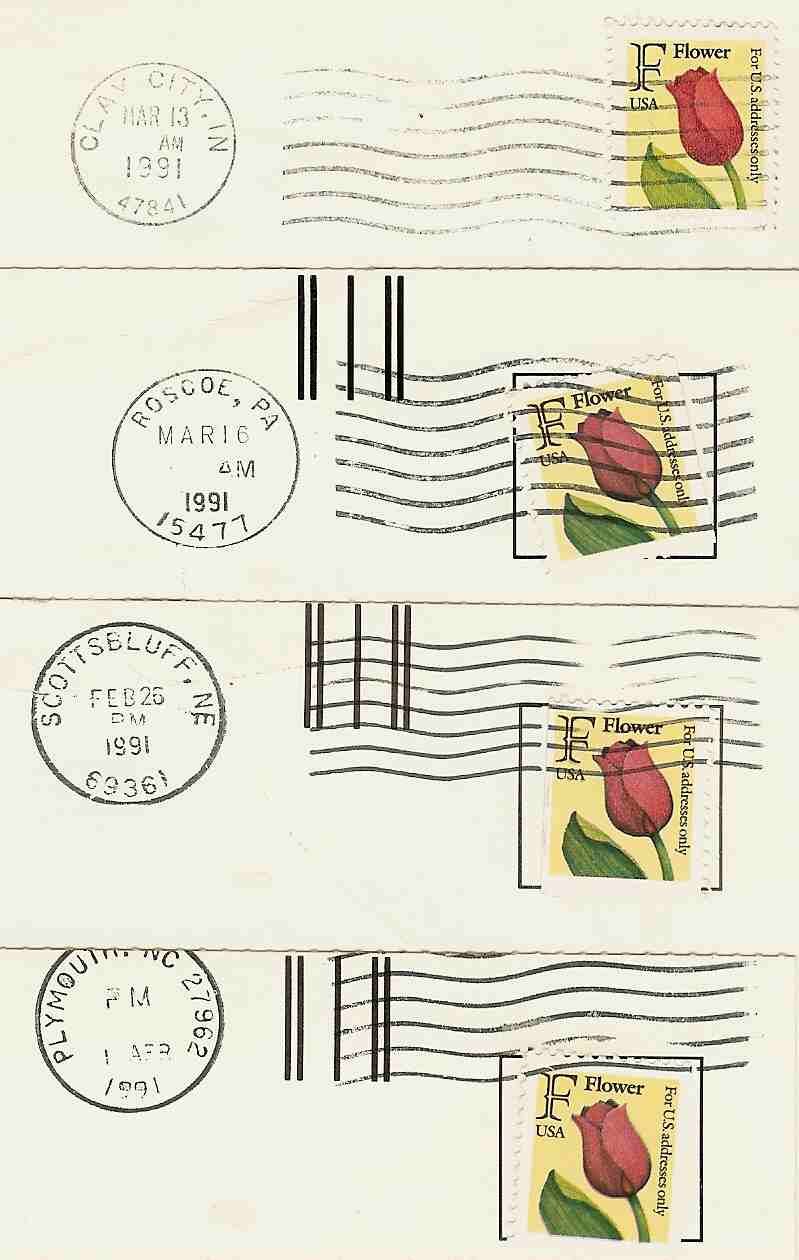 February 29, 1992 Leap Day uses: 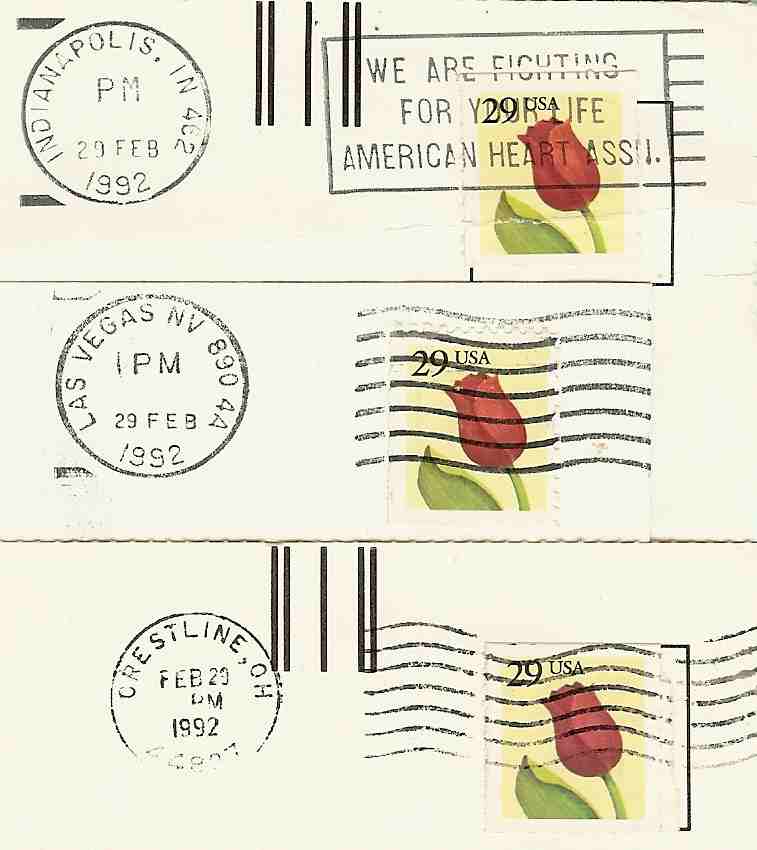 Territorial uses from Puerto Rico and Guam: 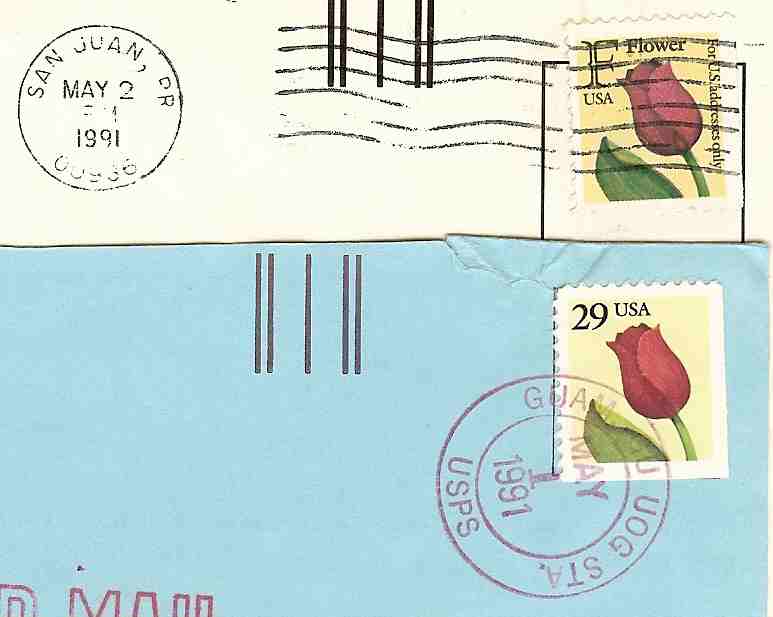 Military postmarks: 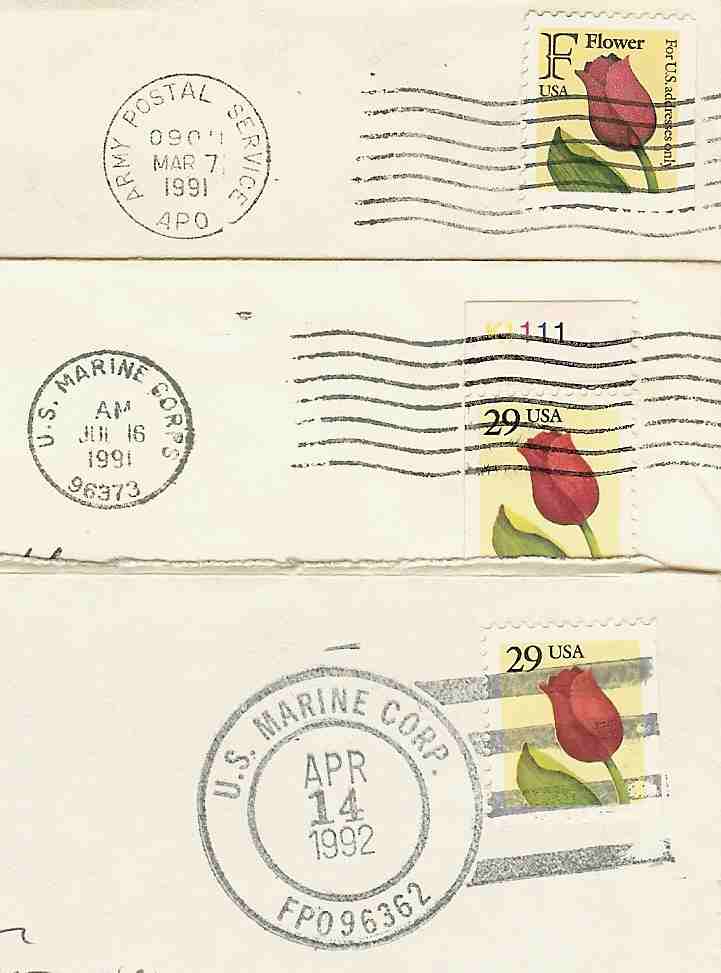 Buffalo "Say no to drugs" slogan. The only city I know of with a slogan in the dial. Easily overlooked. 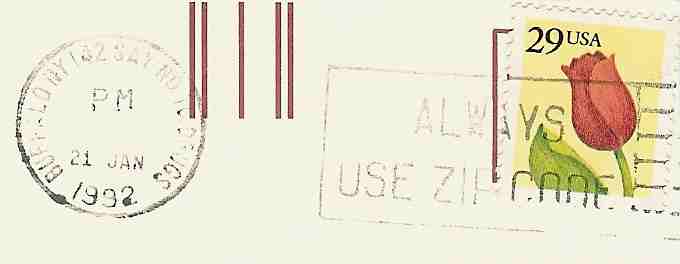 And interesting (humorous?) combinations of stamps and cancels. The middle example might be titled: "What really killed off the dinosaurs" 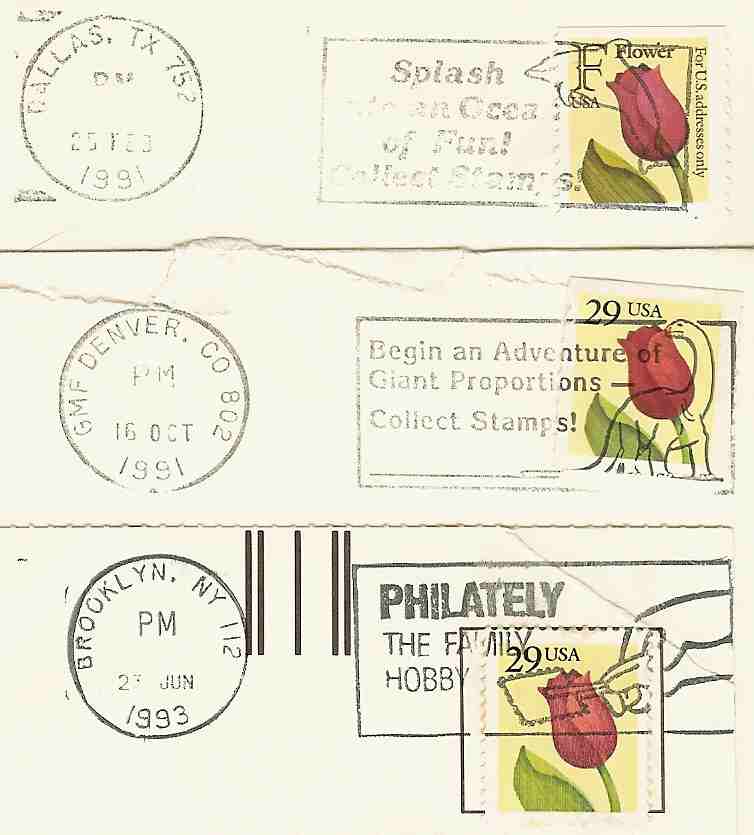 |
|
Send note to Staff
|
| Edited by John Becker - 06/04/2018 12:56 am |
|
|
Valued Member
276 Posts |
|
|
I'm still here and learning, thanks for the replies. Since cover philately is new to me, this gives me an idea of what is considered interesting. Now that I know I can recheck my covers to see, but I suspect most are merely stamped with definitives of their era, for first class service, with standard machine cancels of big cities, and thus quite ordinary and common. |
|
Send note to Staff
|
|
| |
Replies: 14 / Views: 1,835 |
|



 Posted 05/31/2018 4:04 pm