sleonard71,
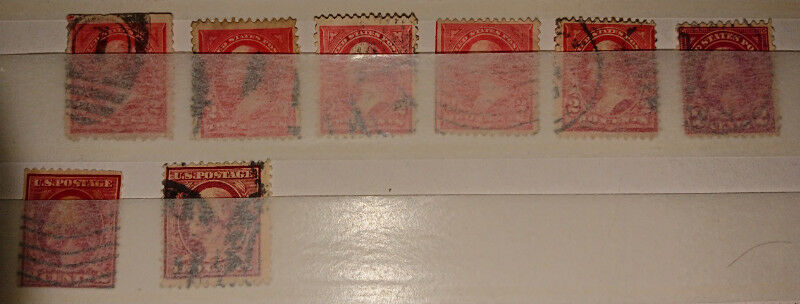
Well I'm glad you are excited about collecting, and the various varieties of Washington-Franklin's is a very tricky part. (Note that of your stamps only 2 qualify as "Washington-Franklin" era stamps, which is from 1908 to 1920 (starting with Scott #331 to Scott #547 (though a few in between there that don't have a image of Washington or Franklin on them so don't "count").
So let's take a look at those.
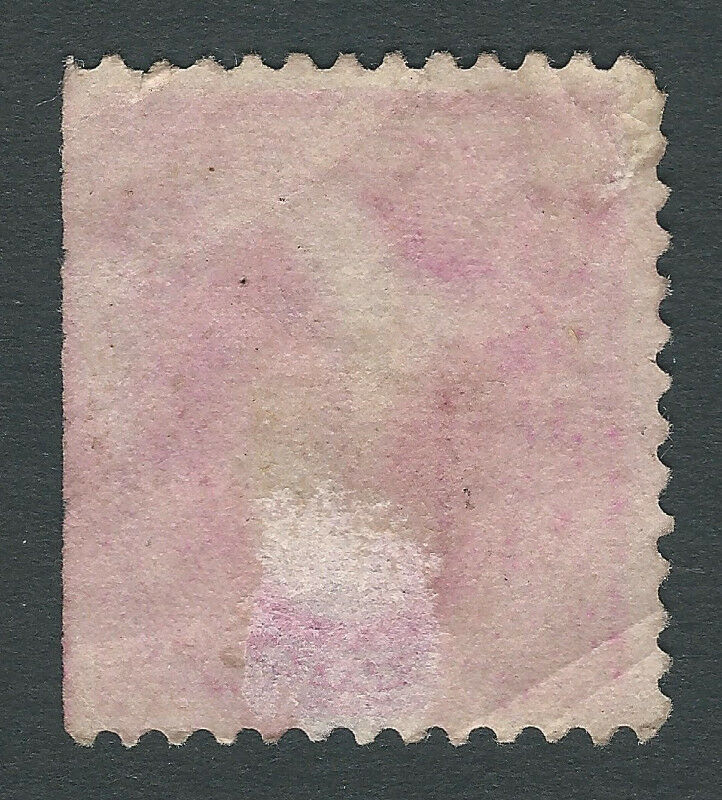
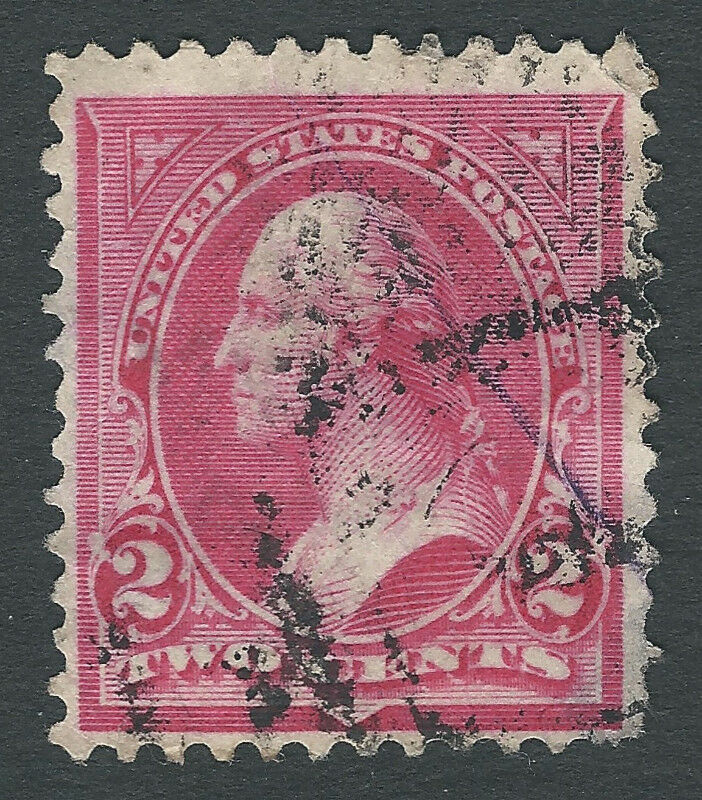
First you have one that has "TWO CENTS" at the bottom.
So let's look at the things we can use to "narrow it down" based on what we know. First, we can quickly see it's a Two Cent red stamp, with George Washington on it. So we know first it's a "Washington", and of the first type for the 2 cents (Design A139, which has the "Two Cents" spelled out at the bottom). There are 3 places we can go to "next" to determine what it is. For this we need a different tool for each of the tests (or an extremely trained eye).
Let's take perforation next, as it's a fundamental identifier.
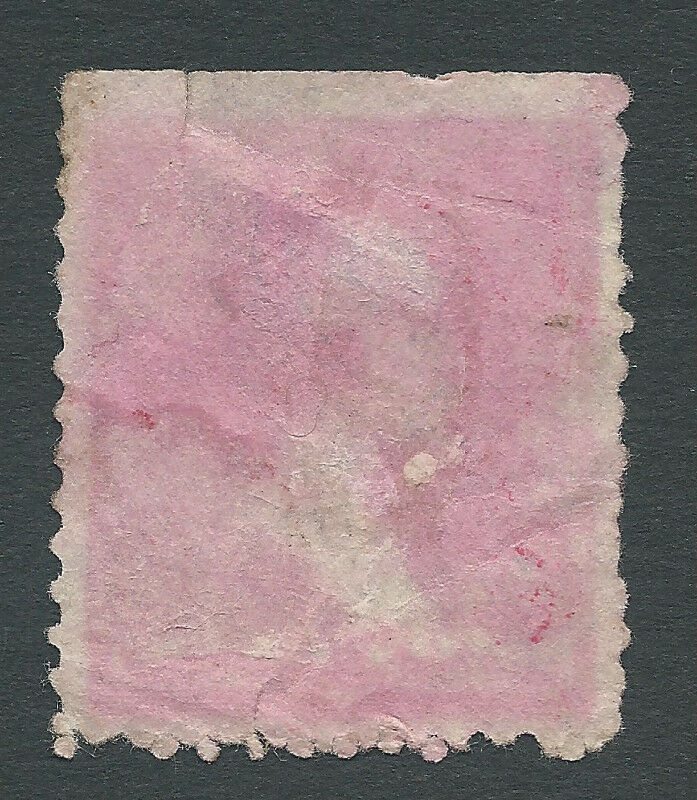
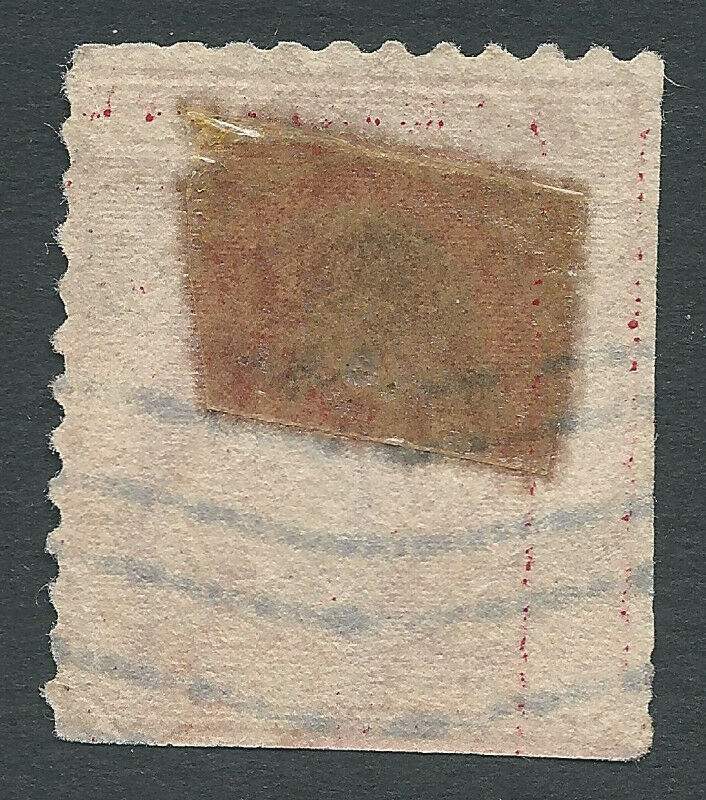
For this, a perf gauge would be preferred, but if you don't have that then we can go after a couple of "known" perforation types on other stamps that are common and you might have. You happen to have one on hand in your list. So we know the stamp isn't a coil stamp because it's perforated on all four sides. We only have 2 options then, is it perf 12 or perf 11. Take one of the other red Washington stamps you have with the more pink color (they are all perf 12) and match their perf to you "Two Cents" stamp. If the perfs match up (just move them to align the tips from one side, if the all match, your perf in this case, is 12). If they don't it's an 11.
So from that we can now tell what the "perf" of the stamp is.
So if it's a 12 (I'm rather certain it is from your photo) we now have only 3 possibilities for your stamp.
322, 375 or a possible 358.
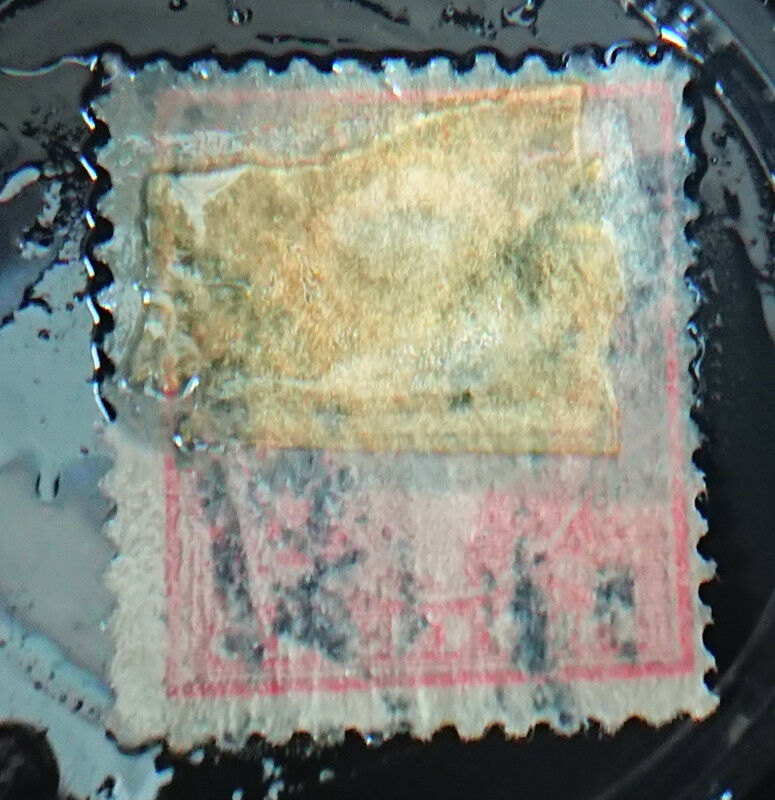
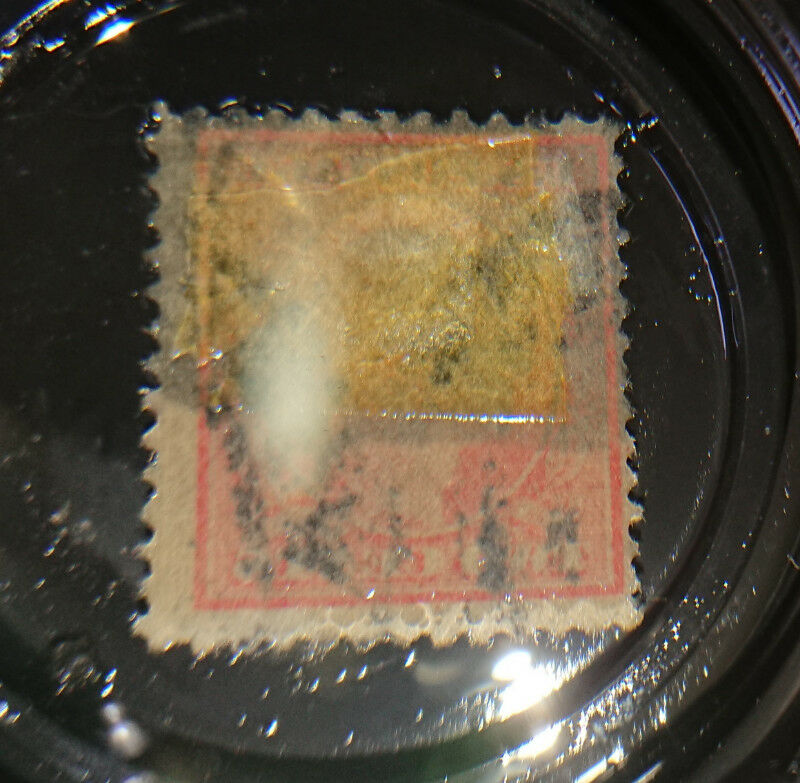
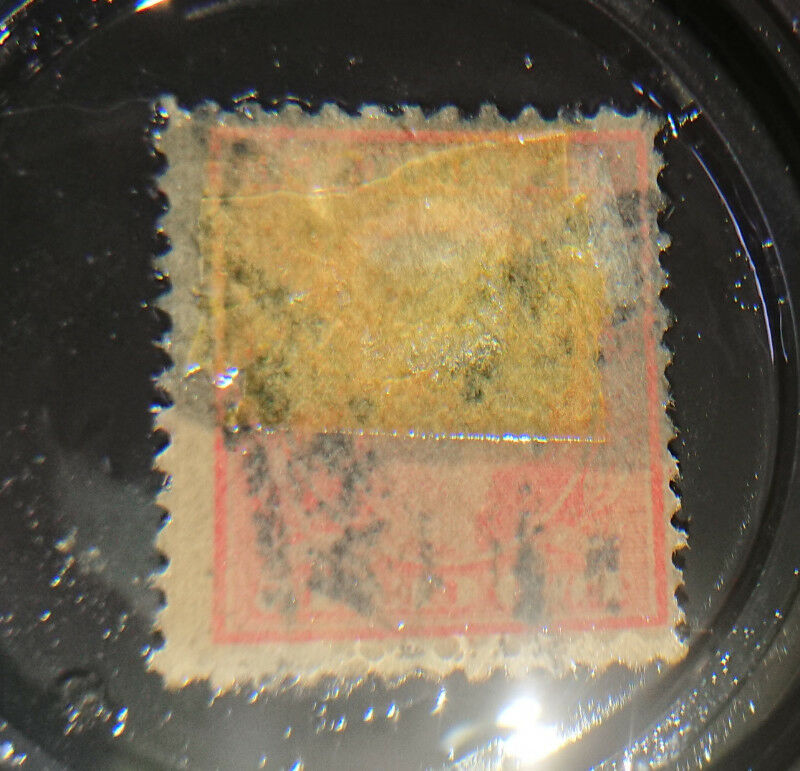
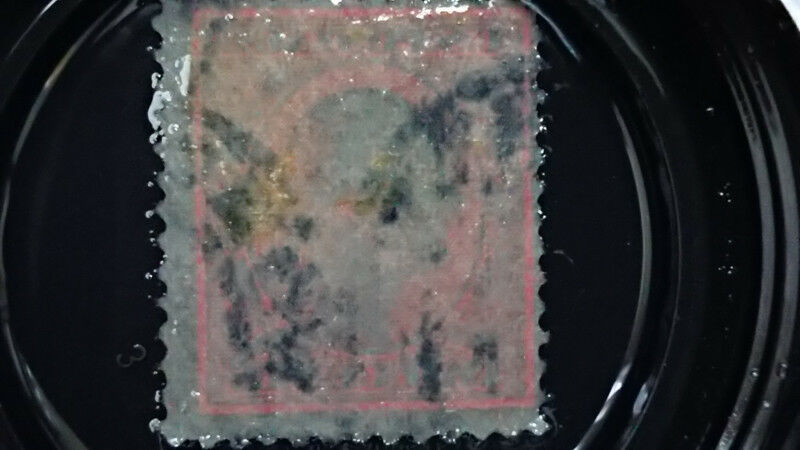
The next thing we can look at then is the watermark. This requires some Ronsonol lighter fluid, and a black dish. Put the stamp face down in the tray, and add some lighter fluid to it from behind, just enough so the stamp soaks up the liquid, no need to submerge it under 1mm of fluid, but make sure it's wet, not just damp.
You should then be able to find anywhere from a trace of a USPS with a "single line" or a "double line". If you're not sure what these are, just Google for USPS Watermark, and there are plenty of images that will come up (both the design, and what they might look like in the fluid).
If you have a single line, then we KNOW you have a 375.
If it's double line, we still have one more step to take, and this one is the hardest. The 358 and 332 are identical except for one point: paper type. The 358 is noted in the Scott catalog as "Bluish Paper". It's actually more grey, but when stamp paper toning and variations it can be tricky to identify. However once again you have some things to help you already.
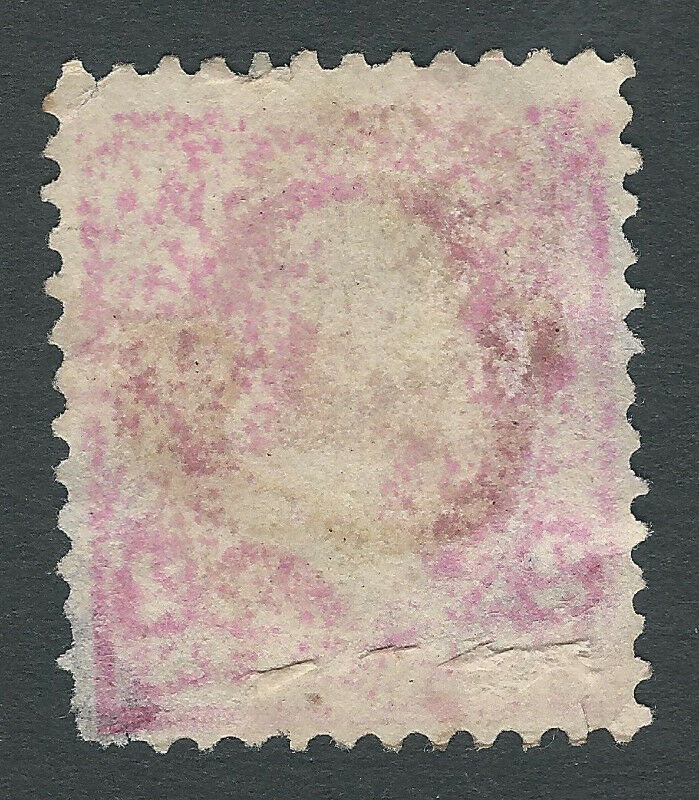
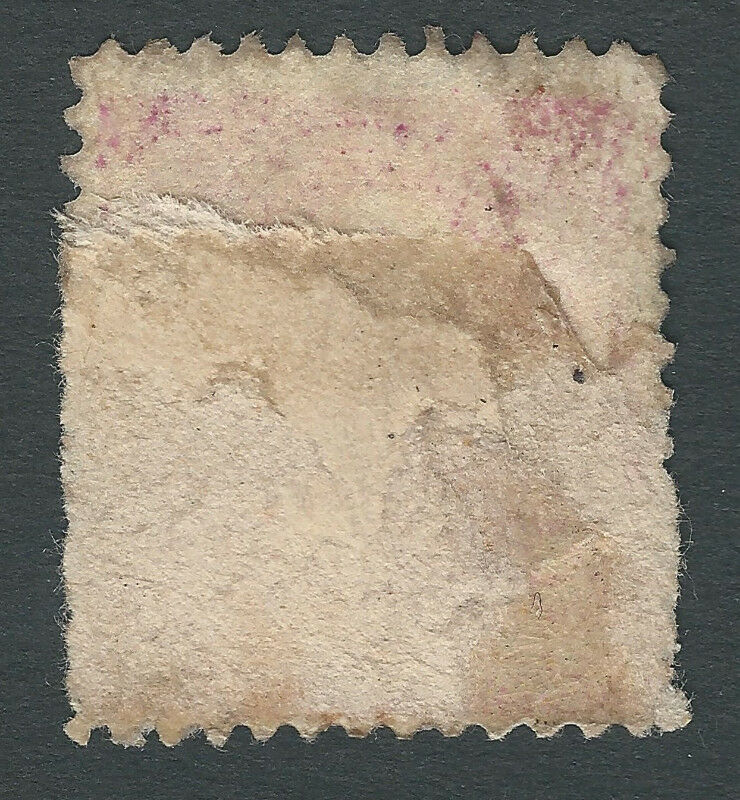
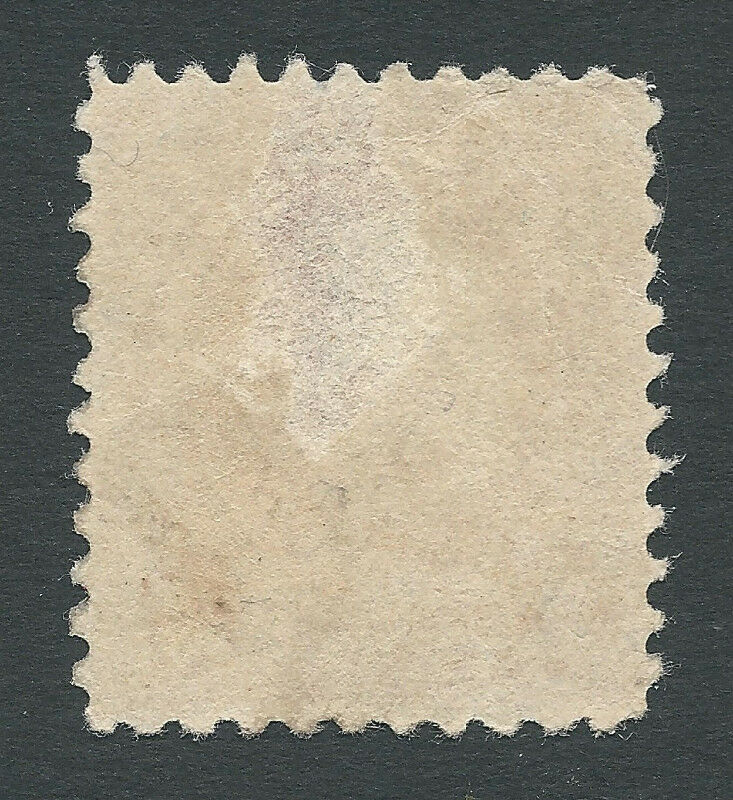
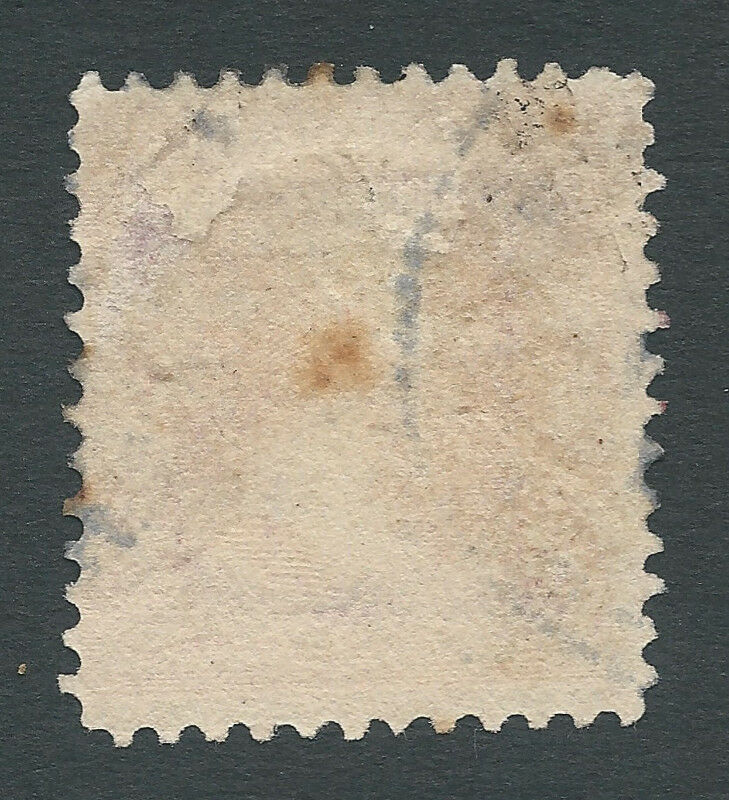
Grab any of your other stamps in that set that isn't "pink" on the back (because that's picked up fugitive ink from another stamp or envelope when it was soaked off), and turn it face down, along with your Two Cents Washington. Now, get a piece of ORANGE (preferably) colored paper (dark yellow also works, but not as well). Place the two stamps face down on the orange paper, side-by-side, and look at their papers. Do they look the same (or at least reasonably the same?) Then it's not bluish paper. If the Two Cents Washington looks somewhat grey against it, THEN you have a bluish paper 358.
I've attached an example of what this will look like here:
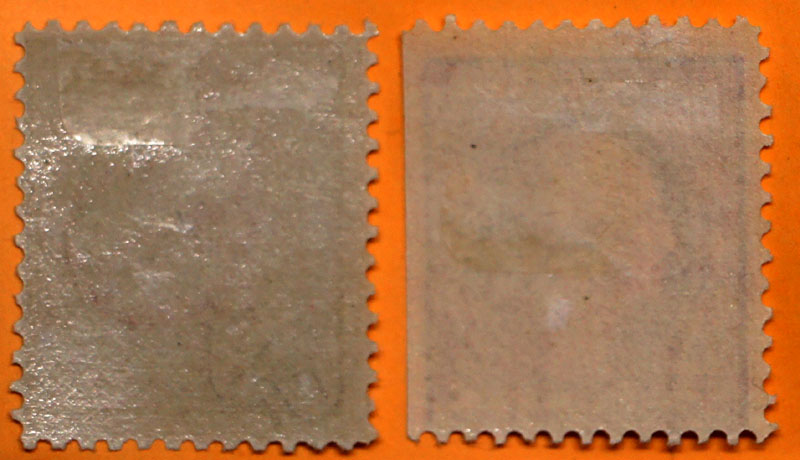
Note that the 358 is on the left. The paper also tends to be a bit thicker, and you can see that the design from the front is faintly visible in the stamp on the right, but the one of the left, is very hard to see the design.
That is how you ID a 1908 - 1909 A138 design Washington.
Get a perf gauge.
Get a watermark tray and fluid.
Get some orange paper.
Get a loupe with magnification of 15x.
You'll need all these for IDing your Washington-Franklin stamps.
Oh, and get a Scott Specialized catalog, either in print or online. No substitute for that.





 Posted 01/19/2019 05:51 am