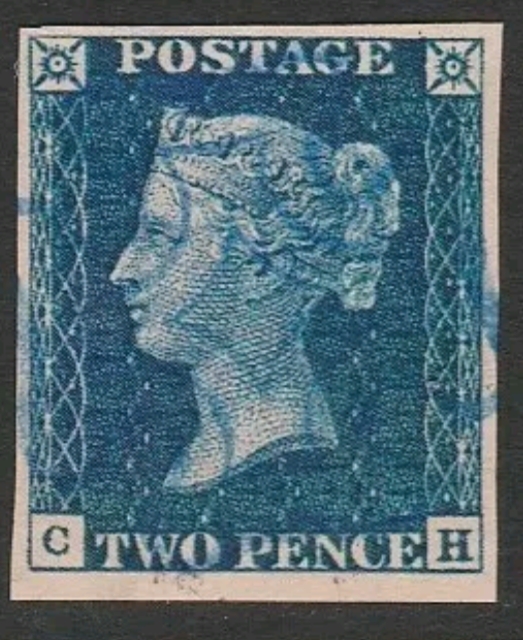
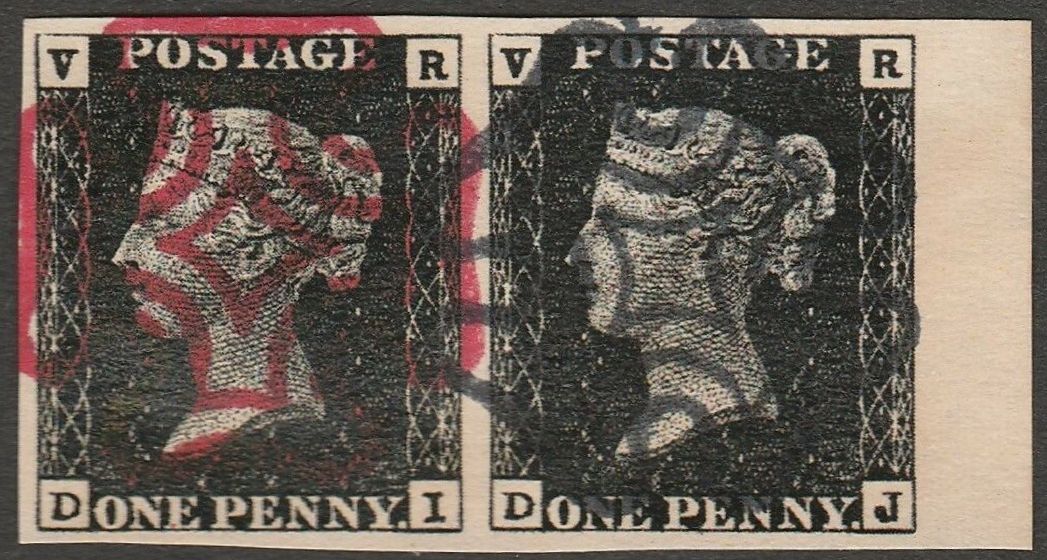
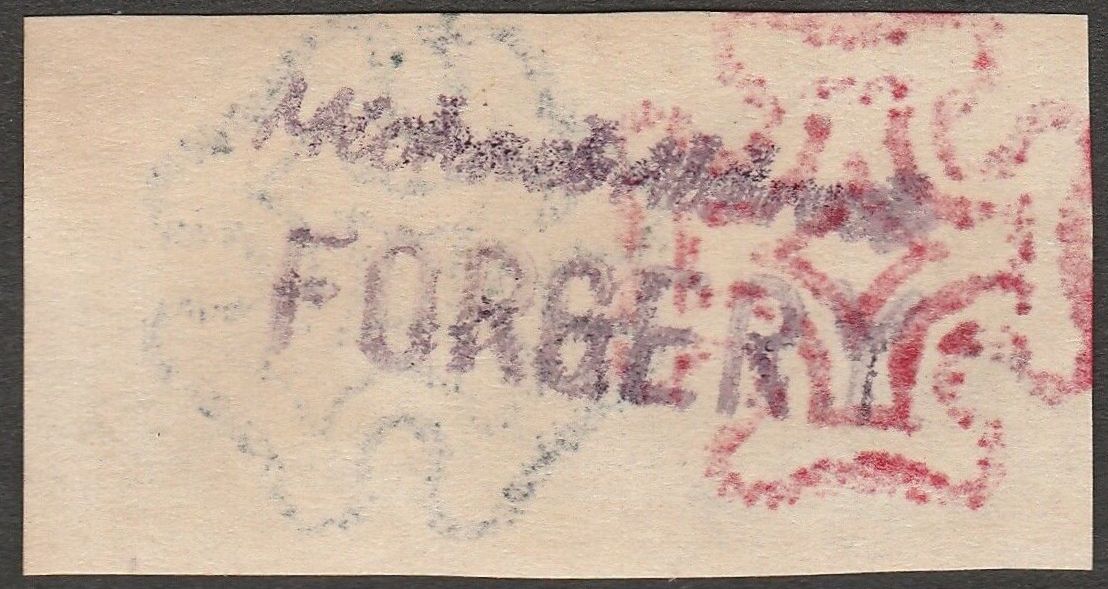
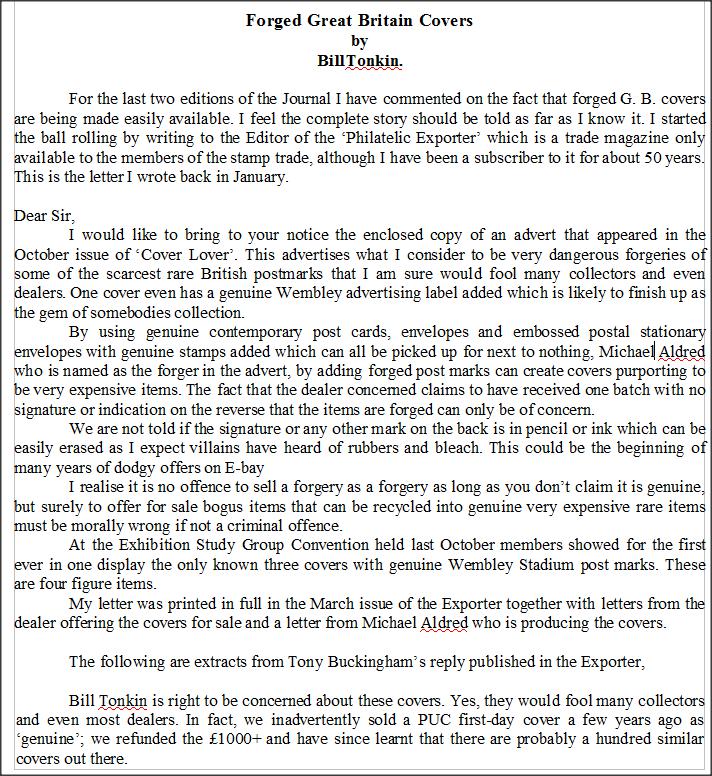
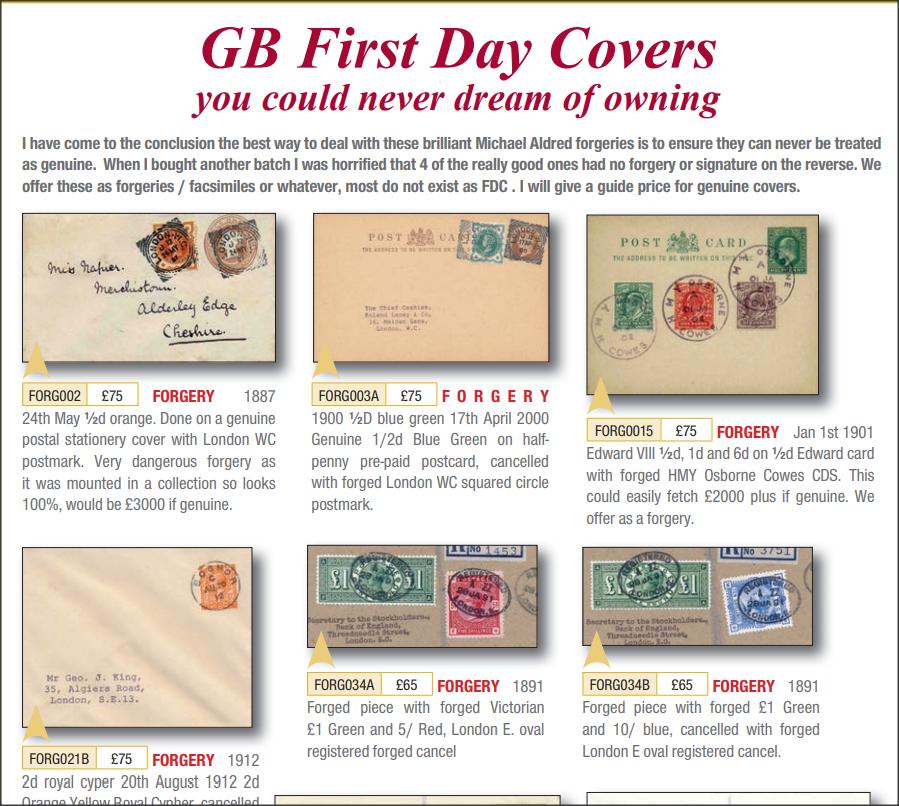
Not a lot is known of Michael Aldred in terms of his biography etc. The following is what he had to say about his forgeries in his rebuttal to Tonkin:
Firstly I would emphasise that, without exception, I have we offered my material as forgeries and have always described them as such. This being the case, I have no moral issues whatsoever with their sale. My intention was to produce these items purely for interested collectors (and to give me an interesting diversion in retirement), and I am saddened to learn that there are criminal elements out there in the philatelic world who are prepared to doctor my items and attempt to pass them off as genuine.
It was certainly never my intention to become a 'Lowden' or 'Stock Exchange' forger. If it had been, then it is clear that since my earlier material has duped even the most experienced individuals (who see many rare covers on a day-to-day basis), then I would now be Britain's most infamous philatelic forger with a small fortune in the bank. If I had been so-minded, then what could I have got for, say a 1929 PUC FDC with the full set to £1 with 'Congress' cancels? Outlay £400? Sale price £12/15K.
I'm surprised that much of my earlier material has been considered by the trade to be genuine, since I always incorporate subtle clues in my covers to confirm that they are forgeries. For instance, take my forgery of the 1929 Postal Union Congress low values FDC with 'Congress' cancels. They are all addressed to G Hamilton-Smith at Stanley Gibbons. Hamilton-Smith was indeed a director of SG, but he died in 1926, three years before the issue of the PUC stamps. In addition, I deliberately distended the '0' of '10 AM' in the cancel. Many other covers are on modern as opposed to period envelopes, have cancels of an incorrect size, have fake addressees, non-existent addresses, and the like.
It is clear to me that in many instances even rare covers are taken at face value, without any serious scrutiny or research.
I utterly reject Mr Tonkin's assertion that because I have offered items for sale that can be doctored by criminals into 'genuine-looking' items that I have committed a 'criminal offence'. I can't be held liable for the criminal acts of others. If this were the case then just about every stamp dealer in the UK could find himself liable to prosecution. There is much material for sale on
ebay other than my own which can be doctored by the criminal fraternity for financial gain.
For instance, would you say that a stamp dealer commits a criminal offence if he sells me a mint 1841 Penny Red to which I subsequently apply a forged Channel Islands Maltese Cross cancel to it and pass it off as genuine? Whether or not the item initially sold is genuine, a forgery or a replica, or whatever you wish to call it, is entirely irrelevant, culpability rests with the individual carrying out the deception.
Although I do not believe that I have any legal obligation to do so, in an effort to assist the stamp trade, I am voluntarily removing my covers from sale.
If the problems are as serious as you say, then I would suggest that the publishers of the major stamp and FDC catalogues should be asked to insert footnotes in their catalogues warning collectors of the existence of my material.
I am now going to have to think of some other things to do with my time, although I shall continue to offer naive replicas of GB stamps off cover. I would emphasise that these are produced reprographically - not from a printing plate. They are all on modern, unwatermarked paper and in most instances the perforation gauge is incorrect. If anyone is duped by these then they should either spend more time studying stamp catalogues or take up another hobby.
I will contact the Royal Philatelic Society to see whether they wish to have specimens of my work for reference.
A copy of this letter has been sent to Bill Tonkin and Tony Buckingham.
Michael Aldred





 Posted 03/11/2019 04:55 am