Where does one draw the line between "provisional usage" and "illegal usage" (or "improper usage")?
Both involve the usage of postage stamps as revenues. My understanding is that "provisional usages" are during the very beginning of the implementation of a tax, before sufficient stocks of the appropriate revenue stamps are available. Is that an accurate definition?
What criteria determine a provisional usage vs. an improper/illegal usage?
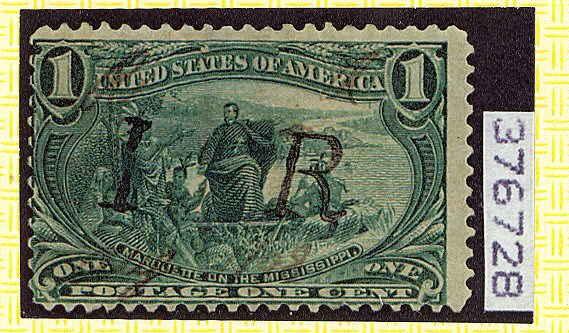
Is it the presence of an overprinted, handstamped, or manuscript "I.R." as opposed to just a normal cancel (with respect to documentaries)?
Is it that in order to be considered provisional, it must have originated from specific businesses or in certain cities/regions?
Were provisional usages formally authorized, whereas simple illegal usages were not?
I've seen various overprints, handstamps, and manuscript notations described as provisional usages, but it doesn't seem like there are formal definitions or distinctions... at least as far as U.S. revenue tax use.
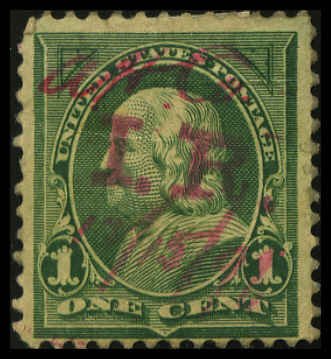
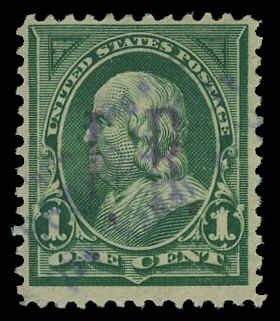
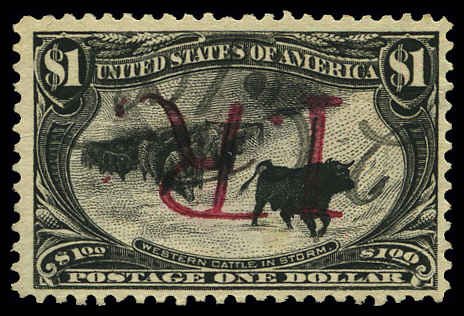
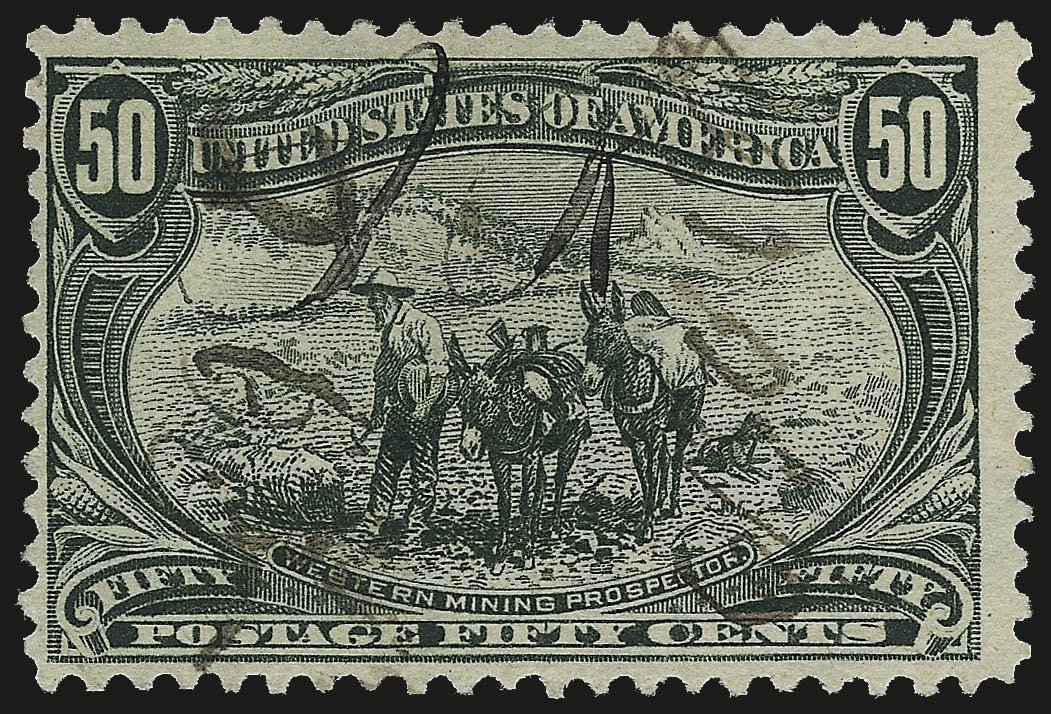
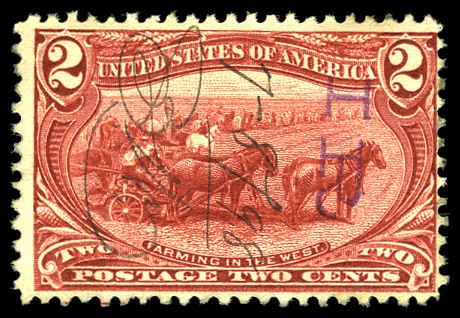
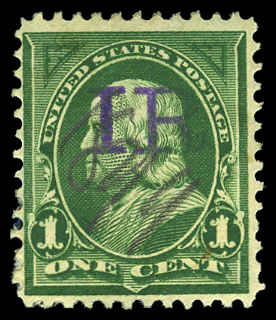
Some examples from the Philatelic Foundation of items they consider genuine "provisional" usages:





 Posted 05/23/2019 8:11 pm





