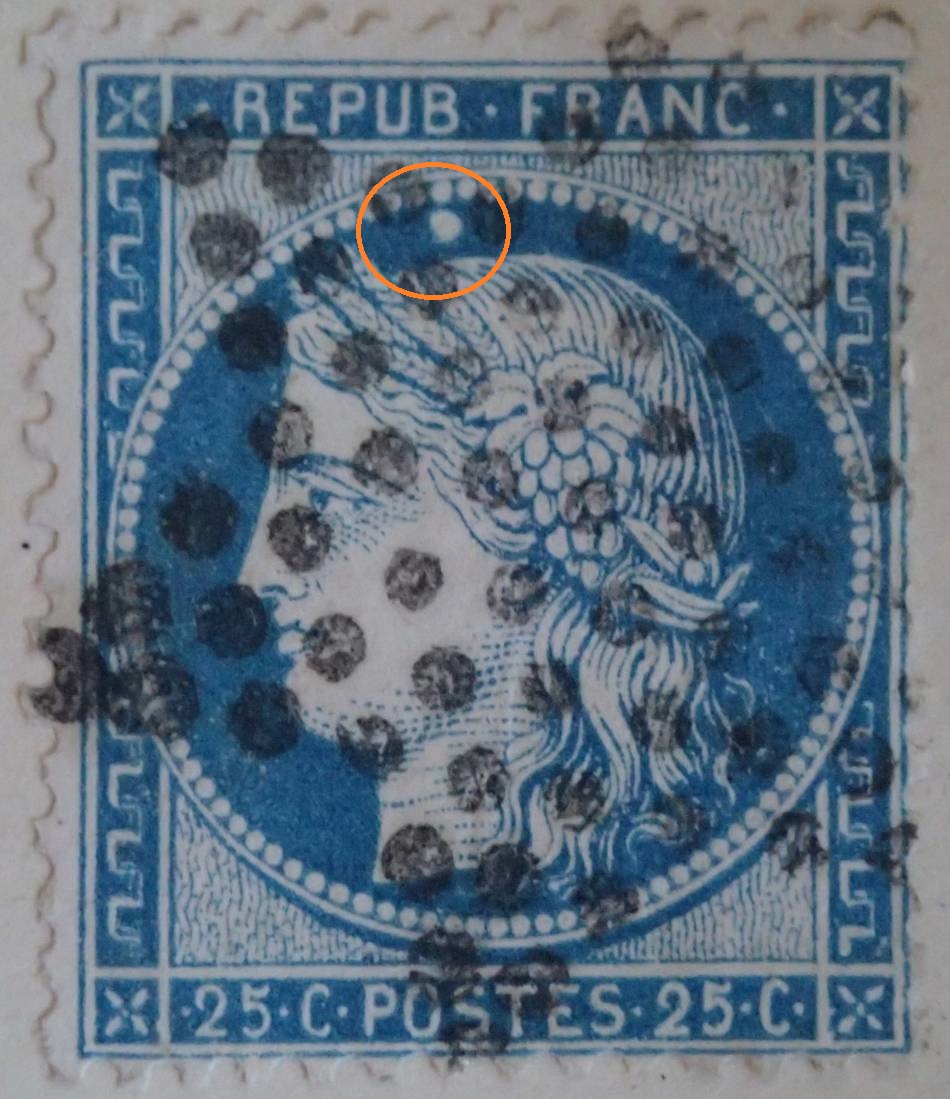
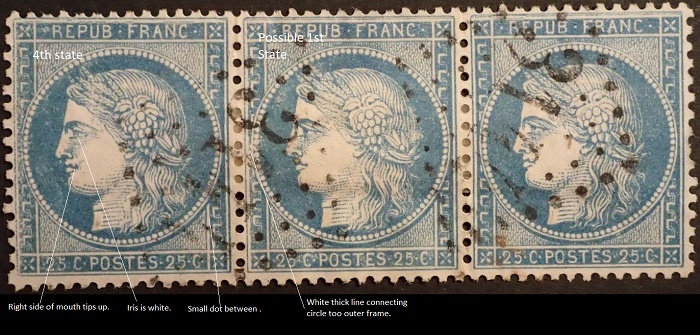
Thanks, I used the page last night, and found it was incredibly poorly made.
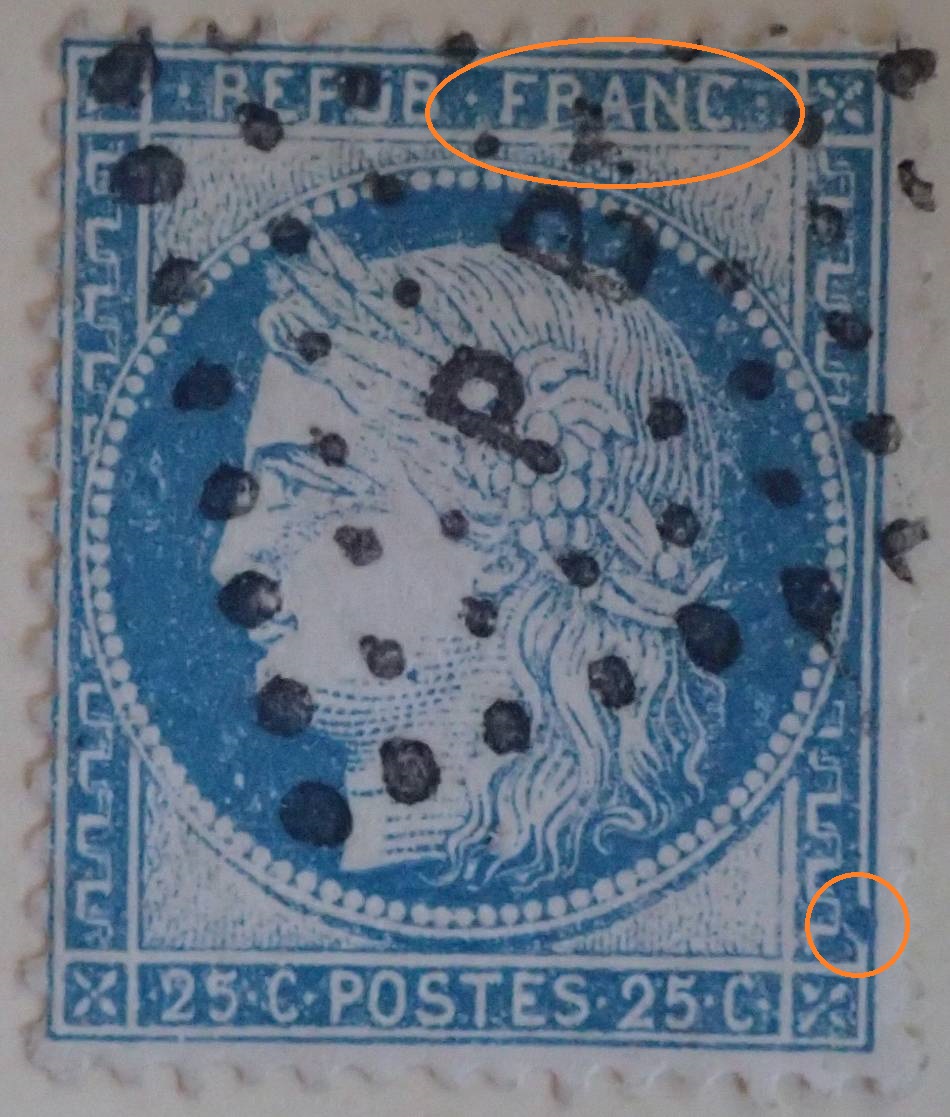
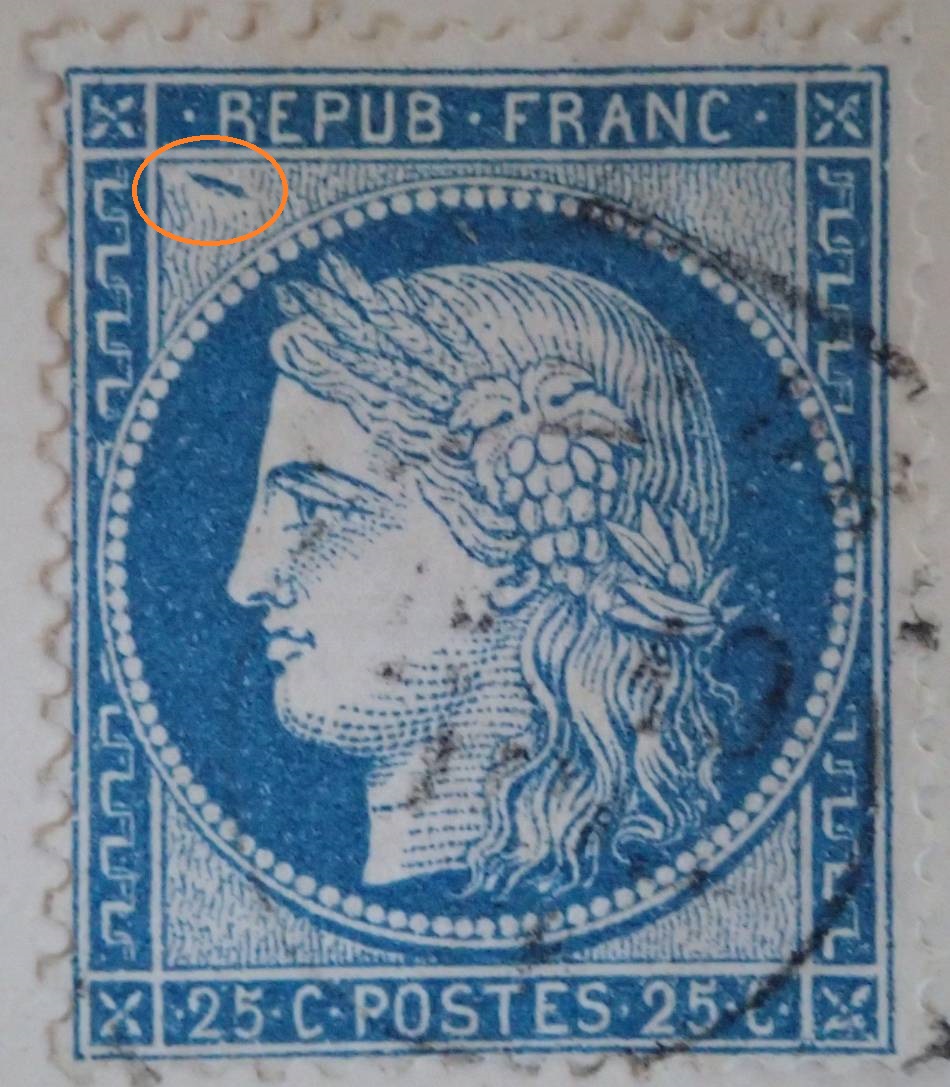
First of all, when you have a plateflaw, and you've established type 1-3, you still have to look through all of the positions until you find the exact one.
and if you zoom the page so you don't have to click every single stamp, once you do, the resolution is extremely poor - So a lot of zoom in and out is needed.
from what I read, the stamps were printed in sheets of 300, then cut in 2.
the page only shows stamps in position 1-150, were these 2 sheets completely identical (i doubt they were)
i figured out the 60A-C myself last night, and then the second part is to click on the D1-G1 and so on, but what do they mean?
under each you have 1-50- 51-100- 101-150, and all seem to be different.
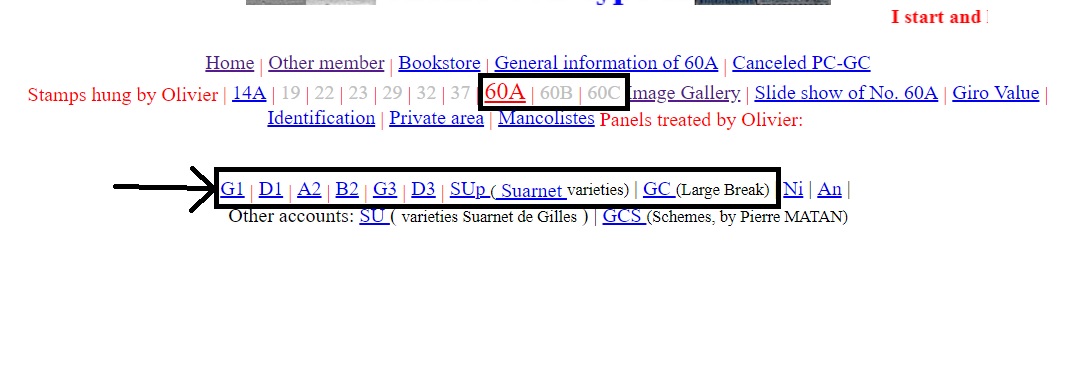
what does 1. etat, 2. etat mean exactly, i've assumed it's how the position evolves, but is it 1st print, 2nd print? or stages, first in the emission last in the emission and so on, because some doesn't have this, and some goes all the way up to 7. etat and maybe more.
also, 60C seem to have very few informations, I assume it's because these were last to be printed, and the technique had improved = fewer flaws. (it's the same in Danish bicolour)
do you know if there have been worked on perforation machines, telling vertical rows apart as this is clearly comb perforated?
after about 15 mins of scrolling and comparing i've positioned this strip of 3, to position 11-13 under Gilles G1, however the other people working with the same seem to have varying information and apparently they don't completely agree which is what.
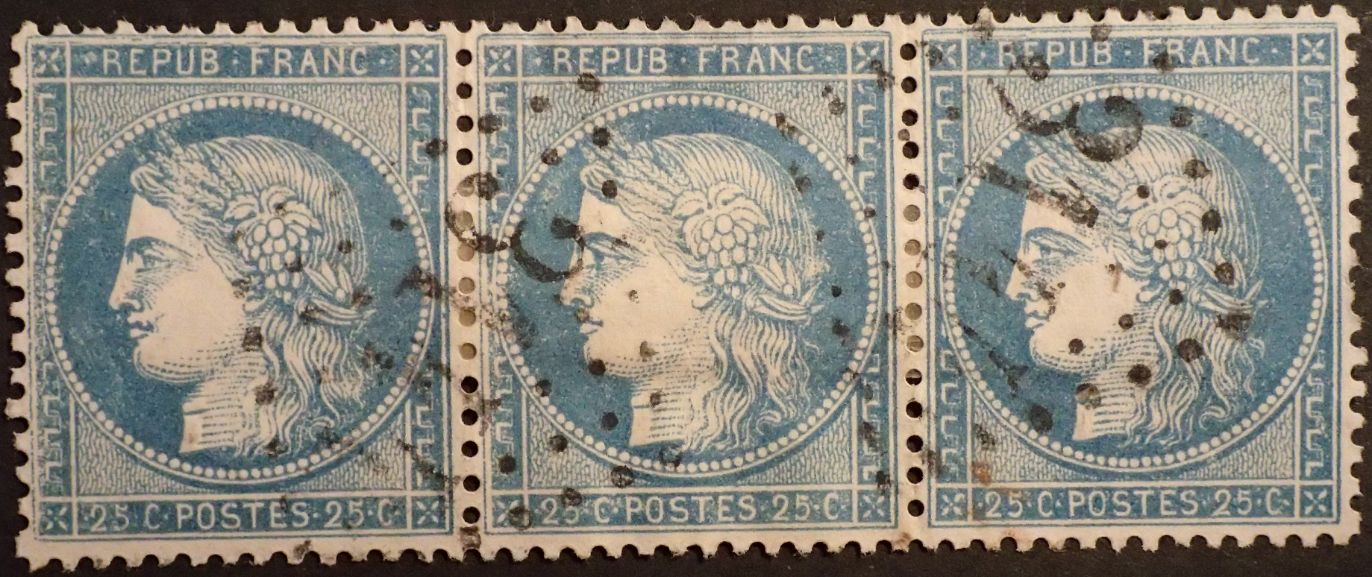
so, position 11-13, in what print/shade/emission/etat???





 Posted 07/20/2019 09:02 am