| Author |
 Replies: 14 / Views: 2,055 Replies: 14 / Views: 2,055 |
|
|
Pillar Of The Community
United States
2941 Posts |
|
|
In June 1911, the German postal authority officially authorized the opening of a post office in Namatanai, a small village on the island of Neu Mecklenburg, Deutsch-Neuguinea (present-day island of New Ireland, Papua New Guinea). 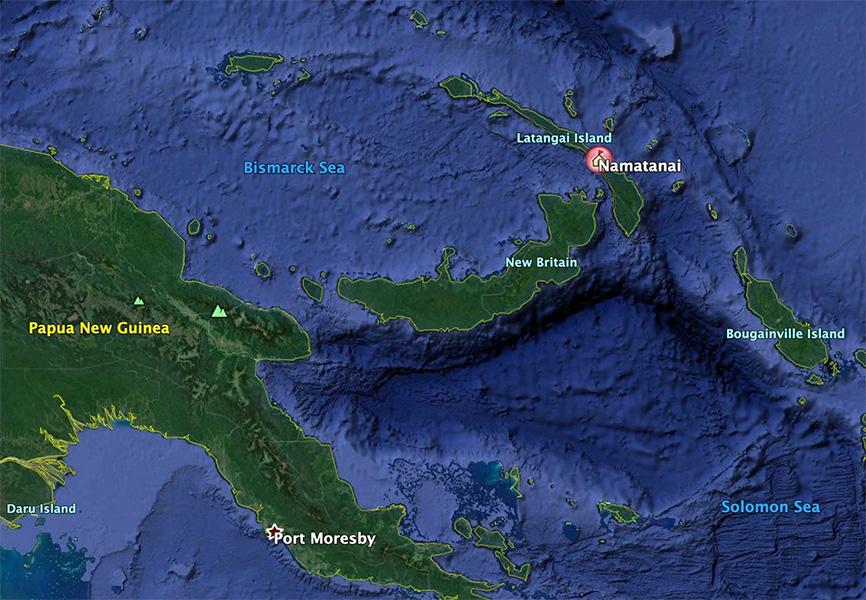 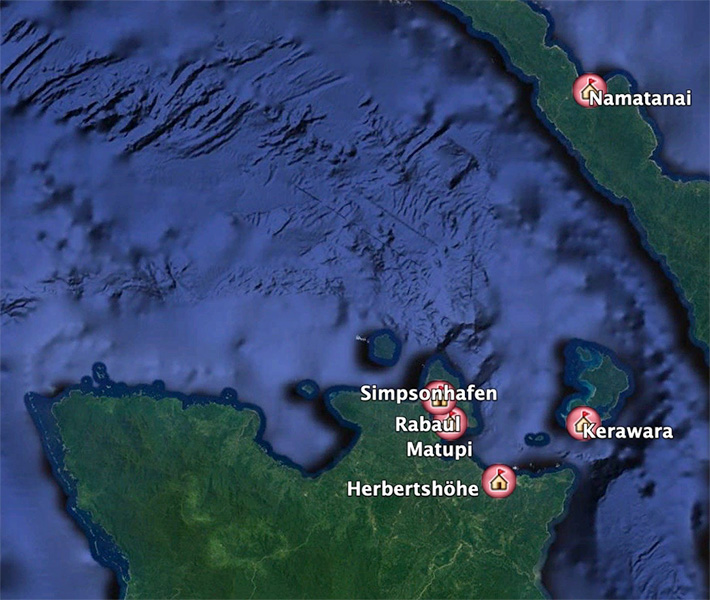 A canceller was created and shipped aboard the steamer Ziethen, which departed Bremen on 30 August 1911. 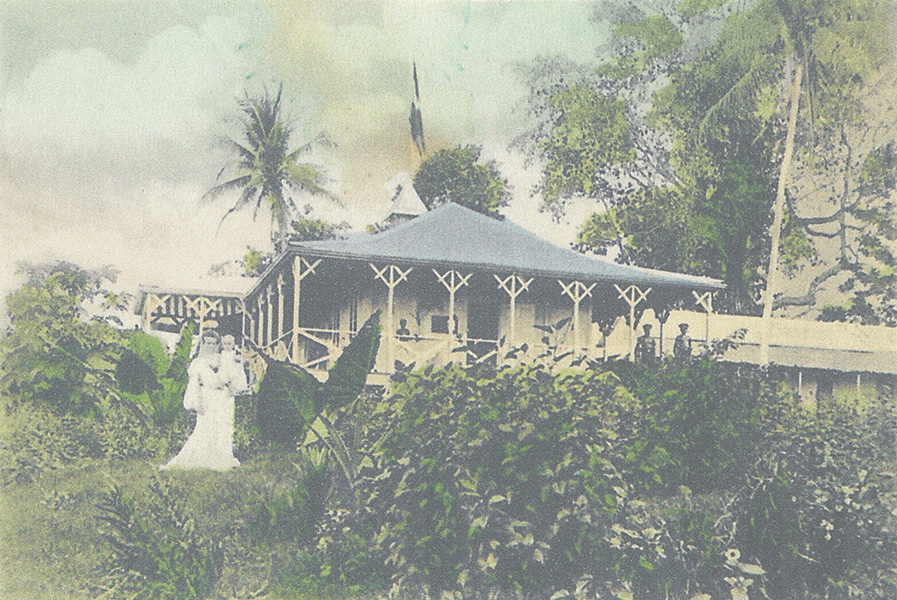 Namatanai Post Office Namatanai Post OfficeThe post office opened on 11 September 1911, but the steamer carrying the canceller did not arrive until sometime in October or November 1911 (the earliest known use of the canceller is 5 December 1911). The question of what was used in the intervening 3 months has never been adequately answered. However, manuscript cancellations form the period are known. According to the attached article from the September 1997 issue of Vorläufer (the journal of the German Colonies Collectors Group), five manuscript cancellations are known to exist, though the fifth is almost certainly a forgery. 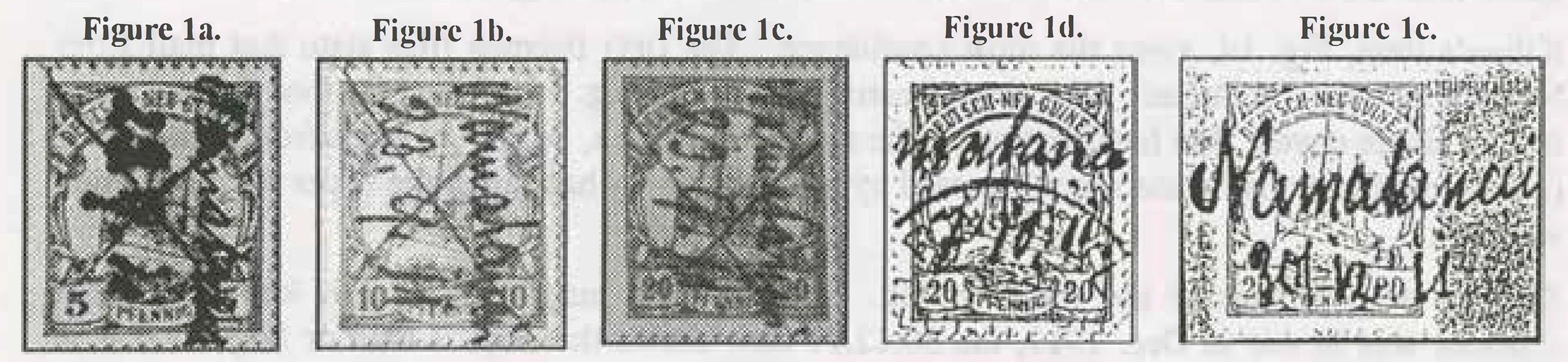 Three of the stamps bear a manuscript "X" with the placename and date. They are likely from a single cover on a single date, and are likely philatelic (the Postmaster at Namatanai was a philatelist). The fourth bears a manuscript cancellation and a Rabaul cancel. Of the four "legitimate" copies, this one is most likely to be genuine, as the mail was known to have been routed to Rabaul from Namatanai, and could have been expected to have received a Rabaul cancel. Regardless, all four have identical handwriting, which would seem to indicate that all four are contemporaneous. I'm now the proud owner of the fourth copy. 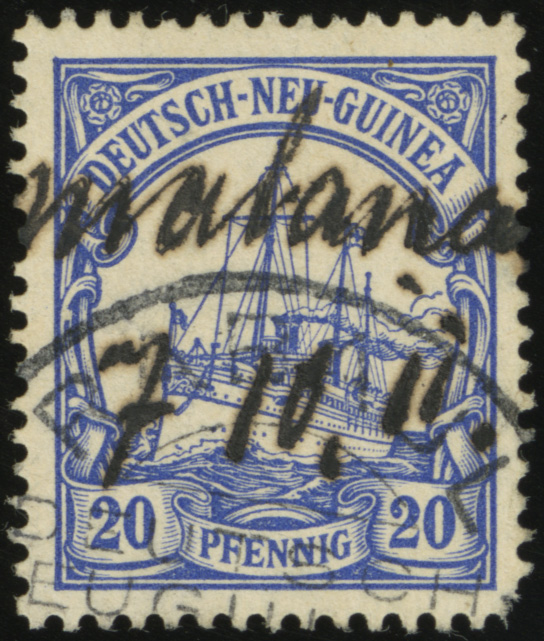 And here it is on the album page.  Click to enlargeVorläufer excerpt Click to enlargeVorläufer excerpt. |
|
Send note to Staff
|
|
| Edited by PostmasterGS - 02/17/2020 7:10 pm |
|
|
|
|
Bedrock Of The Community
Australia
38679 Posts |
|
|
Bravo Postmaster !
Alas! you missed out on the most important thing here, how did you come across it etc?
We want the background story, nervous bidding etc etc .
Had you been actively looking for an example?
Whom would have been writing from such a remote spot? and on what topics do you think? What was the German interest of that area?
I like the appearance of the what appears to be double writing, illustrating the pen nib separated without ink on the upstroke, and heavy on the downstroke.
|
Send note to Staff 
|
|
|
Pillar Of The Community
United States
6756 Posts |
|
|
Pillar Of The Community
United States
2941 Posts |
|
|
Rod, I'm afraid the story isn't very exciting. I found it browsing on the German ebay and did a Buy It Now. I was unfamiliar with the usage when I saw it on ebay. I recognized that it had to be unusual because of the manuscript cancel on issues that don't normally have them. Under normal circumstances I might have just assumed it was a fake and moved on, but the seller was one of the big German auctionhouses that just happens to also sell some items on ebay. I have all the old volumes of Vorläufer (the Journal of the German Colonies Collectors Group) in searchable format, and I quickly found the PDF article linked above that solved the mystery of what it was. The founding of a German colony in DNG was largely to take advantage of local resources. Copra production accounted for 80% of the colony's exports, and that was likely the reason for the German presence in a location as remote as Namatanai. The stamp was likely used by one of the few Germans who actually lived there to run the plantations. |
|
Send note to Staff
|
|
| Edited by PostmasterGS - 02/18/2020 04:15 am |
|
|
Pillar Of The Community
United States
713 Posts |
|
|
Valued Member
United States
266 Posts |
|
|
Pillar Of The Community
United States
8601 Posts |
|
|
Bedrock Of The Community
Australia
38679 Posts |
|
|
Thanks Postmaster,
yes, still a great story.
The type of thing that lies within us all, I think, as we participate in our hobby.
The making of a "great find" be it a stamp, a postmark, or whatever.
Yours, certainly qualifies there.
An aside,
OCR (Optical Character Recognition) one of the great unsung heroes of Philately.
I dare say, I use it just about every day in my hobby.
PS: Also solves the niggling query I had, The "Post Office" seemed too grand a building, for such a remote place.
"Plantation" solved that. |
|
Send note to Staff
|
| Edited by rod222 - 02/18/2020 4:44 pm |
|
|
Pillar Of The Community
United States
2941 Posts |
|
|
Quote:
PS: Also solves the niggling query I had, The "Post Office" seemed too grand a building, for such a remote place.
"Plantation" solved that. In the Pacific colonies, the German post offices tended to run a wide gamut. In many locations the post offices started small, then grew. In some, they started small and stayed that way. In many, they were consolidated with all local government functions in a single building. Judging by the appearance, that's likely the case with the Namatanai Post Office shown above. The appearance of all tended to be very "European colonial", with the style also designed to make the climate a little more bearable. 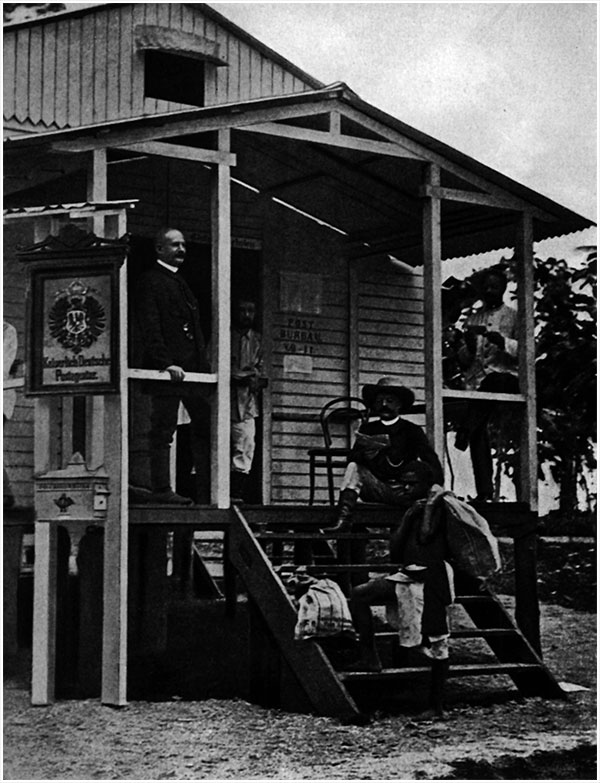 Post Office in Finschhafen, German New Guinea, 1888 Post Office in Finschhafen, German New Guinea, 1888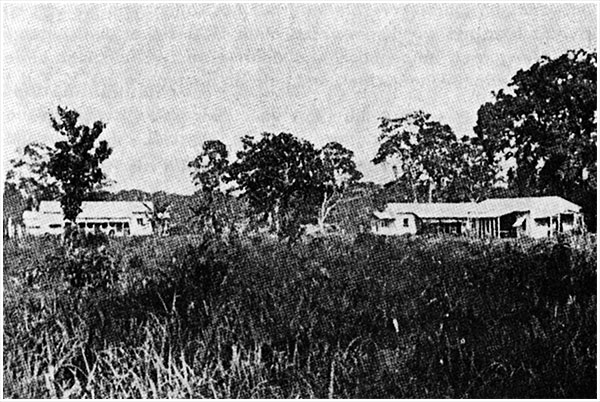 Post Office/Gov Offices/Station in Finschhafen, German New Guinea, 1900 Post Office/Gov Offices/Station in Finschhafen, German New Guinea, 1900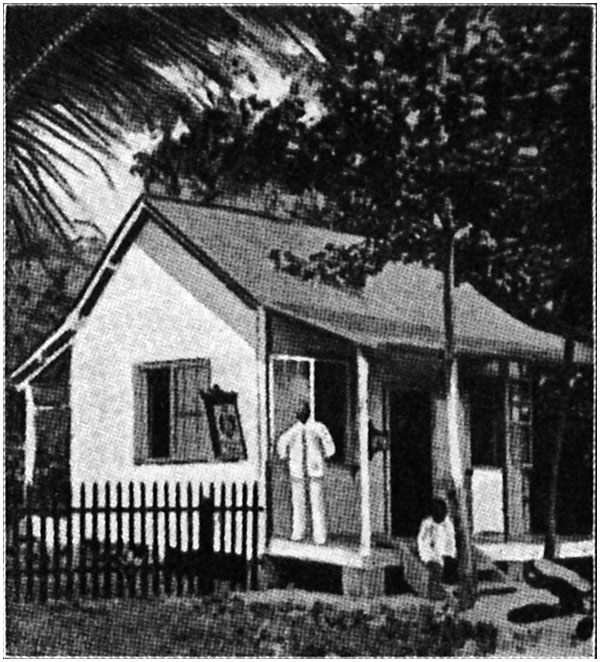 Post Office in Jaluit, Marshall Islands Post Office in Jaluit, Marshall Islands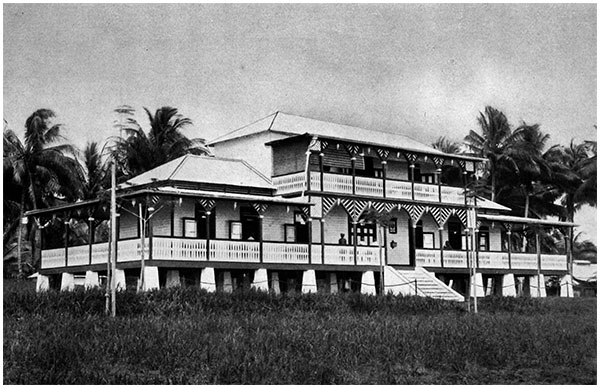 Post Office in Herbertshöhe, German New Guinea, 1900 Post Office in Herbertshöhe, German New Guinea, 1900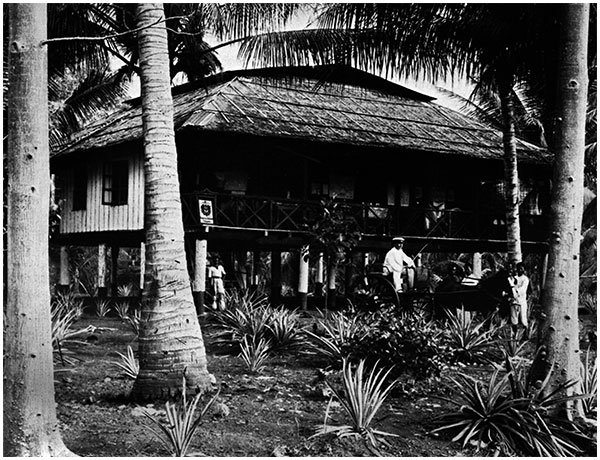 Post Office in Stephansort, German New Guinea, 1890 Post Office in Stephansort, German New Guinea, 1890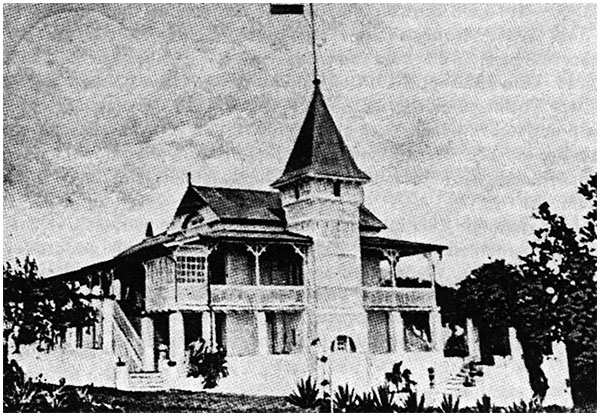 Post Office in Maron, German New Guinea, 1910 Post Office in Maron, German New Guinea, 1910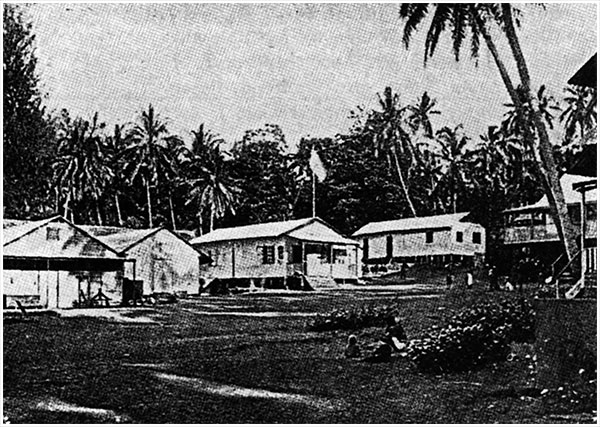 Post Office in Matupi, German New Guinea Post Office in Matupi, German New Guinea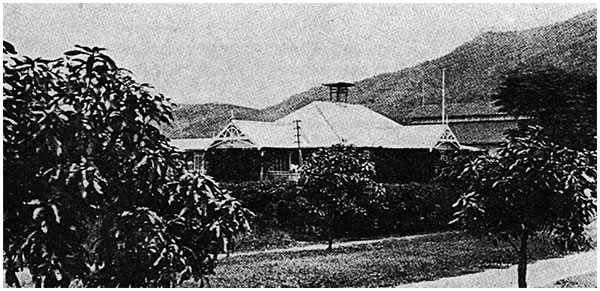 Post Office in Rabaul, German New Guinea Post Office in Rabaul, German New Guinea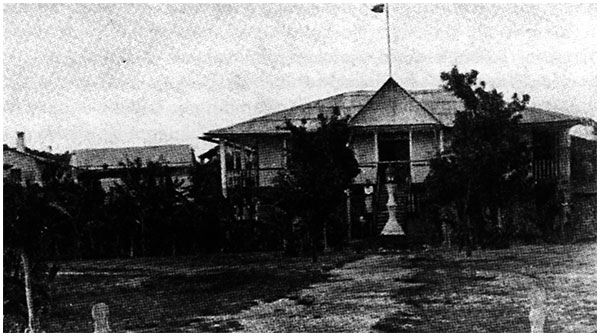 Post Office in Yap, Caroline Islands, 1900 Post Office in Yap, Caroline Islands, 1900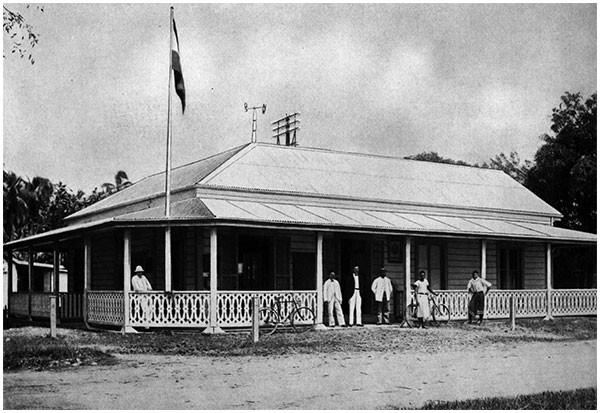 Post Office in Apia, Samoa, 1907 Post Office in Apia, Samoa, 1907 |
|
Send note to Staff
|
|
| Edited by PostmasterGS - 02/18/2020 5:59 pm |
|
|
Pillar Of The Community
Canada
1462 Posts |
|
|
Fantastic - glad it went to an owner who can really appreciate the significance of this. |
|
Send note to Staff
|
|
|
Bedrock Of The Community
Australia
38679 Posts |
|
|
Quote:
glad it went to an owner who can really appreciate the significance of this. My sentiments also. Well said. Lovely Images of early remote Post Offices. Hints there of why Australia has had a love affair for Corrugated Iron in it's local architecture, that continues to this day Corrugated iron was developed and patented in Britain around 1830 and has travelled the world. ... The nature of corrugated iron, being light, easy to stack, and portable, made it an ideal building material to export to places such as Kalgoorlie or Pilgrim's Rest, which were at the back of beyond |
|
Send note to Staff
|
|
|
Pillar Of The Community
United States
2941 Posts |
|
|
Look what came via FedEx today! 1 of the other 3 known manuscript cancellations from Namatanai! This one is Figure 1a in the image above. The stamp is MiNr. 8, and it's cancelled on 23 September 1911. 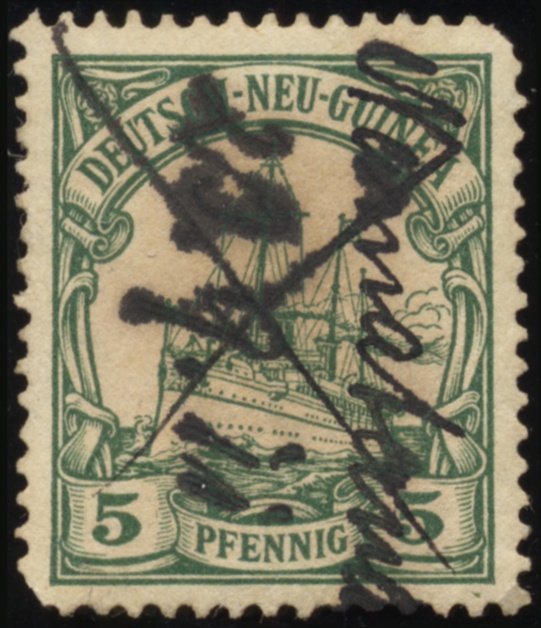 |
|
Send note to Staff
|
|
|
|
Pillar Of The Community
France, Metropolitan
3756 Posts |
|
|
In this last pic the 2nd & 3rd a's are taller but not in the first pic of 2.17.20 |
|
Send note to Staff
|
|
|
Pillar Of The Community
United States
2941 Posts |
|
|
The handwriting is slightly different, but close enough to likely be from the same hand (unlike that of Figure 1e in the original post). |
|
Send note to Staff
|
|
|
|
Pillar Of The Community
France, Metropolitan
3756 Posts |
|
|
In the blue stamp there are the characteristic double lines from the quill pen. The green stamp script has a different flow to it. The ink could be different. 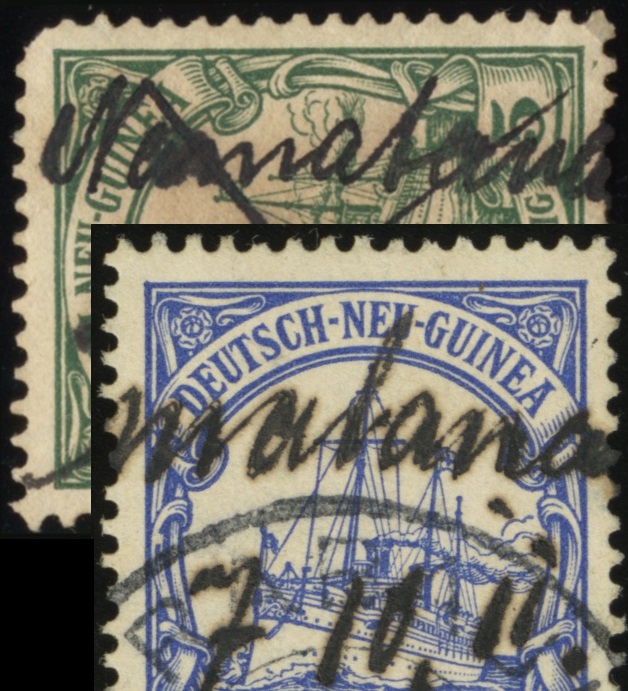 |
|
Send note to Staff
|
|
| |
Replies: 14 / Views: 2,055 |
|




 Posted 02/17/2020 7:10 pm


