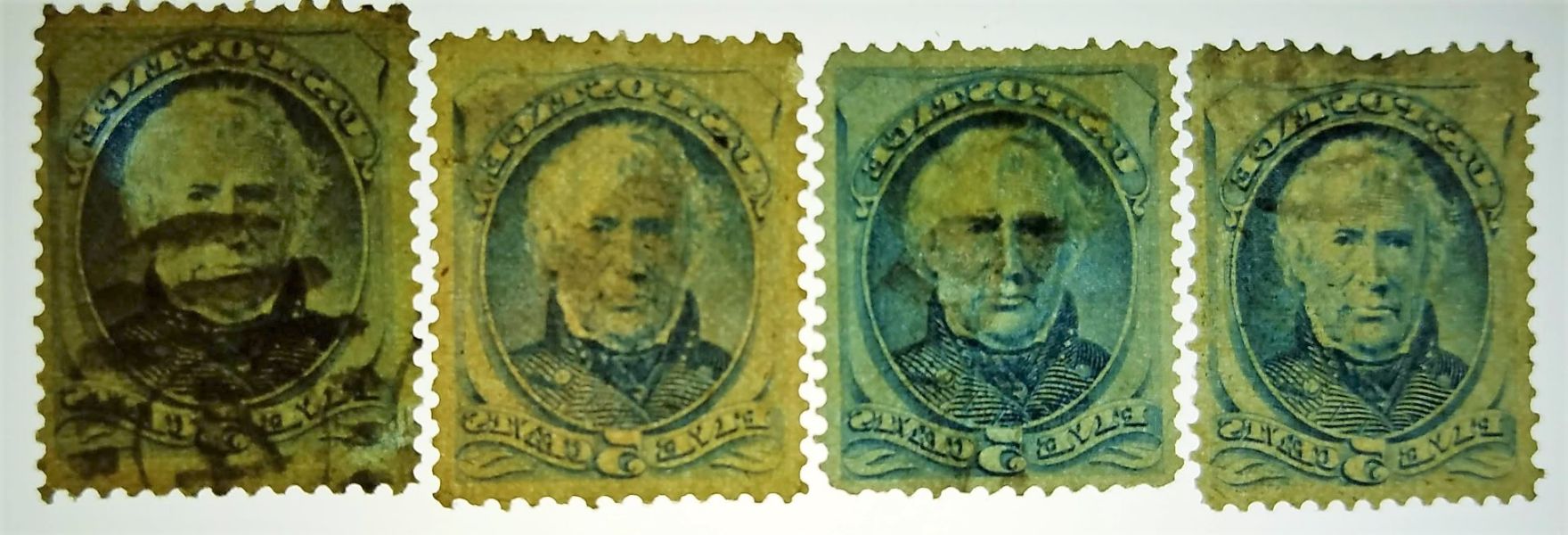
Hello Everyone;
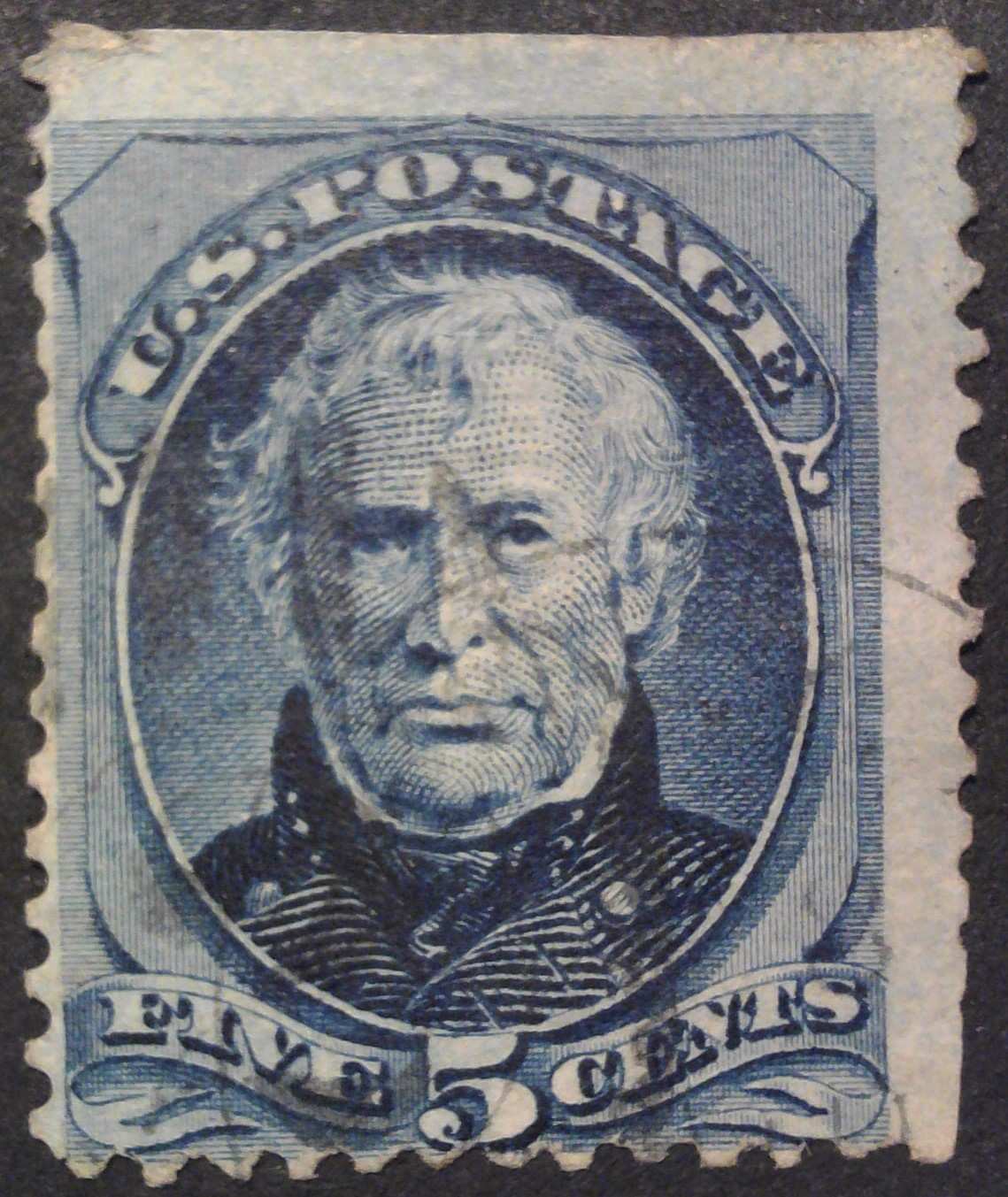
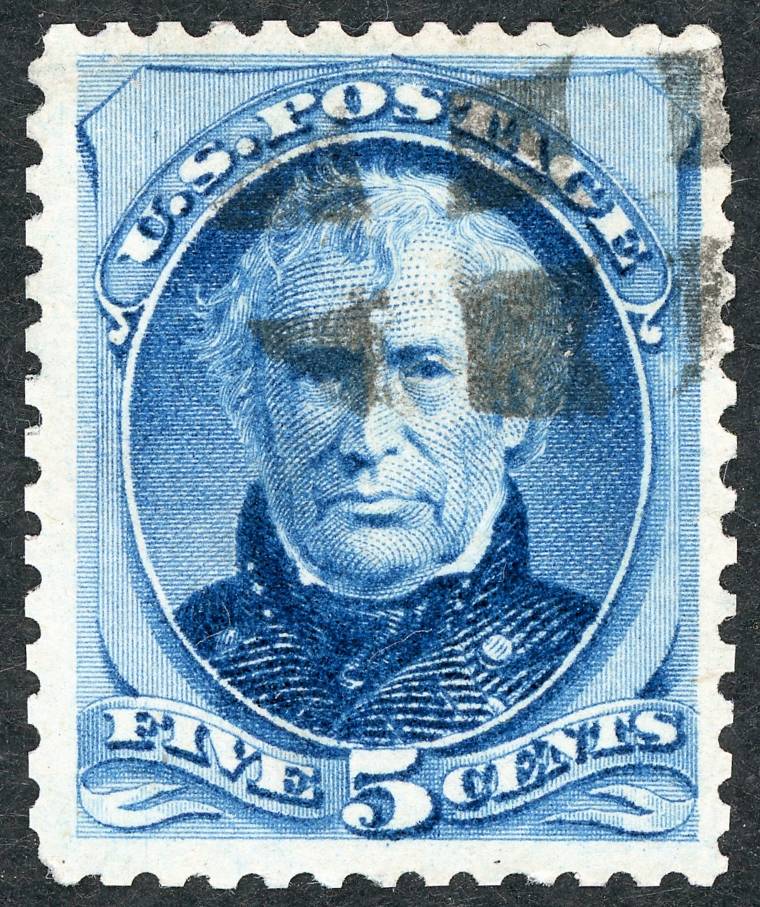
The journey continues to find more facts about this stamp of mine.
I think there should more info to describe this stamp and why they made it,"put in writing' not just my feeling.
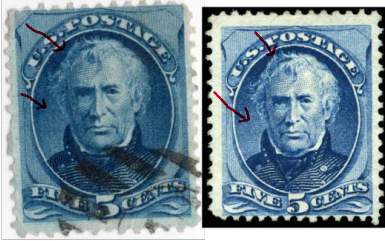
I found this great website called Swedish tiger and it describes this stamp really good and why they changed some formula's with what.It was great have it in writing and prove some of the idea's I had about this stamp were real.
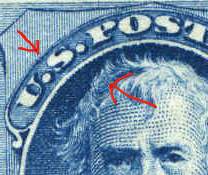
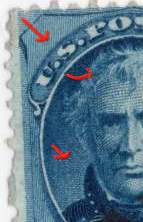
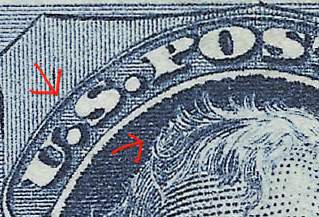
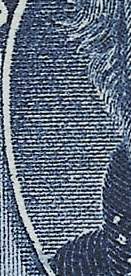
I think the best take away is the fact that Ron Burn's didn't like this stamp and he made experiments using special formula's with starch .He found out using starch differently created the blurry look and it wasn't what he liked or wanted ,and this what you see in the Special printing.
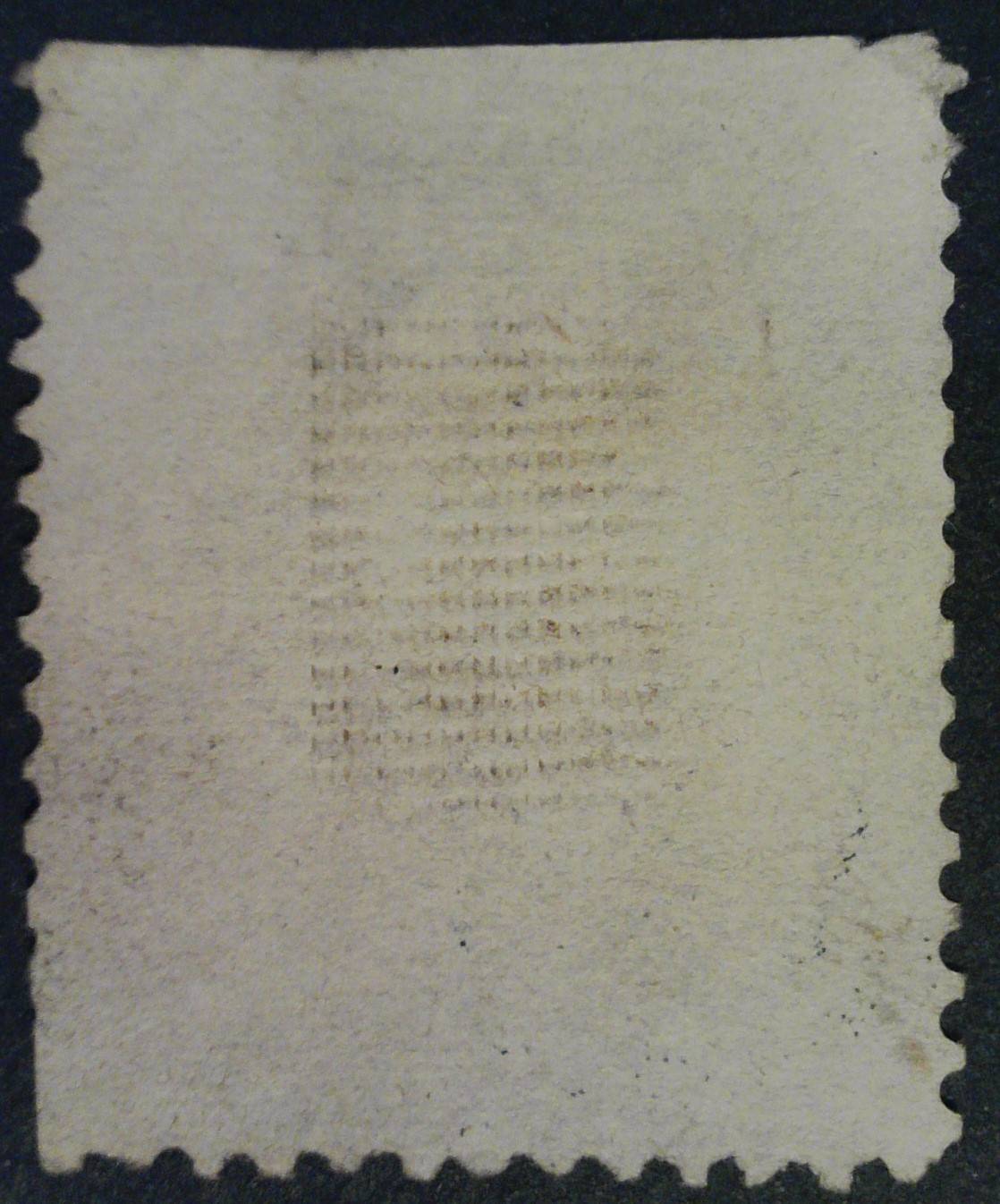
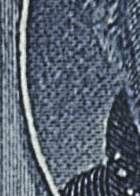
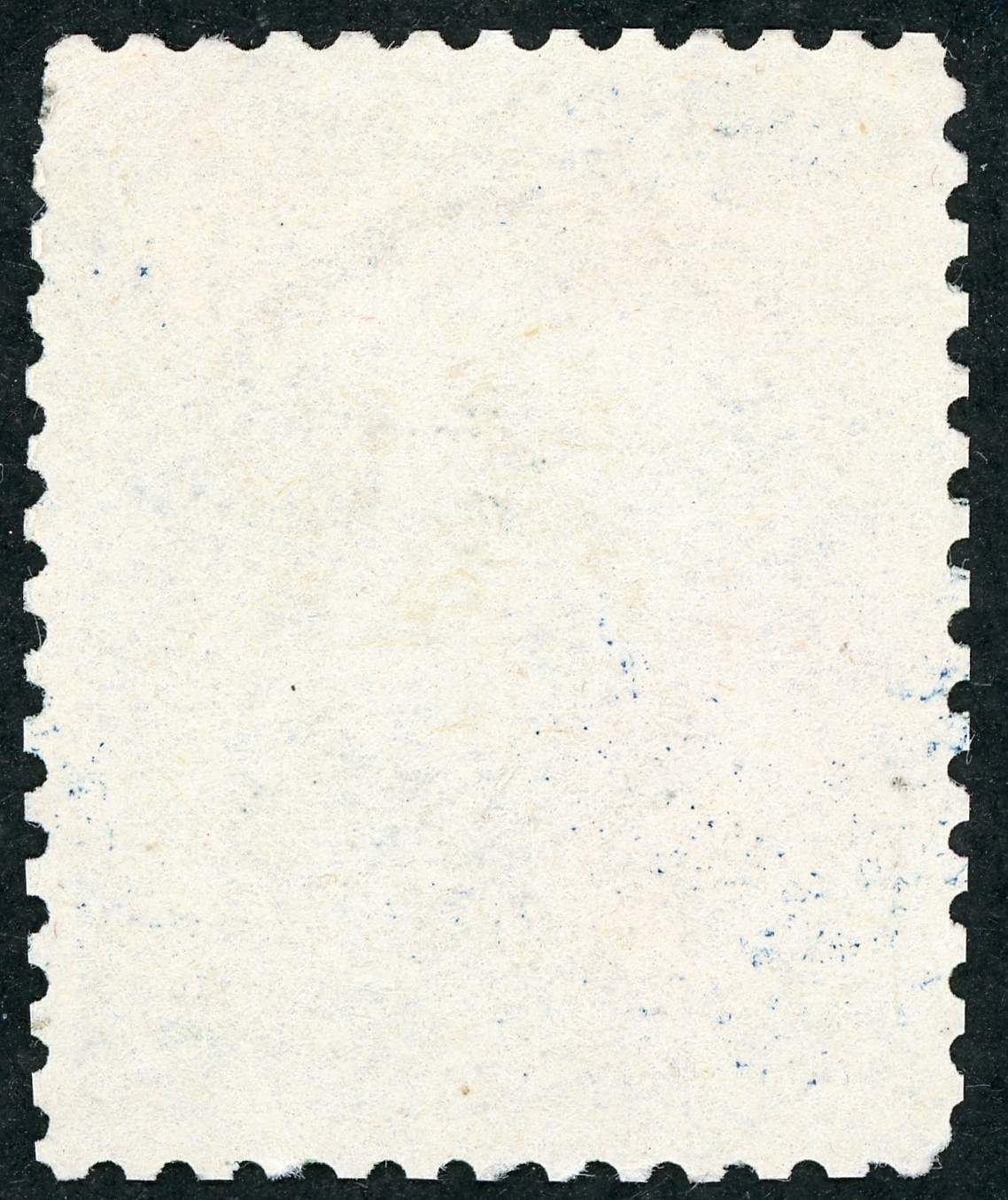
Was it is why my stamp was really smooth? maybe but what else could have done that, but reading this article ,"it made see it was the starch" ,making me believe also using starch thicker made the stamp harder to use. and that is why the hole puncher perforation went past the paper and making no hole ,it was to hard.
Here is what they say in the article
Check it out let me know
Thanks Dan
https://www.theswedishtiger.com/181-scotts.htmlThe 1873-1879 period was a period of intensive experimentation in the papers used to fulfill the tenets of the contract to print U.S. stamps.
Charles Steele, the inventor of the grilling apparatus used to "grill" the 1869-1876 issues, was the superintendent of printing for the Continental
Bank Note Companny. He had hoped to reduce the labor costs involved with the printing and grilling processes, by employing the first steam
powered printing press to print stamps, replace the grilling operation with a stamp washing proof paper, and by reducing the cost of the
paper used to print stamps.
The hardwhite wove paper used on the labor intensive hand operated presses proved too brittle to withstand the rigors of the
steam press process. To solve the problem, Steele tried using a machine made, continuous web, soft paper that was "porous"
because it lacked "seizing", the "filler" (usually starch), used to harden the paper and provide a smooth surface to print on. This resulted in the
introduction of thick to medium soft porous paper in the printing of U.S. stamps. *2 The resultant printings were unsatisfactory as the porous
paper sucked up the ink and distributed it through capillary action to make a "fuzzy" image. This low cost paper was also made
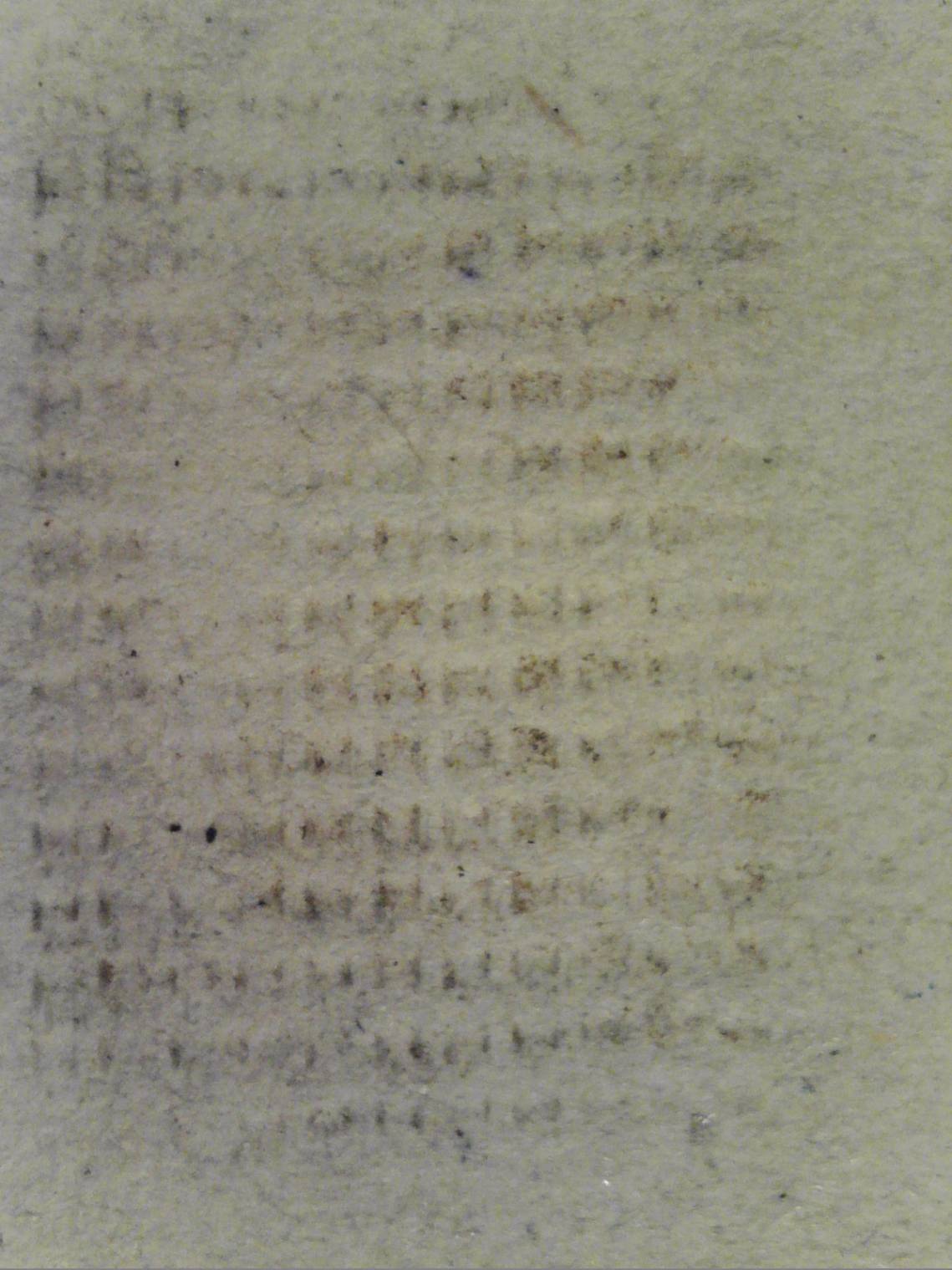
from cotton rags and old paper, with sometimes a little straw added. This extremely calendered paper, looks "mottled" (like modern newsprint) when held to the light.
He began to add his own starch in an attempt to produce a printing surface which would produce an acceptable image; while trying
to maintain enough flexibility to withstand the rigors of the steam press. The resultant paper is called "Continental Intermediate paper". This paper
is a hard paper with the mottled pattern of the soft papers. This paper is identified by holding the stamp up to the light and seeing a
"mottled" pattern in the paper similar to what you see when you hold newsprint up to the light, yet retains the high pitched "ping" response characteristic of the
hard papers when subjected to the "snap test" (see above).





 Posted 04/27/2020 11:17 am