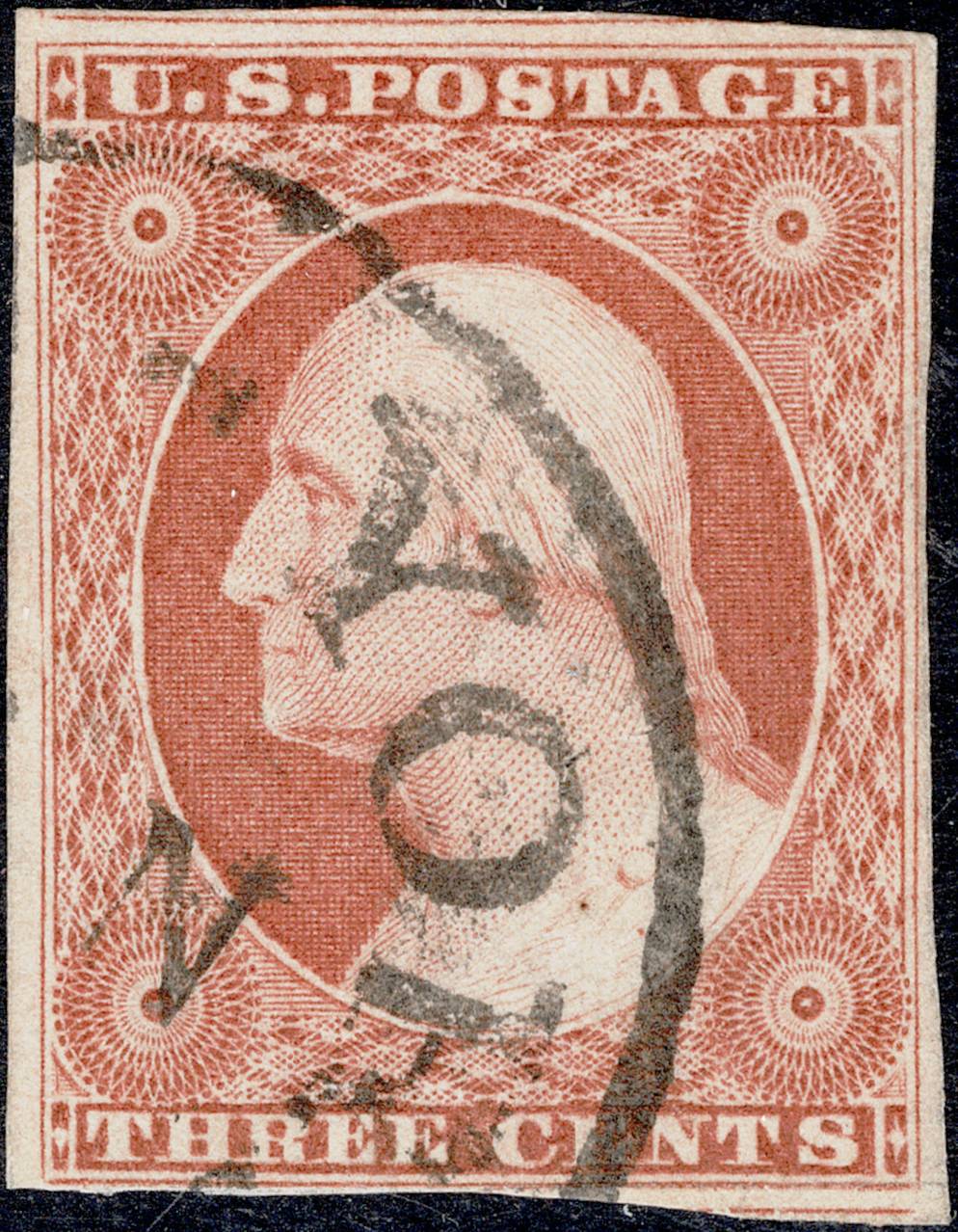
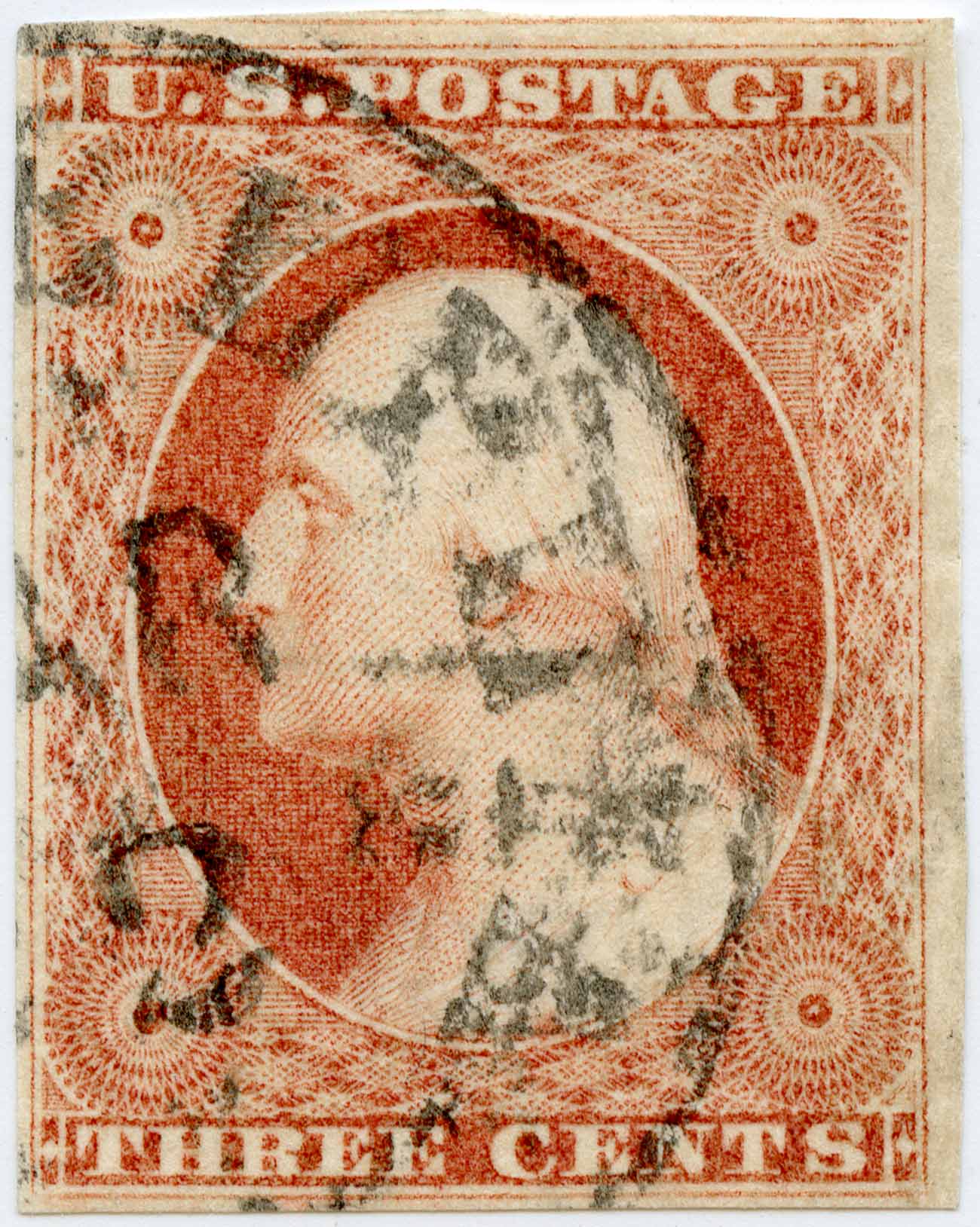
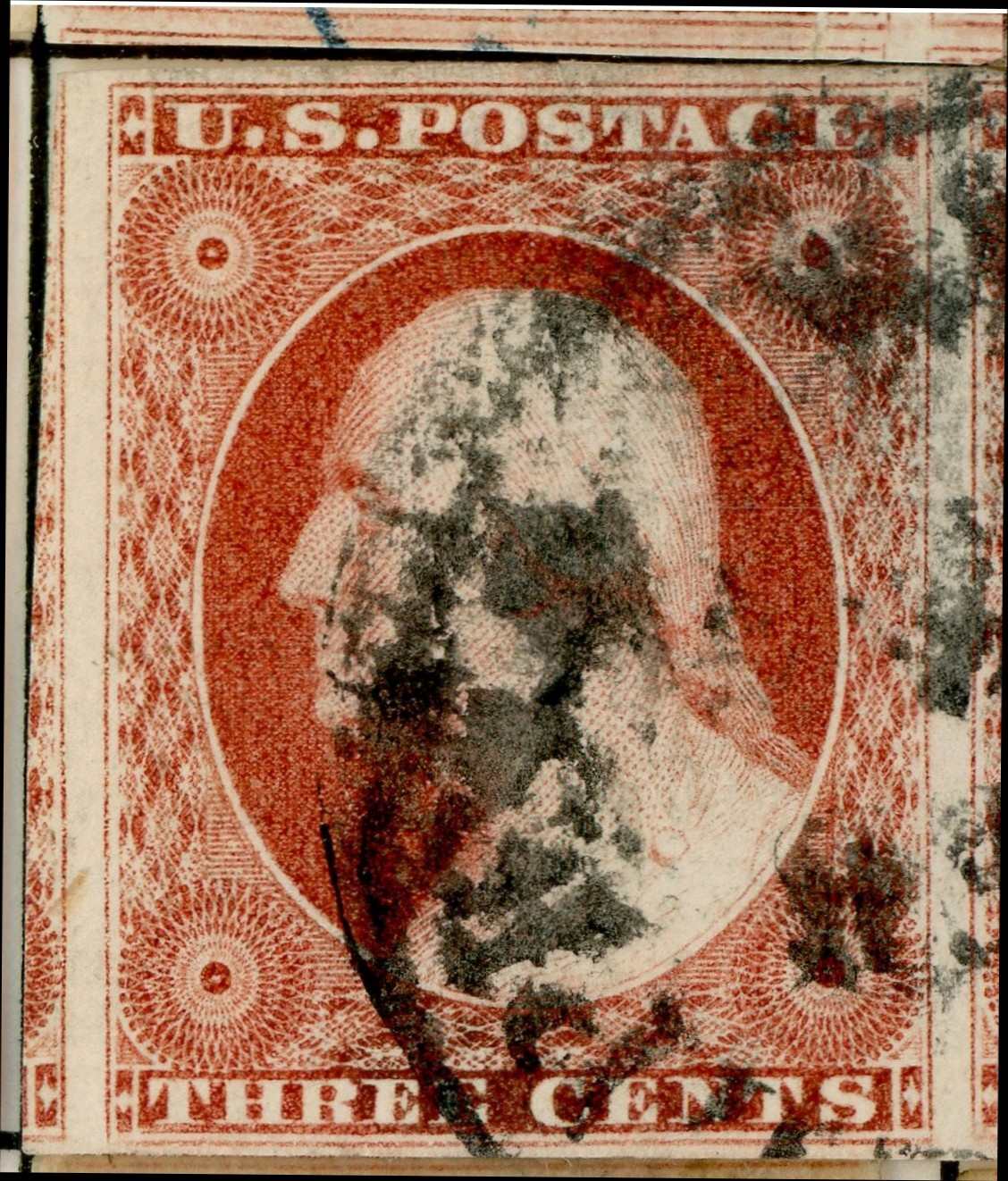
Listed in Scott's Specialized Catalogue are the 'damaged transfers above the lower left rosette' used for the perforated 3c Washingtons. Also included are the repaired transfers, and transfers that were repaired in both areas.
Chase says, "Relief A-Used for the top row on all these plates, can be distinguished easily, as it became damaged evidently before it was used at all. This damage shows on the finished stamps as a white or nearly white space at the outer edge of the lower · end of the band of tessellated work to the left of the medallion. This space is roughly 1 mm in diameter, and is located so that if a horizontal line were drawn touching the outer row of dots at the top of the lower left rosette it
would pass directly through the center of it. This white space was so conspicuous that on certain plates, perhaps a third of those made for the Type II stamps, part of all of the impressions on the plates showing it, were touched up by hand. This occurred on Plate 10 (right pane only), Plate 11 (both panes), No 1 in the left pane of Plate 20, Plate 20 (right pane), No 1 in the left pane of Plate 24, and on both panes of Plate 25; while Plate 10 (left pane only), Plate 20 (left pane excepting No 1), Plate 23 (both panes), Plate 24 (both panes, excepting No 1 in the left pane), Plate 27 (right pane), and Plate 28 (right pane), were not touched up by hand. I am unable to tell which of the plates not mentioned were recut, not having seen complete panes. This touching up consisted of a more or less successful attempt to imitate · the missing tessellated work. Because it was done by hand, no two examples are absolutely alike. Occasionally it was done so carefully that it is difficult to tell whether or not a certain stamp comes from a position on the plate that has been repaired, but usually they are easily identified. The break and three typical examples of this retouching are shown in Figure 23."
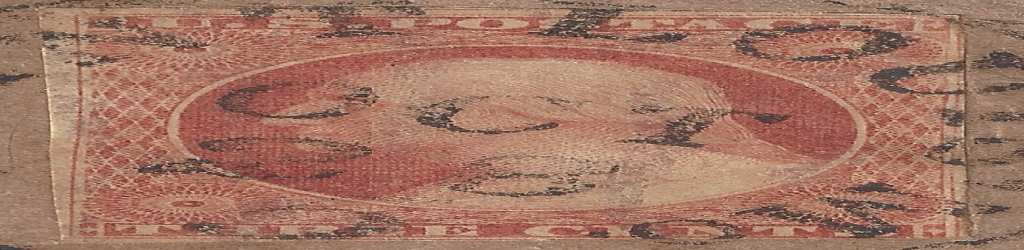
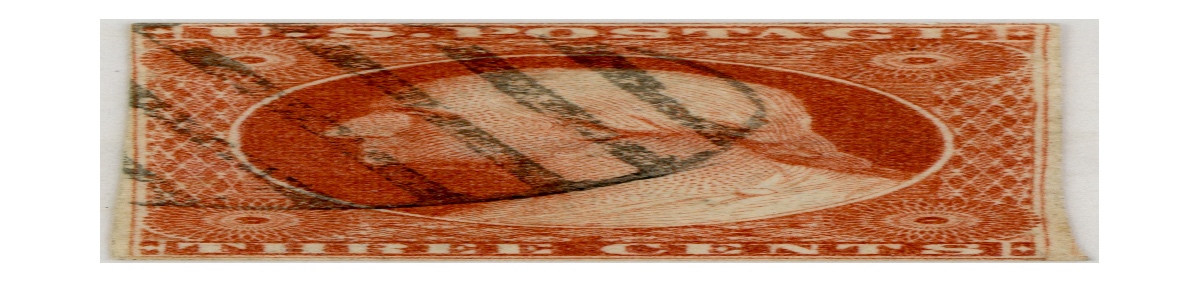
I have an example of a 3c Washington from the top row that appears to have both areas of damage repaired. It also appears to me to possibly be a #26A. Not because the outside frame lines stop at the top of the stamp (they stop at the top of every top row example), but because of the inconsistencies of the outside frame lines.
Chase's book gives us a 1940's quality black and white photo image of the examples that he discusses. I am hoping that someone here has a better example - especially position 10R11 - which is the #26A version of the double damage/double repair relief.
If anyone has an example of the 10R11, I would love to see it so that I can compare it to the example at hand. If you are knowledgeable enough to know that this is not that position, and you know what position it is, I would also appreciate having a confirming copy of that position.
Here are some images of what I have.
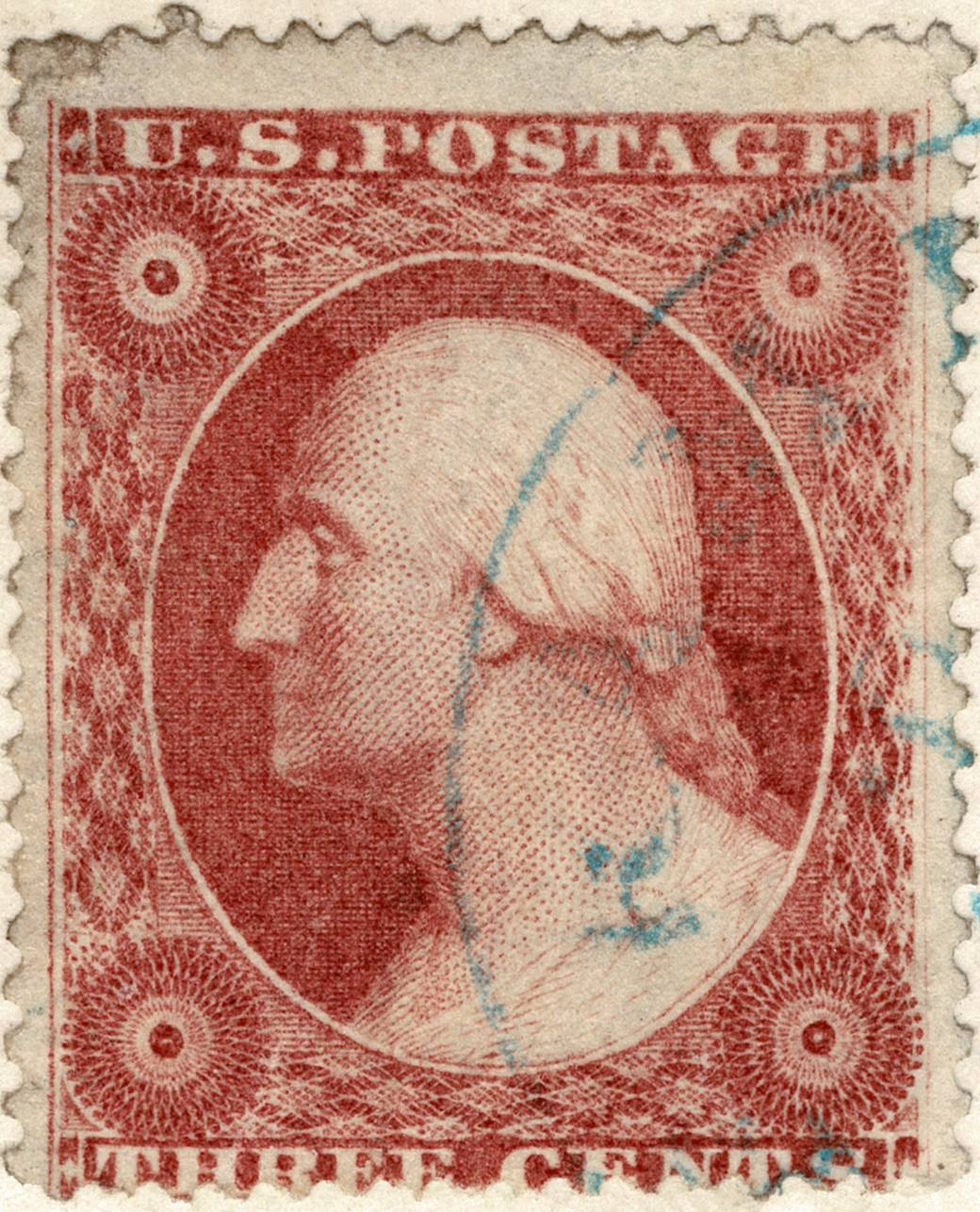
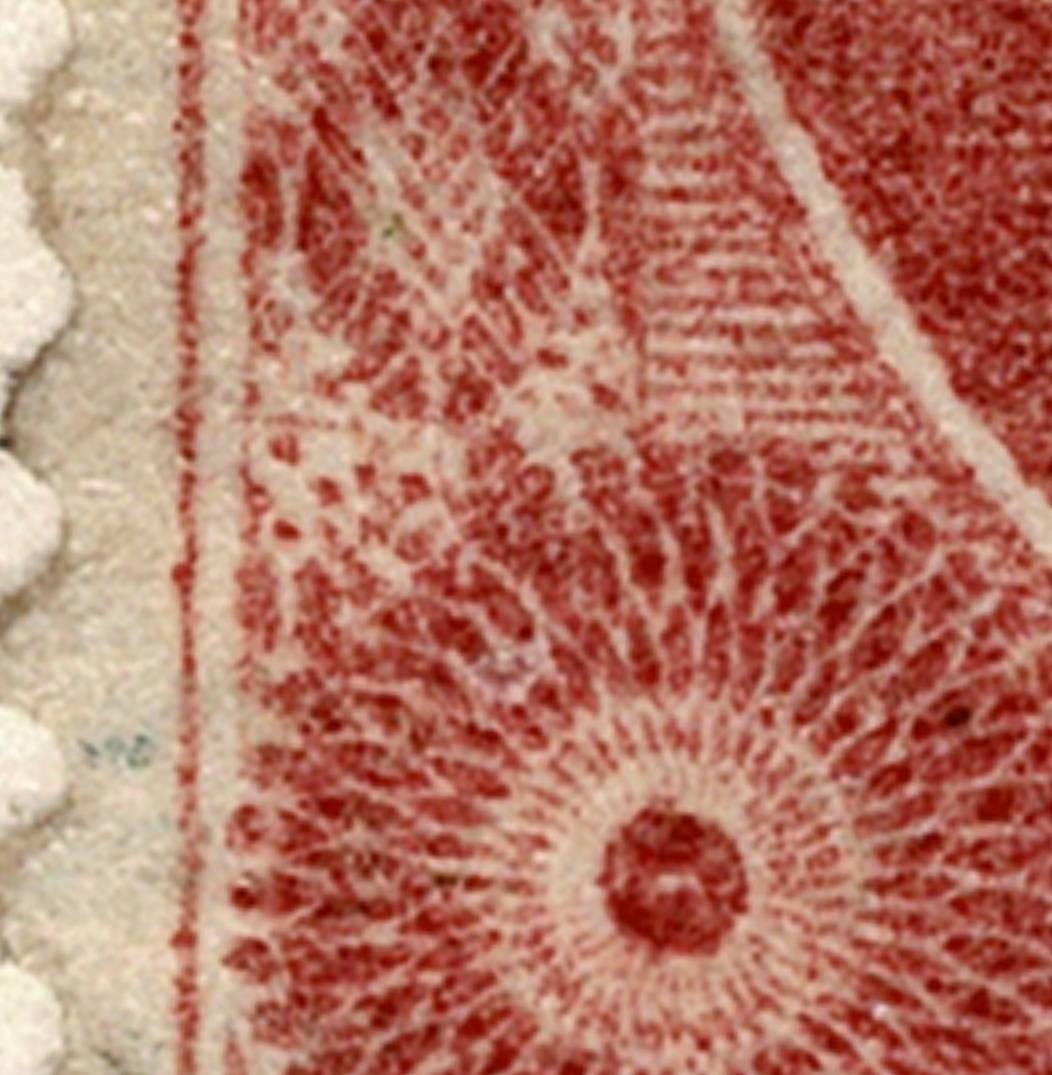
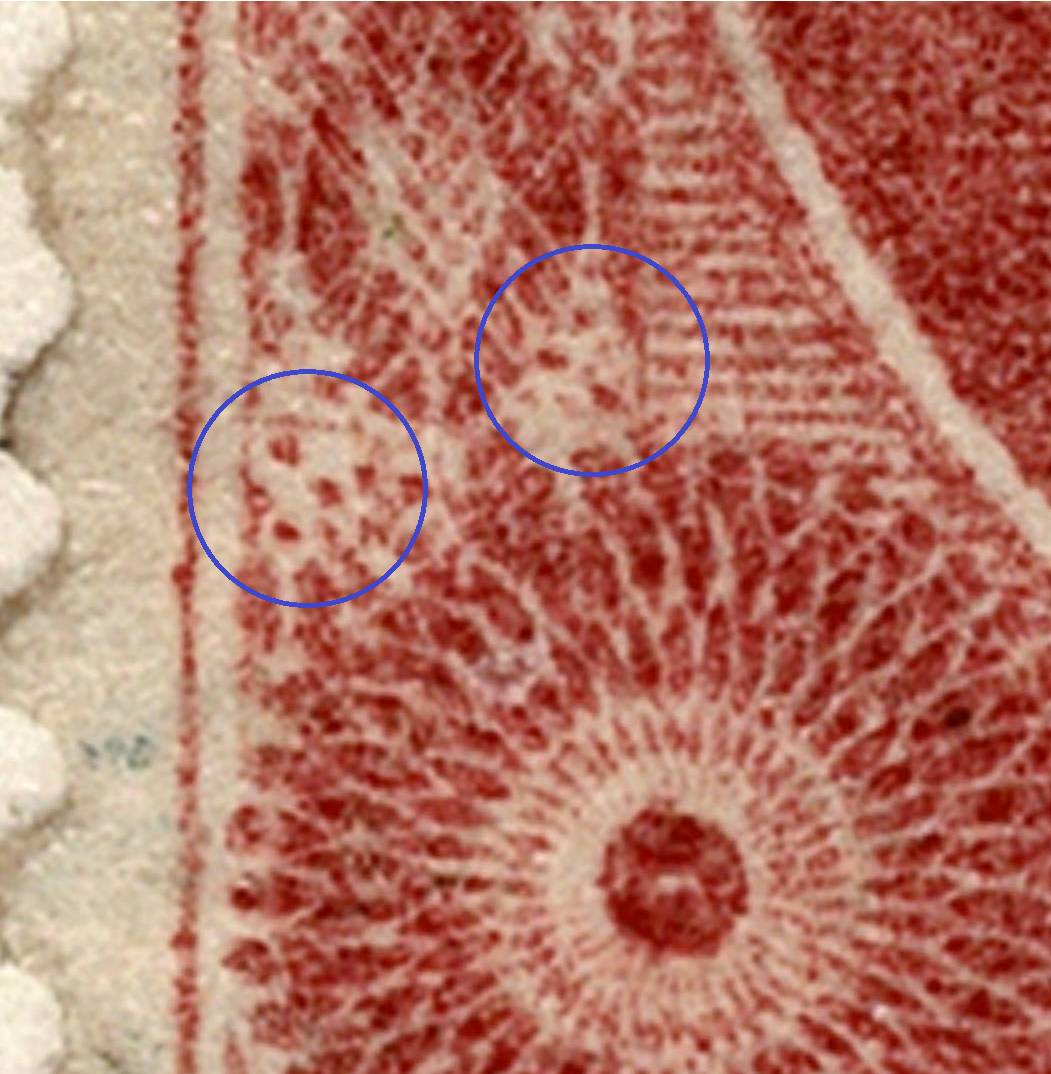
Thanks in advance!
Stan Shepp





 Posted 04/01/2022 1:43 pm