Sharing today an ugly, but interesting cover.
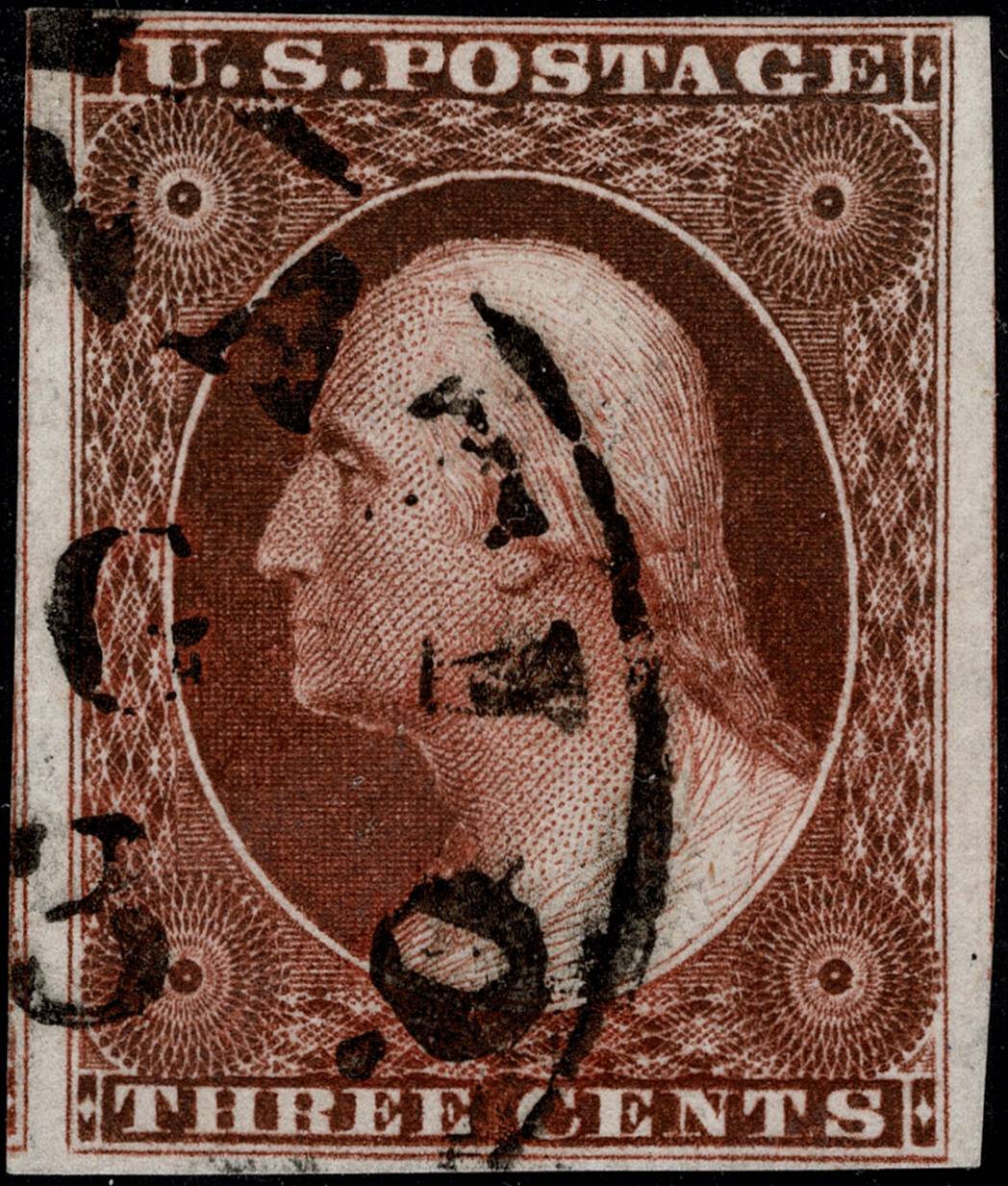
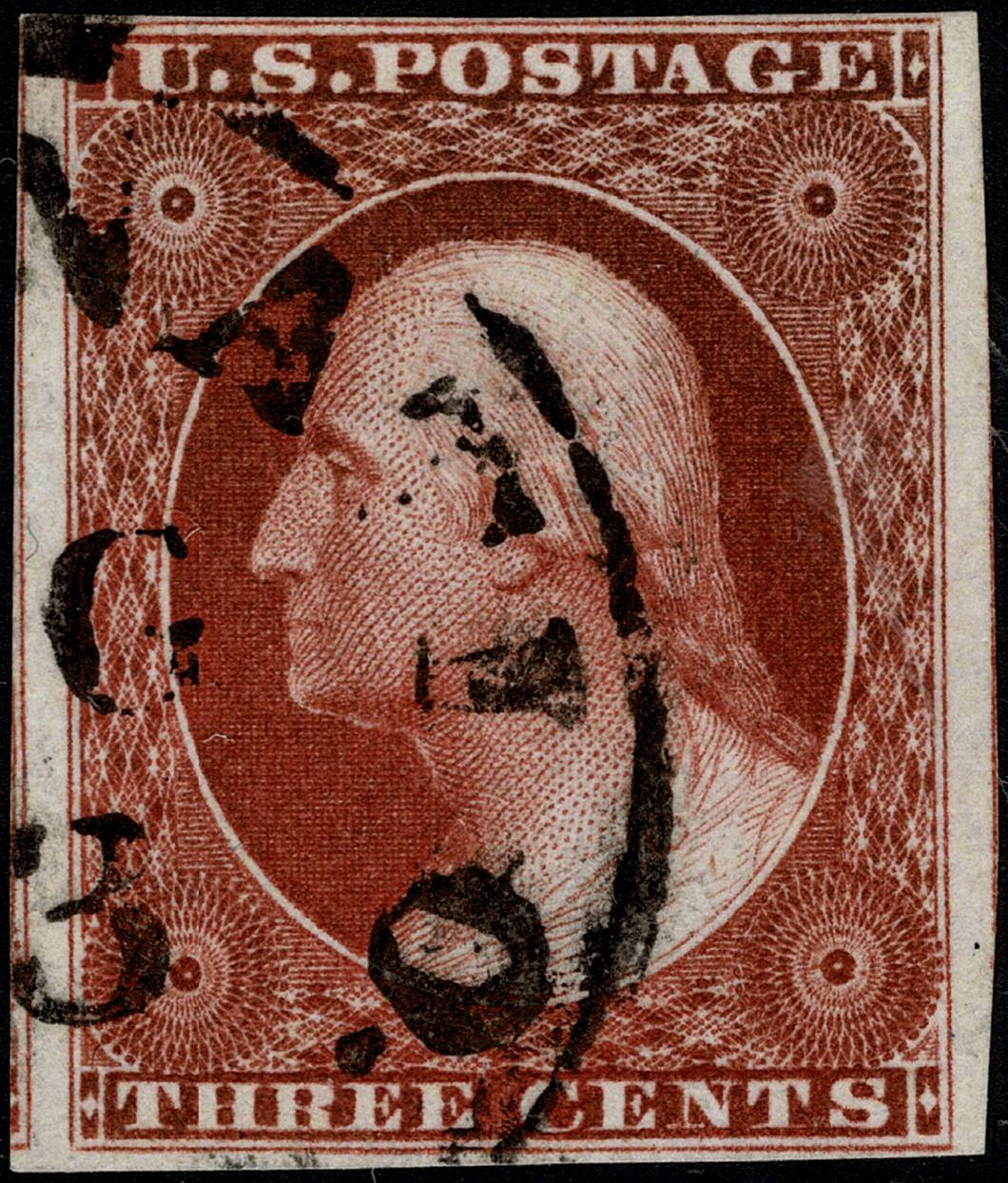
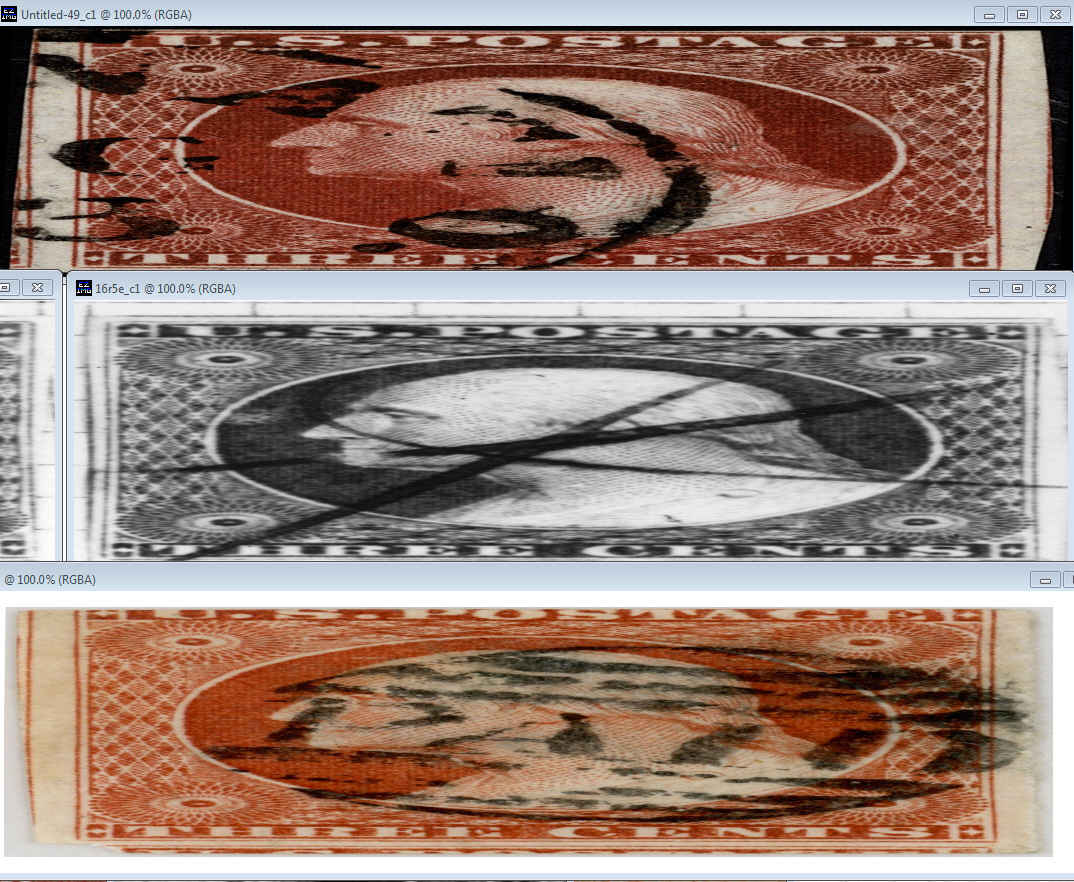
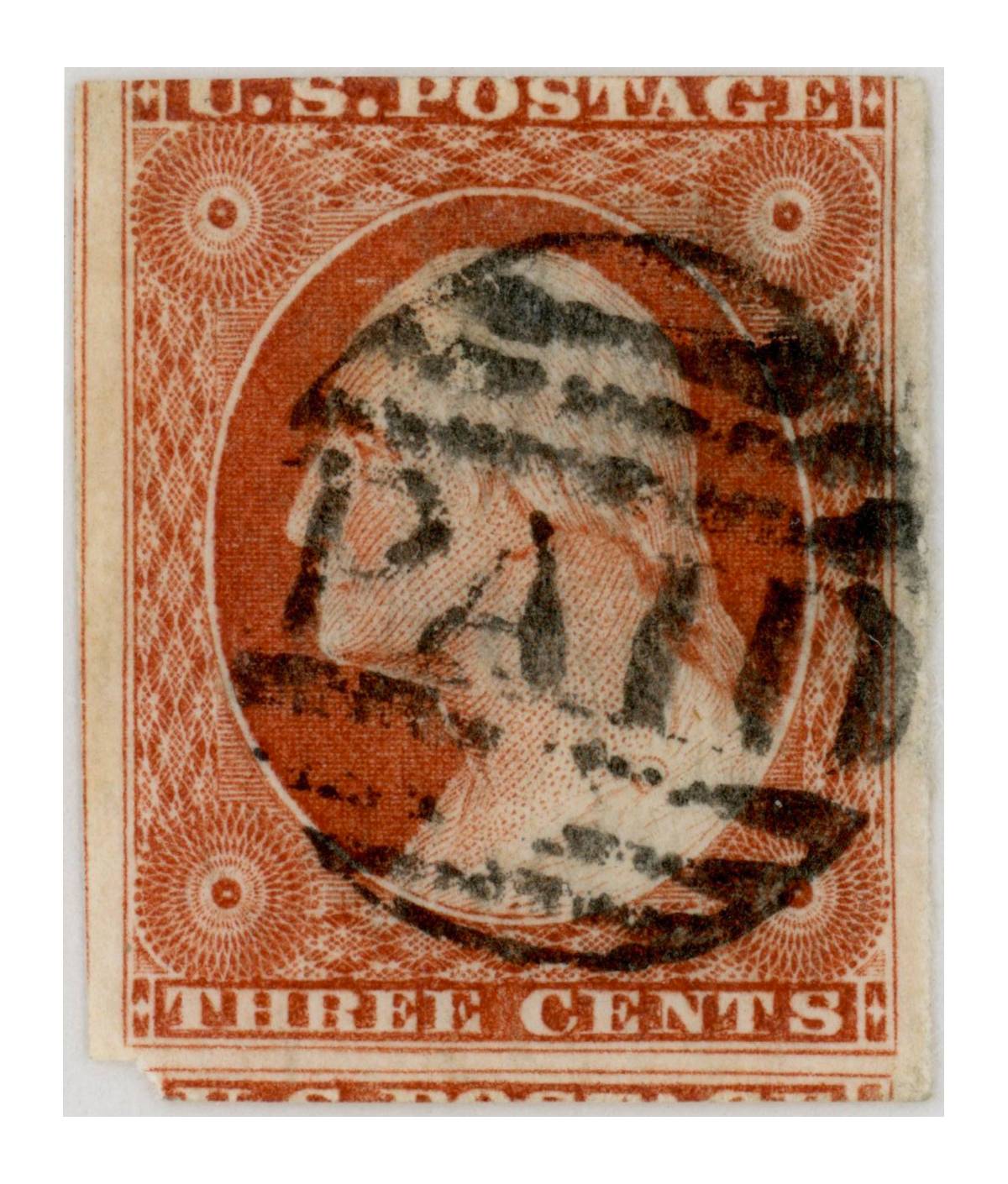
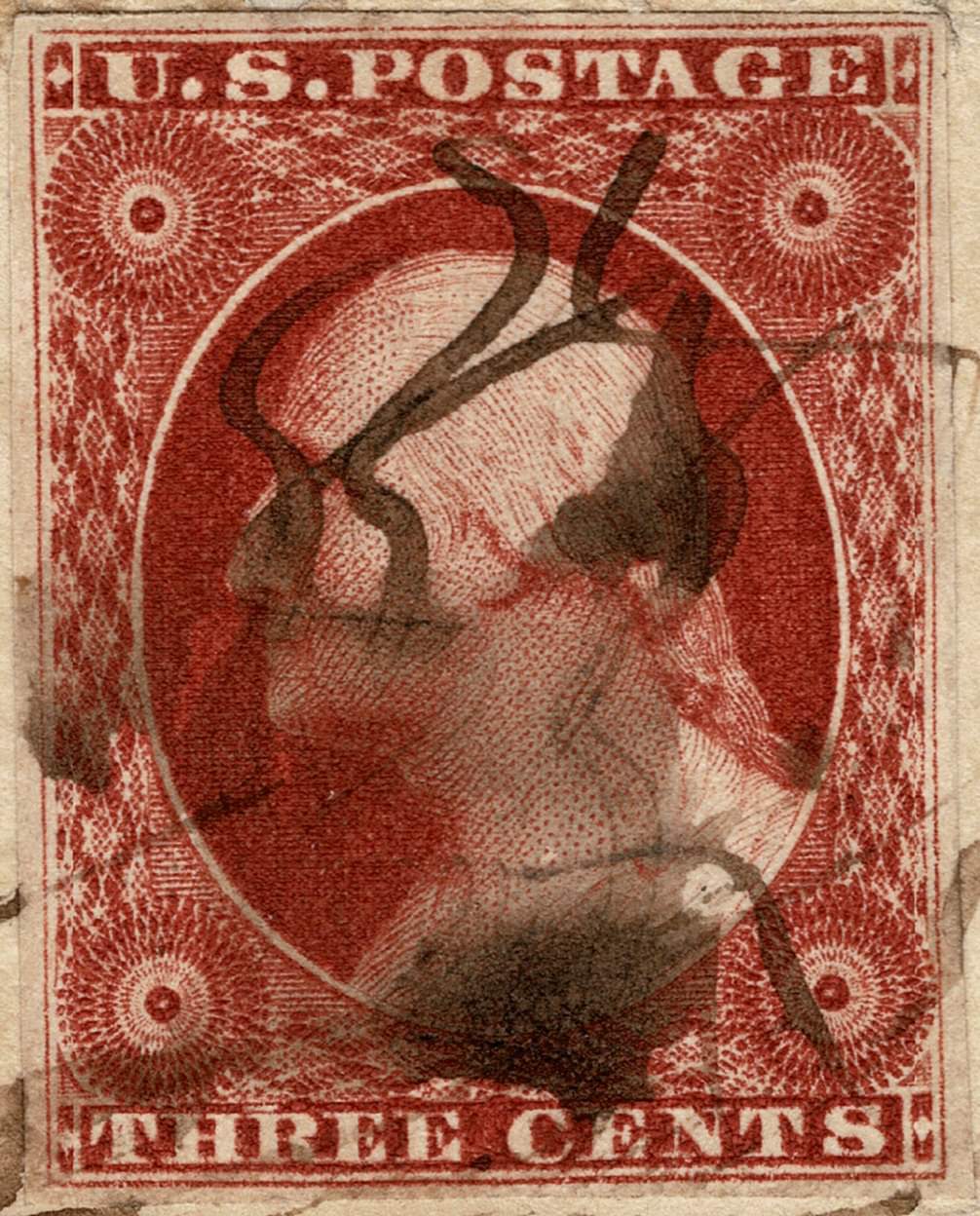
1851, Scott #10A, B-relief, right inner line recut only.
"Fort Winnebago Wis.T." Dec 22, red circular datestamp on ca. 1851 cover addressed to George W. Lawe (Indian subagent for the Menominees) in Kaukauna, Wisconsin, franked with 1851 3c Orange brown (pen cancel), bit of extraneous figuring, fine and attractive, the only example of this cancel on a cover with an adhesive stamp, ex-Chase and ex-Grant.
Enjoy!
Stan Shepp
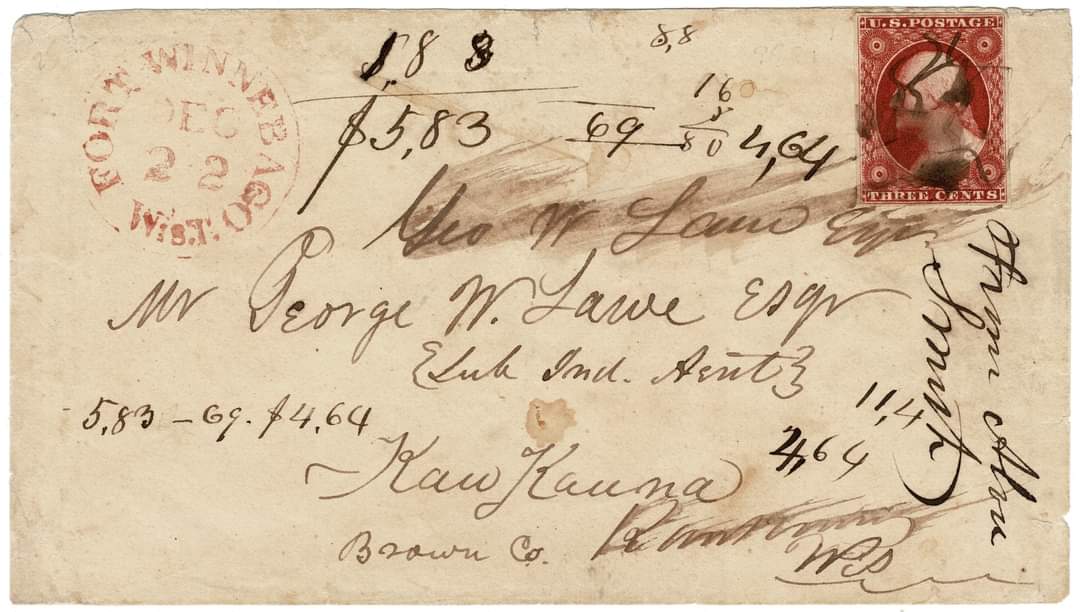
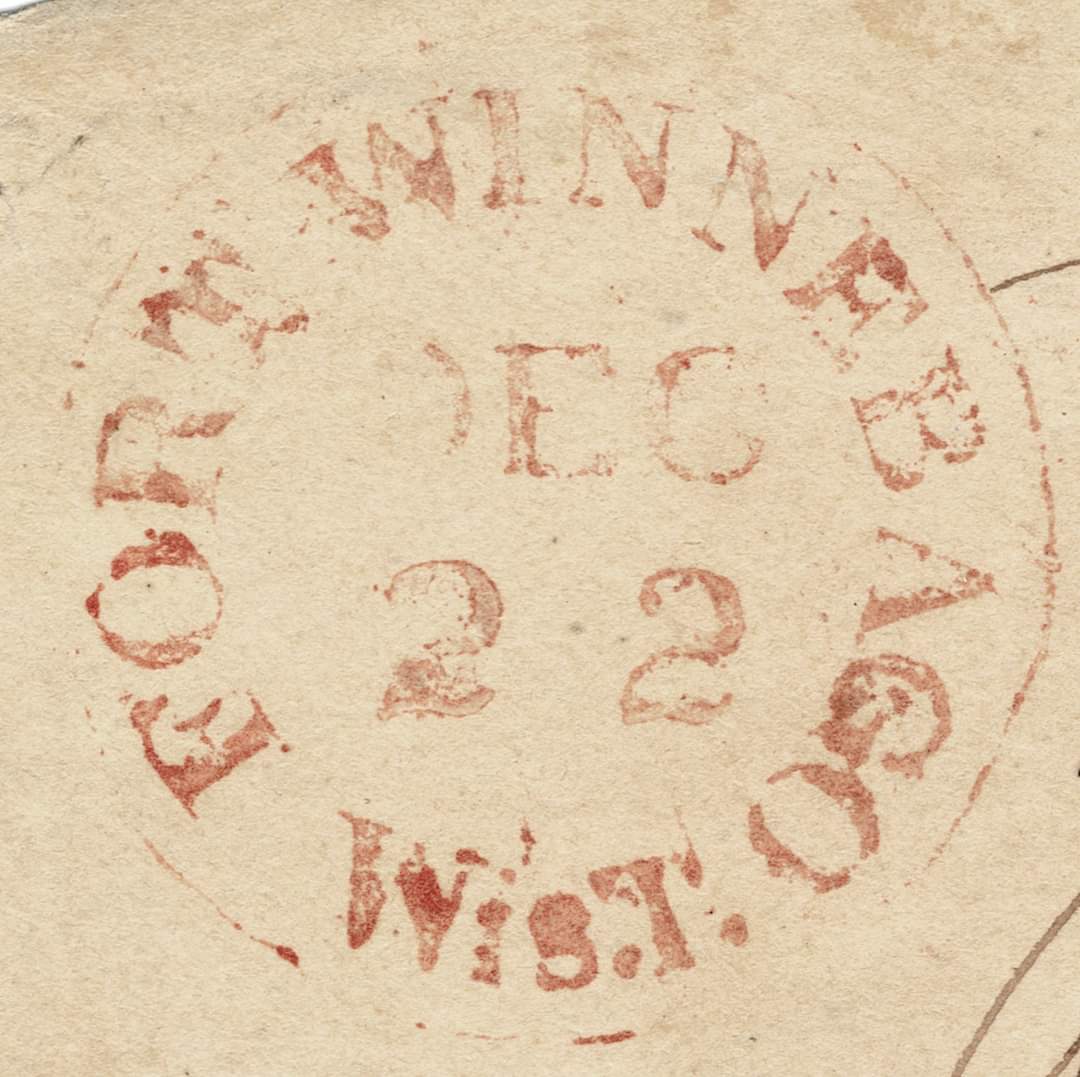
Wisconsin became the 30th state on May 29, 1848. This usage is obviously post statehood, but still has the Territorial usage (Wis.T.) in the Circular Date stamp (CDS)
The first 3c Washington postage stamp was issued July 1, 1851.
LAWE, GEORGE WILLIAM 1810 - 1895
Indian subagent & land speculator, b. Green Bay in 1810, he is often refered to as the "Father of KauKauna. He was described as being "a likeable and intelligent young man . . . [who] worked at a number of occupations, but land speculation in the Fox River valley ultimately gave him financial security. George was perhaps best known as the donor of the site of Lawrence College." In 1842, Lawe was appointed Justice of the Peace by territorial Governor Doty, an office he held for almost fifty years.
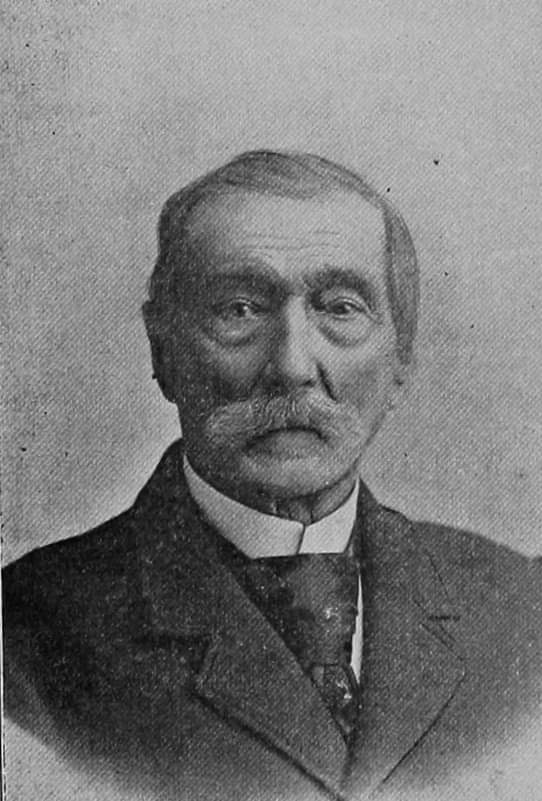
He attended Lowville Academy, N.Y., returning to Green Bay in 1832. After working in the Indian trade with his father, John Lawe, he moved to Kaukauna in 1839, and established a trading post. With the aid of local Indians, he built two of the first roads in the area, from Kaukauna to Wrightstown and from Kaukauna to Appleton. In 1851 he built one of the first bridges over the Fox River at Kaukauna. He served as Indian subagent for the Menominees (1842- 1843, 1851-1853). Lawe was postmaster of Kaukauna in 1849 and again from 1878 to 1885. In 1847 he donated a 31-acre plot of land in the heart of Appleton for the site of Lawrence College, and in 1849 platted the village of Lawesburgh, now a part of Appleton.
The Chicago History Museum has a significant collection of the George W. Lawe papers - >
George W. Lawe papers
Inclusive Dates 1754–1914 (bulk 1820–1860)
Creator Lawe, George William, 1810-1895
Survey Repository Chicago History Museum
Descriptive Summary
3 linear feet (6 boxes), 1 oversize folder (on 6 microfilm reels) of material consisting of letters, indentures, account sheets, bills and receipts, certificates, census list of American Indians, and other papers, relating primarily to the fur trade, land investments, and relations with American Indian tribes of George W. Lawe or of his father John Lawe, chiefly in Brown County (Michigan, later Wisconsin), Green Bay (Wis.), and Kaukauna (Wis.). The collection includes a letter by George Catlin.
KAUKAUNA, WISCONSIN -
Kaukauna is a Native American word and in various languages means "portage", "long portage", "place where pickerel are caught", and "place of pike". This area was traditionally home to the HoChunk and Menominee peoples. The first Europeans in the area were the French. The first Catholic missionary in the area, Fr. Claude Allouez, commented on the "apple trees and vine stalks in abundance" that he found the people of Kaukauna cultivating. Kaukauna became an outpost of trade in Green Bay and saw much intermarriage between French and Menominee people, leading to a Métis culture which produced local leaders such as Augustin Grignon.
In 1836, following years of negotiations about how to accommodate the Oneida, Stockbridge-Munsee, and Brothertown peoples who were removed from New York, the Menominee ceded over four million acres of land to the United States in the Treaty of the Cedars. Grignon of Kaukauna was one of the signatories of the treaty.
Prior to 1880, and shortly afterwards, Kaukauna was known as "The Lion on the Fox". This nickname was changed to "The Electric City" upon the completion of the hydroelectric plant. When the city was incorporated in 1885, it was separated from the adjacent rural parts of the town. The first recorded land deed in Wisconsin was assigned to Dominique Ducharme in 1793. He obtained 1,281 acres (518 ha) from the Menominee Indians for two barrels of rum and other gifts. These acres are the original site of the town of Kaukauna. The property was purchased by Charles A. Grignon (and recorded Dec. 18, 1828), who built a mansion on the river on Kaukauna's north side. The home, which bears Grignon's name, is operated as a museum by the Outagamie County Historical Society.
The 1880 Census shows 834 people living in KauKauna.
FORT WINNEBAGO -
Wikipedia suggests that the fort was abandoned in 1845, sold into private hands in 1854, and destroyed by fire in 1856:
Fort Winnebago was a 19th-century fortification of the United States Army located on a hill overlooking the eastern end of the portage between the Fox and Wisconsin Rivers east of present-day Portage, Wisconsin. It was the middle one of three fortifications along the Fox-Wisconsin Waterway that also included Fort Howard in Green Bay, Wisconsin and Fort Crawford in Prairie du Chien, Wisconsin. Fort Winnebago was constructed in 1828 as part of an effort to maintain peace between white settlers and the region's Native American tribes following the Winnebago War of 1827. The fort's location was chosen not only because of its proximity to the site of Red Bird's surrender in the Winnebago War, but also because of the strategic importance of the portage on the Fox-Wisconsin Waterway, a heavily traveled connection between the Great Lakes and the Mississippi River. Fort Winnebago's location near the portage allowed it to regulate transportation between the lakes and the Mississippi.
With the exception of the participation of troops from the fort in the 1832 Black Hawk War, Fort Winnebago was not involved in any combat operations during its occupation by the U.S. Army. Instead, the garrison, which from 1829 to 1831 included Lt. Jefferson Davis (later President of the Confederate States of America), was put to work in building a military road between Portage and Fond du Lac, Wisconsin, and assisting with the relocation of the Ho-Chunk Nation from Wisconsin to Minnesota during the 1840s. In 1845, the absence of any real threat to peace in the region prompted the abandonment of the fort. Nine years later the site was sold into private hands, and in 1856 a fire destroyed much of the fort.
The Fort Winnebago Old Indian Agency House, is the only known Indian Agency still located on its original location. (
https://www.agencyhouse.org/) Known as the Historic Indian Agency House, it is also an original structure associated with the fort. It was erected in 1832 by the U.S. Government as a residence and office for Indian sub-Agent John Kinzie, who served as a liaison between the local Ho Chunk (also known as Winnebago) Nation and the U.S. Government. It has been operated as a museum since 1932 by The National Society of the Colonial Dames of America in the State of Wisconsin. The Historic Indian Agency House is listed as nationally significant on the Register of Historic Places and is open to the public for visitation May 15 through October 15 each year.
FROM ???
I have tried to decipher the "from Alou Smith" manuscript marking on the right side of the envelope. I did find the following line in "The History of Fort Winnebago" - "The chapel, after the evacuation of the fort, continued to be used as such, and the late Rev. William Wells and the late Rev. Isaac Smith were accustomed to officiate there. The building is now one of the farm buildings on the Helmann farm, a little east of the old fort."
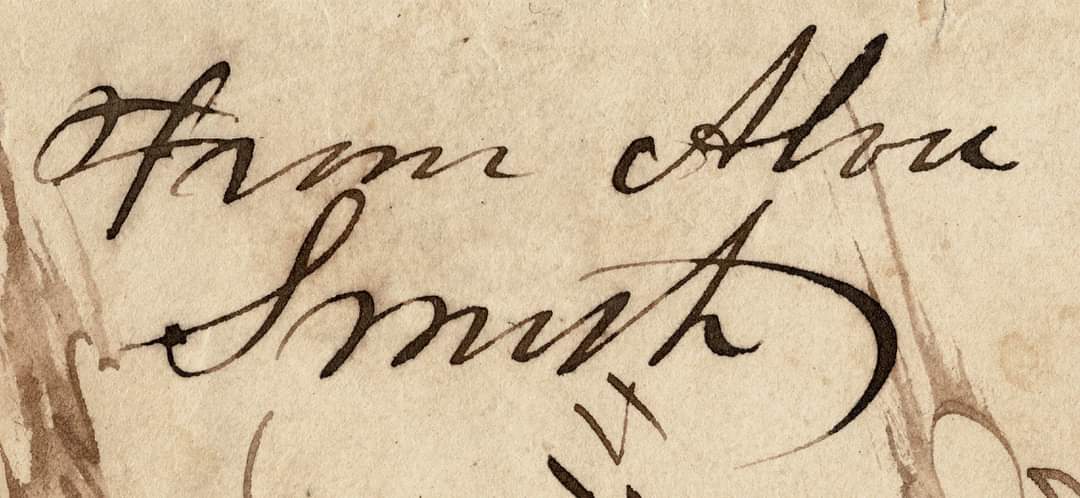
It is obviously not "Isaac" Smith, but the fact that the historical records show that There was usage of the Fort's chapel after the abandonment of the fort is telling. I have written to the Historic Indian Agency House at Fort Winnebago, a historical tourist attraction still located in it's original location, to see if they have any additional information on Rev. Isaac Smith's family.
Overall, a nice piece of postal history.
Photo of George W. Lawe





 Posted 11/14/2022 10:28 pm