| Author |
 Replies: 3,821 / Views: 252,969 Replies: 3,821 / Views: 252,969 |
|
|
|
Pillar Of The Community

United States
1831 Posts |
|
|
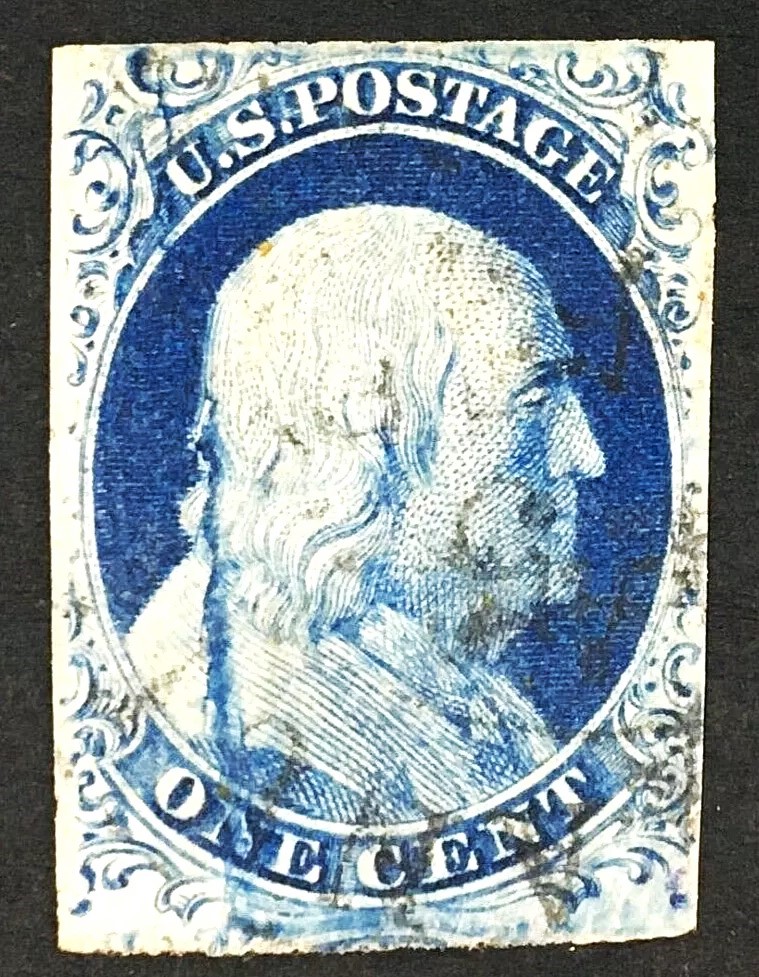
Thanks ioagoa. 16L6 certainly looks right. Those compression images definitely take some getting used to, but, yeah it's a match. |
Send note to Staff 
|
|
|
Valued Member
United States
41 Posts |
|
|
Pillar Of The Community
United States
3520 Posts |
|
|
Nice stamp, congrats.
For readers, thats #7 Pos 23L2 showing an intermediate stage of the crack. |
|
Send note to Staff
|
|
|
Pillar Of The Community
United States
1831 Posts |
|
|
A Scott #10 candidate, starting to attempt to plate - clues welcome - someone wrote "10" on the back, but no plate # there. 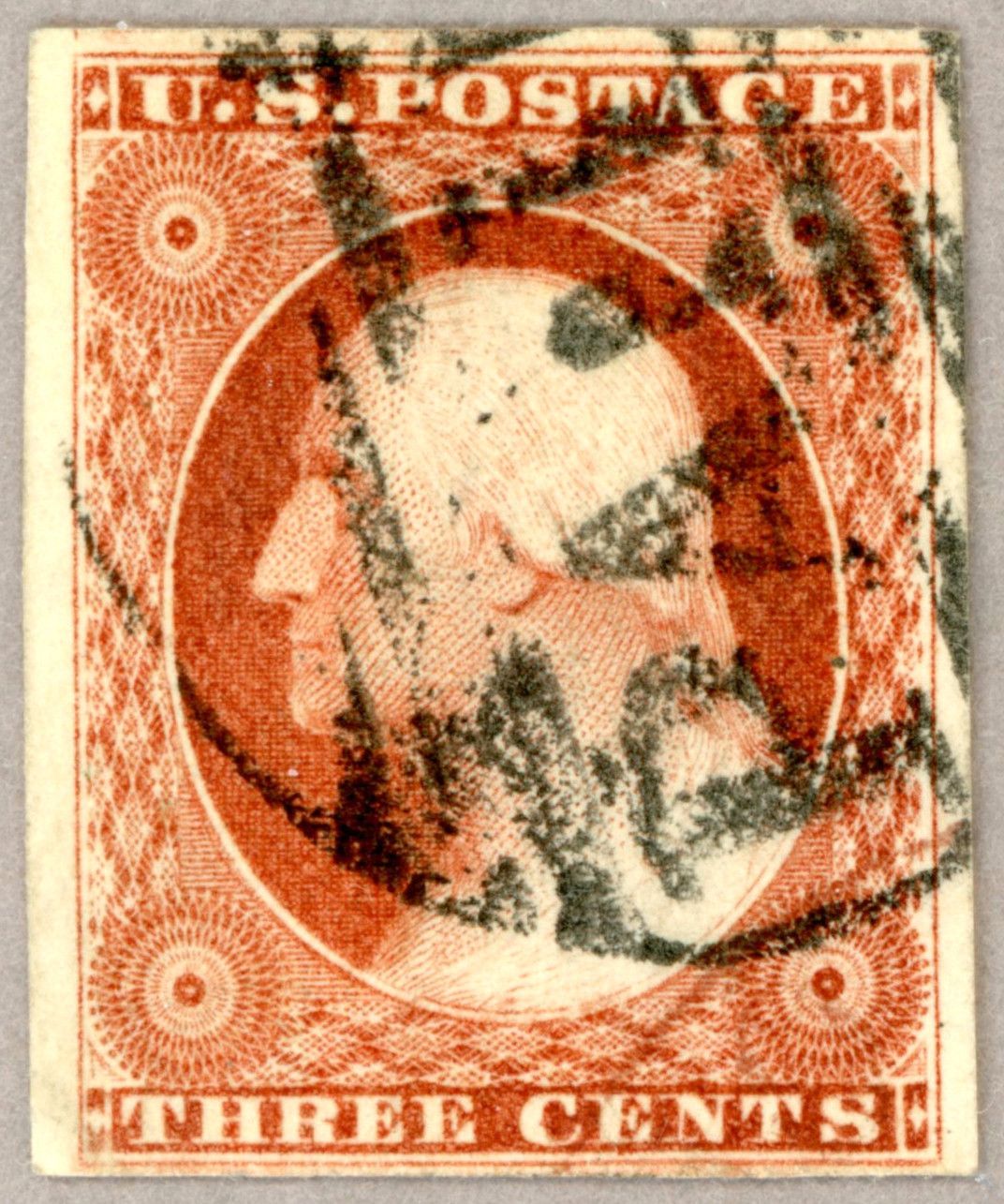 |
|
Send note to Staff
|
|
|
Pillar Of The Community
United States
3520 Posts |
|
|
If its going to be a no inner line orange brown, then it would have to be from either Plate 1e or Plate 1i. If you don't find it there, then its not an OB, unless I missed one of those fine partial inner line recuts on Plate 1e.  |
|
Send note to Staff
|
|
|
Pillar Of The Community
United States
2947 Posts |
|
|
Is that LFL being close to design a characteristic of plate 6 or other late plates?
Nice stamp whatever color it is. |
|
Send note to Staff
|
| Edited by stampcrow - 07/25/2024 10:06 pm |
|
|
Pillar Of The Community
United States
1831 Posts |
|
|
Eyes are tired - no matches. I looked through all the single inner line stamps on 1e and 1i and didn't see any with the LFL so close both at bottom and top. I spent some time straining my eyes on the compression charts for plate 6. No joy either. I'll do some more tomorrow. I guess it's an 11, but I've been known to miss matches before. |
|
Send note to Staff
|
|
|
Pillar Of The Community
United States
2555 Posts |
|
|
I would be looking at Plate 6 or 7. A large Boston paid is your first clue that it isn't a #10. No recuts in the upper right diamond block or the top label block is another clue that it probably isn't a #10. |
|
Send note to Staff
|
|
|
Pillar Of The Community
United States
636 Posts |
|
|
Hi RLSNY -- Your stamp with the large Boston PAID cancel -- (that I see has now been " proudly" listed on ebay) -- plates to position 50L7. PS to StampCrow -- the characteristic of the LFL being too close to the design is most often seen on plate 4 stamps. In plating this particular stamp -- it is clearly a B relief -- and with no GD showing. While it is possible that the GD could have been cut off -- given the size of the margins it was more likely that the stamp was from the 10th column, bottom row, or a missing dot position. I used the relationship of the LFL to the ULDB and LLDB as the primary search feature to quickly eliminate most all B relief possibilities on plates 6 and 7 -- eventually landing on 50L7 -- after-which everything tied in nicely -- including that extended LFL from 40L7 above that shows on the patient stamp. Regards // ioagoa |
|
Send note to Staff
|
|
|
Pillar Of The Community
United States
2947 Posts |
|
|
Valued Member
United States
327 Posts |
|
|
Greeting all. I've plated the following stamp with a New York, NY - May 2X, 1857 cds to position 31R3 and I believe its a nice example of a very late plate 3 impression. Chase speculated that Plate was removed sometime in 1856 to be cleaned and then returned to service resulting in "beautifully clear" 1857 impressions. The impression is certainly clear and crisp but does show wear in Washington's hair and in the top label block. It's a bummer that the left and bottom frame lines are missing. Regards, Harper1249 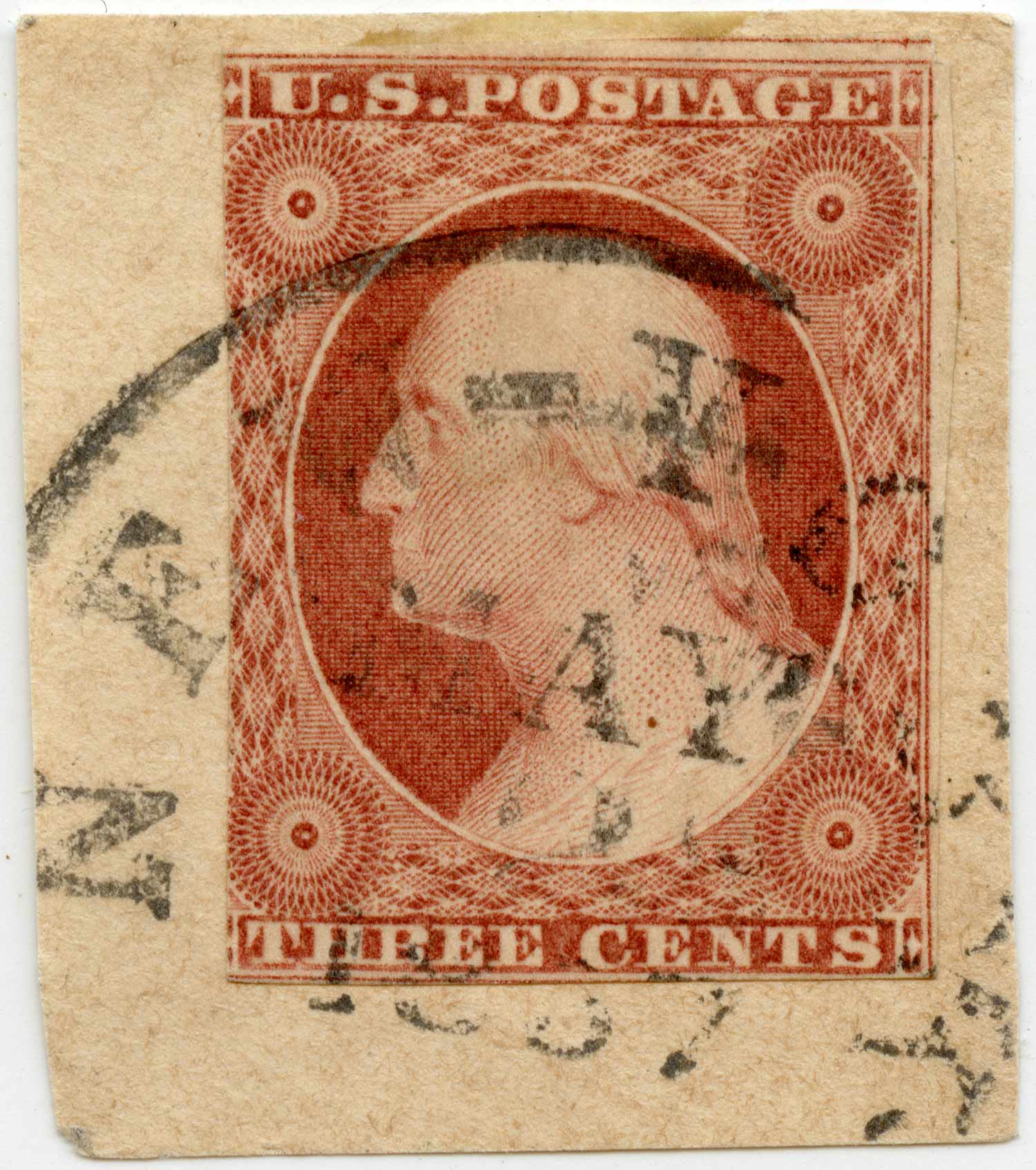 |
|
Send note to Staff
|
|
|
Valued Member
United States
83 Posts |
|
|
Hi all some great information in this thread. Many of you noted the plate number or a dot that may determine a #10 vs #11. Do you have any resource for a beginner/intermediate collector to help guide them through the process of determining a #10 vs #11. I start with The Swedish Tiger but then get stuck at a 10a/11a etc
Thanks in advance for your help.
|
|
Send note to Staff
|
|
|
Pillar Of The Community
United States
636 Posts |
|
|
Hi Collector Kent --
Bottom line -- the difference between a #10/10A versus a #11/11A -- is a function of the plate from which the stamp was printed -- and if either inner line is recut (or partially recut).
#10 / 10A come from plates 1E, 1i, 2E, 5E, and 0
#11 / 11A come from plates 1L, 2L, 3, 4, 5L, 6, 7, and 8
In determining the Scott # -- The color of the stamp does not matter -- only the plate from which the stamp was printed. That said -- there are all manner of color varieties -- which is a whole other subject entirely.
The difference between #10 and #10A -- and likewise #11 / 11A -- is based on the recutting, if any, of the inner lines. On #10 and #11 -- neither inner line shows any trace of recutting. On #10A and #11A -- one or both inner lines have been recut (or, in some cases, partially recut).
All of the above is discussed in much more depth in the various resources referenced below.
I do not use The SwedishTiger -- so am not familiar with what they advise -- but at the end of the day -- figuring the Scott # is a two step process -- First, determining the plate from which the stamp was printed. And second, determining if either inner line has been recut (or partially recut).
There are tons of resources available on this issue. Here are a few to get you started:
-- StampPlating.com
-- The Chase book available for free on the USPCS website's electronic library.
-- StampSmarter.org
Hope this helps -- as we can always use more collectors interested in the 3c issue of 1851-1857!
Regards// ioagoa |
|
Send note to Staff
|
| Edited by ioagoa - 07/27/2024 11:05 am |
|
|
Pillar Of The Community
United States
1831 Posts |
|
|
ioagoa, thanks for the plating on my stamp with the Boston paid. Your knowledge and experienced is most appreciated. |
|
Send note to Staff
|
|
|
Pillar Of The Community
United States
1105 Posts |
|
|
I have these two three cents. I've identified these as Type I and Type II from left to right. What I am struggling with is the color. The Type I is much darker and more red than the Type II. Hard to tell from this picture, but I will add one that should show a more distinct difference. 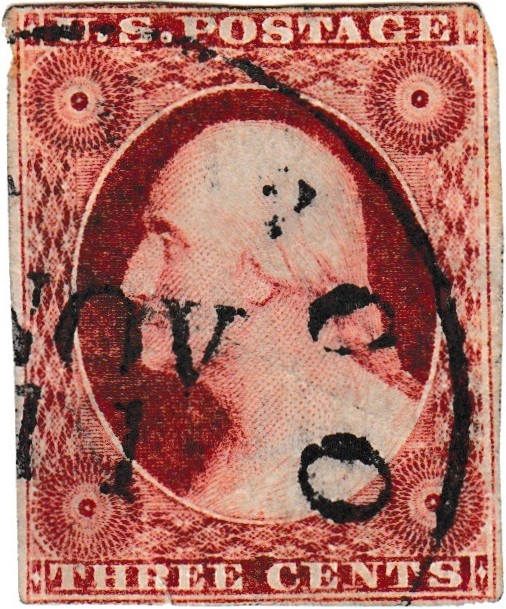 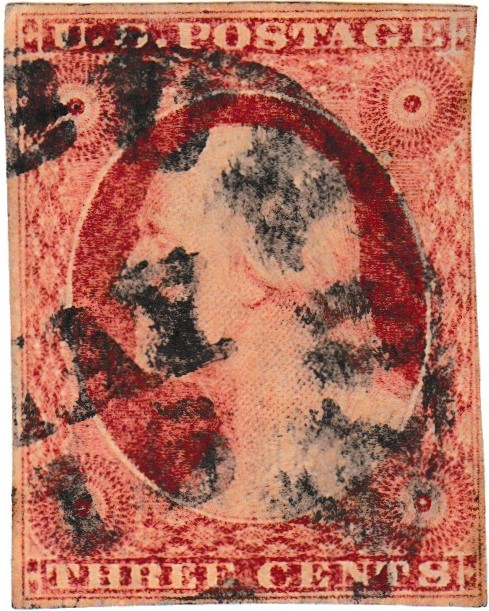 Here is perhaps better contrast: 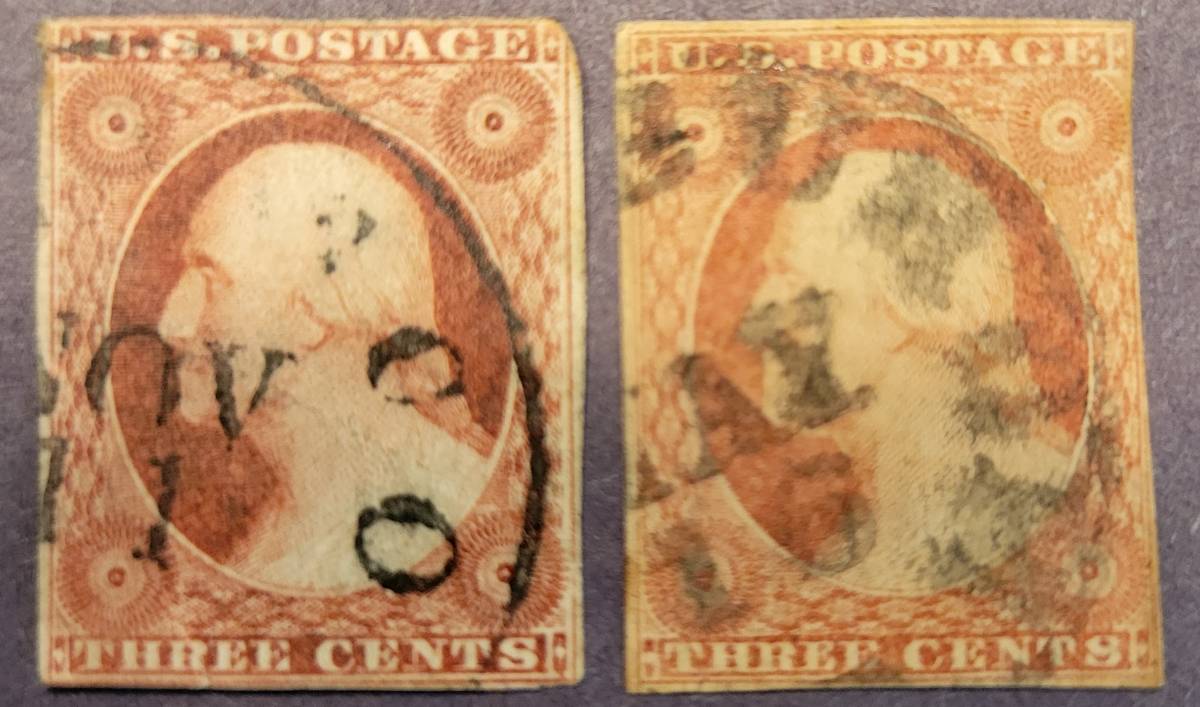 Top pics are scanned, bottom is phone and more like what I see with my eyes. Are these 11 and 10A? 11 and 11A? 10 and 11A? |
|
Send note to Staff
|
| Edited by NicholasC - 07/28/2024 12:50 pm |
|
|
Replies: 3,821 / Views: 252,969 |
|




 Posted 07/07/2024 9:09 pm