Quote:
From AQ, "(the print pressure would have been the same for both)"
No ink would mean less pressure, correct?
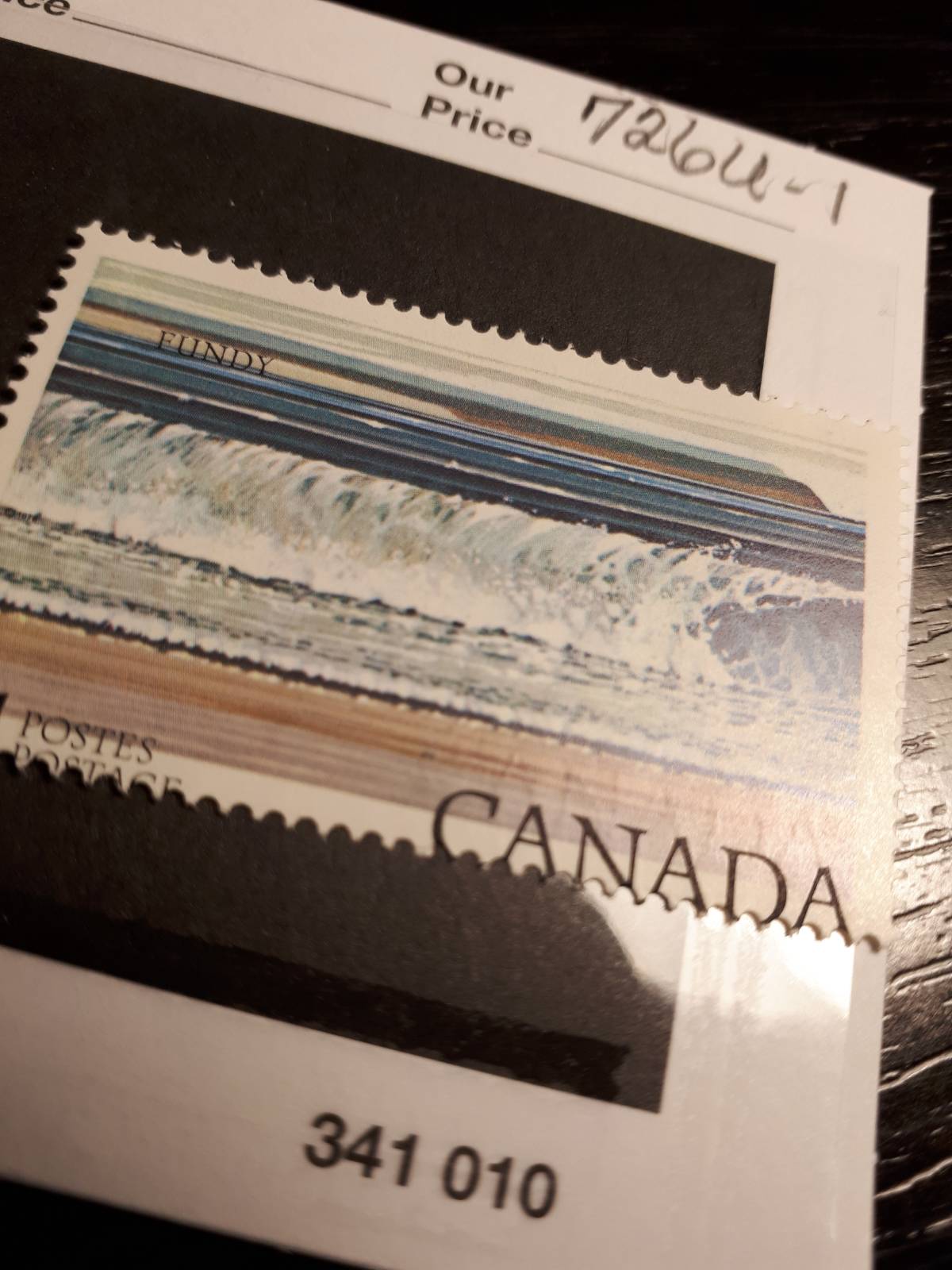
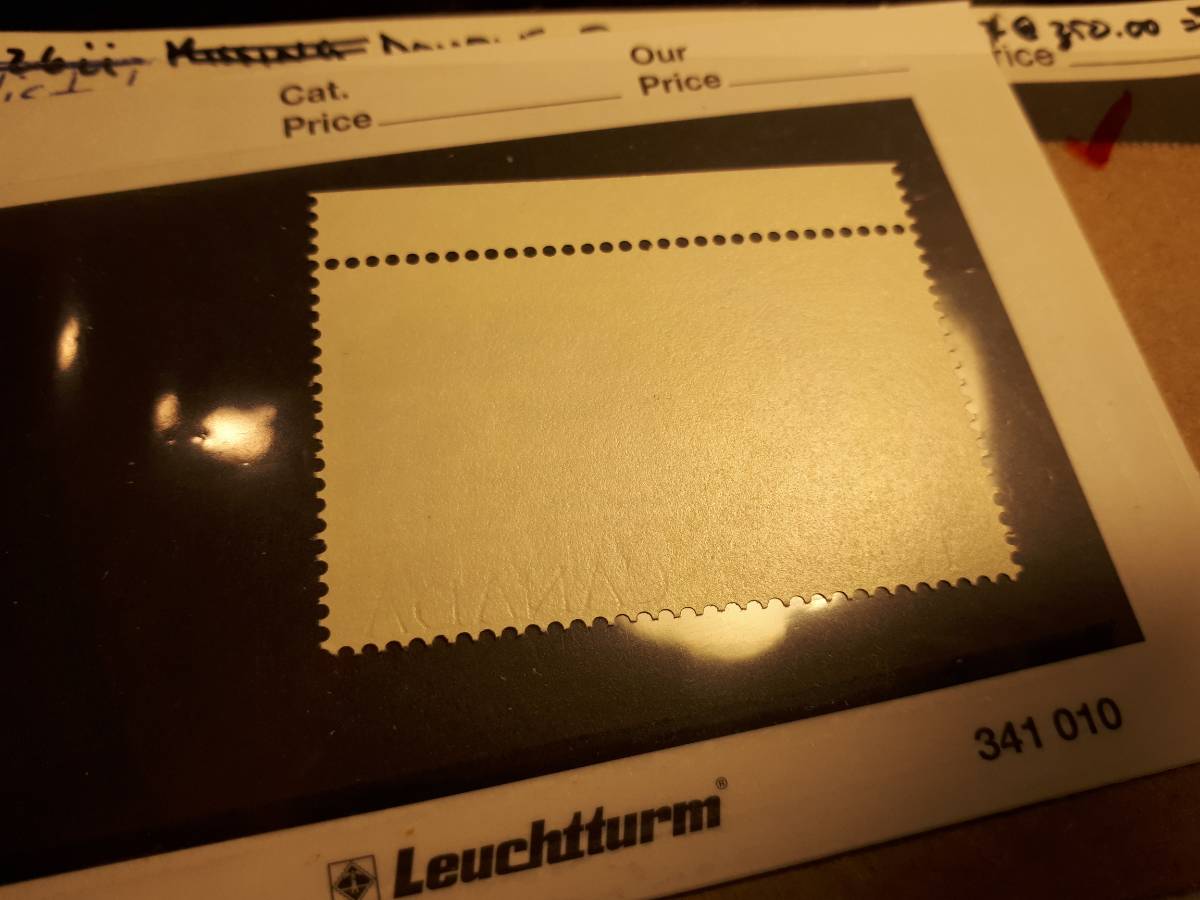
No the opposite I think. This is recess printing we are talking about not typography. With recess printing the ink is applied onto a plate which has had the desired image cut into it. Then the excess ink on the surface of the plate is removed and the paper pressed onto the plate from the back of the paper forcing it into the cuts so it picks up the ink and causing a slight embossed effect on he front surface. No ink would mean the image lines would be fractionally deeper and the paper more "embossed". How much you would see this in practice I have no idea. If you look at the stamps you have from the back you will see what I mean.
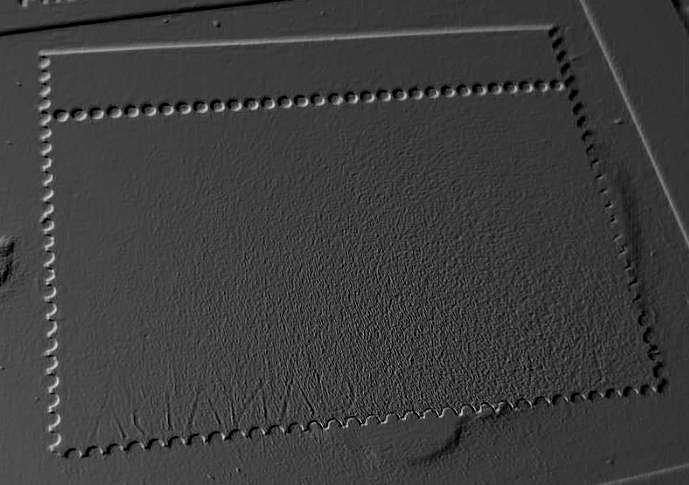
This is an image that I have just taken with my phone. You can clearly see the (unfortunately

) single impression dented into the back of the paper. All the stamps in the plate blocks are the same.

I would expect a albino impression to show just as clearly. As is typical with recess printing you can just about feel the indents in the back.
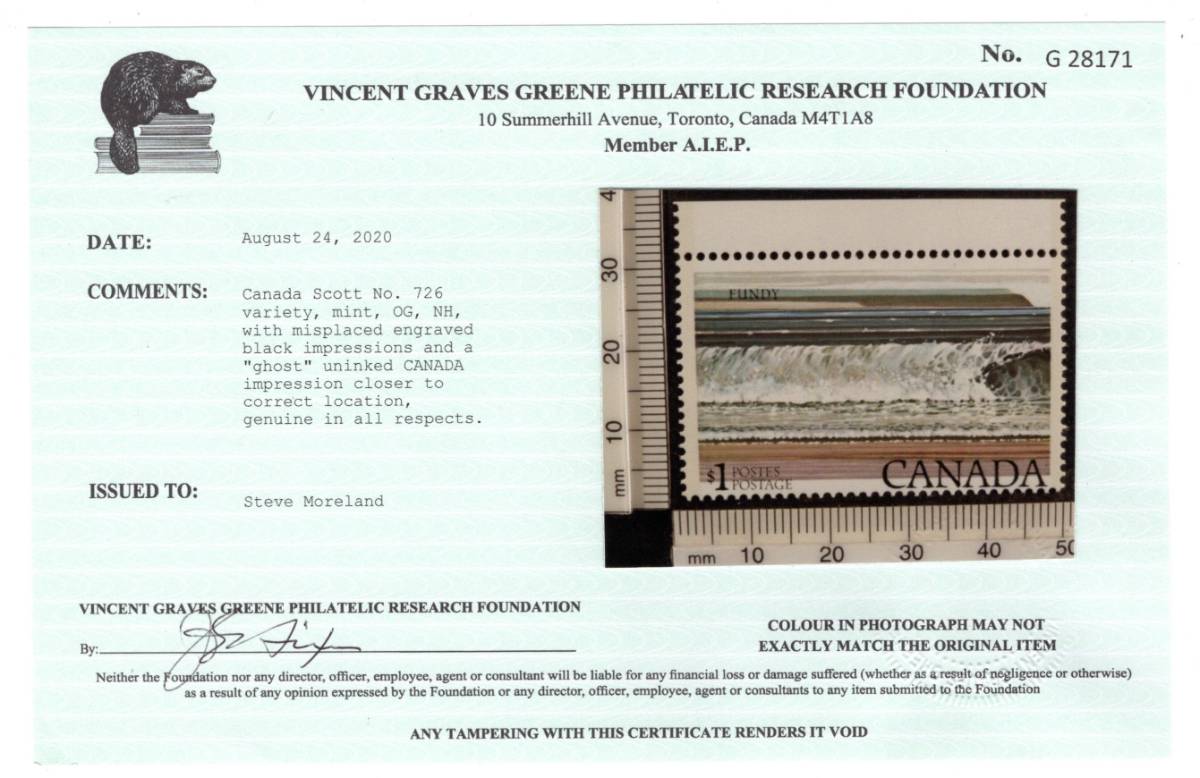
An image of the back of the stamp in question would be most helpful as can be seen from the one above and should quickly settle this question. An albino print from a recess plate must indent the paper
AQ





 Posted 06/05/2020 3:15 pm