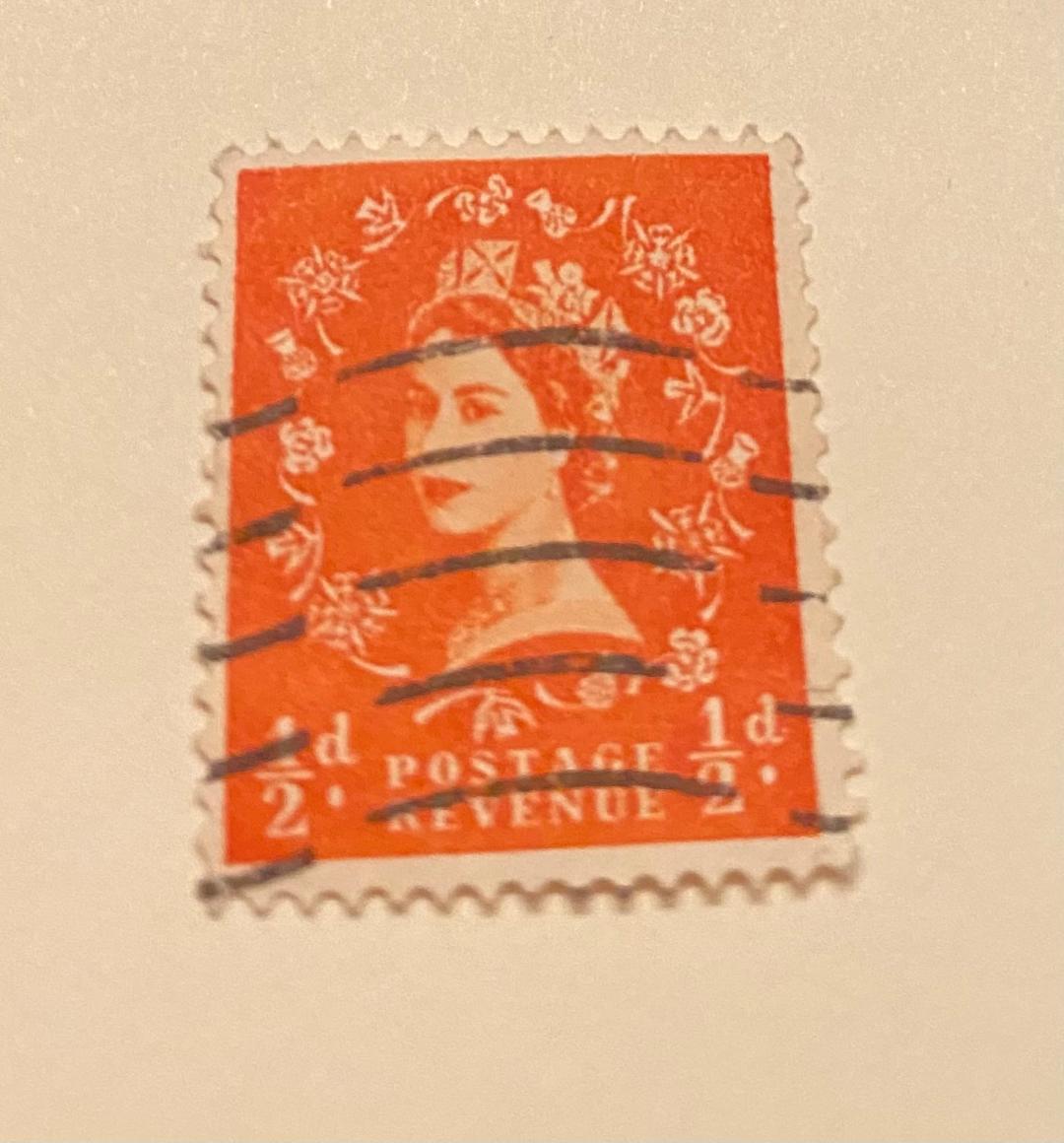
Nora,
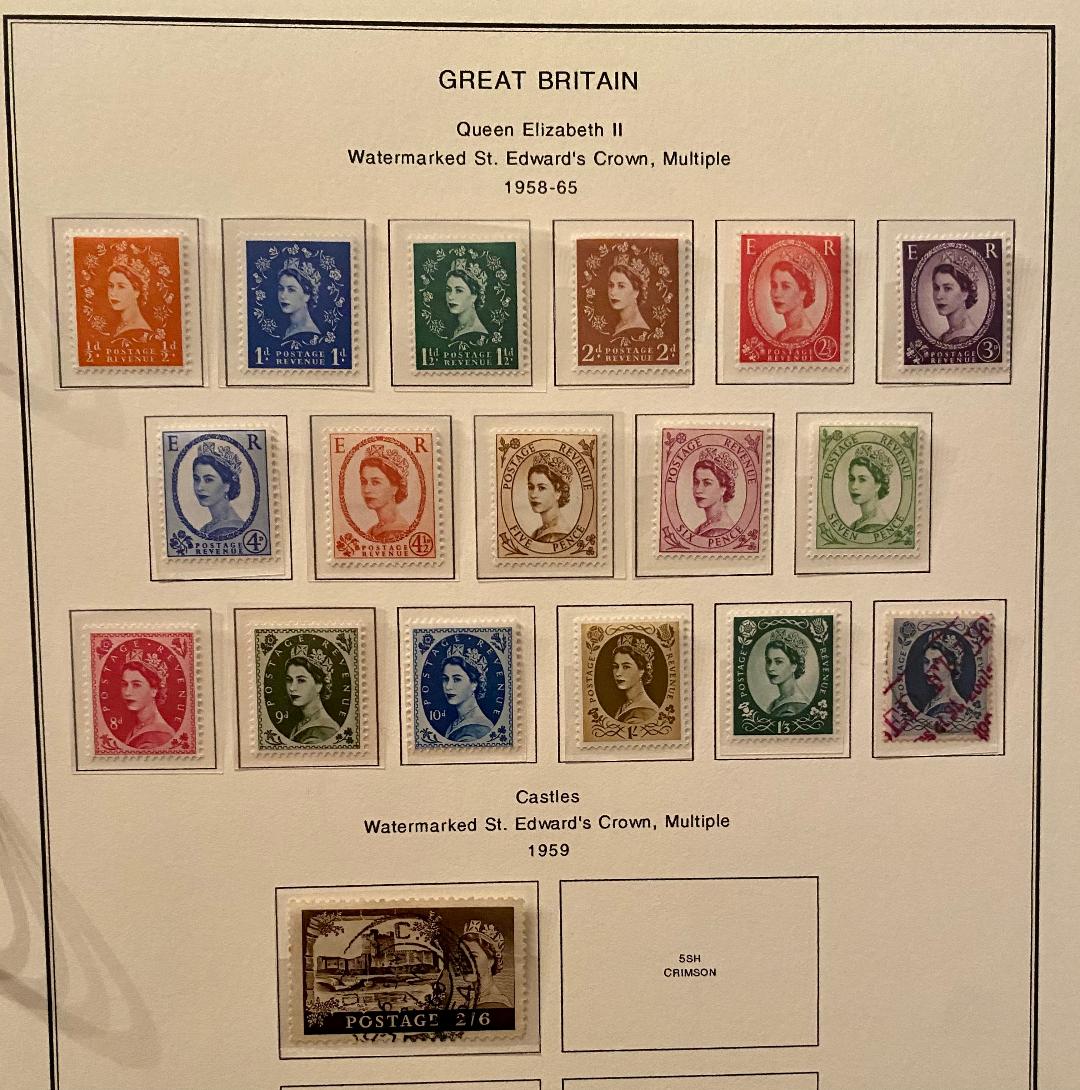
Your collection is coming along nicely.
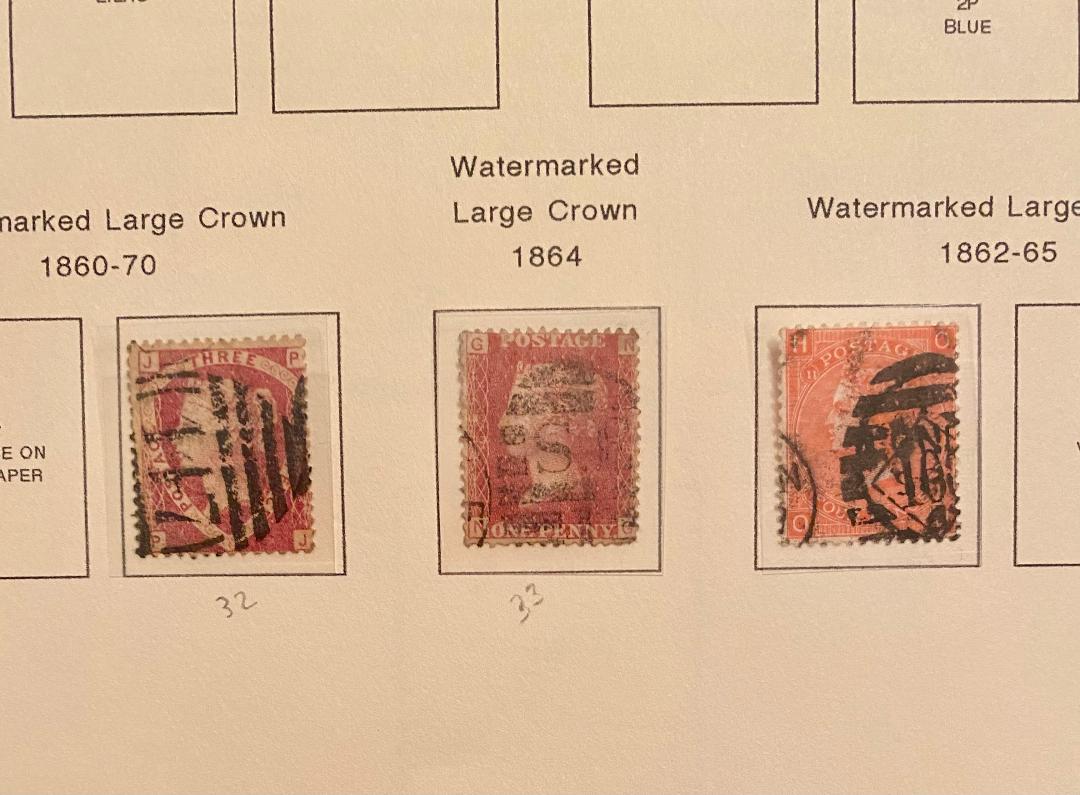
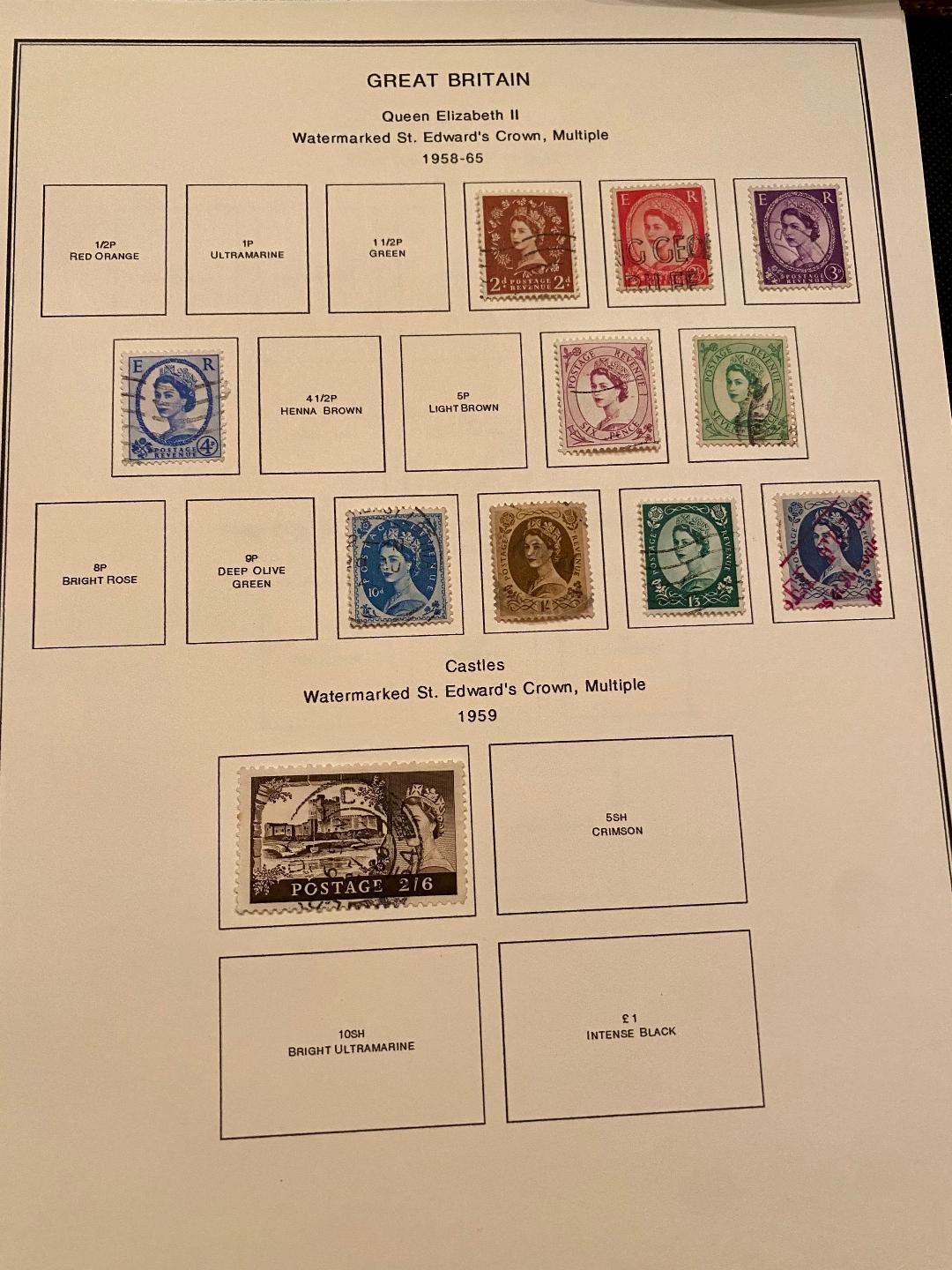
As I do not use Scott, I do not know how these pages are made up. The 4d Queen Victoria is the type with large corner letters. This was printed in vermilion. The plate number (8) can be seen on either side of the word "POSTAGE." This was issued in 1865 – Scott 43? -.
Seeing the years 1862-1865, I think that is the stamp with small corner letters, no visible plate number – Scott 34? -. This was in use between 1862 and 1865.
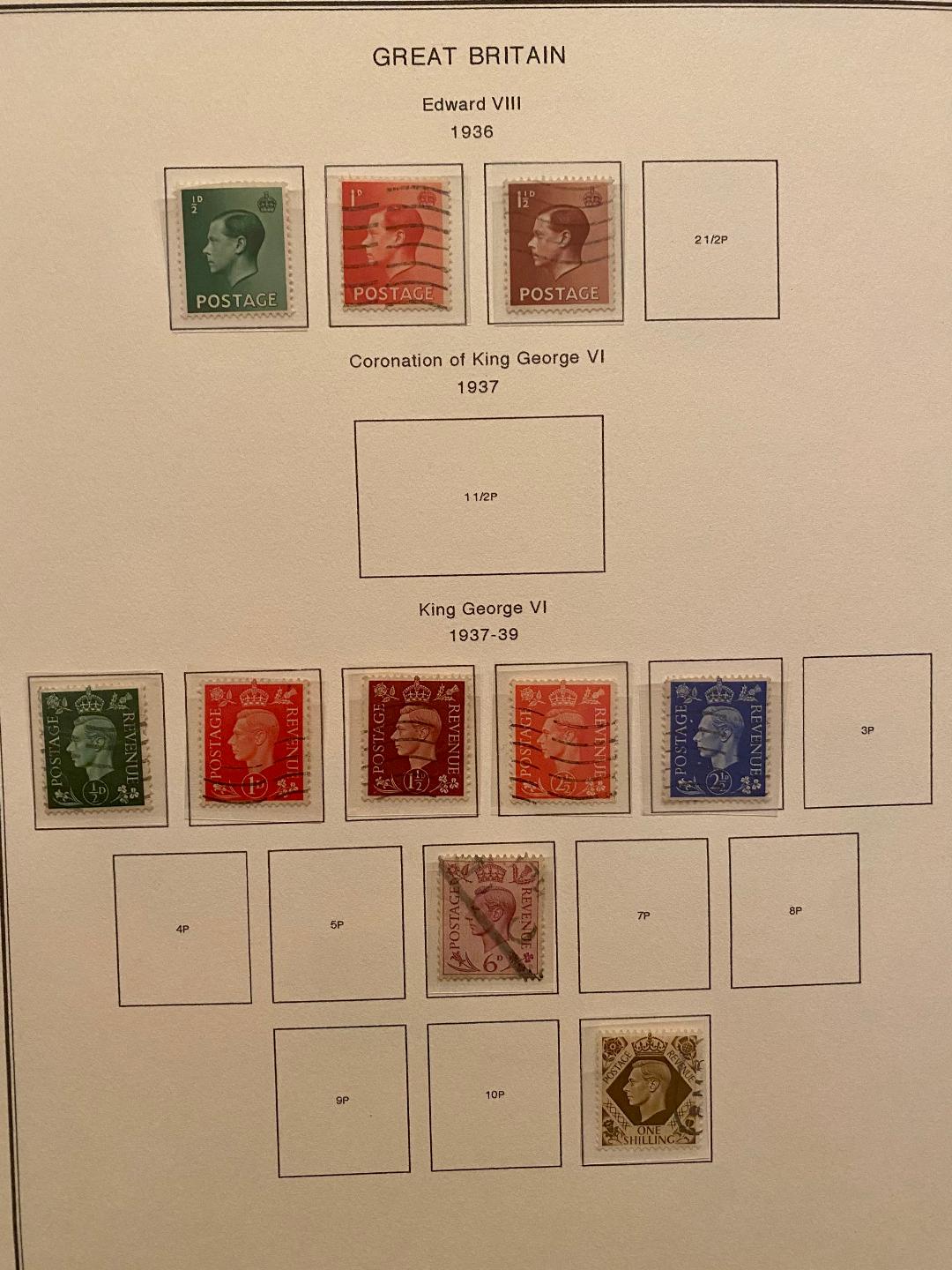
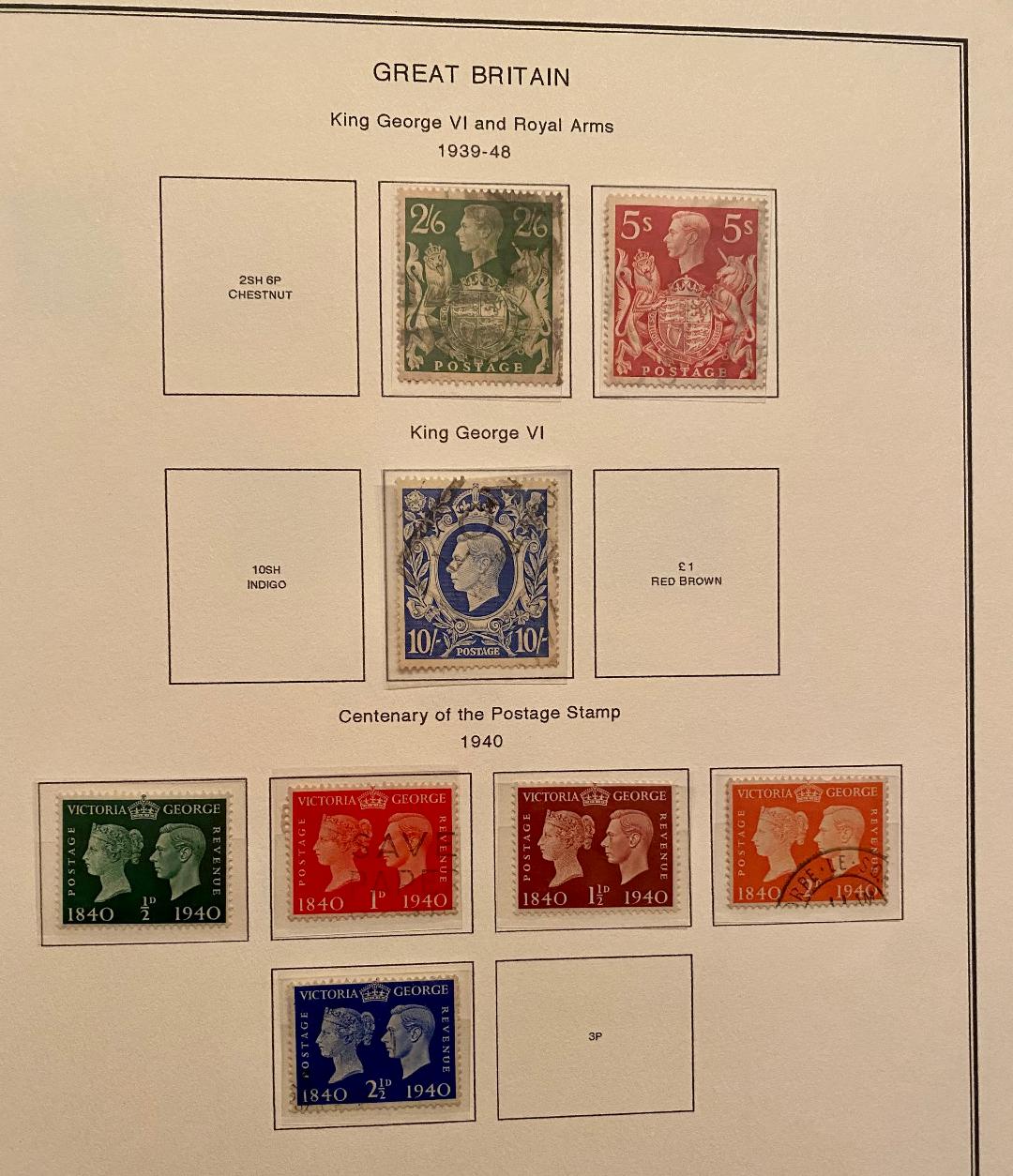
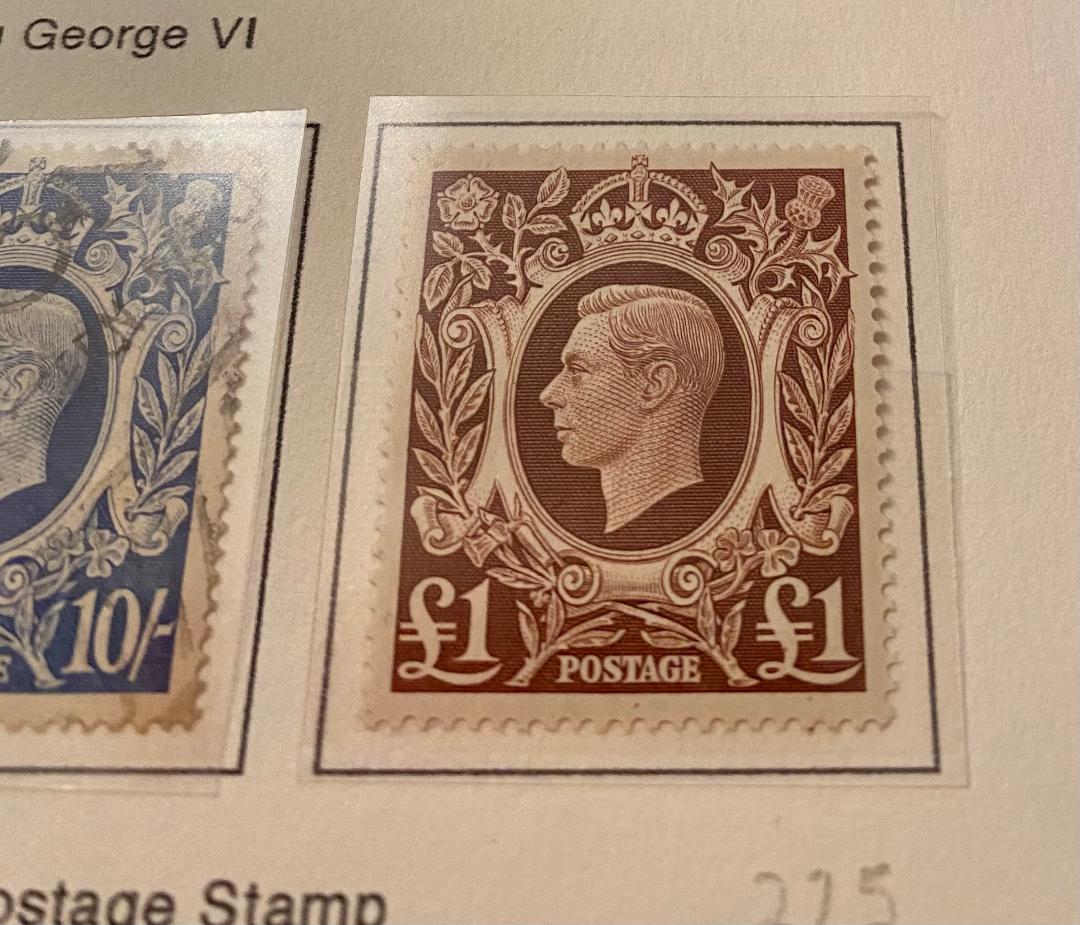
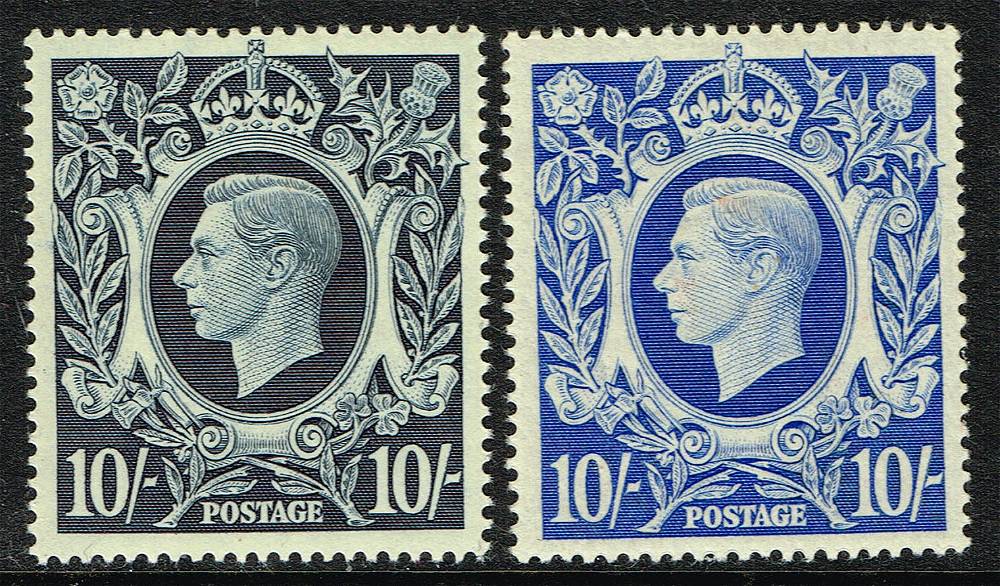
As to the 10s George VI stamp. I think you identified it correctly as the ultramarine stamp. I should be careful, as scans can be deceptive, but I am almost sure.
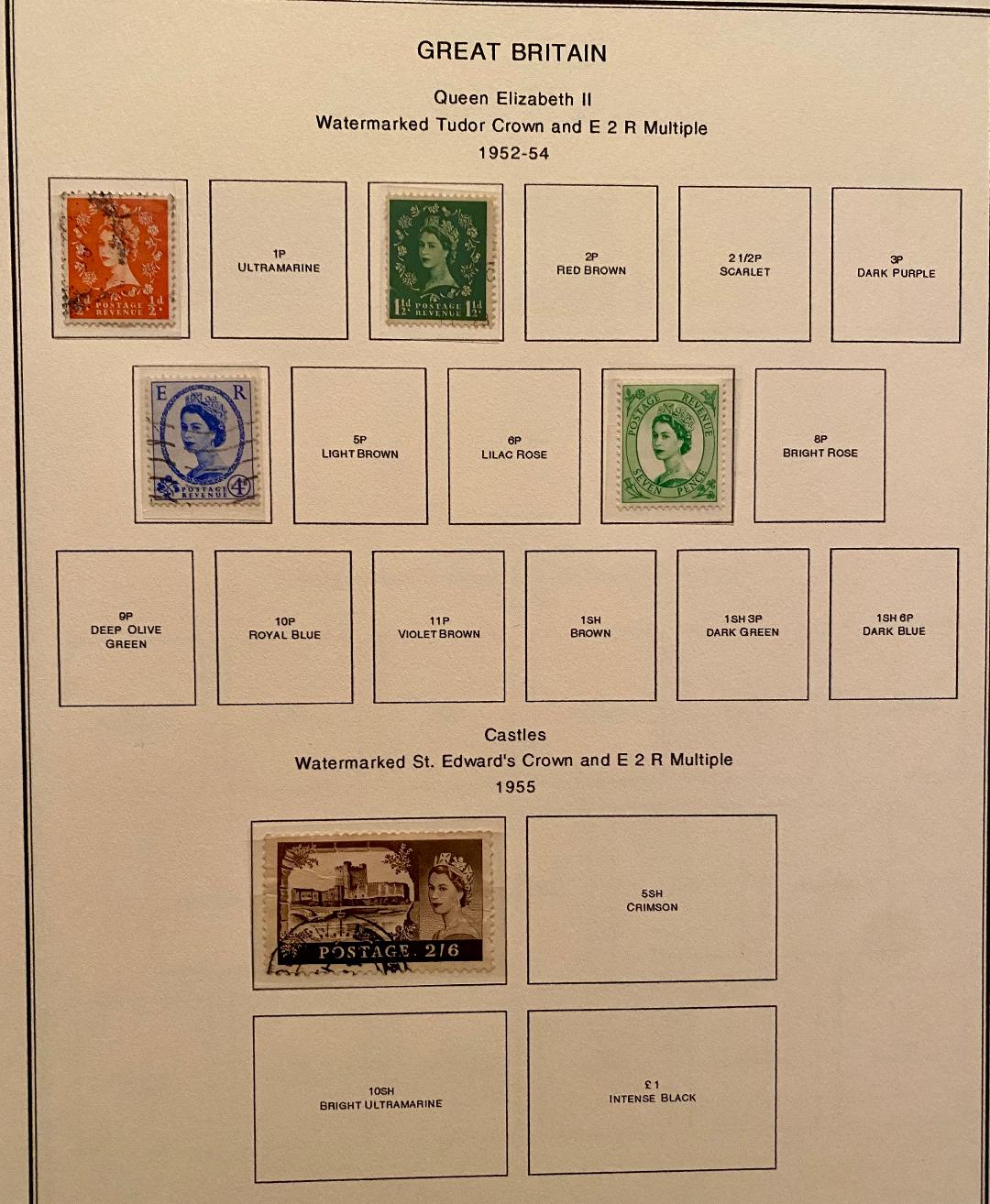
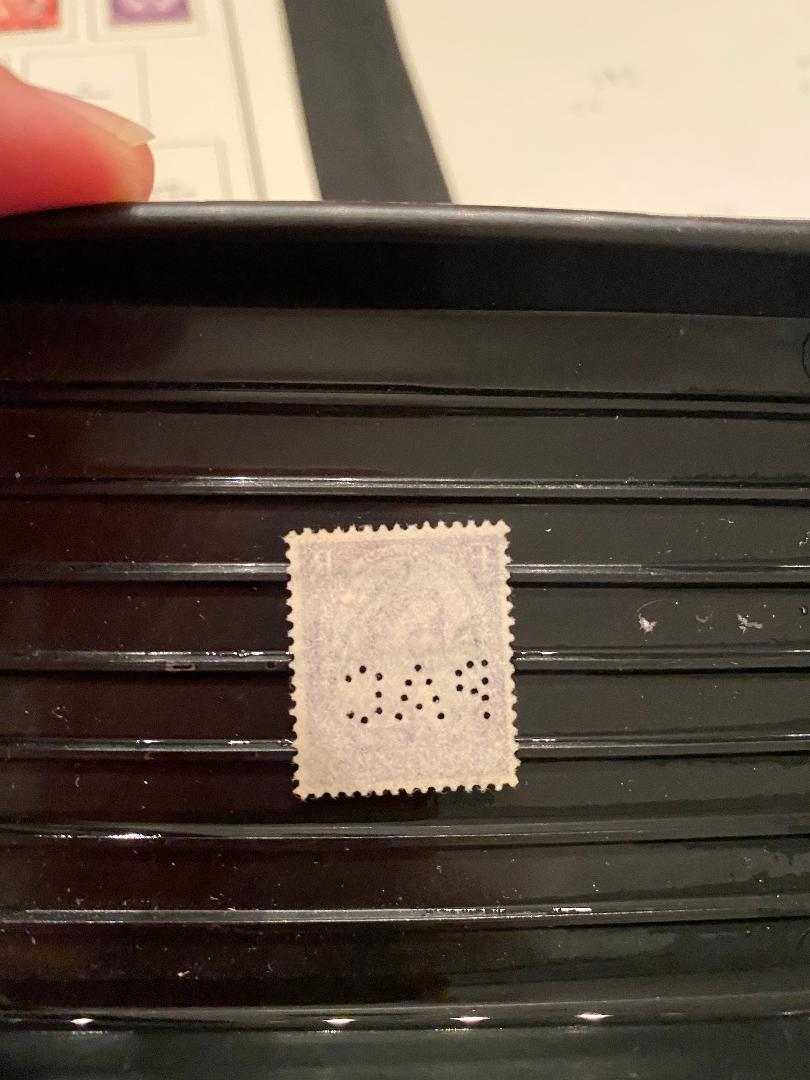
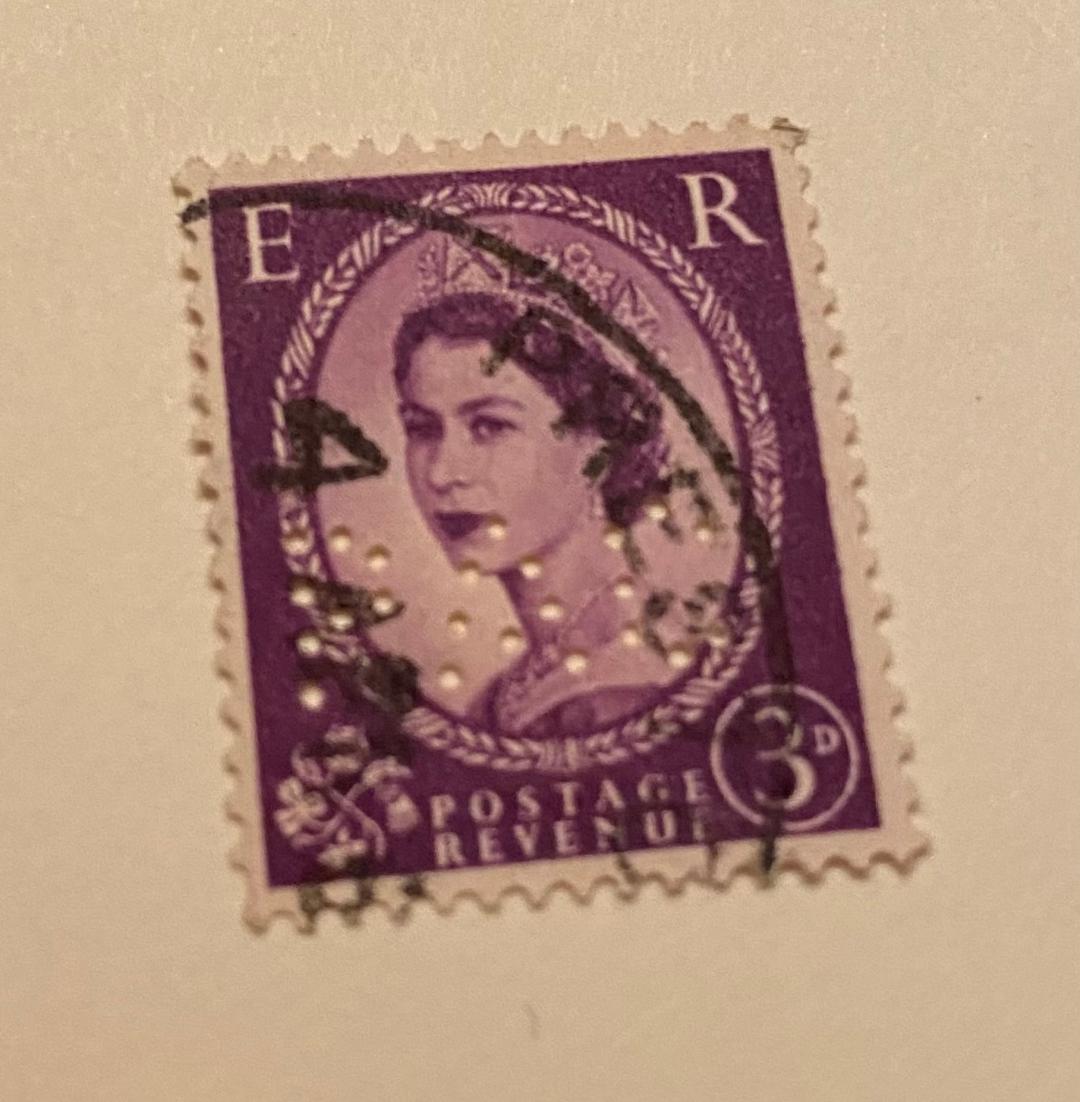
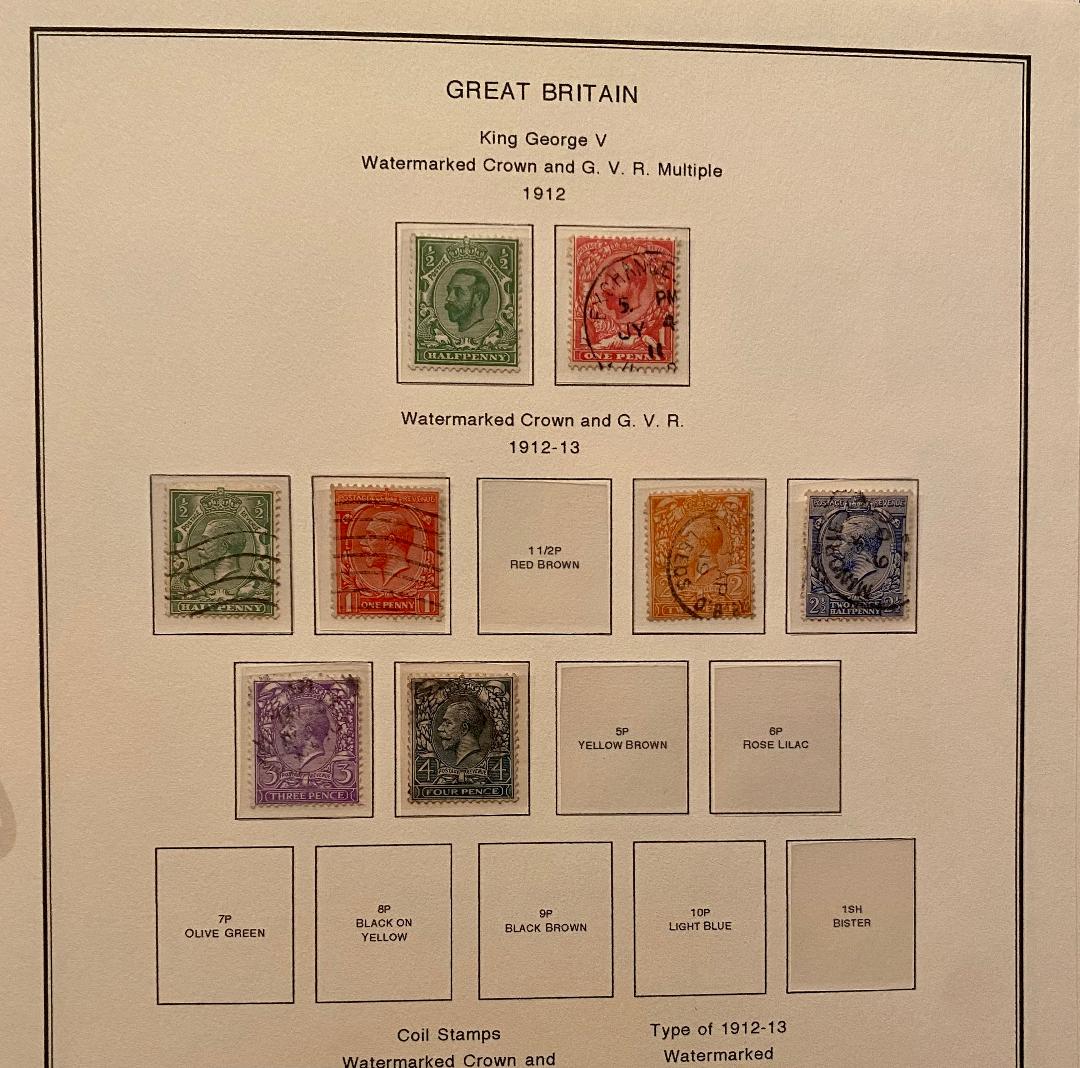
Your 3d lilac "PAC" perfin appears to have the "Multiple Crowns" watermark.
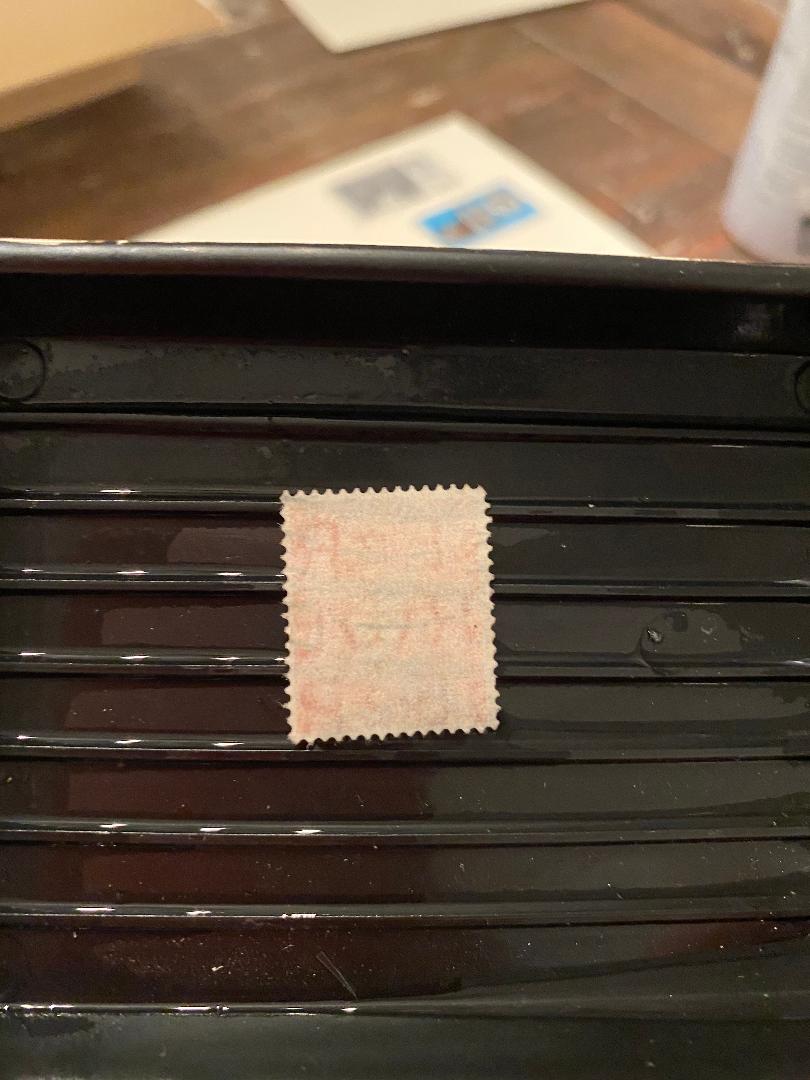
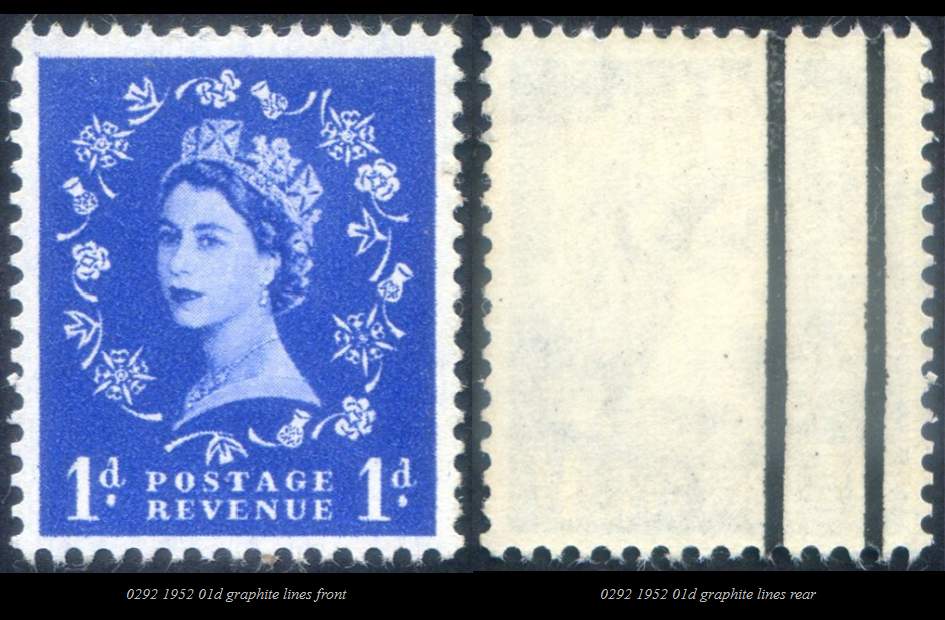
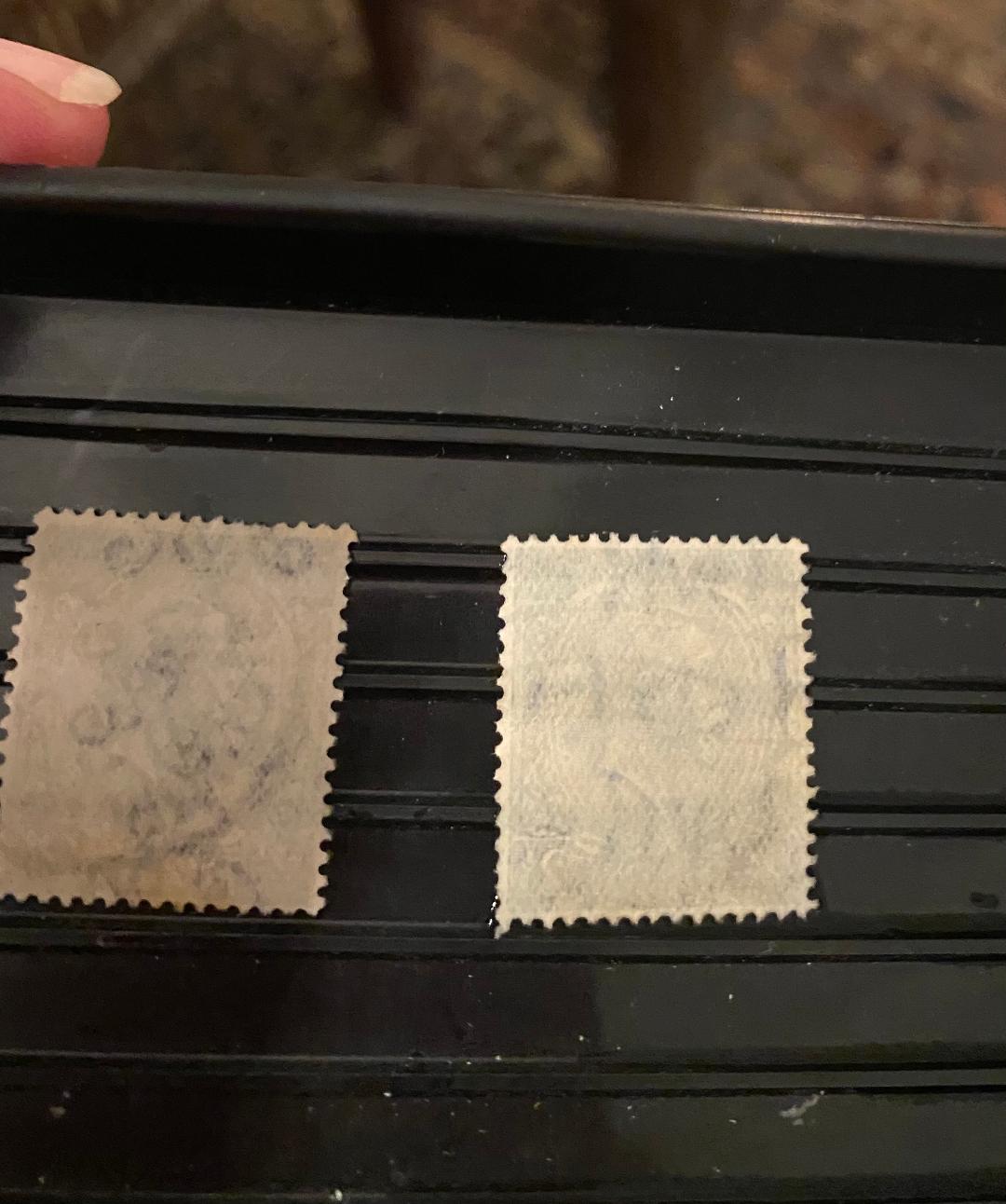
rod222 has a particularly interesting example of a stamp with graphite lines on the back.
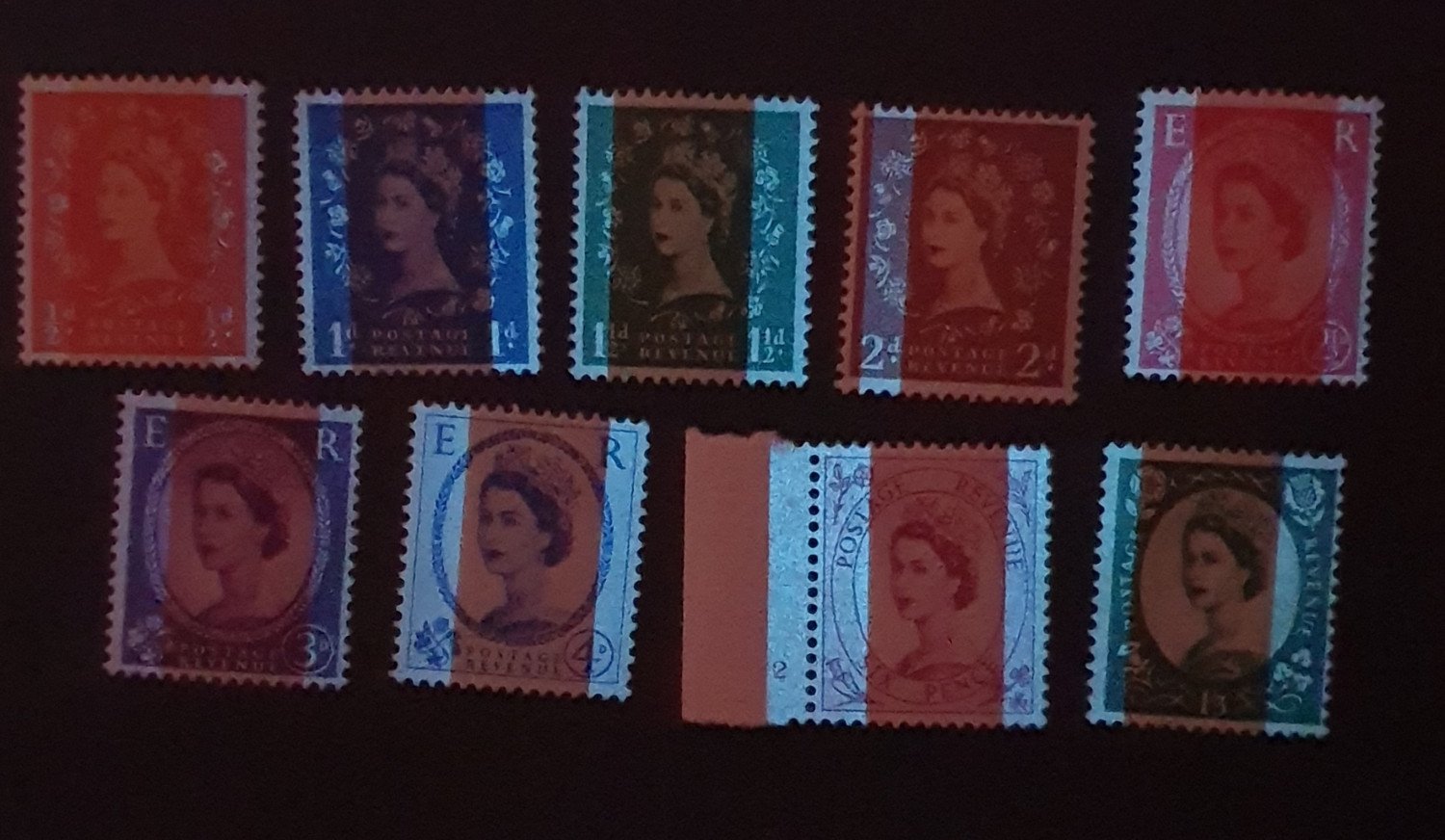
In July 1961, after the experiment with graphite lines had ended, coils of 1d stamps were printed on residual stock of graphite-lined paper intended for booklets. Many stamps with misplaced graphite lines exist from this issue. These include stamps with one graphite line instead of two, two graphite lines that should have appeared on adjacent stamps appearing in pairs on a single stamp, or stamps that had a graphite line coinciding with the perforations. The latter resulted in stamps with three graphite lines.

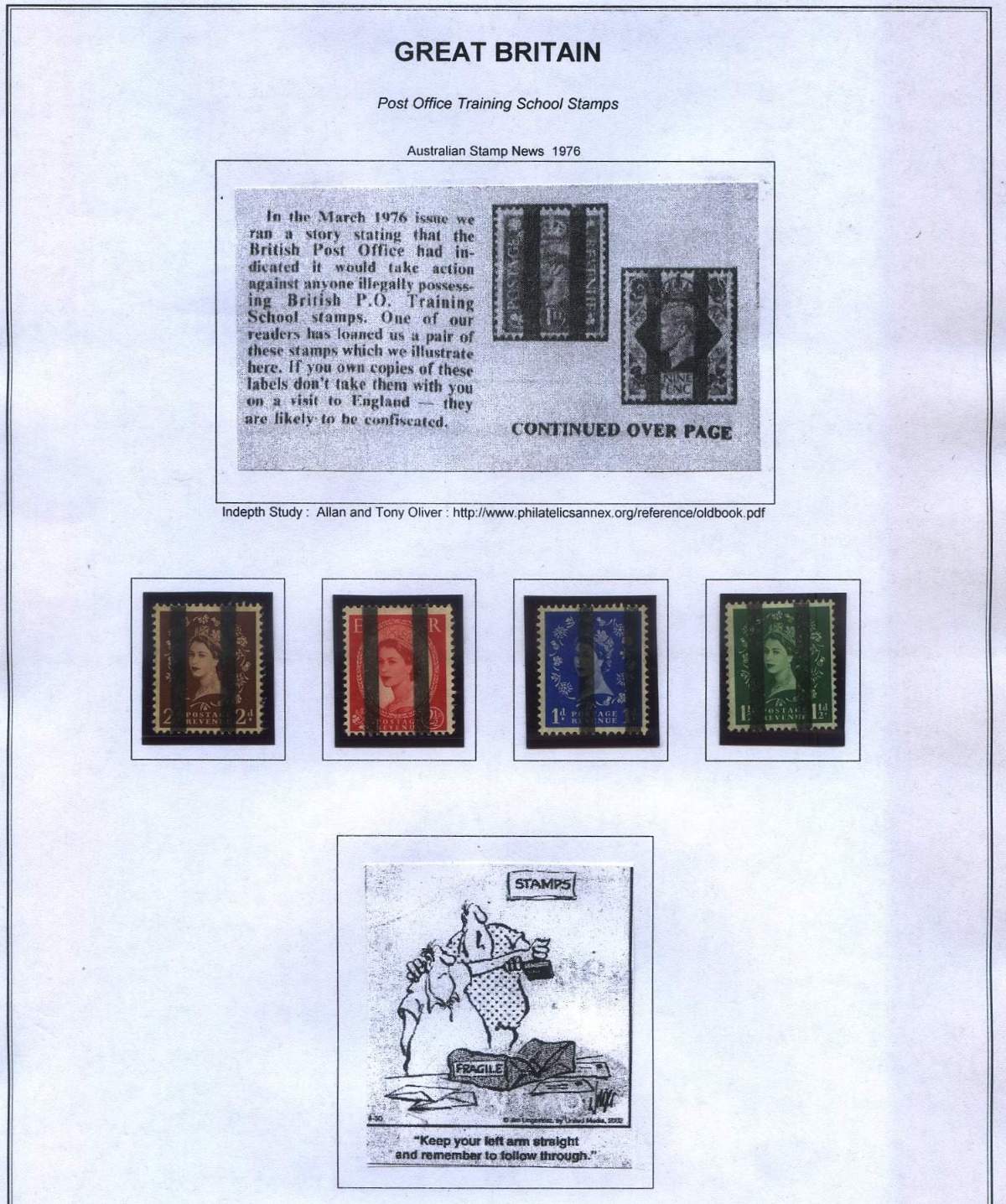
Below is what they normally look like.

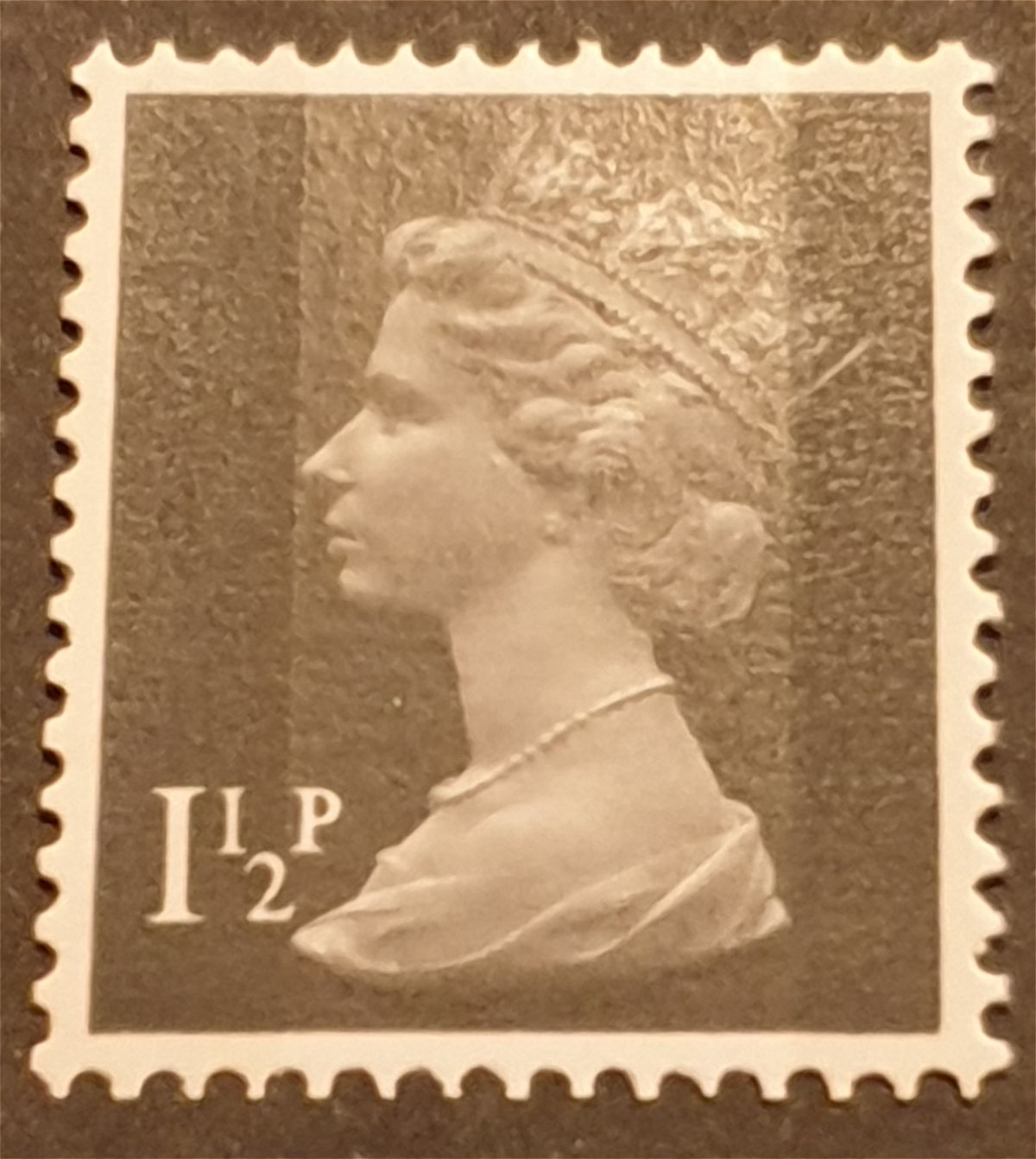
The Automatic Letter Sorting machine used an electric current that was conducted by the graphite lines. The machine thus recognised the stamp. The 2d stamp had one line, as this was the basic printed matter rate. Other stamps had two lines. The phosphor bars have the same use but work with light signals instead of electric current. When the experiment ended, the surplus graphite-line stamps were overprinted with phosphor bars. So, those also exist with B1 (green) phosphor bars.





 Posted 01/28/2021 11:16 am