| Author |
 Replies: 37 / Views: 4,517 Replies: 37 / Views: 4,517 |
|
|
|
Pillar Of The Community
3860 Posts |
|
|
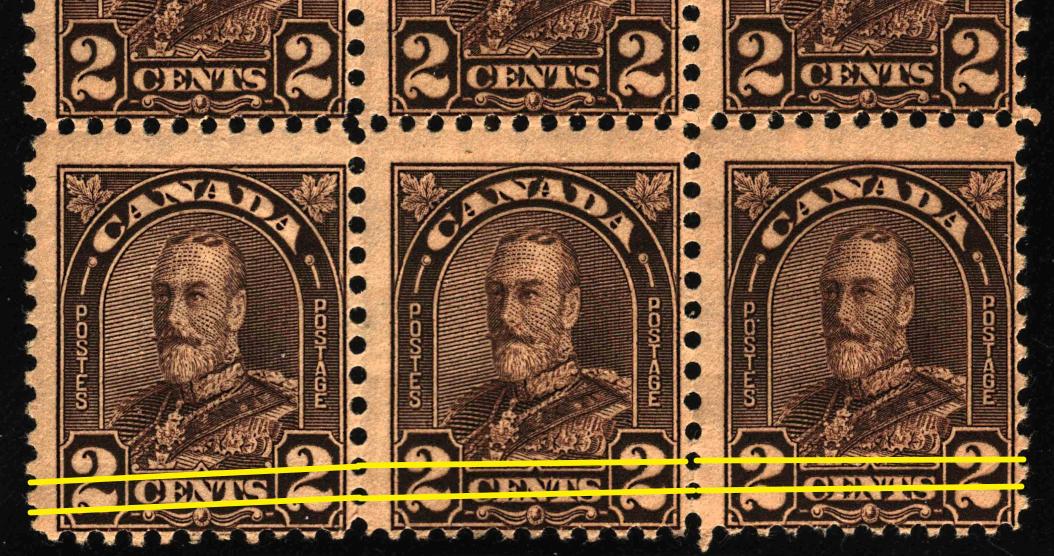
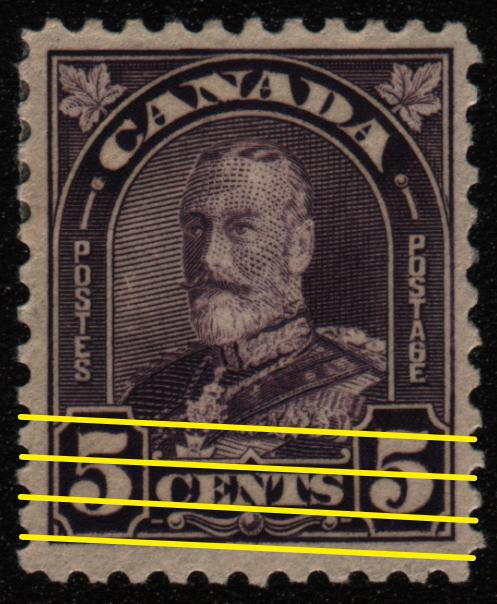
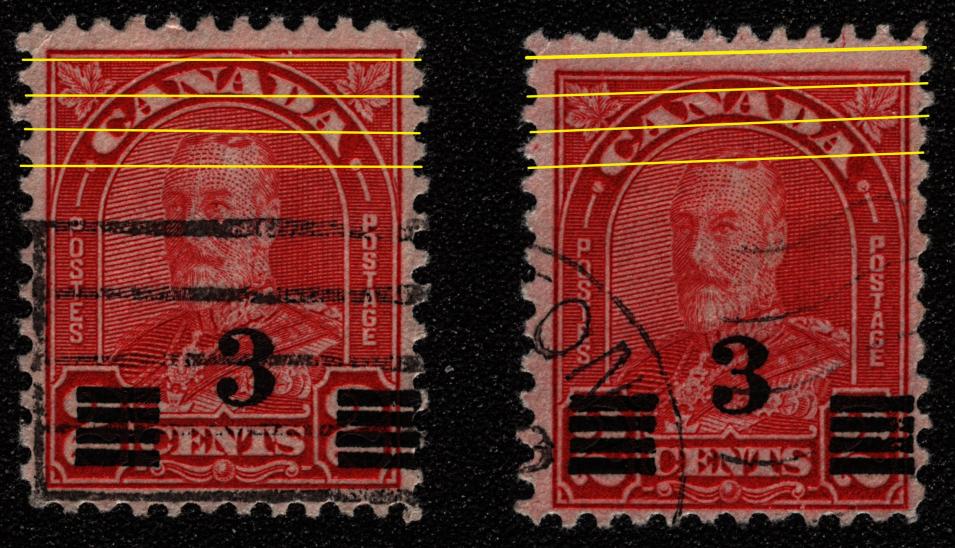
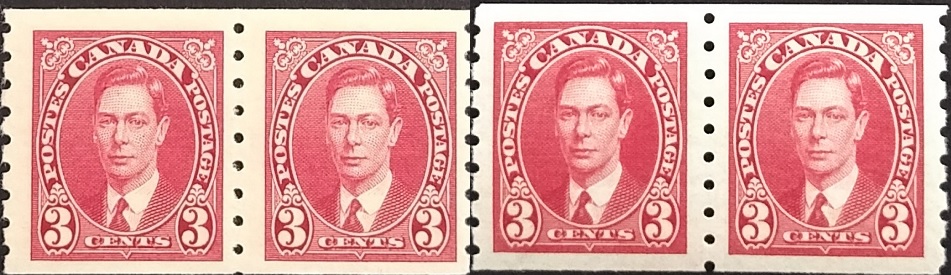
So far the largest multiple of the new different perforations that have been found are strips of only four stamps.
Large multiples of the regular perforations have been found in large strips of many stamps such as 10, 20, 30, etc. |
Send note to Staff 
|
| Edited by jogil - 07/21/2021 10:36 pm |
|
|
Rest in Peace
7742 Posts |
|
|
Quote:
So far the largest multiple of the new different perforations that have been found are strips of only four stamps.
Large multiples of the regular perforations have been found in large strips of many stamps such as 10, 20, 30, etc. That is very different Jogil..Is their any explanation why the difference between and larger number of strips..??? Robert |
|
Send note to Staff
|
|
|
Pillar Of The Community
3860 Posts |
|
|
wert: It could have to do with the different perforators used. The regular perforations were perforated by a web-fed bar perforator which can continuously perforate long rolls of printed stamp paper in one direction. The irregular perforations were perforated by a sheet-fed wheel perforator which can only perforate one stamp sheet at a time. Some web printed stamps had to be broken down into some sheets in order to get the irregular perforations. |
|
Send note to Staff
|
|
|
Pillar Of The Community
Canada
1416 Posts |
|
|
Pillar Of The Community
3860 Posts |
|
|
Similarly, U.S. coil stamps Scott 443 and 452 are compared below.  U.S. Scott 443 coil stamps (Wheel perforation 10-9.95 irregular across)  U.S. Scott 452 coil stamps (Bar perforation 10-9.85 regular across) |
|
Send note to Staff
|
| Edited by jogil - 07/23/2021 07:43 am |
|
|
Pillar Of The Community
3860 Posts |
|
|
 239 bar perforated 7.85 regular across / 240 wheel perforated 7.95 irregular across |
|
Send note to Staff
|
| Edited by jogil - 07/23/2021 07:49 am |
|
|
Rest in Peace
7742 Posts |
|
|
Rest in Peace
7742 Posts |
|
|
Pillar Of The Community
3860 Posts |
|
|
wert: These are all sheet stamps and not coil stamps. For 166 and 169, the horizontal perforations usually line up together but the vertical perforations usually do not. Why? They were perforated with a web-fed bar (11.25 horizontal) and wheel (10.94 vertical) perforator. |
|
Send note to Staff
|
| Edited by jogil - 07/23/2021 12:29 pm |
|
|
Pillar Of The Community
3860 Posts |
|
|
As a follow-up to this, I am led to believe that this variety may be from coil waste. Some sheets may have been cut out from the web-fed rotary press printed paper web roll and perforated by a sheet-fed rotary wheel perforator. The regular coils were web-fed rotary press printed in web rolls and they were perforated by a web-fed rotary bar perforator. |
|
Send note to Staff
|
|
|
Pillar Of The Community
3860 Posts |
|
|
Moderator

United States
5106 Posts |
|
|
Jogil. Just woke up today and saw this discussion. Here is a strip of 3 of Scott 240 with a similar shifted hole pattern.   My strips of 239 and 238 are all normal. |
|
Send note to Staff
|
|
|
Pillar Of The Community
3860 Posts |
|
|
Partime: It is great that you found a strip of this variety in your collection. There are still some pairs and singles online for sale from some stamp dealers who do not know about this variety. The best time to get a variety is before it goes mainstream. |
|
Send note to Staff
|
| Edited by jogil - 05/22/2022 09:01 am |
|
|
Pillar Of The Community
Canada
1462 Posts |
|
|
Interesting discussion I someone missed until I saw the reference in the Walsh BNA catalogue. This one in my collection looks to me like an example of uneven perforation. 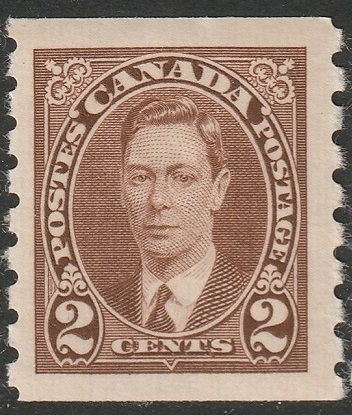 ~Greg |
|
Send note to Staff
|
|
|
Pillar Of The Community
3860 Posts |
|
|
gmot: Yes, the stamp you show is an example of this perforation variety. I can still see some of these stamps available online for those who can spot these perforations. |
|
Send note to Staff
|
|
|
Replies: 37 / Views: 4,517 |
|




 Posted 07/21/2021 10:34 pm