Hi Pollux,
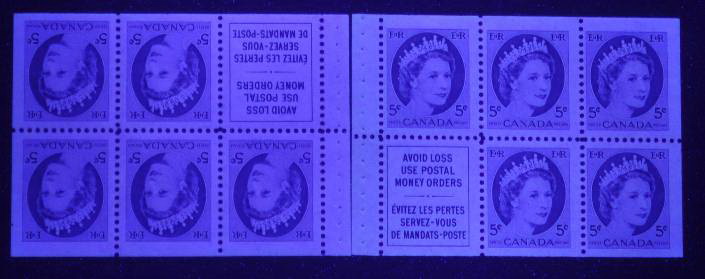
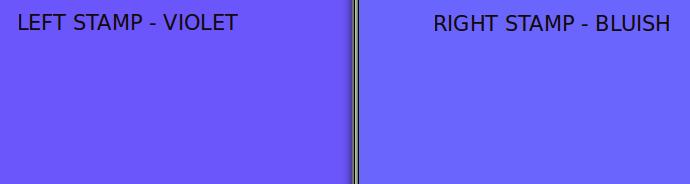
I have worked with the Wilding series for quite a while and I can tell you that there are many levels of fluorescence within each broad category (Dead, NF, Low, Medium High, and Hibrite). I am not sure if you are familiar with the Centennial series, but in Douglas Irwin and Murray Freedman's "Canada: The 1967-73 Definitive Issue" Second Edition, they broke down the intensity of the fluorescence into a scale that ran from 0 to 12 (0 being Dead and 12 being Hibrite). In addition, they also broke the issue down by the ultraviolet colour that was reflected back. For the 1-Cent Brown, for instance, they had 18 different colours that they classified.
The fact is, there was no specific recipe for paper manufacturers, and each batch of paper could be very different. You can specialize in fluorescent papers as deeply as you want, or completely ignore it. You have to sort of set your own bar. For many, it becomes a frustration.
Case in point, I am currently working on a lot of of 200 1-cent Karsh Plate Blocks. So far, I have identified 13 different colours of paper, all of which are still considered to be on Dull Fluorescent Paper. Fibres, or "flecks" as they are often called, were not used until 1959/1060, which was past the printing period of the Karsh Definitives.
A word on lamps. The best one I have ever had, and still use, is a Spectroline Brand (my model ENF260C). To my mind, the battery operated lights are only good for taking away with you. You need a plug in verion at home. I see there is a similar model now on
ebay https://www.ebay.ca/itm/274922922900?etmp=noI have a metal break, so I made my own stand for it, so I can work for hours under the pleasant glow of a Longwave light.





 Posted 08/18/2021 3:30 pm