How to Detect Damaged, Altered and Repaired Stamps by Schmid, Paul W. is a reference beginning.
While I agree with what you said, Don, especially how folks behave (if a little is good, lots is better; well until the Acetaminophen requires a liver transplant).
We are entering an era in which certain truthful information is "bad" (whatever that is). Yet here the problem in philately with censoring truthful but perhaps "bad" information is it prevents later understanding.
Example: Scott US #1488 without yellow color. Until ones knows how the yellow can be easily removed intentionally or more important, unintentionally, one cannot understand why the stamp is not a missing color error.
It takes knowing processes to understand what the process result can or may look like. Similar to having to know how to build bombs to be useful on the bomb squad diffusing same or knowing how to built locks leads to knowing how to defeat (pick) one. For Copernicus'
missing yellow, chemicals or radiation is the explanation.
Even the mainstream hobby understands the need to make allowances to reality. For example why is there no gum expected on Germany B68 and C57-58? Those stamps were issued with full gum. Ah, but the gum was sulfuric acid based and over time will eat (destroy) the stamp paper. The hobby adjusted as did the catalogs.
US Sc #1552, 10 cent precanceled self adhesive, is difficult to find without toning or age spots due to adhesive deterioration which is prevented by storage in cool places (refrigerator or freezer). Thus toned stamps are generally the norm and are expected with no particular premium for 'not yet toned.'
So in a perfect world I heartily agree with you Don and trust me, I wish the world was perfect. Alas, it is not; especially where humans are involved. Thus knowledge is not bad, the actions one takes based upon knowledge, well that may very well be bad.
Lastly, many of the stamps cleaned by the 'ultrasonic dealer' nearly 40 years ago are well absorbed into the hobby as uncleaned stamps or not dirty stamps.
Of course I have not been speaking of the "acceptable" damaged and altered stamps and covers for which collectors pay huge sums. Can you say, "Oh, the humanity...":
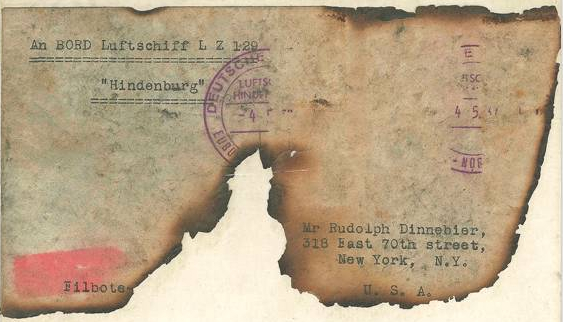
Image from Siegel's Auction Gallery.





 Posted 03/18/2022 9:17 pm


