T=transit through an intermediate office between the origin and destination
R=received at the destination office.
But all with a big caveat that many offices inserted a service letter and ran the machine for many weeks or months without changing it, thus many service letters mean nothing as to the actual progress a letter had made through the mail stream. These service letters were being introduced as large offices were going away from marking transit and receiving use.
As an example; Denver, CO (International machine, incorrect "R" use when it should have been a C or D), through Chicago, IL (Time-Marking machine, correct "T" use), to final destination of Martinsville, IN (no marking).
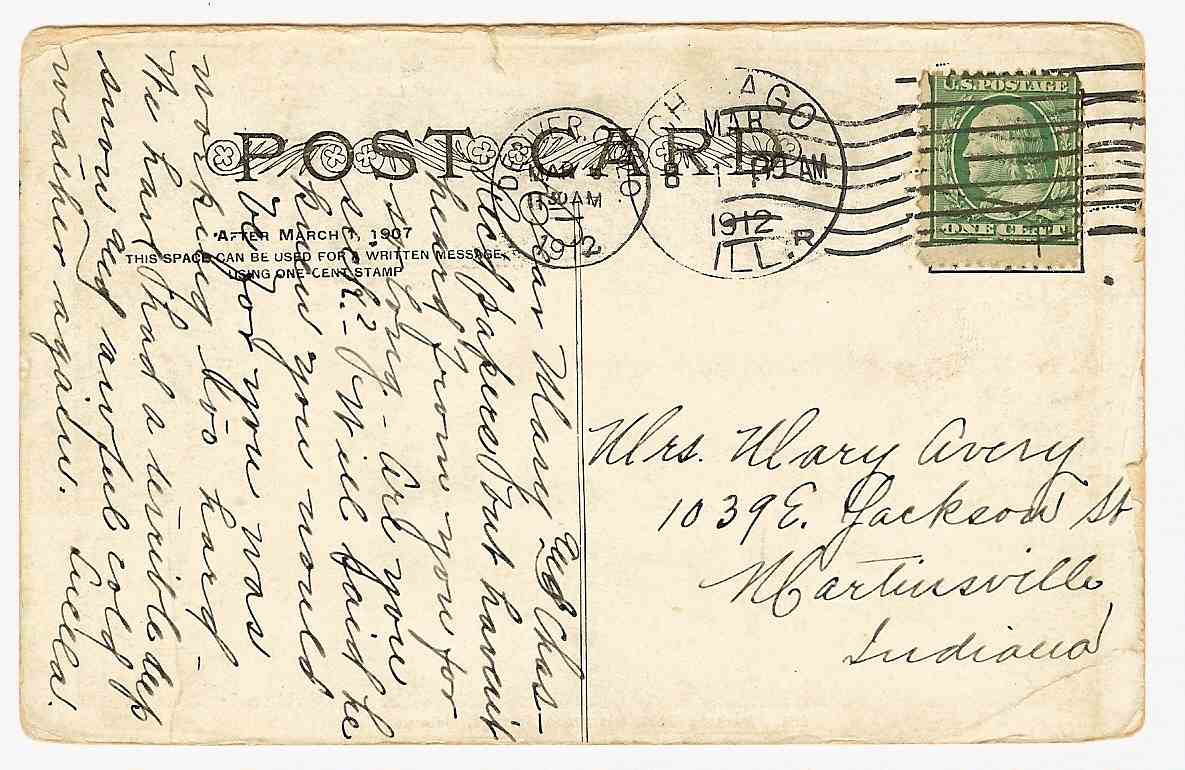
Knowing of the incorrect use of R and T letters, finding a C or D within an origin cancel mark doesn't guarantee which method the letter got to the origin post office. Certainly don't bet your lunch on it. Bottom line, don't put too much stock in the service letters.





 Posted 09/09/2022 3:00 pm


