Stamp Community Family of Web Sites
Thousands of stamps, consistently graded, competitively priced and hundreds of in-depth blog posts to read


Stamp Community Forum
 
Username:
Password:
Save Password
Forgot your Password?

This page may contain links that result in small commissions to keep this free site up and running.

Welcome Guest! Registering and/or logging in will remove the anchor (bottom) ads. It's Free!

Some Canada Admiral Coil Stamps, Etc.

 
To participate in the forum you must log in or register.
Author Previous TopicReplies: 5 / Views: 839Next Topic  
Pillar Of The Community
3859 Posts
Posted 11/01/2022   07:56 am  Show Profile Bookmark this topic Add jogil to your friends list Get a Link to this Message

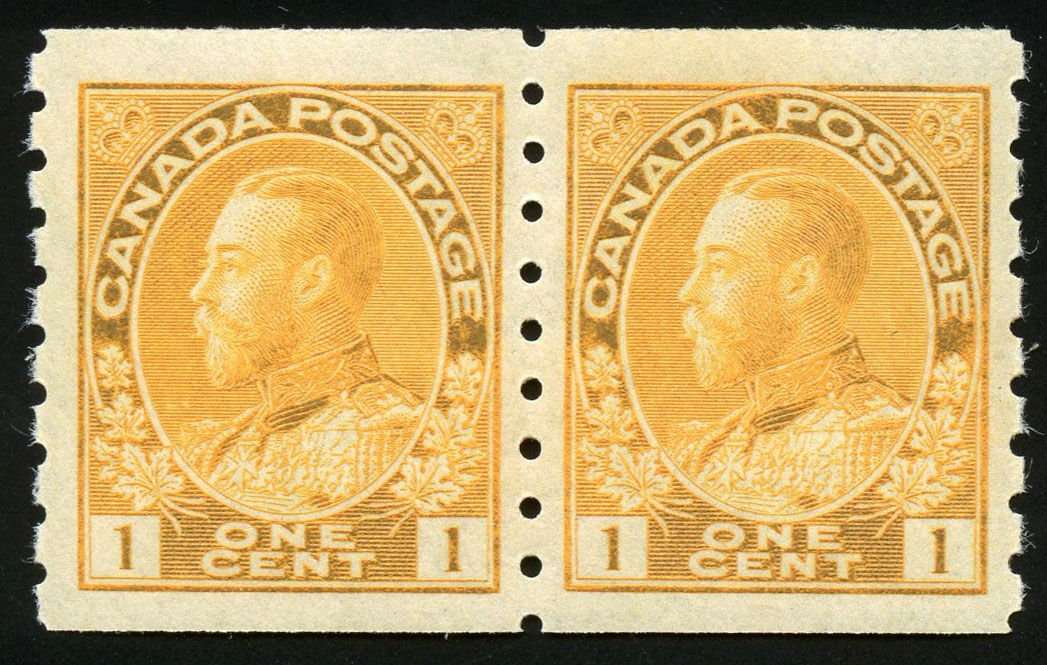
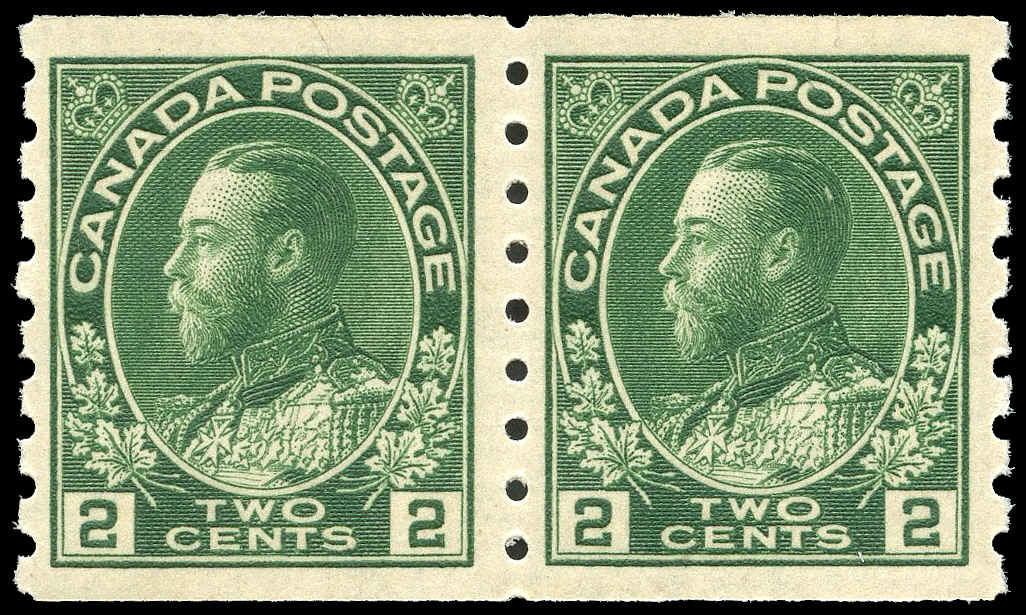
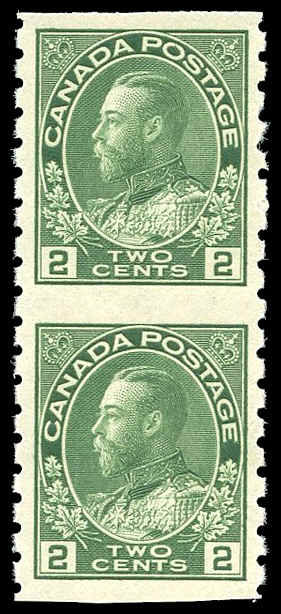
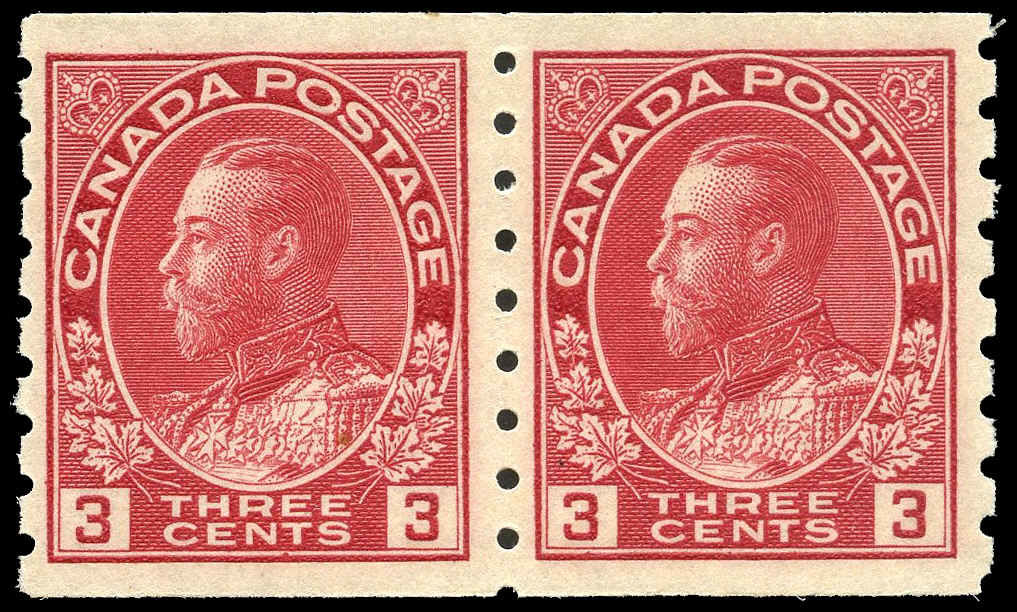
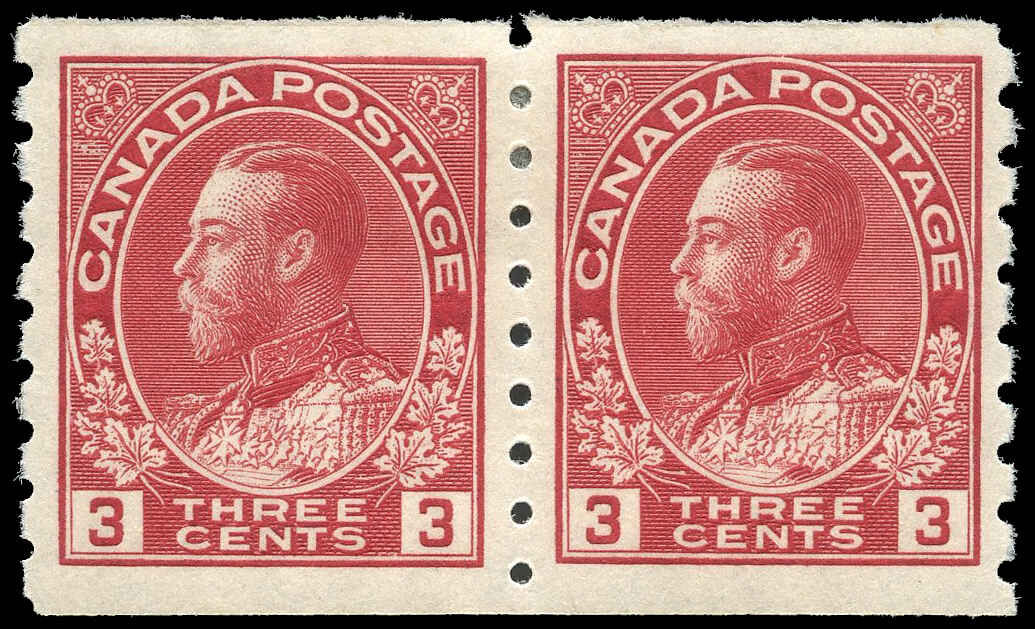
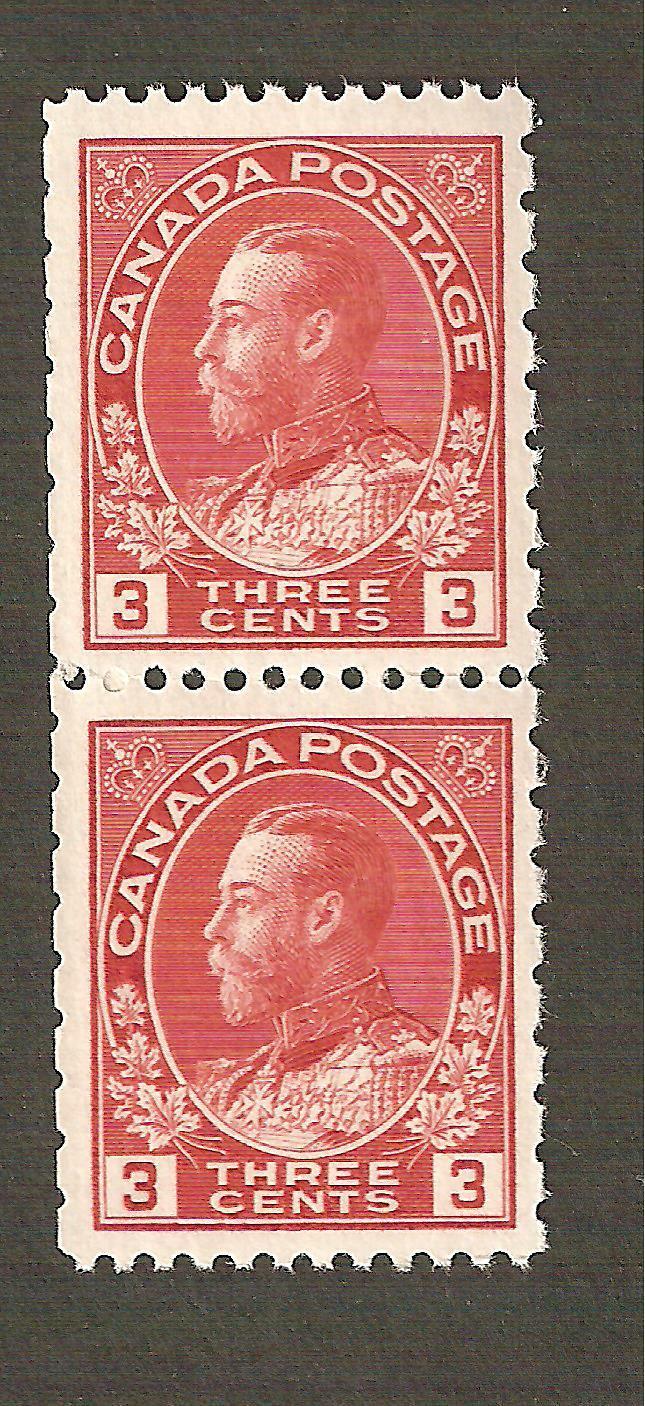
Canada 126 (dry)

Canada 126a (dry)

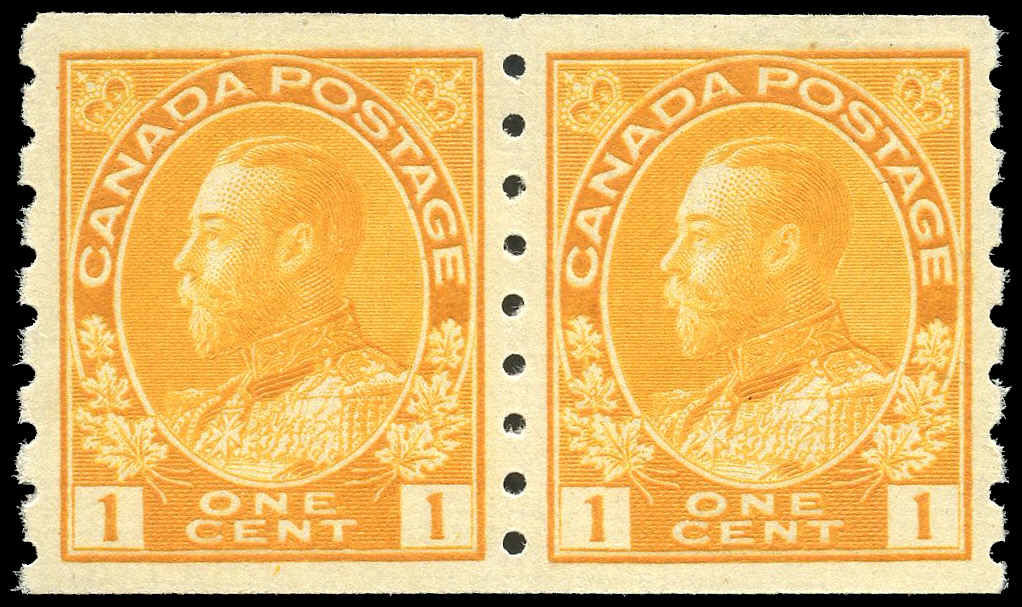
Canada 126d (wet)

Canada 126c (wet)


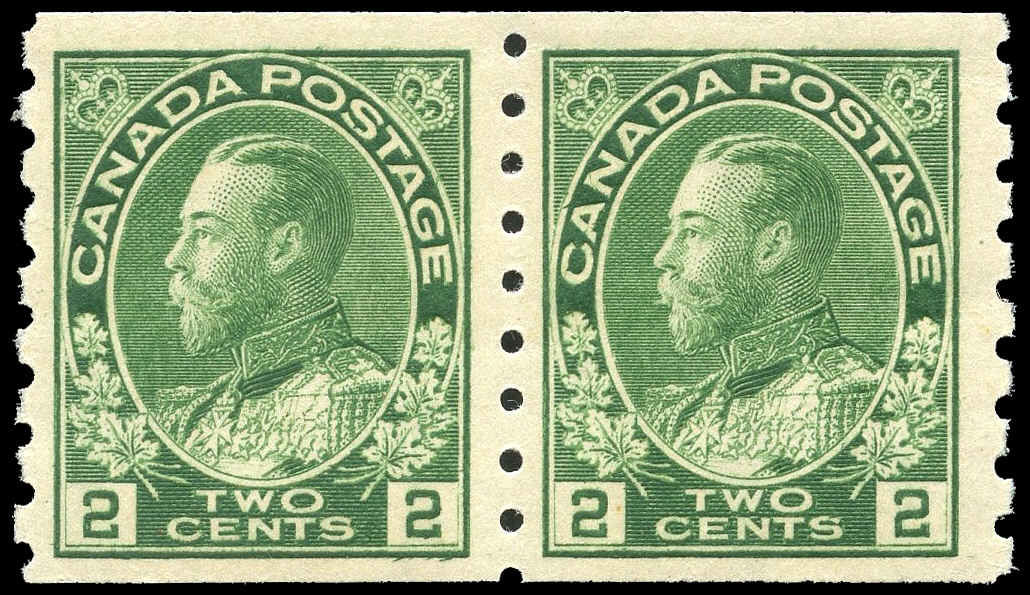
Canada 128 (wet)

Canada 128ai (wet)

Canada 128ii (dry)

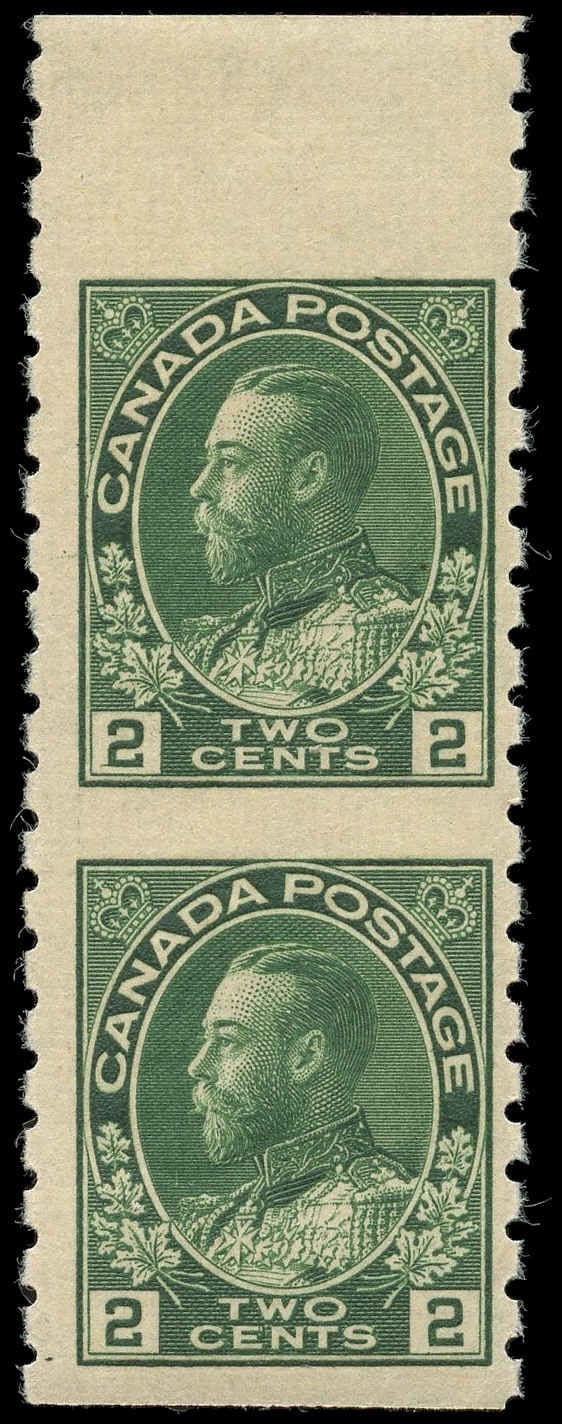
Canada 128a (dry)


Canada 130 (wet)

Canada 130a (wet)

Canada 130b (dry)

Canada 184 (dry)
Send note to Staff
Edited by jogil - 11/01/2022 08:03 am

Pillar Of The Community
750 Posts
Posted 11/01/2022   10:27 am  Show Profile Bookmark this reply Add patg23 to your friends list  Get a Link to this Reply
Excellent scans.

Could you describe (or maybe illustrate) the differences between wet and dry printing.

Thanks,
Pat
Send note to Staff  Go to Top of Page
Pillar Of The Community
3859 Posts
Posted 11/01/2022   11:08 am  Show Profile Bookmark this reply Add jogil to your friends list  Get a Link to this Reply
It is fairly easy to distinguish stamps printed by the wet printing method from those printed by the dry method.
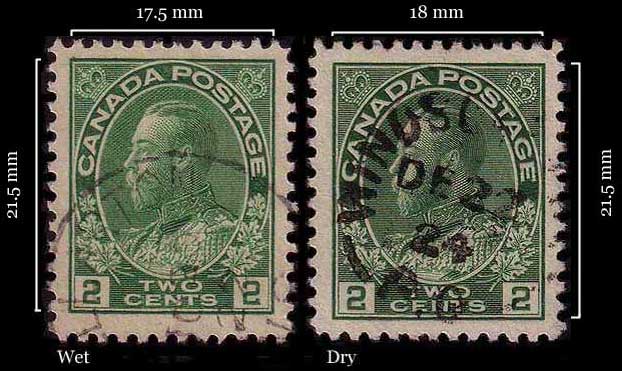


The paper used to print the Admirals was machine-made wove paper. The stamps were printed on the paper so that the grain of the paper was vertical. When the stamps from the wet printing shrank, they shrank across the grain of the paper and became narrower. Stamps printed by the dry printing method did not shrink because the paper was not dampened.

Both stamps in the illustration above are the same height, but the wet-printed stamp is narrower by about half a millimeter.
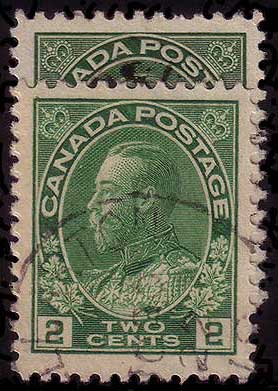

An easy way to determine whether an Admiral stamp is printed by the wet or dry printing method is to lay one stamp on top of another. Notice on the illustration above that the stamp on top is narrower than the stamp it is partially covering.

https://bnaps.org/ore/VanSomeren-Ad...Printing.htm
Send note to Staff  Go to Top of Page
Pillar Of The Community
750 Posts
Posted 11/01/2022   1:10 pm  Show Profile Bookmark this reply Add patg23 to your friends list  Get a Link to this Reply
Great info.
Thanks,
pat
Send note to Staff  Go to Top of Page
Pillar Of The Community
United States
8956 Posts
Posted 11/01/2022   2:53 pm  Show Profile Bookmark this reply Add Petert4522 to your friends list  Get a Link to this Reply
Jogil, very good scans. And it also shows how easy it is for the yellow ones to start oxydizing! I believe the first pair is well on its way to discolor!


Peter
Send note to Staff  Go to Top of Page
Valued Member
Learn More...
United States
105 Posts
Posted 11/02/2022   12:26 am  Show Profile Bookmark this reply Add Going Postal to your friends list  Get a Link to this Reply
Thanks you for furthering my education. I've been putting off identifying some of my Canada collection until I got around to understanding the wet/dry printing. This just made it very easy to understand

- Lance
Send note to Staff  Go to Top of Page
  Previous TopicReplies: 5 / Views: 839Next Topic  
 
To participate in the forum you must log in or register.

Go to Top of Page

Disclaimer: While a tremendous amount of effort goes into ensuring the accuracy of the information contained in this site, Stamp Community assumes no liability for errors. Copyright 2005 - 2026 Stamp Community Family - All rights reserved worldwide. Use of any images or content on this website without prior written permission of Stamp Community or the original lender is strictly prohibited.
Privacy Policy / Terms of Use    Advertise Here
Stamp Community Forum © 2007 - 2026 Stamp Community Forums
It took 0.14 seconds to lick this stamp. Powered By: Snitz Forums 2000 Version 3.4.05