| Author |
 Replies: 28 / Views: 7,370 Replies: 28 / Views: 7,370 |
|
|
|
Valued Member
Bulgaria
398 Posts |
|
|
Valued Member
Bulgaria
398 Posts |
|
|
There is a obvious difference in printing quality and the good white paper could guide us in the time of production which before the second period so I suppose that the stamp for which I originally asked my question is from the Peacetime Printings, to 1913 . That makes the stamp to be one of the five know types which are Mi 86 I a,b,c,d.
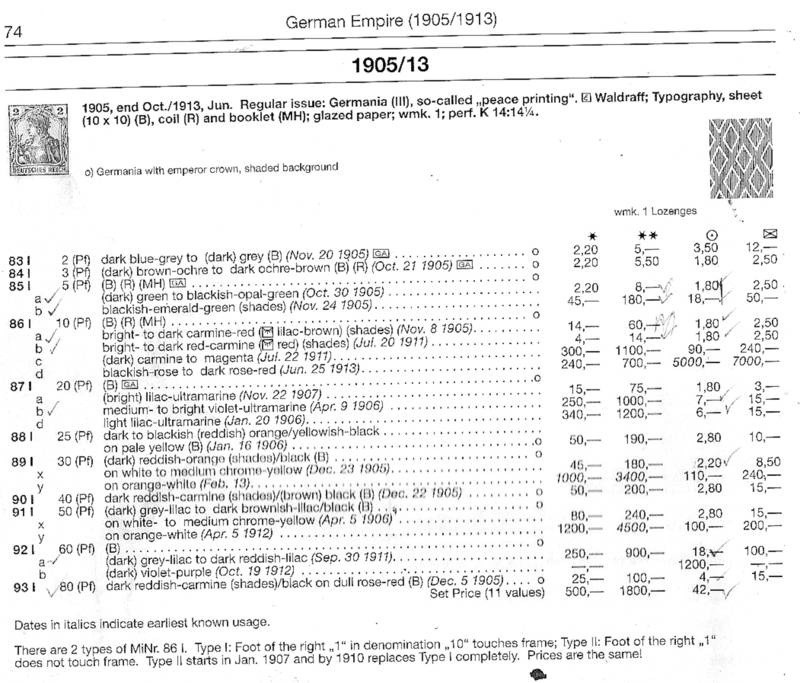
A nother clue is the small note under the text, that refers to the two types of Mi 86 I.
It says that Type II Foot of the right "1" does not touch the frame, starts to be used in Jan 1907 and by 1910 replaces Type I.
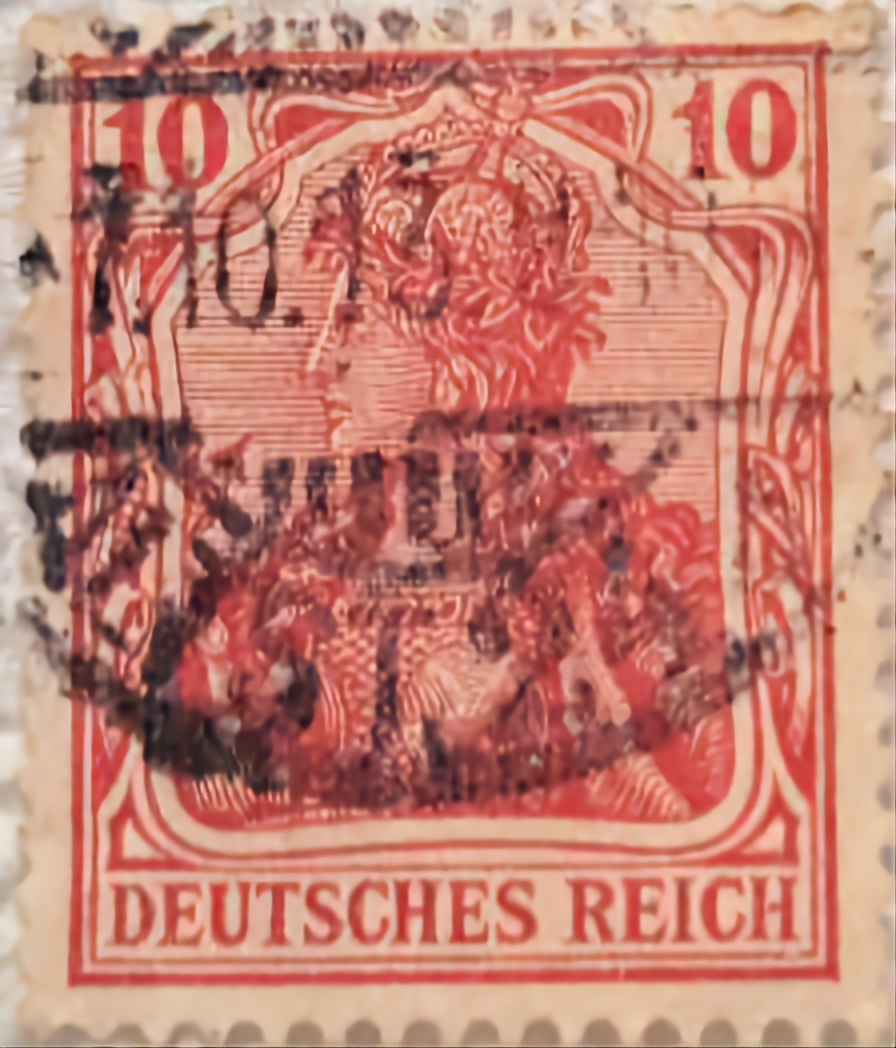
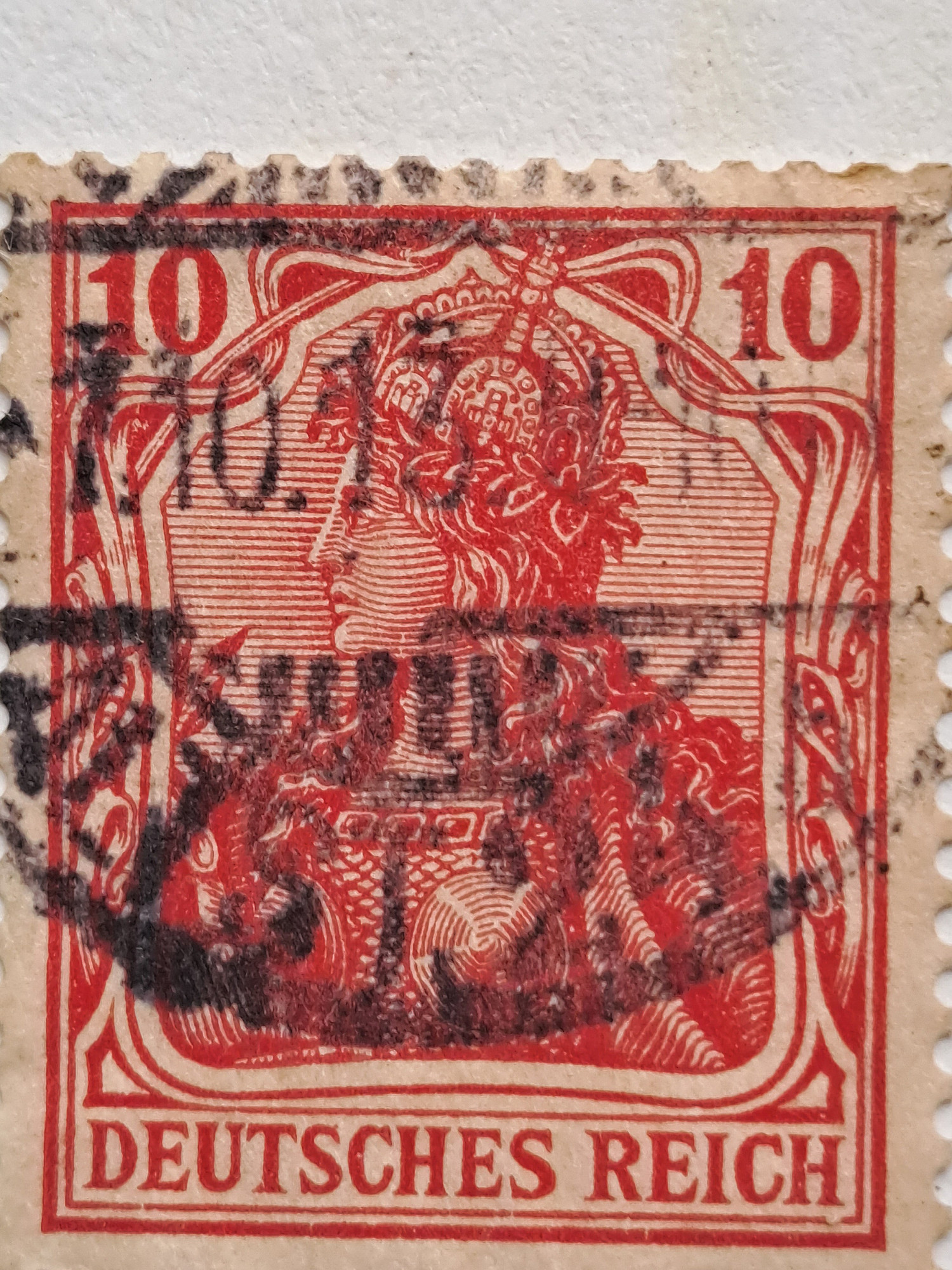
The "1" in right of the stamp from the images I posted earlier doesn't not touch the frame,which means that it is most probably from Type II, which excludes the stamp been from the first Mi 86 a variety, because Type II didn't excited in 1905.
The stamp could be, from any of the other tree varieties Mi 86 b,c or d . This certainly a means that there is a necessity of comparison of the color shade with a guide . I don't own such guide but fortunately the OP had posted a image of Michel guide which displays the exact color shades of the four different varieties.
By looking the image of the color of the Mi I 86 d example sold at Stamp Network Auctions,I can say that it in my opinion it matches the one on the bottom section of the color guide which is Mi 86 I d. The other intriguing part is the number at the right corner of the stamp which doesn't not touch the frame. This is also points that the stamp is, from Type II .
I could only make comparisons between other examples with similar color shades and I don't want to jump to any wrong conclusion, I'm only sharing my observations . |
Send note to Staff 
|
|
|
Valued Member
Bulgaria
398 Posts |
|
|
I admit that light and environmental factors could influence the color and without putting them side to side any compare would not be precise.
I'm trying to learn more about the different color varieties of this particular issue. |
|
Send note to Staff
|
|
|
Pillar Of The Community
Romania
596 Posts |
|
|
Hi post pe I bought the Michel Color Guide hoping it would help me identify the color varieties - I didn't succeed - I think my eyes are to blame. I'll try to take some pictures with these colors tomorrow in the daylight -- unfortunately I don't have a scanner. If you have a scanner, I recommend you to go to a German website: www.stampsx.comThe pictures on this site are the closest to reality that I have seen. They help you set up the scanner - so that the images look according to a common standard. It is difficult to communicate in German (google translations are not very successful) but there are members with great experience and many of the stamps posted are colors certified by BPP. The condition is to have a scanner... I didn't have much help with my phone camera images to identify the colors. In my opinion, it could be the color "d". |
|
Send note to Staff
|
|
|
Pillar Of The Community
Netherlands
6642 Posts |
|
|
Pillar Of The Community
Netherlands
6642 Posts |
|
|
Pillar Of The Community
Romania
596 Posts |
|
|
@nsk - too bad it's not the color "d".
The colors a, b and c also have a carmine color, which I don't notice in the 2 shades of @post-pe's stamp (different natural light can darken/brighten a color but not change it) |
|
Send note to Staff
|
|
|
Pillar Of The Community
Netherlands
6642 Posts |
|
|
Quote:
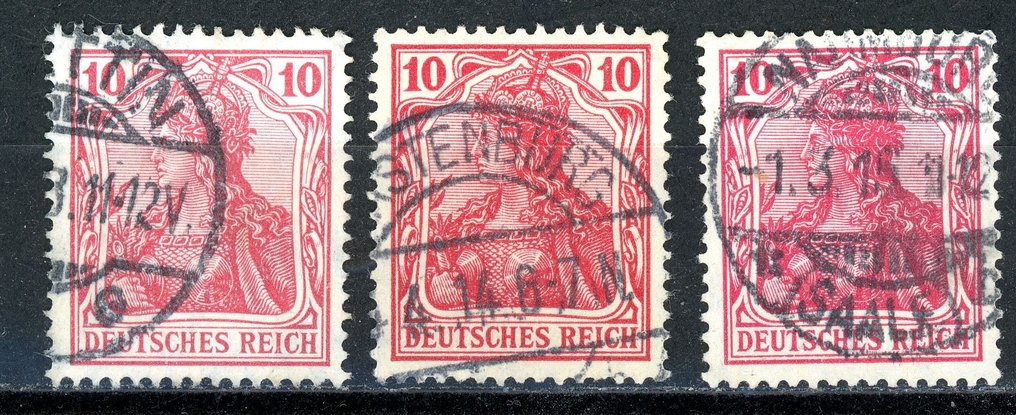
different natural light can darken/brighten a color but not change it Yes it can. If it could not, colour filters would have no use whatsoever. Strictly speaking, no light changes colours. It changes the perception of colours. Several members have posted examples of how the colour in a scanned image can be very different from the true colour. There is NO way to tell which stamp it is from a picture. And that, even, is more so the case with a used stamp. Here is the Germanstamps.net page with a and b. https://www.germanstamps.net/imp-rpst-1905-germsm/Compare above image (the order is a, b, c) with those in the link. The best way to pay a lot of money for very common stamps is to guess shades from images on the web. |
|
Send note to Staff
|
| Edited by NSK - 12/01/2023 1:24 pm |
|
|
Moderator

United States
12330 Posts |
|
|
Quote:Yes it can. If it could not, colour filters would have no use whatsoever. Strictly speaking, no light changes colours. It changes the perception of colours. Several members have posted examples of how the colour in a scanned image can be very different from the true colour. There is NO way to tell which stamp it is from a picture. And that, even, is more so the case with a used stamp. Here is the Germanstamps.net page with a and b. https://www.germanstamps.net/imp-rpst-1905-germsm/Compare above image (the order is a, b, c) with those in the link. The best way to pay a lot of money for very common stamps is to guess shades from images on the web. NSK's post is quoted above for truth. I am not sure if the misunderstanding of stamp colors is a case of language differences; but there are many color misconceptions in this thread. The 'color' topic has been covered many times in the forum and/or can easily be looked up on numerous other online sources. Don |
|
Send note to Staff
|
|
|
Pillar Of The Community
Romania
596 Posts |
|
|
According to the Michel catalogs there are 11 shades or colors. They are very difficult to identify because the border of one color shade overlaps with the border of another color. @post pe, I hope it helps you decide if it's worth sending the stamp for certification. 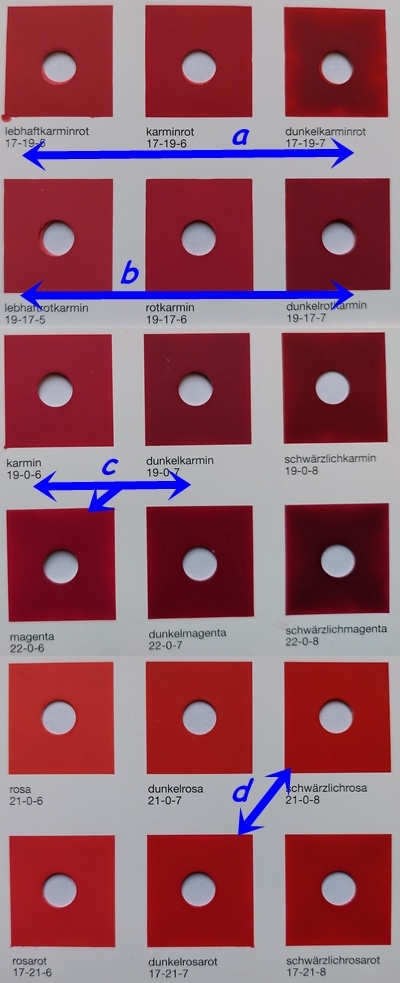 |
|
Send note to Staff
|
|
|
Valued Member
Bulgaria
398 Posts |
|
|
I didn't notice this, before the post of NSK. Now when I look the images of the tree types posted side by side under the original photo, I could clearly see the carmine shade of the middle stamp. Making the wrong conclusions can be very easy as NSK pointed this out to me . Cupram, thank you, for showing images of your color guide and for giving so much useful information, I have visited the website from your link and can say that the images there are truly made in good quality and high resolution. I often confuse the colors ,especially of German stamps because some of the shades are almost doubling others,that makes ,establishing the right color a very difficult task. This was the reason for posting my question, to hear the opinion of the more experienced members of the forum, to give them the opportunity to make corrections and of course to learn something new.  |
|
Send note to Staff
|
|
|
Pillar Of The Community
United States
775 Posts |
|
|
cupram, thanks for posting a page from the Michel Color Guide. It shows yet another problem in using it. Several of the color chips have a mottled appearance, for example, schwarzlichmagenta. So how do you compare that with a stamp? |
|
Send note to Staff
|
|
|
Pillar Of The Community
Romania
596 Posts |
|
|
Hi @germania I've had the catalog for 3-4 years and it doesn't look like this at the beginning. I think that there is a detachment of the color monster on the outside (I have seen this phenomenon in other Michel catalogs owned by other collectors - and in the same colors) Fortunately, it does not appear on the edge of the round cutout and I can identify the color (as much as my eyes help me) I think my stamp is "b" color and it is definitely not "d". 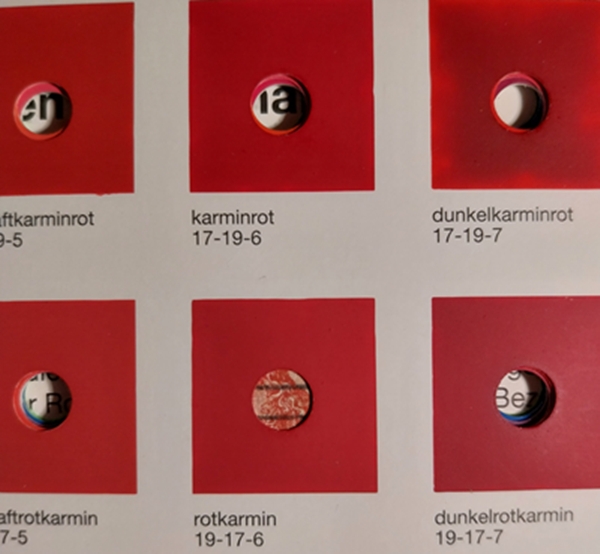 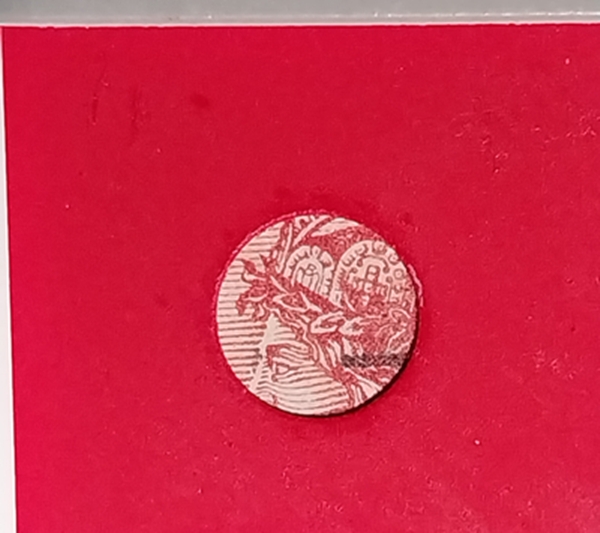 |
|
Send note to Staff
|
|
|
Replies: 28 / Views: 7,370 |
|



 Posted 12/01/2023 05:25 am