Wanted to share the steps I've found to be the most useful when searching for double paper.
This is nothing definitive but only my opinion.
I believe that if these steps are met, *you can be confident in a double paper submission without having to separate the papers* and risk damaging the stamp.
I've gone through quite a few 3c'ers to finally be able to recognize certain features, and I'll include them below.
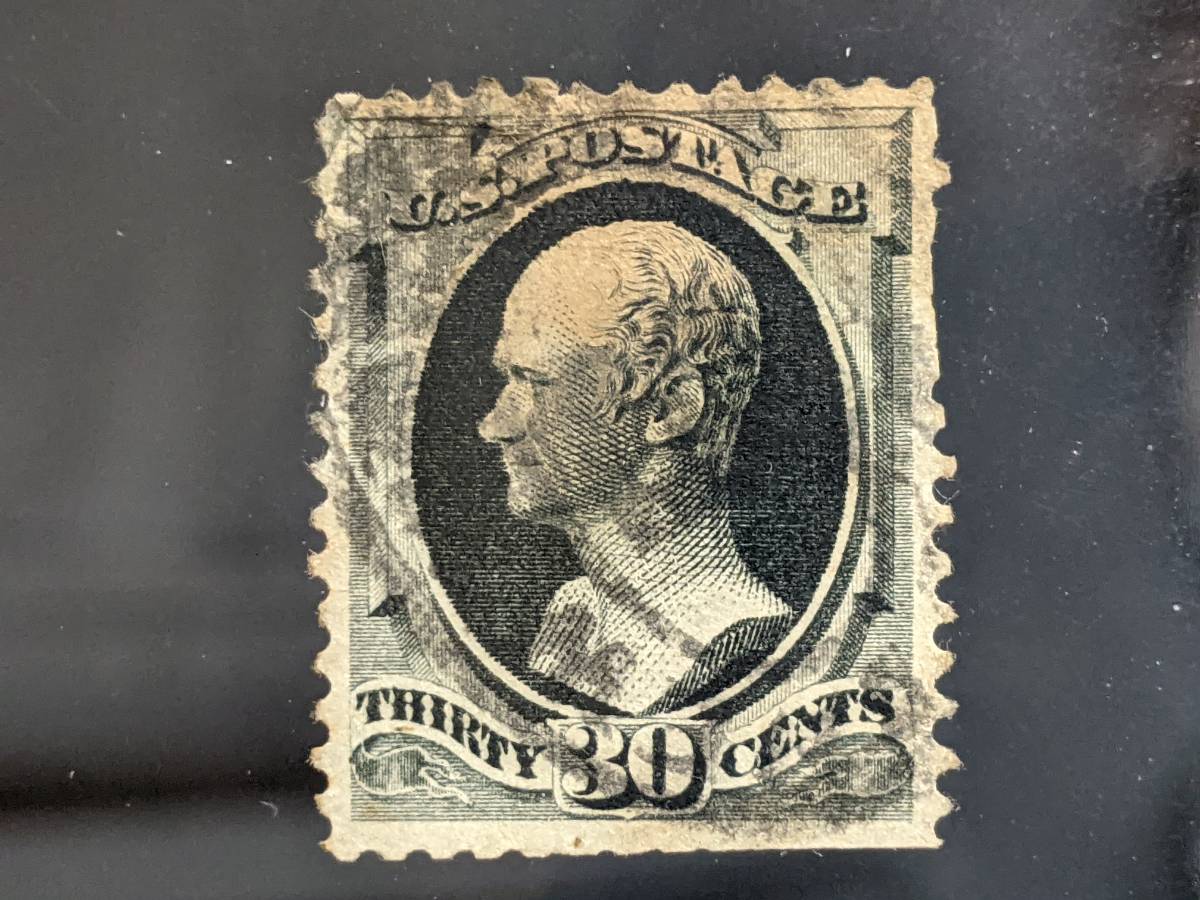
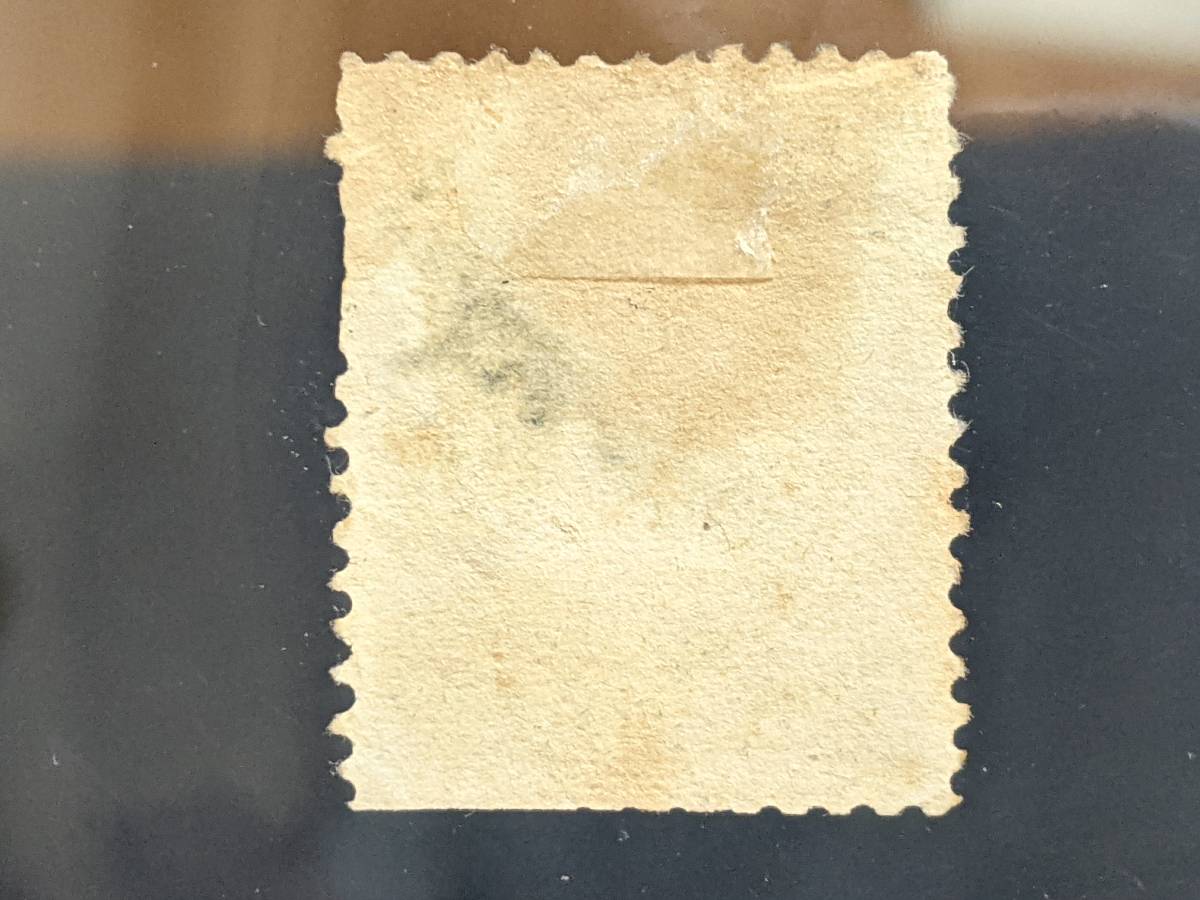
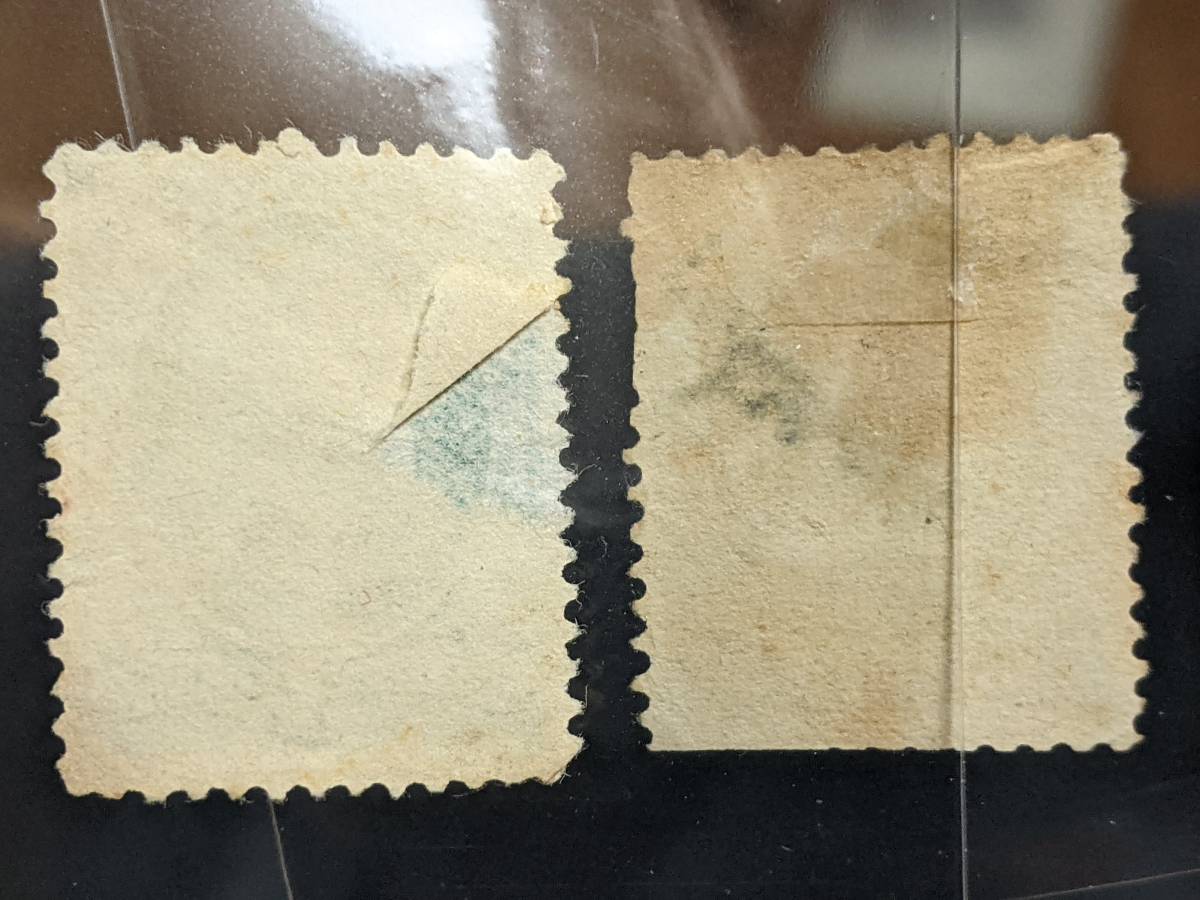
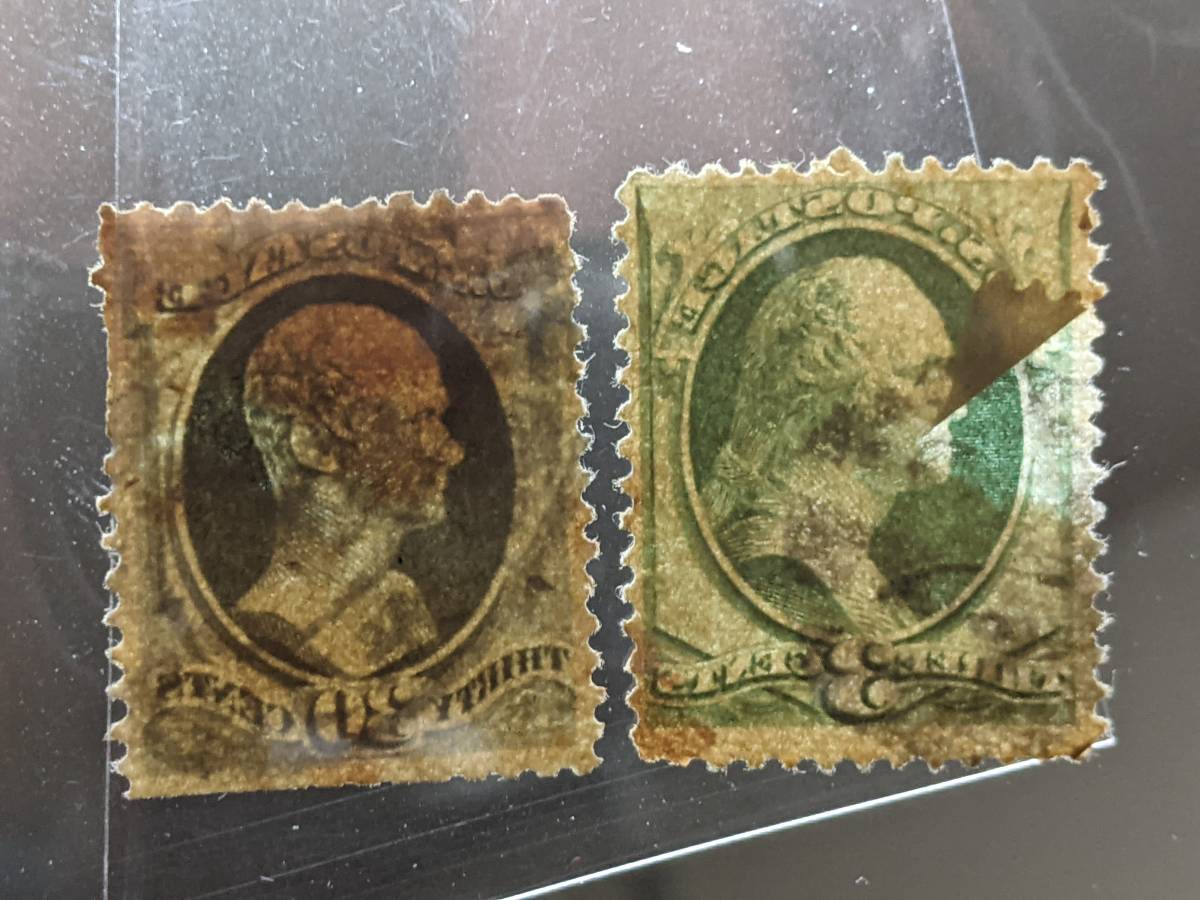
This 30c was the latest. I didn't want to risk opening it because I was already confident in what it is, but for the sake of validation and showing it on here I found a potentially good perf and separated it (picture 5).
You can use a knife's edge to flick it up and down a few times and it may pop open. Graze it like you would opposite of sharpening the knife on a piece of flint.
(if you know a better way please let me know!!)
It's good to note that the compression used to join both pieces together was not near as strong as the compression used in the creation of either particular side of the stamp. Both sides are quite stiff, despite what the picture tells you, and so much so that a 'pop' occurs on separation rather than a tearing from a single compressed piece.
Here are some key attributes to look for without separating it:
1) Ping test checks out for hard paper, despite seemingly having the 'girth' of soft paper.
2) The paper is stiff, but the texture is not completely flat / solid in nature compared to that of hard paper.
Under magnification, the stamp is extremely fiberous on both sides, and resembles a thin sheet of compressed sawdust board like those found on construction sites.
3) Under light, the color is a deep brass, and much more saturated than a typical soft paper. All the doubles I've examined share the same color.
A mesh presence is somewhat noticable, but not as consistent as that seen on soft paper.
There MAY be enough meshy presence to fool you into believing it is soft paper, but that alone doesn't invalidate the possibility of a double paper or intermediate hard peper type.
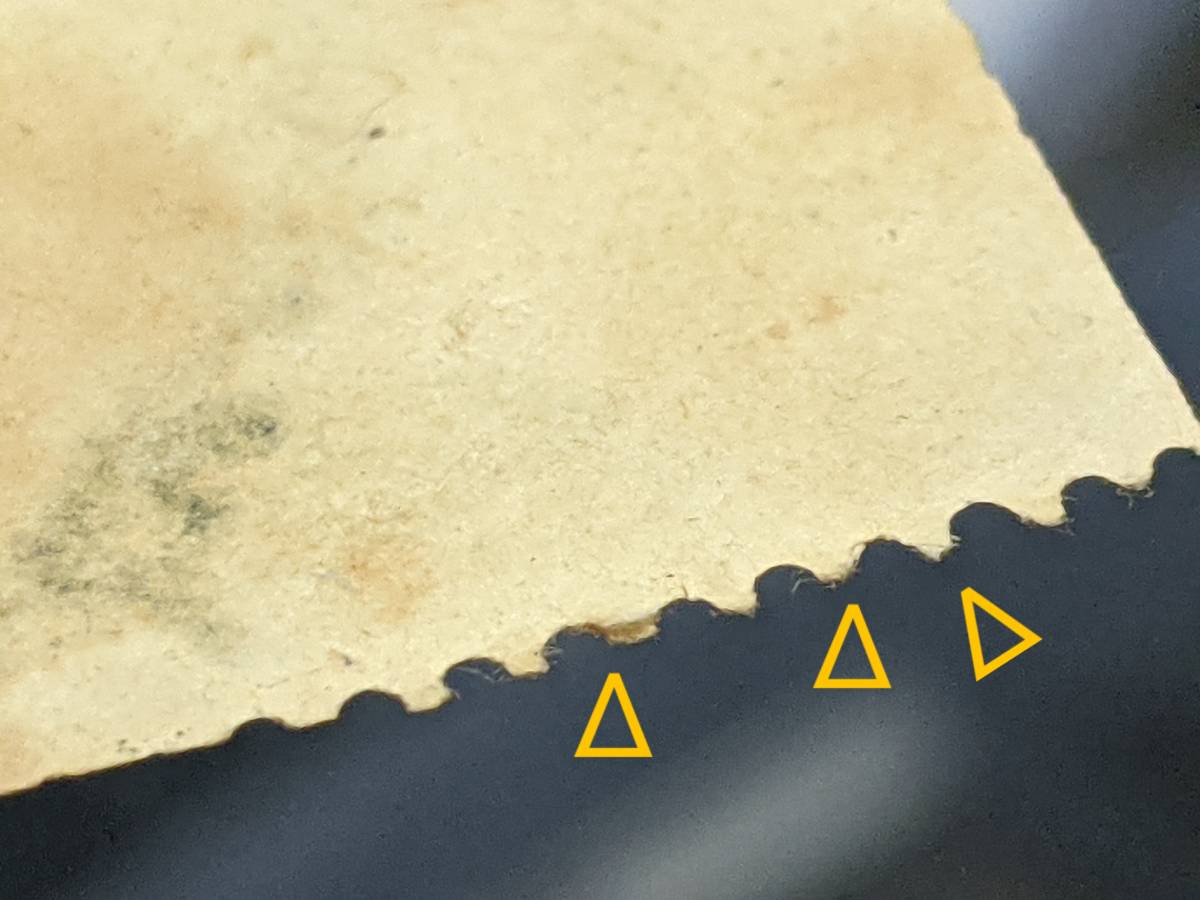
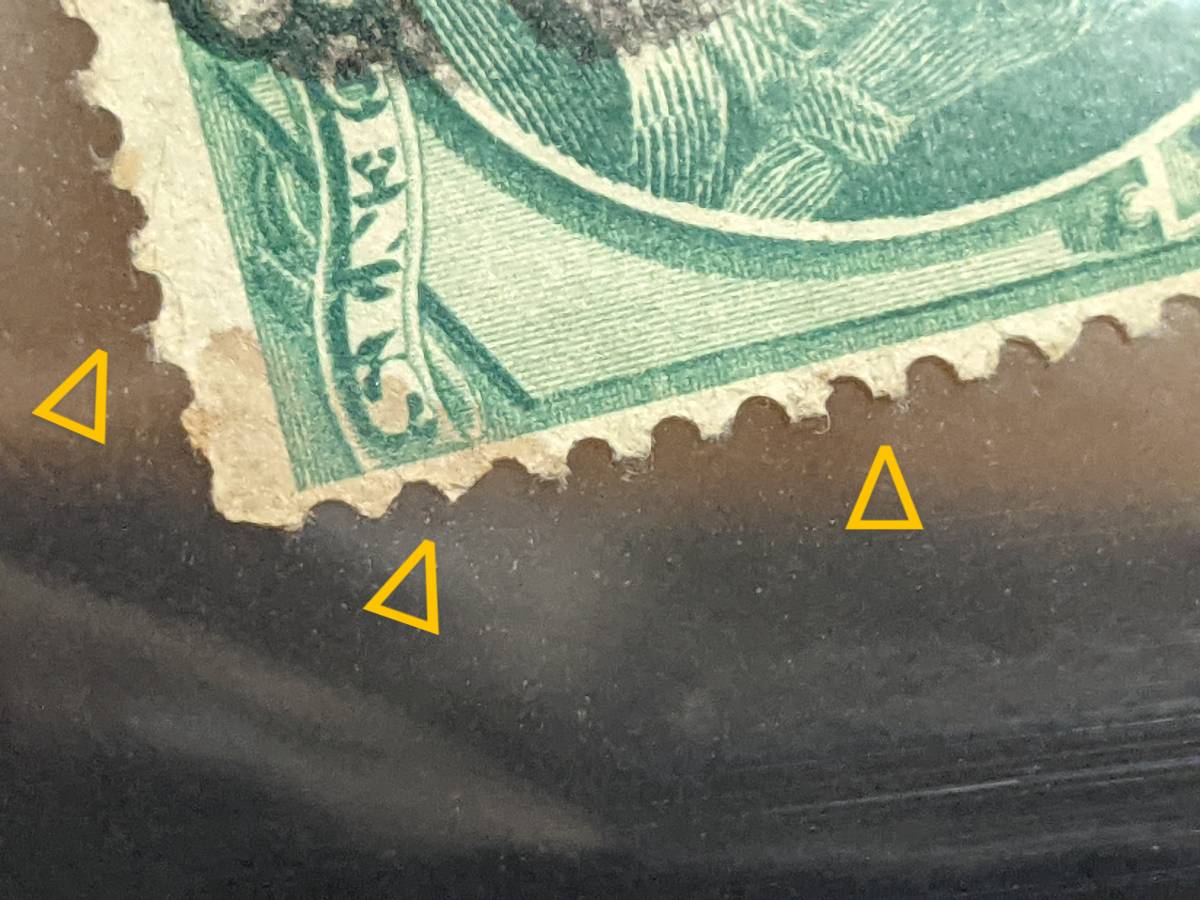
4) While inspecting the perforated edges under magnification, there will be some areas that have 'dimples'. This is where both sides didn't evenly detach when the stamp was separated from the plate block.
I feel like this is the most obvious step, as it would certainly be difficult to find any double paper where not even the slightest trace of misalignment in both sides could be found under magnification.





 Posted 02/28/2023 12:35 pm


 )
)
