The number of teeth is irrelevant. It is about the spacing of the teeth. Nowhere does it say it is a rare stamp.
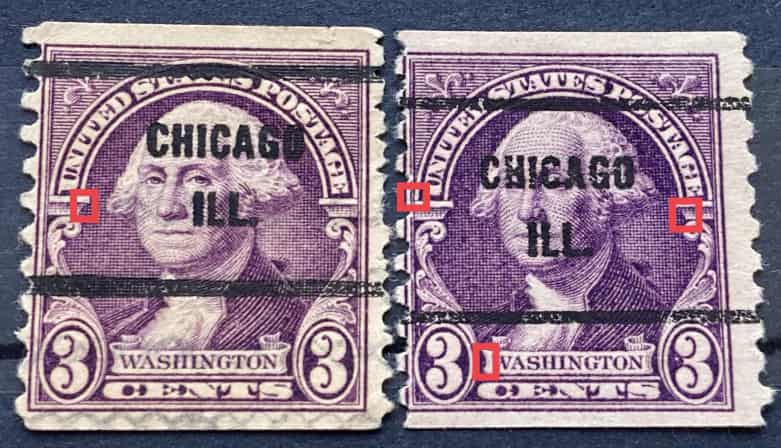
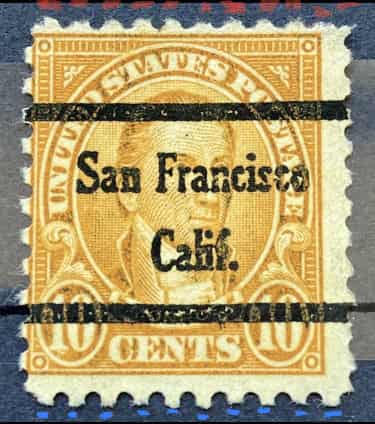
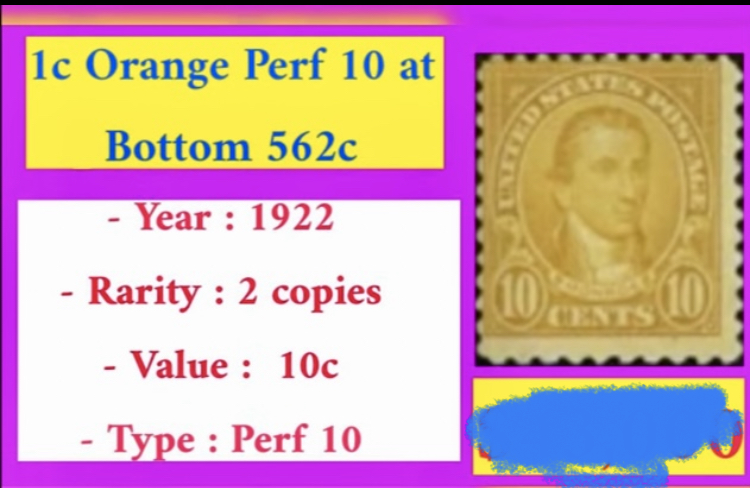
You are showing stamps that are approximately 2.5centimetres high. A stamp with a perforation gauge 10, has ten perforations per two centimetres. Consequently, when the stamp is 2.5 centimetres high, it has approximately 2.5/2 x 10 = 12.5 perforations on each side. Your left stamp has 11 whole and two partial perforation holes. Your right stamp has 12 full perforation holes.
I count 12 teeth on the left stamp and 11 plus two partial teeth on the right stamp.
Quote:
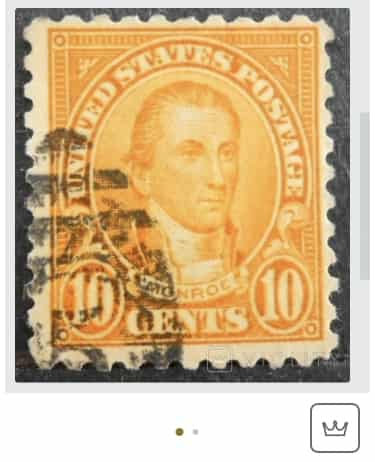
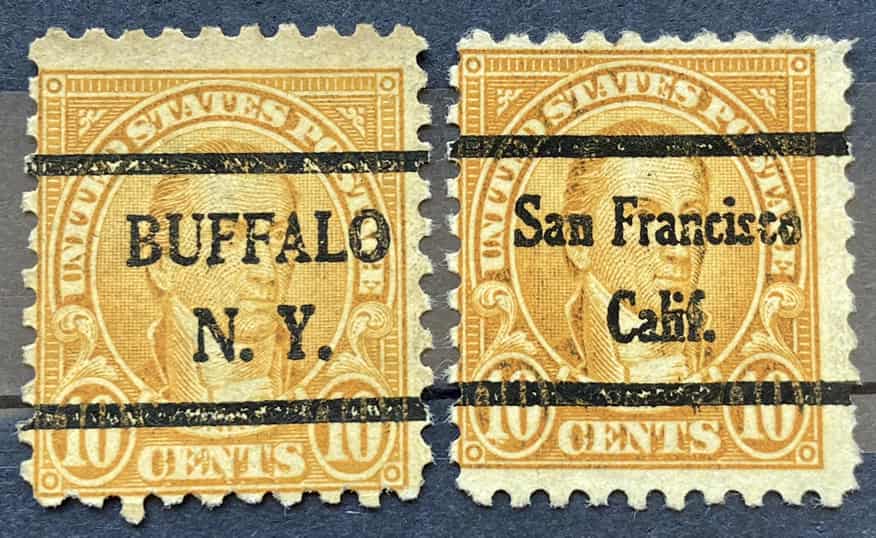
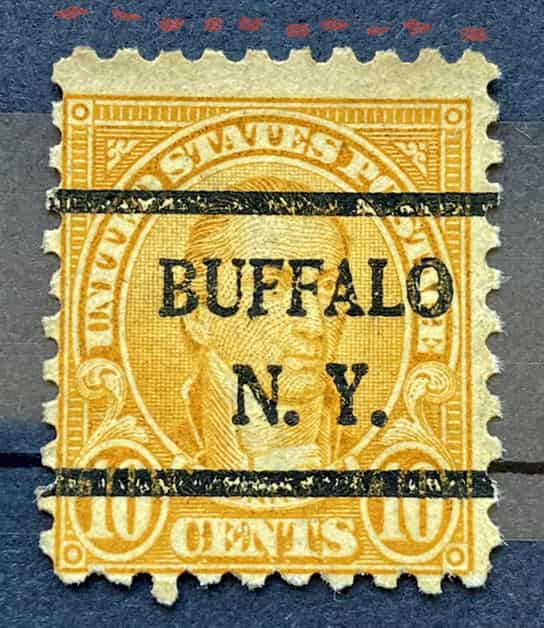
Look, the first stamp has 10 perforations of 11 teeth, the second photo, a pair of stamps has 10 perforations of 10 teeth, two stamps have 10 perforations, but the teeth are different, the first has 11 teeth, the second has 10 teeth.
Do you often come across a brand 10 perforation that has 10 teeth?
Many classic permanent (low-value) stamps are approximately 2 centimetres wide. The perforation gauge is the number of perforations per two centimetres.
Consequently, the number of perforations at top and bottom of such stamps will, approximately, be the same as the gauge.
So, it should not be surprising to see such stamps.
Most of these stamps are higher than 2 centimetres. If they have 10 perforations on the sides, they are unlikely to be 'perforated 10'.
Quote:
Are you confusing anything?
This is a very rare perforation 10 in which there are 10 teeth
No, there is no such thing in your pictures.





 Posted 10/05/2023 4:28 pm