| Author |
 Replies: 11 / Views: 1,836 Replies: 11 / Views: 1,836 |
|
|
Valued Member
65 Posts |
|
|
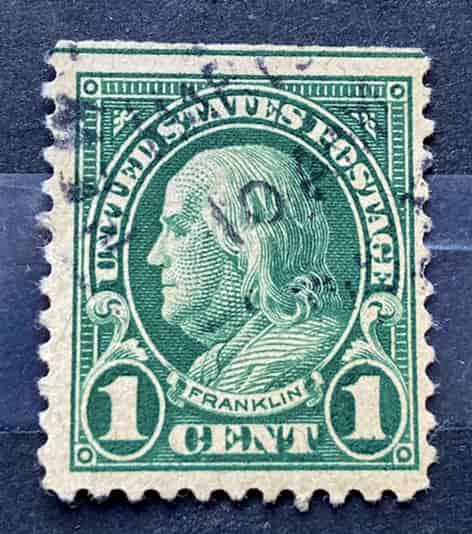
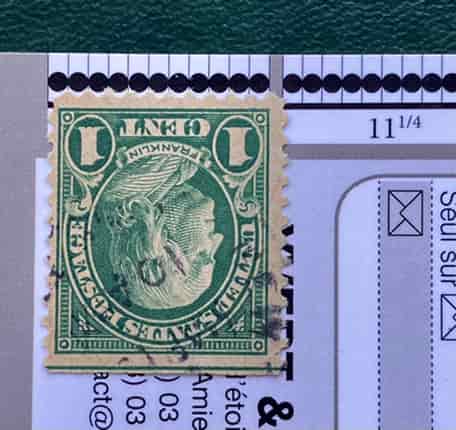
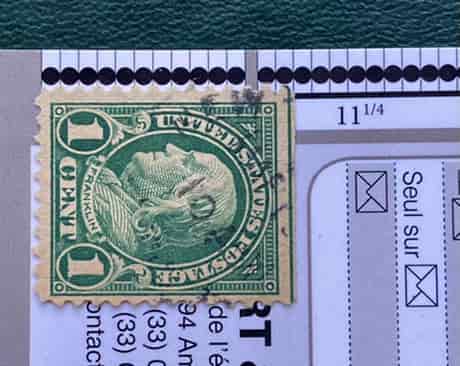
Very rare pair with Chicago stamp. According to catalogs, only one type of stamp with vertical 10 perforations is known. But as you can see, there are 2 types, brands with vertical 10 perforations. I highlighted in red on the stamp the differences from each other. Certificates will be issued, only with a brand certificate they will be much more expensive!!!  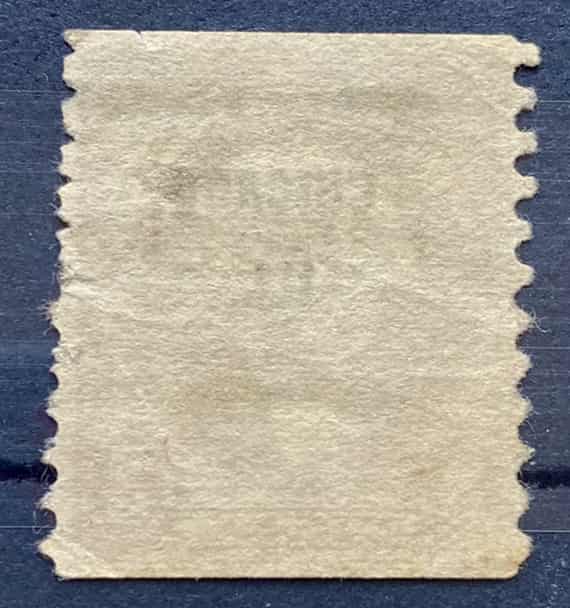 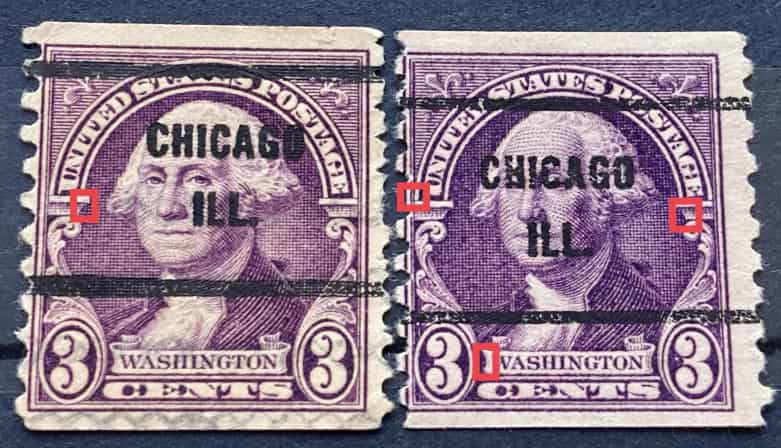 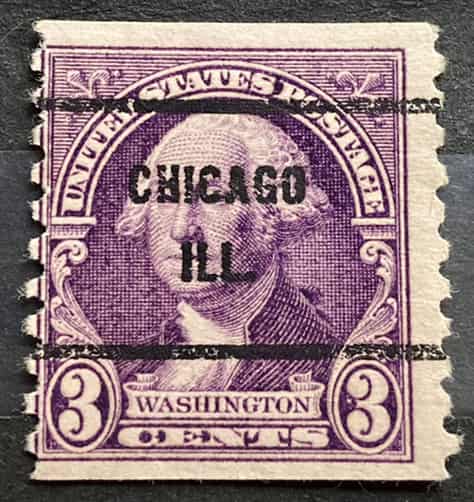 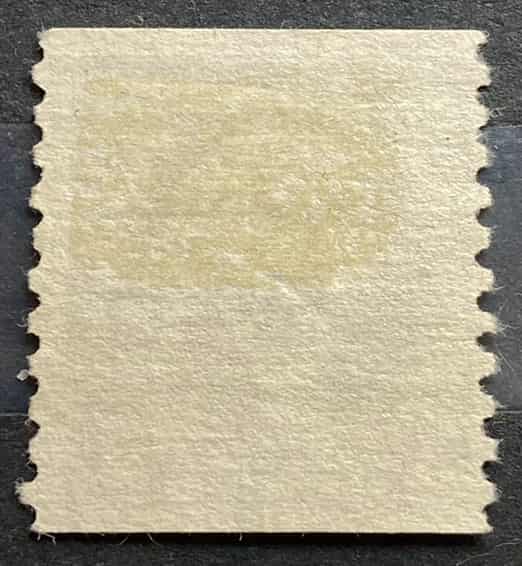 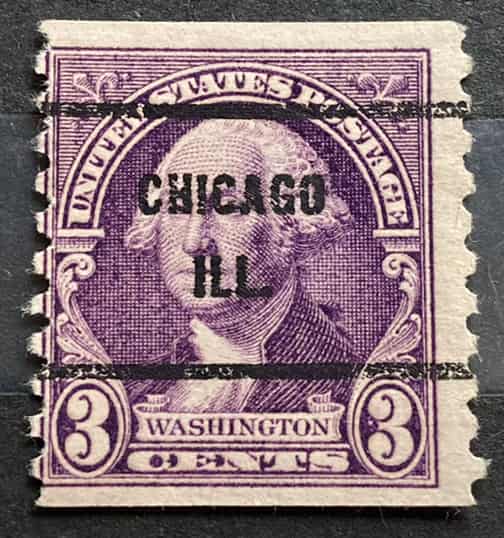 *** Moved by Staff to a more appropriate forum. *** *** Moved by Staff to a more appropriate forum. *** |
|
Send note to Staff
|
|
|
|
|
Pillar Of The Community
Netherlands
6641 Posts |
|
|
Something tells me people here would prefer to wait until you can show them those certificates. And I am guessing when they come, the stamps will be much cheaper. |
Send note to Staff 
|
|
|
Valued Member
65 Posts |
|
|
#596 is unlikely to become cheaper, I will make a certificate, the price will be only 100k, according to catalogs the price for #596 is from 190k to 250k |
|
Send note to Staff
|
|
|
Pillar Of The Community
Netherlands
6641 Posts |
|
|
A certificate that you make carries as much weight as a piece of toilet paper.
Not that I know anything about US stamps. But searching this site, your #596 is even rarer than you think. It has two errors: the colour and the numbers in the value tablets.
Those perforations and straight edge at the bottom must also add value. |
|
Send note to Staff
|
| Edited by NSK - 10/05/2023 3:06 pm |
|
|
Valued Member
Switzerland
498 Posts |
|
|
"#596 is unlikely to become cheaper".
What is #596 ?
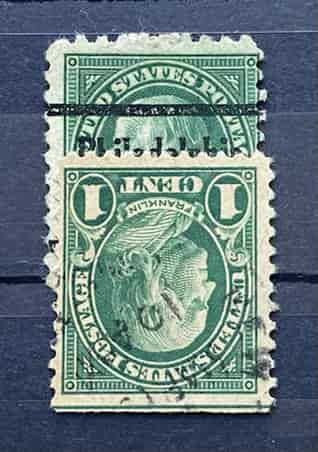
Your stamp is a VERY common Scott 720 coil. There are 46 different cities that can appear in the precancel. |
|
Send note to Staff
|
| Edited by drkohler - 10/05/2023 3:08 pm |
|
|
Valued Member
Canada
21 Posts |
|
|
I think that is possible that there is something RARE with Hunter123cc , because he must spend hours and hours trying to find something rare in very common stamps, I'm not trying to offend him in any way, but he was already told by other members as well that he must use Scott numbers on this Forum, but then again he continues with numbers from other catalogues, anyway I felt I had to make a comment about it, hopefully nobody gets offended by it. |
|
Send note to Staff
|
|
|
Valued Member
65 Posts |
|
|
Valued Member
Switzerland
498 Posts |
|
|
There are two proofs that your stamp is a flat plate stamp. No need to measure anything.
The first proof is the green line above the frame of your stamp. this guide line exists on flat plate printed stamps only (it is there to help cut the 400 subject sheet into four 100 subject sheets for use in the post offices. This is also the reason why your stamp has no perforations at top).
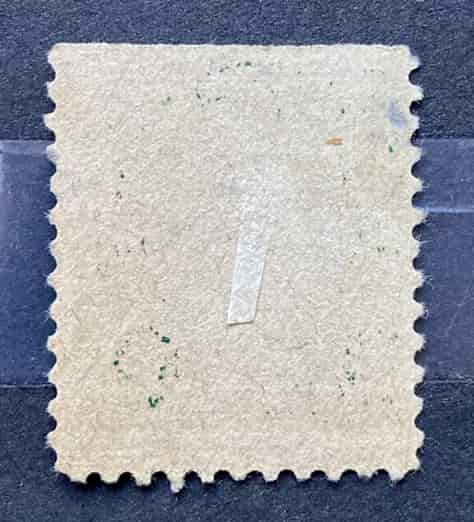
The second proof is on the back of your stamp. There are green dots all over the place. This is called a set-off and comes from flat plate stamps printed on the four plate power press.
Most of this is elementary knowledge. Again, I urge you to get some Scott Specialised Catalog which explains the various printing methods in detail. If you continue to show (grossly misrepresented) "rare" stamps ad nauseum, I see a ban incoming... |
|
Send note to Staff
|
|
|
Moderator

United States
12330 Posts |
|
|
Valued Member
65 Posts |
|
|
drkohler
Does your stamp have ink artifacts on the back?
Green ink artifacts or flecks on the back of the stamp indicate that the stamp was produced using flat plate printing. This effect is termed setoff, and occurred when wet, freshly printed sheets of stamps were stacked flat on top of one another. In contrast, the stamps with catalog numbers 596 and 594 were printed using a cylindrical rotary press in a continuous web, and sheets were not stacked in a wet manner that made them subject to setoff. The presence of setoff on the back of your stamp eliminates it as a candidate for 596 or 594. If the stamp has setoff and is perforated 11 x 11, it is catalog number 552, a common stamp. |
|
Send note to Staff
|
|
|
Valued Member
65 Posts |
|
|
drkohler
Rotary Press stamps were printed but not stacked, the web roll of printed stamps were streamed and dried. They were then streamed again to the gumming prcoess, then dried again. This procedure did not often did not allow for any setoff ink on the underside of the sheets but it is not impossible. If a rotary stamp has setoff ink then chances it picked it up as the gummed stamps were being rolled at the end of the process; resulting in a small amount of ink on top of the gum. |
|
Send note to Staff
|
|
|
Moderator
United States
12330 Posts |
|
|
I think that we should always try to have patience with folks who think they have stumbled upon a rarity (or multiple rarities) in hopes of helping them and possibly lead them into becoming a collector. I think we should keep in mind that there are sometimes language or language translation issues.
But once a poster has shown that they are not going to accept help in properly identifying their stamp(s) and that they are going to continue to push back against the help that is being offered, patience begins to run out for everyone involved. This leads to public drama and consumes much more Staff time than usual, neither or which is good for the community.
I think that this thread, along with the other current similar threads, have run their course and little more can be added. As such, let move on. Hunter123cc, if you get a cert, contact the Mods and we will unlock this thread so you can update it.
Don
|
|
Send note to Staff
|
|
| |
Replies: 11 / Views: 1,836 |
|



 Posted 10/05/2023 2:22 pm