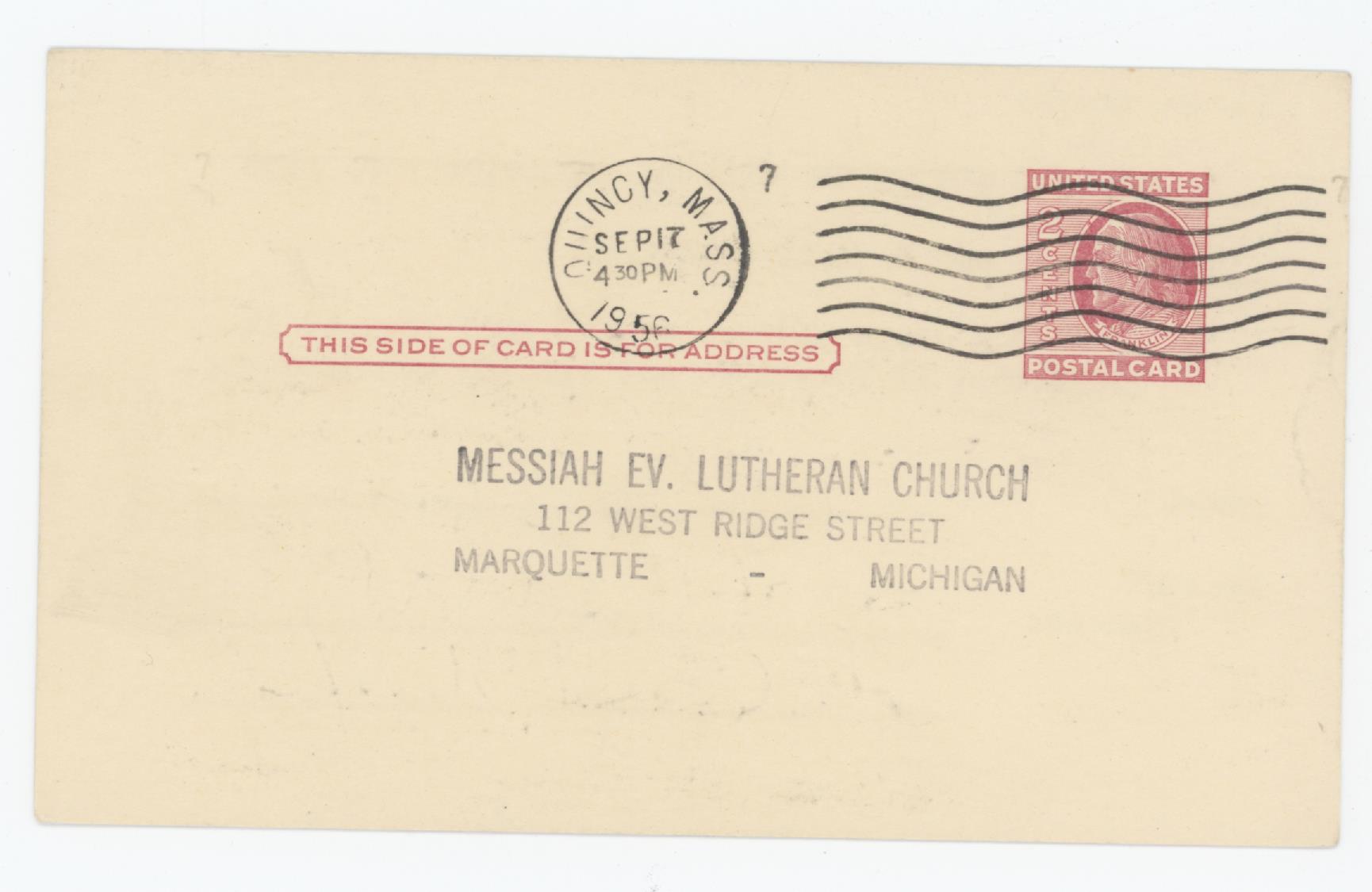
I agree with your analysis of this being machine #7 to go along with machines 1-6.
I not have a specific example from Quincy. With the earliest machines, machine identification in large offices was done with killer letters/numbers and dial letters/numbers. This desire to be able to quickly identify which machine needs attention like ink, date changes, etc., did not change with the later facer-cancelers. More recently, there are intentional cuts in the rims and killer bars.
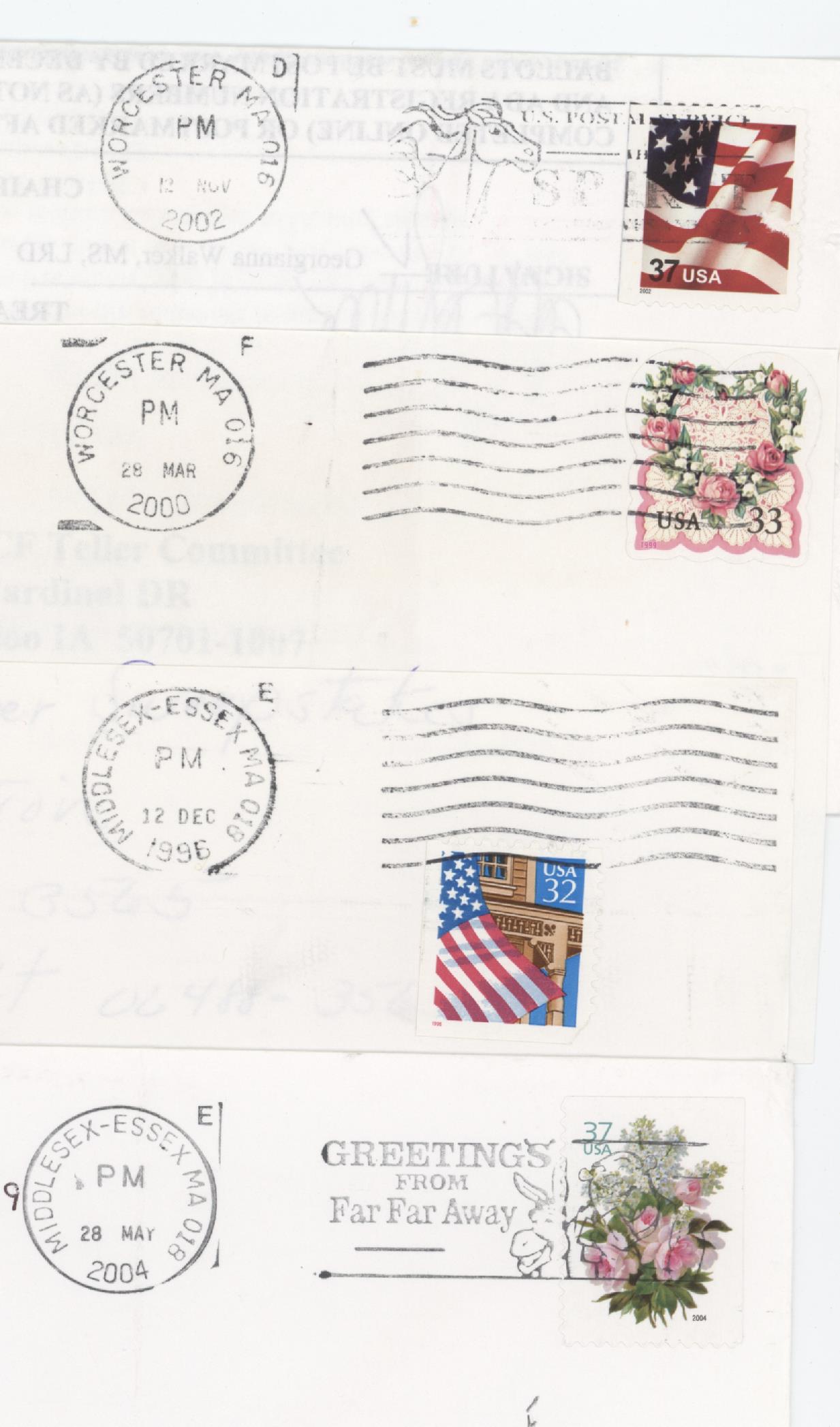
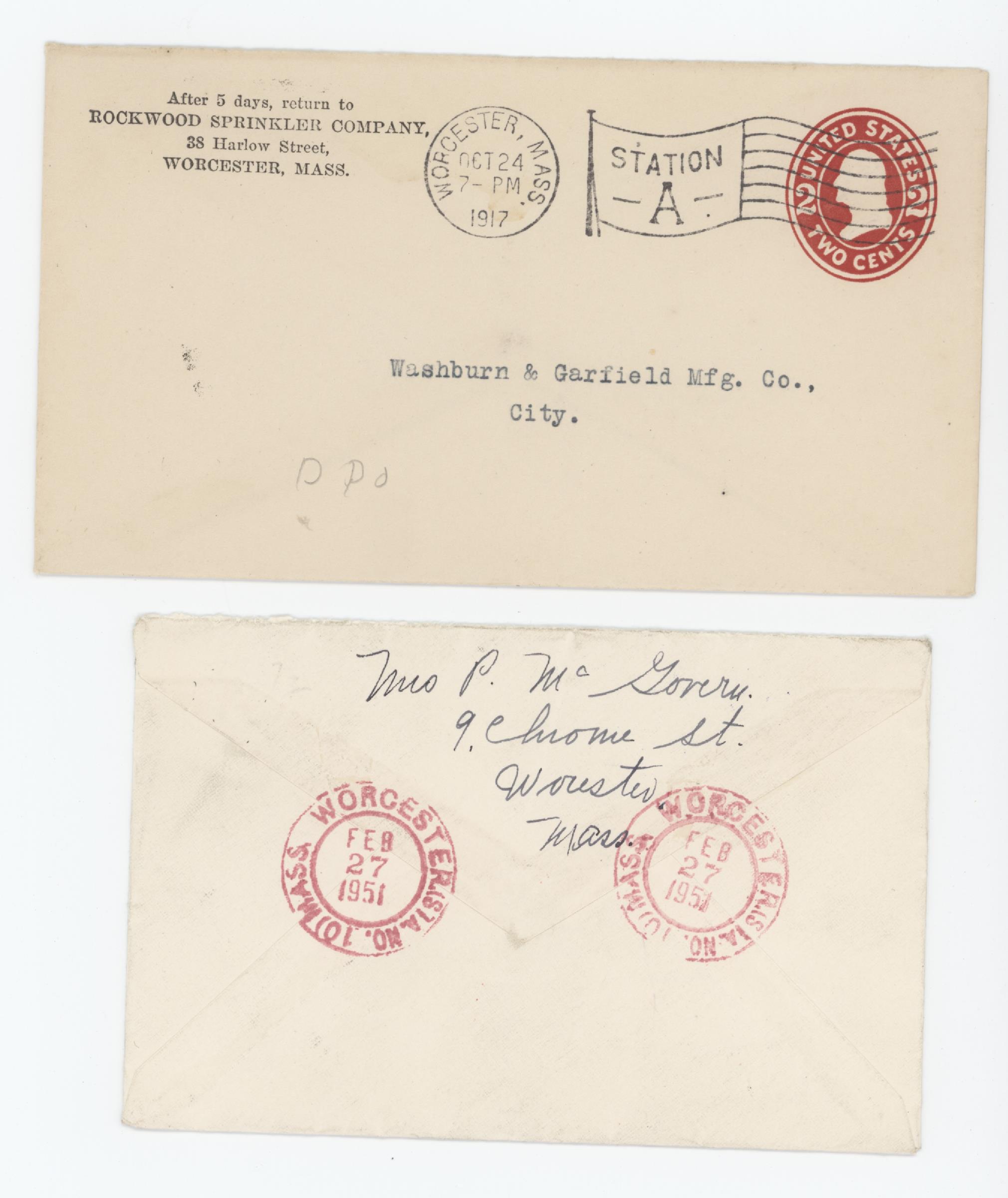
Closer to the topic at hand ... as you noted, here are some examples of machines indicated to the upper right of the dial:
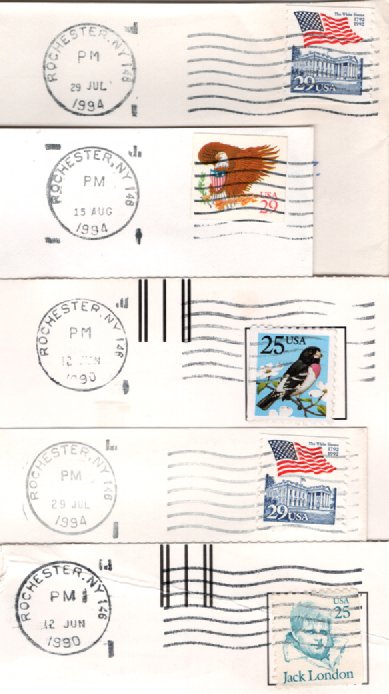
Rochester, NY with binary code
001 = machine 1
010 = machine 2
011 = machine 3
100 = machine 4
101 = machine 5
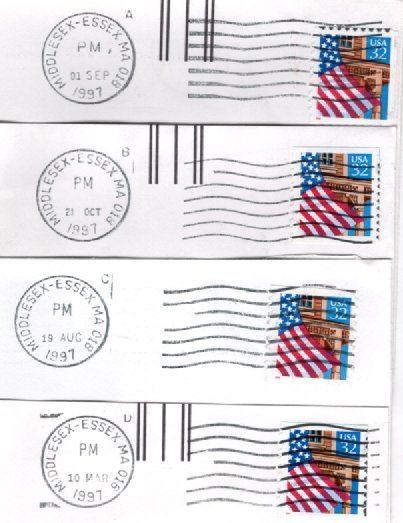
Middlesex-Essex, MA with dials A-D with corresponding killer-bar cuts in the 2nd, 3rd, and 4th bars for dials B, C, and D, respectively.
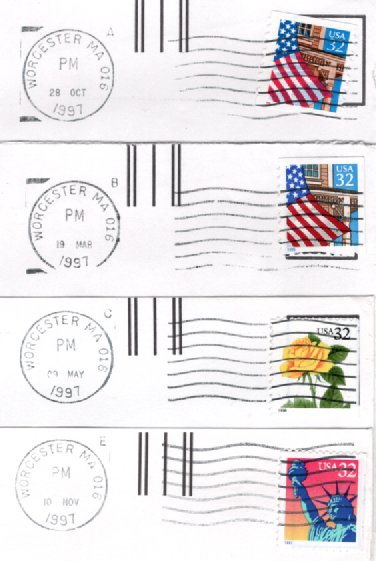
Wooster, MA with dials A, B, C, and E. I suspect Dial D exists, buy I do not have one.
Add: I will add for others to read, but I sense you are fully aware of the Boston Zone system beginning c1920 to number the Boston stations and the surrounding suburbs which is a direct forerunner of today's Zip Code. Especially with the Boston area, a number like 69 for Quincy and 55 for Medford does not mean they had 69 or 55 machines in Quincy or Medford, but corresponds to their Zone Number.
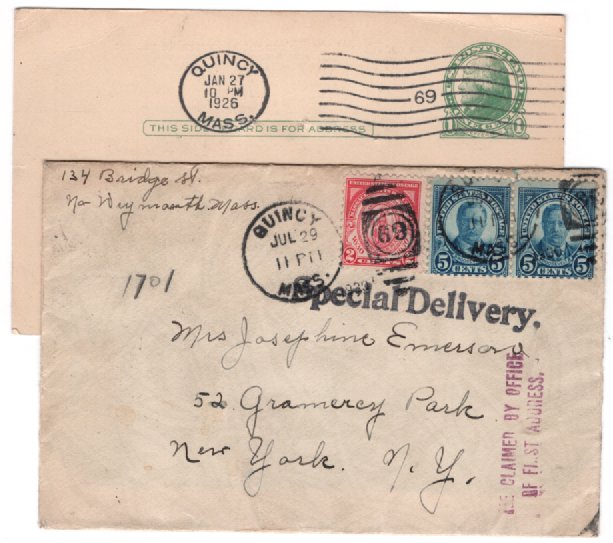
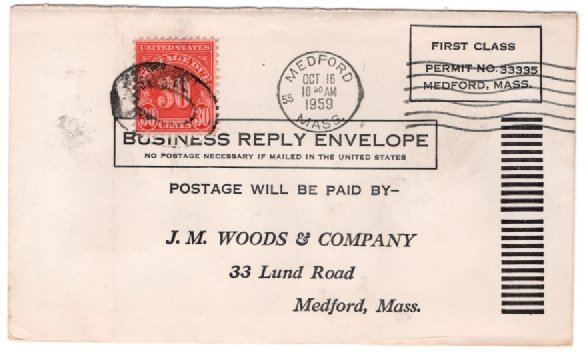
Thus numbers or letters in cancels may mean different things in different cities in different eras.





 Posted 10/11/2023 1:12 pm