Stamp Community Family of Web Sites
Thousands of stamps, consistently graded, competitively priced and hundreds of in-depth blog posts to read


Stamp Community Forum
 
Username:
Password:
Save Password
Forgot your Password?

This page may contain links that result in small commissions to keep this free site up and running.

Welcome Guest! Registering and/or logging in will remove the anchor (bottom) ads. It's Free!

Foxing On Album? Safe To Use?

Next Page    
 
To participate in the forum you must log in or register.
Author Previous TopicReplies: 19 / Views: 3,185Next Topic
Page: of 2
Valued Member

20 Posts
Posted 12/31/2023   6:12 pm  Show Profile Bookmark this topic Add StampsRx to your friends list Get a Link to this Message
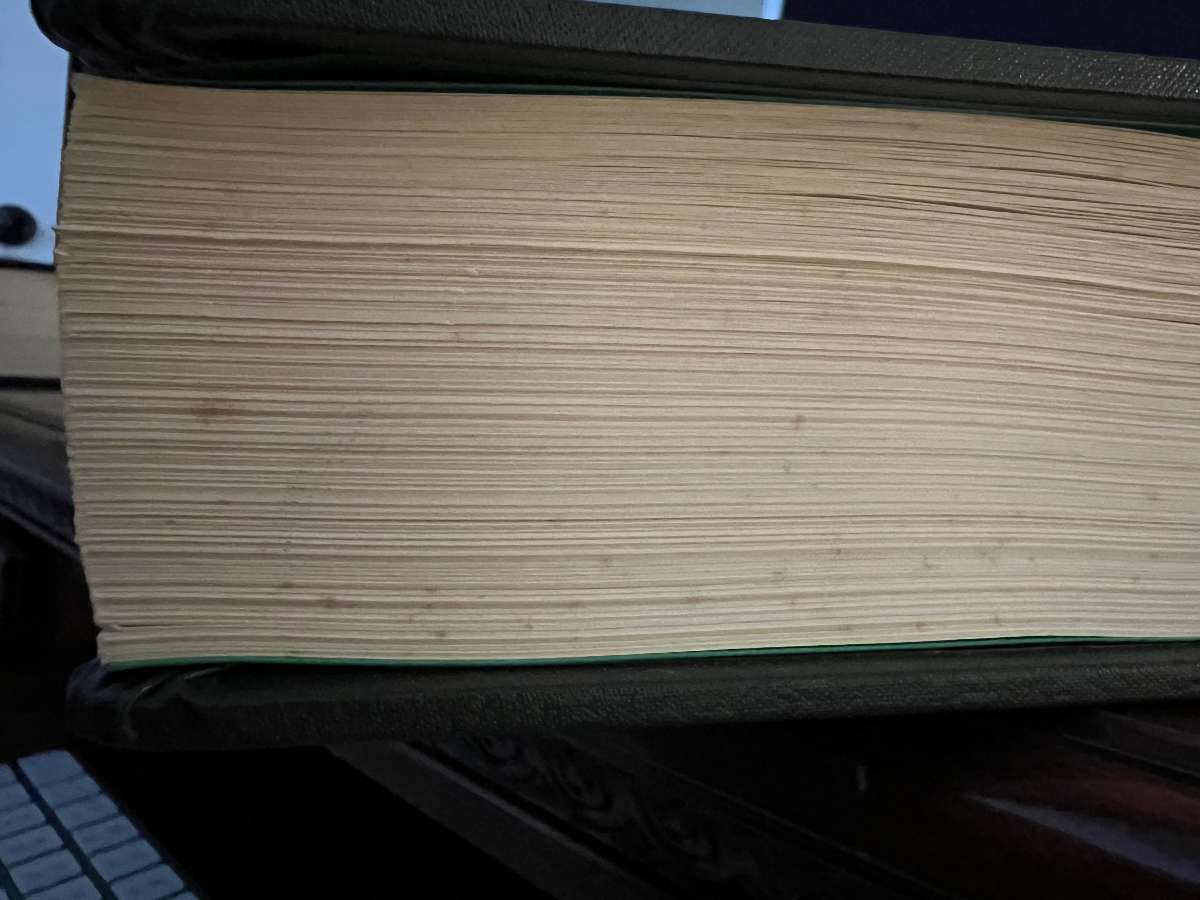
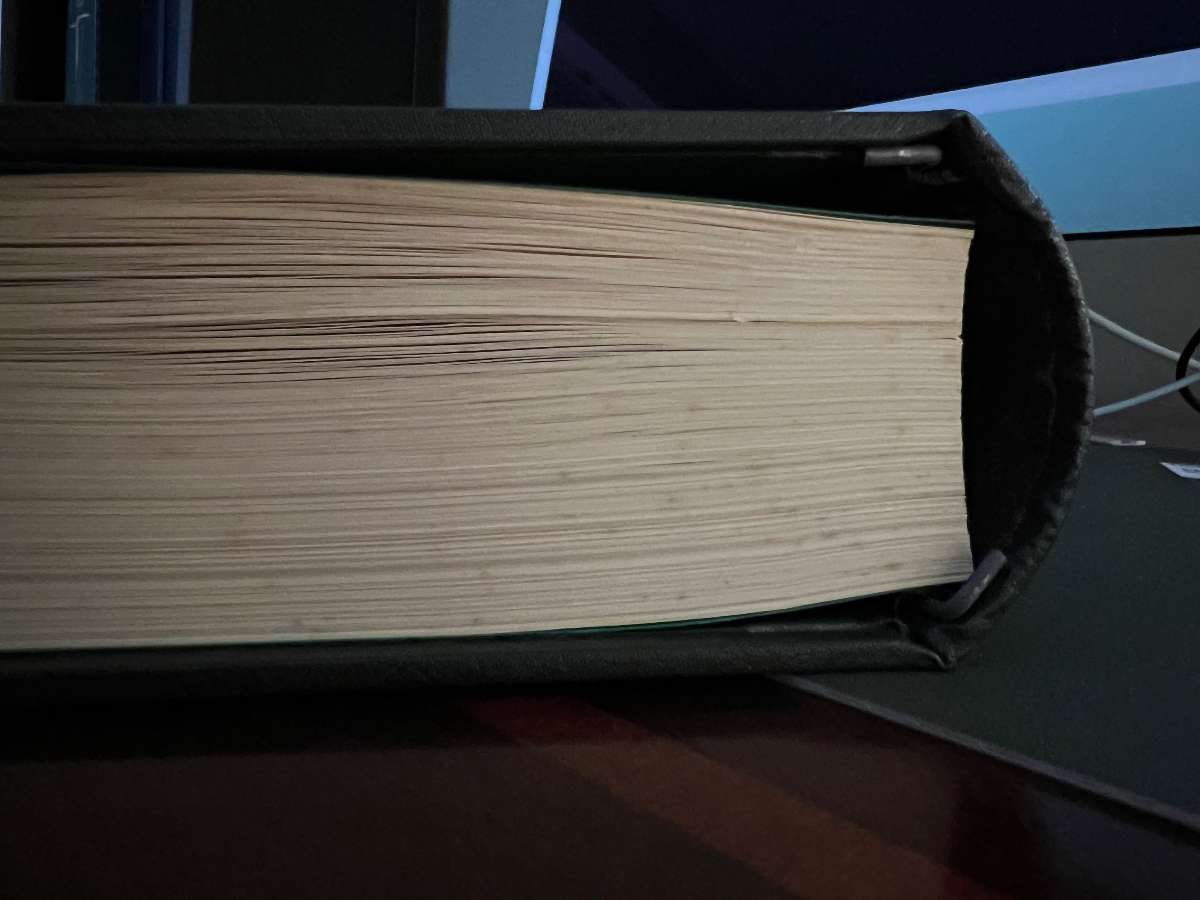
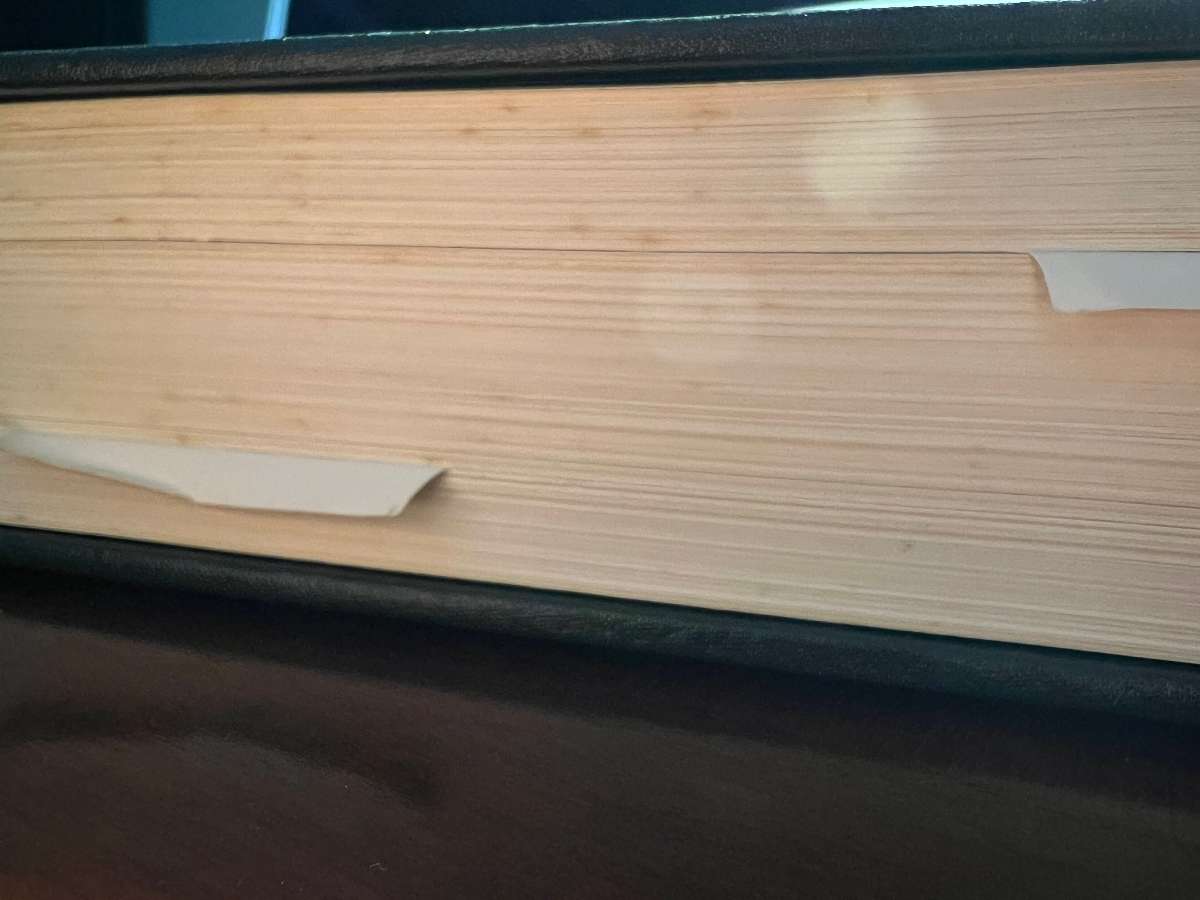
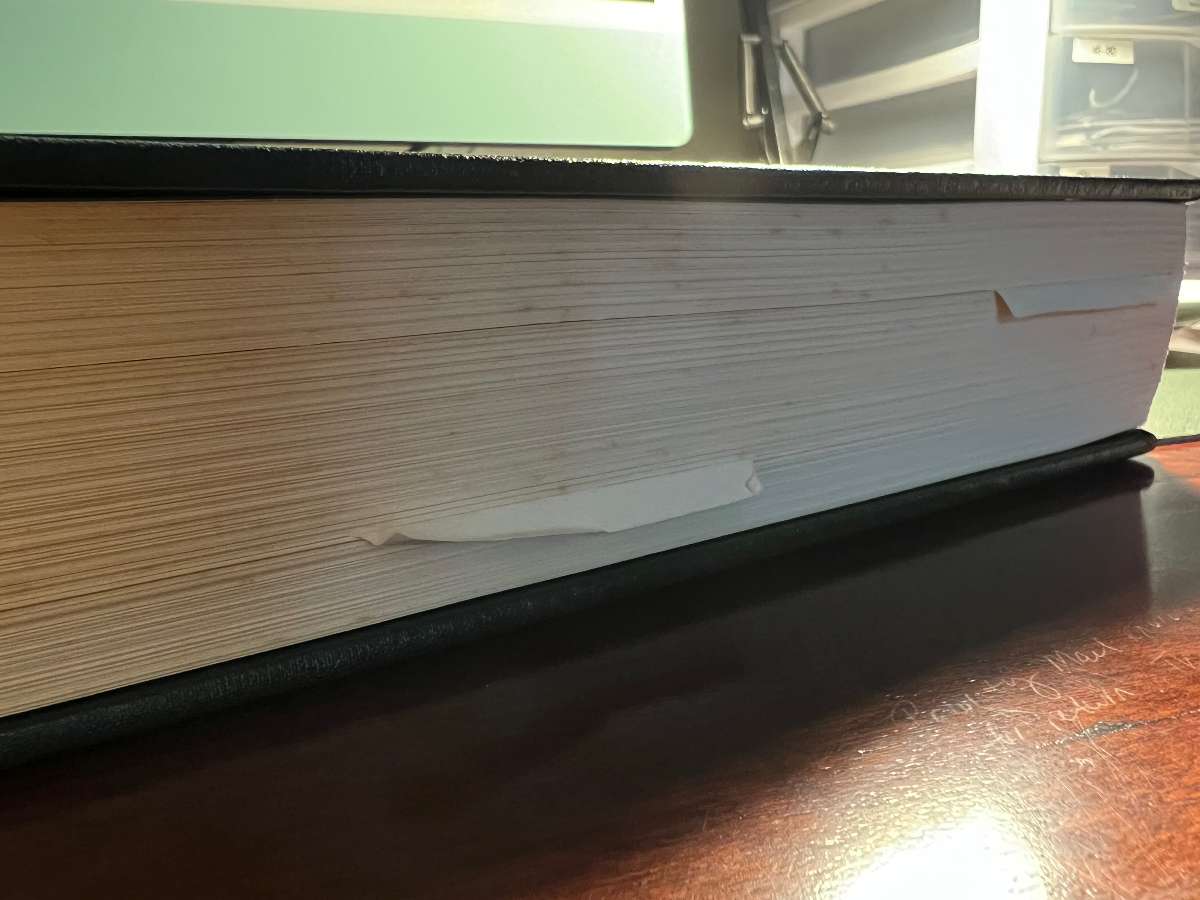
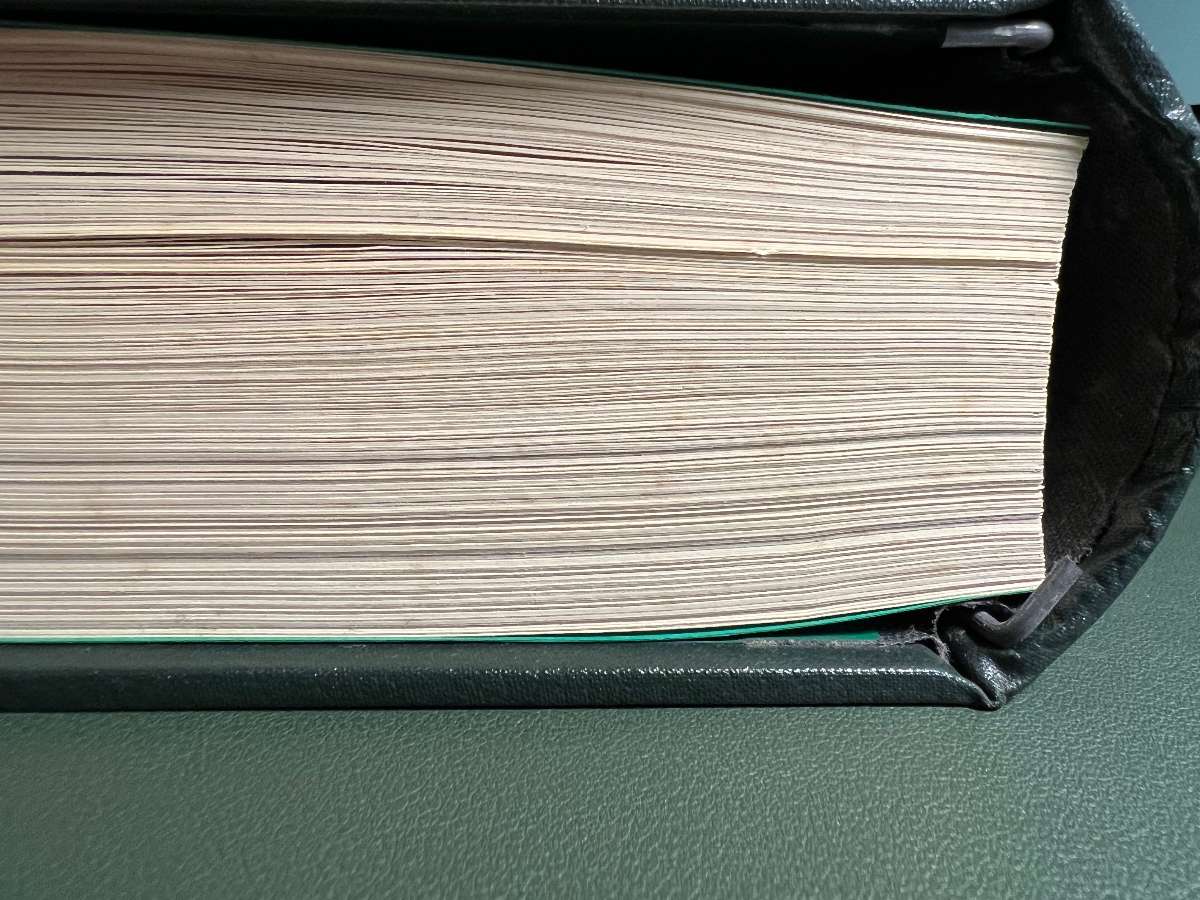
I recently bought an album from the 90s that had some spots along the edges of the album pages. The inside of the pages and the stamps look fine, no spots. There isn't a smell to the album at all. Does this look like foxing?

I'm trying to figure out if I should use the album pages, they really are otherwise in excellent condition. Also wondering if it could spread to my other albums...


Send note to Staff

Valued Member
United States
176 Posts
Posted 12/31/2023   7:46 pm  Show Profile Check Uknjay's eBay Listings Bookmark this reply Add Uknjay to your friends list  Get a Link to this Reply
I see problem using the album. I guess it is up to you but I would use it myself.
Send note to Staff  Go to Top of Page
Pillar Of The Community
United States
837 Posts
Posted 12/31/2023   8:15 pm  Show Profile Bookmark this reply Add landoquakes to your friends list  Get a Link to this Reply
The good thing here is that there seems to not be a musty smell. I really shirk away from mustiness. I had some light spots like those (maybe a little lighter) on a Scott International volume and I wiped the edges very carefully down with a well-rung out Disinfecting Clorox wipe. I then kept an eye on the pages, stored them in a good area and kept an eye on them. Seemed to put a stop to it. I'm not sure if it is foxing, but looks like it.
Send note to Staff  Go to Top of Page
Pillar Of The Community
United States
589 Posts
Posted 12/31/2023   10:10 pm  Show Profile Bookmark this reply Add stampgreendragon to your friends list  Get a Link to this Reply
"I recently bought an album from the 90s that had some spots along the edges of the album page" - Did you get this at a recent auction? Also, please show us some of the inside pages to see if the foxing went through.
Send note to Staff  Go to Top of Page
Moderator
Learn More...
United States
12330 Posts
Posted 12/31/2023   10:38 pm  Show Profile Bookmark this reply Add 51studebaker to your friends list  Get a Link to this Reply
Foxing is a nebulous term meaning one of several things and possible causes. Folks can learn more by looking this up on Google Scholar https://scholar.google.com/

Regardless of the root cause (some causes can 'spread' while others will not), I would do as you did and wipe the tightly closed album page edges with a diluted bleach solution. I would also tend to keep it away from more valuable material but by all means keep a close eye on it. This means taking the album out at least every few months and leafing through the pages and maintaining a good environment. If you did this, it is my opinion that nothing bad can happen without you catching it and taking further action.
Ultimately I would look to replacing the album, but the above should give you plenty of time to get this done.
Don
Send note to Staff  Go to Top of Page
Pillar Of The Community
Learn More...
United States
5460 Posts
Posted 12/31/2023   10:53 pm  Show Profile Bookmark this reply Add redwoodrandy to your friends list  Get a Link to this Reply
I would return it if possible.
Send note to Staff  Go to Top of Page
Pillar Of The Community
United States
589 Posts
Posted 01/01/2024   08:58 am  Show Profile Bookmark this reply Add stampgreendragon to your friends list  Get a Link to this Reply
Yes, it can spread to your stamps. I would rehouse. And if you bought this from an auction house, you need to send an email with pictures. - edit for clarification - has the possibility to spread.
Send note to Staff  Go to Top of Page
Edited by stampgreendragon - 01/01/2024 10:41 am
Pillar Of The Community
United States
589 Posts
Posted 01/01/2024   09:02 am  Show Profile Bookmark this reply Add stampgreendragon to your friends list  Get a Link to this Reply
Many stamp collections are ruined by foxing from the stamp album. In some cases once put into the right environment the foxing can stop or as others suggested you sanitize the problem and it can stop. But if there are expensive stamps in there, you need to ask yourself what is the risk. It will cost you 200-300 dollars to fix this problem for good or you just go to Steiner pages and fix for good.
Never mind your time and energy.
Send note to Staff  Go to Top of Page
Moderator
Learn More...
United States
12330 Posts
Posted 01/01/2024   09:25 am  Show Profile Bookmark this reply Add 51studebaker to your friends list  Get a Link to this Reply

Quote:
...Yes, it can spread to your stamps...


No, this is not accurate. It depends upon what 'foxing' means. For example, foxing can be caused by chemical reactions in which case it would not spread to other paper/pages/stamps/covers.
Don
Send note to Staff  Go to Top of Page
Pillar Of The Community
United States
589 Posts
Posted 01/01/2024   10:28 am  Show Profile Bookmark this reply Add stampgreendragon to your friends list  Get a Link to this Reply
51studebaker -"can" does not mean will. Also please see my follow up. So the statement is accurate. You are right about the chemical reaction. It could be. But what if it is not? Cheap stamps no worries, but expensive stamps or if it is spores that caused the foxing, then it is time to worry.
Send note to Staff  Go to Top of Page
Pillar Of The Community
United States
589 Posts
Posted 01/01/2024   10:38 am  Show Profile Bookmark this reply Add stampgreendragon to your friends list  Get a Link to this Reply
On the subject of foxing which as been discussed here before. It is not taken as seriously as it should be. I have seen countless albums where the stamp was foxed and then the album and vice versa and it's just gross. Stamp collectors frown when a stamp has been cleaned, but I would rather have a cleaned stamp than one that is foxed. I only keep foxed stamps on the truly rare items. I remember one auction where the auctioneer could not figure out why no one bid on a rare stamp that the house expected to go for 3,000-6000 or so and when he cut the bid all the way back to 1500 or so, there were still no bids. repeat and rinse. It was clear that the room was avoiding foxed stamps. The reason is that you have to house the foxed stamp away from your good stamps or else. Plus, its an eyesore. Foxed stamps are a major fault. Dealers don't think it is a big deal unless they are the buyers of such material.
Send note to Staff  Go to Top of Page
Valued Member
Switzerland
480 Posts
Posted 01/01/2024   12:20 pm  Show Profile Bookmark this reply Add drkohler to your friends list  Get a Link to this Reply
For example, foxing can be caused by chemical reactions in which case it would not spread to other paper/pages/stamps/covers.

This is dead wrong. I mean this is DEAD wrong. Particularly if any plastics are involved. But even if there is only paper around, once paper is infected, the infection will spread. It may take decades or years or it may take months only, but the infection WILL spread.

In the case of this album, I'd take a few pages and dip half of them the edges into a hydrogen peroxide solution. Then compare the pages after a year or so with the other (untreated) half. I'd certainly not leave valuable stamps in the album.

This comes as hindsight as I have been going through my 40+ albums recently, containing "Problem free plastic foils" as per the album maker. I have alaready found 20 (possibly) ruined booklet panes and booklet covers so far in the oldest albums...
Send note to Staff  Go to Top of Page
Edited by drkohler - 01/01/2024 12:20 pm
Moderator
Learn More...
United States
12330 Posts
Posted 01/01/2024   12:35 pm  Show Profile Bookmark this reply Add 51studebaker to your friends list  Get a Link to this Reply

Quote:
This is dead wrong. I mean this is DEAD wrong. Particularly if any plastics are involved. But even if there is only paper around, once paper is infected, the infection will spread. It may take decades or years or it may take months only, but the infection WILL spread.


drkohler,
You are 'dead' wrong, please take the time to do a few minutes of discovery before making such inaccurate posts.


Quote:
The term foxing is derived from the rusty red color of Reynard the fox and its use was first noted in 1848 (Meynell and Newsam 1979, 567). Foxing is a descriptive term for scattered spots commonly reddish-brown in color, but also applied to spots of other coloration ranging from yellow to black. It should be distinguished from visible surface colonies of mold growth, which may result in paper stains of a wide range of colors, though both may be present concurrently. In Japan, foxing is known as hoshi, which literally means "stars" (Engelbrecht 1991, 62).

It may be easier to define what foxing stains (as identified by most conservators) are not. They are not the mold stains, with or without surface growth, which severely deteriorate the paper and cause a variety of colorations.


Quote:
Causes
Despite investigations spanning almost sixty years there remains confusion and uncertainty as to what causes foxing, whether there is a single cause or multiple ones, and whether there is more than one type of foxing. There are currently three major explanations for foxing which have been proposed most often: a) fungal activity, b) metal-induced degradation, and c) multiple causes.


Quote:

Metal-Induced Degradation
"Cellulose is directly oxidized catalytically in the presence of iron, copper, and cobalt compounds, and the reaction is most rapid at high humidities" (Tang 1978, 19). Metal impurities in paper, specifically iron and copper, are believed to result from particles abraded from the metal equipment and/or from contaminated water used in the papermaking process. Additionally, all wood-pulp paper may be expected to contain iron, as it is naturally present in wood (Beckwith et al. 1940, 302).
"In 'bullseye' copper-or iron-induced foxing the role of these two metals is probably that of oxidative catalyst. Both metals can undergo reversible oxidation-reduction. For example, they are both found playing such a role in metabolic biochemical reactions. Iron can alternately be oxidized from the +2 (ferrous) state to the +3 (ferric) state and then be reduced back to the +2 state as it plays the role of oxidizer. Copper can do the same between the +1 and +2 states. Thin-layer chromatographic studies show the extracts of 'bullseye' foxed and unfoxed paper to have all or most of the same bands. This further suggests iron and copper act to catalyze (accelerate) the oxidative degradation of paper" (Cain 1983, 15; Cain and Kalasinski 1987, 57). In a tally of metal-induced foxing, analysis showed that twenty-seven were induced by copper and copper alloys to over 200 induced by iron (Cain and Miller 1982, 7).
Iron

Coloration
"The very color of foxing connotes the presence of iron" (Iiams and Beckwith 1935, 412). Iron ions create yellow-brown spots and Tang found that "there is a trend for darkness of the foxing spot to increase with increasing iron content; the highest concentration of iron was noted in the center of the spots, with the metal concentration decreasing... as the distance increased from the center" (Tang 1978, 24, 26).
Occurrence
It would be very difficult to find any paper without some degree of iron [MH]. Numerous researchers have identified iron ions within foxing stains and found a significantly greater concentration of iron in the foxed areas compared to surrounding paper (Cain 1983, Cain 1988, Cain and Miller 1982, Cain and Miller 1984, Daniels 1988, Gallo and Hey 1988, Tang 1978, Tang and Troyer 1981). One study, however, found no difference between foxed and unfoxed areas (Press 1976, 29). This was corroborated by Tang, who found that in some foxed papers there was no difference in iron (or other metal ion) concentration (Tang 1978, 28). While concentrations greater than 500 ppm have been identified with undesirable spots, Hey suggests that "if iron is involved it is not its total concentration that is important but rather its availability to participate in reactions or its effective solubility" (Tang 1978, 28; Hey 1983, 341).
Form
Research indicates that iron in paper is found entirely in the ferric, rather than ferrous, form (Beckwith et al. 1940, 303).
Activation
Iron will not corrode below 70% RH, but in the presence of ions such as chloride, storage needs to be at 40% RH or lower to avoid corrosion. Hey suggests that "there is a strong chemical possibility that heavy metals present in the paper in a quiescent state will be activated by washing with an acid water, when this is not followed by deacidification" (Hey 1979, 68).
Copper

Daniels and Meeks describe copper-related foxing as varying in size "from small spots with no apparent nucleus and only a brown diffuse discolouration, to large spots of about 5 mm diameter with black dendritic patterns or green corrosion products; these spots include an outer ring of brown discoloured paper" (Daniels and Meeks, n.d., 2). Analysis by EDX revealed that the foxed areas contained copper, zinc, sulfur, and chlorine, while the unfoxed areas "did not have detectable amounts of these elements" (Daniels and Meeks, n.d., 5); see Spot Tests. It was concluded that chloride ions, from original or subsequent bleaching residues, accelerated the corrosion of brass (a copper/zinc alloy) inclusions in the paper. The soluble copper compound was then able to react with hydrogen sulfide generated in the paper or absorbed from the atmosphere. The stain was due to a combination of black copper sulfide and brown copper catalyzed degraded cellulose (Daniels and Meeks, n.d., 8). Tang linked copper concentrations greater than 50 ppm with formation of undesirable spots (Tang 1978, 28).


I'll wait for your retraction post.
Don
Send note to Staff  Go to Top of Page
Pillar Of The Community
United States
589 Posts
Posted 01/01/2024   1:55 pm  Show Profile Bookmark this reply Add stampgreendragon to your friends list  Get a Link to this Reply
drkohler - I agree with your assessment overall to avoid foxed material or take steps to mitigate the damage. I am not as experienced as you are, but I have seen enough to know to avoid it if possible. I have also found that stamp covers can also be prone to foxing and stamps in mounts can also be affected if the album is foxed.
Send note to Staff  Go to Top of Page
Valued Member
Switzerland
480 Posts
Posted 01/01/2024   2:41 pm  Show Profile Bookmark this reply Add drkohler to your friends list  Get a Link to this Reply
There is nothing to retract here.

For several years I did research on polymer degradation and stabilization at the local university and chemical industry companies. While I am a physicist and not a chemist, I inevitably gained a lot of insight into the chemistry of what happens and why and when plastics and other materials degrade.

I am not interested in dancing around the various definitions of the word "foxing". I am interested in the fact that "bad stuff happened" with the featured album (albeit it looks "minor") and the certain consequences of it. One thing is sure, "minor" WILL turn to "major" inevitably.
Send note to Staff  Go to Top of Page
Edited by drkohler - 01/01/2024 2:42 pm
Moderator
Learn More...
United States
12330 Posts
Posted 01/01/2024   2:58 pm  Show Profile Bookmark this reply Add 51studebaker to your friends list  Get a Link to this Reply

Quote:
...I am not interested in dancing around the various definitions of the word "foxing". ...

Of course not, it would require you to admit your mistake.

I am interested in being accurate and educating folks on doing their own discovery instead not relying upon anonymous 'experts'. With the original post, I saw a need to be cautious, but not a need to fear monger.

Foxing is not always organic mold or fungi. Period. Full stop.

It only takes a few minutes of discovery to see that 'foxing' is an ephemeral term which has a number of causes. In my experience in moderating online communities, especially with the deltas between languages, defining nebulous nomenclature is important. We see this constantly, people who define something only as they define it in their own mind and not bothering to consider there is much more to topic.
Don

Edit:
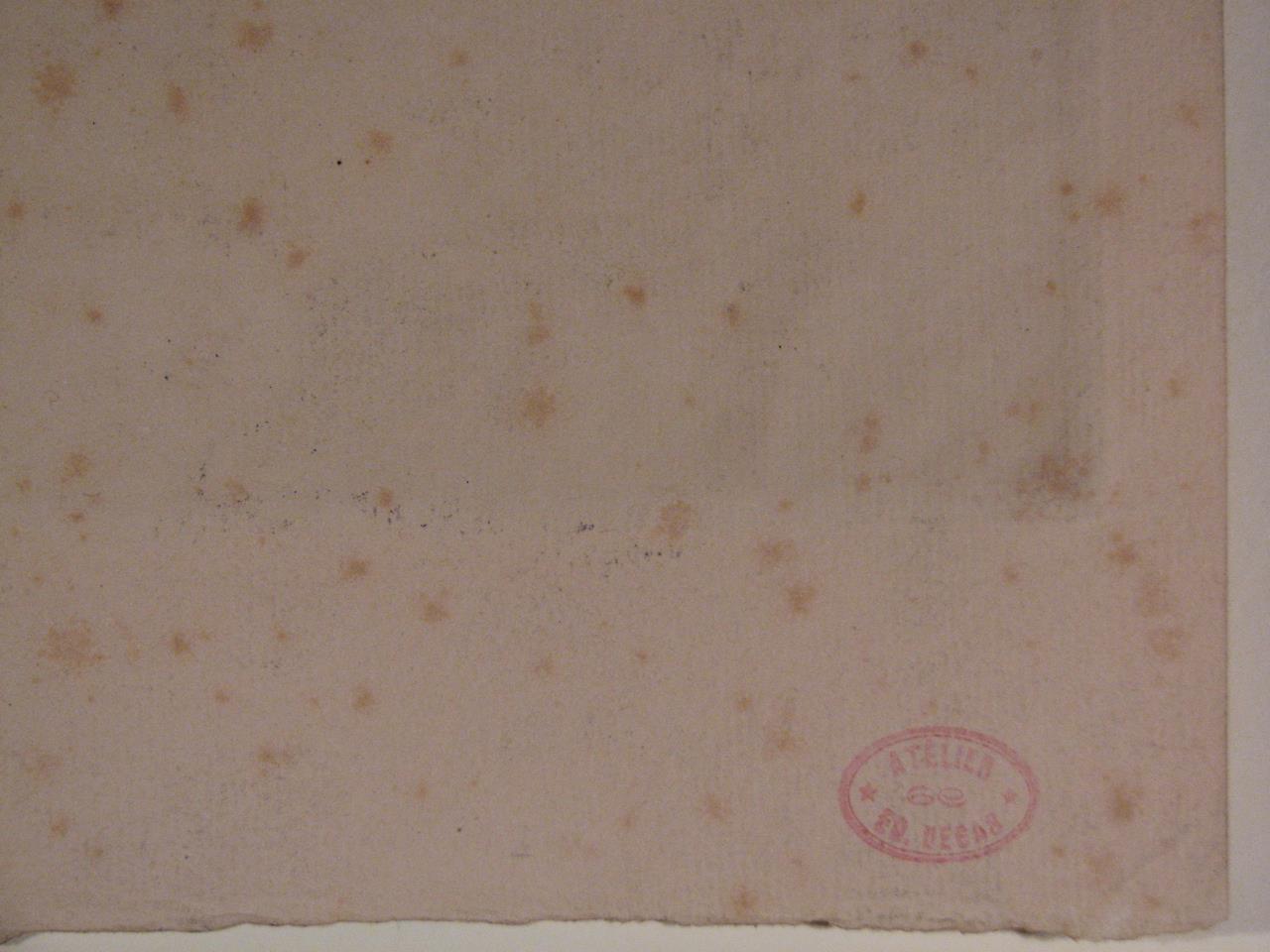
To add to this topic, here are some examples of foxing where it is thought that the spots are attributed to an overabundance of iron in the water used by a papermill.


The image below is from the article "Foxing and Reverse Foxing: Condition Problems in Modern Paper and the Role of Inorganic Additives"
Send note to Staff  Go to Top of Page
Page: of 2 Previous TopicReplies: 19 / Views: 3,185Next Topic  
Next Page
 
To participate in the forum you must log in or register.

Go to Top of Page

Disclaimer: While a tremendous amount of effort goes into ensuring the accuracy of the information contained in this site, Stamp Community assumes no liability for errors. Copyright 2005 - 2026 Stamp Community Family - All rights reserved worldwide. Use of any images or content on this website without prior written permission of Stamp Community or the original lender is strictly prohibited.
Privacy Policy / Terms of Use    Advertise Here
Stamp Community Forum © 2007 - 2026 Stamp Community Forums
It took 0.22 seconds to lick this stamp. Powered By: Snitz Forums 2000 Version 3.4.05