Quote:
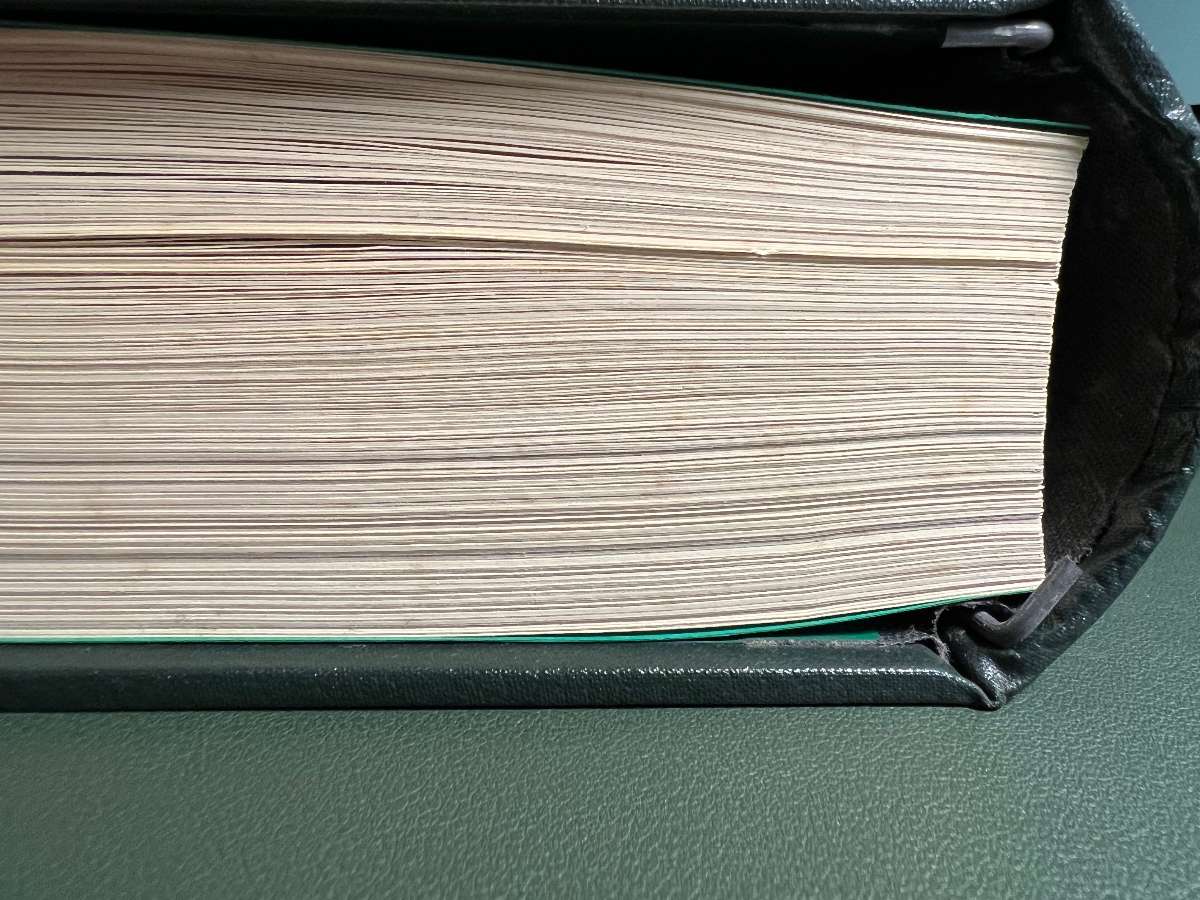
This is dead wrong. I mean this is DEAD wrong. Particularly if any plastics are involved. But even if there is only paper around, once paper is infected, the infection will spread. It may take decades or years or it may take months only, but the infection WILL spread.
drkohler,
You are 'dead' wrong, please take the time to do a few minutes of discovery before making such inaccurate posts.
Quote:
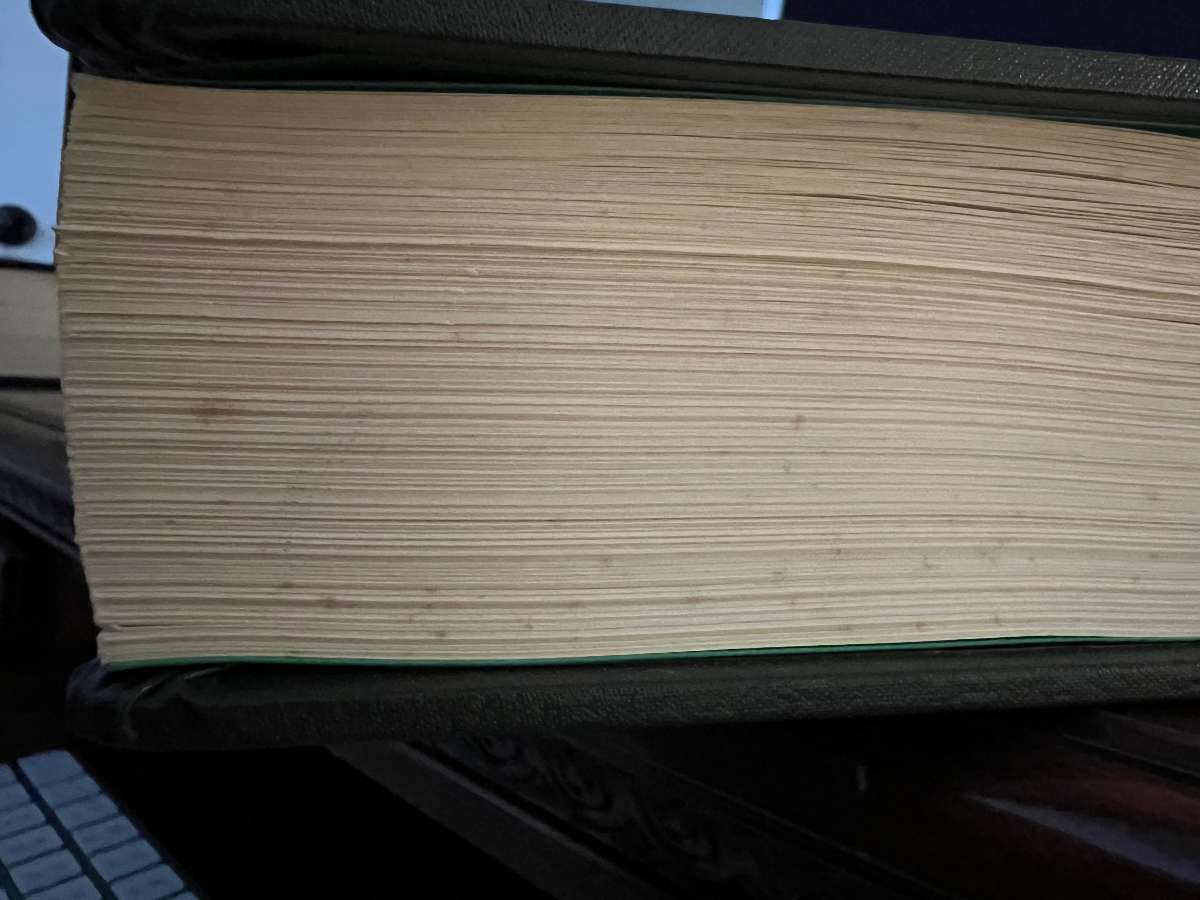
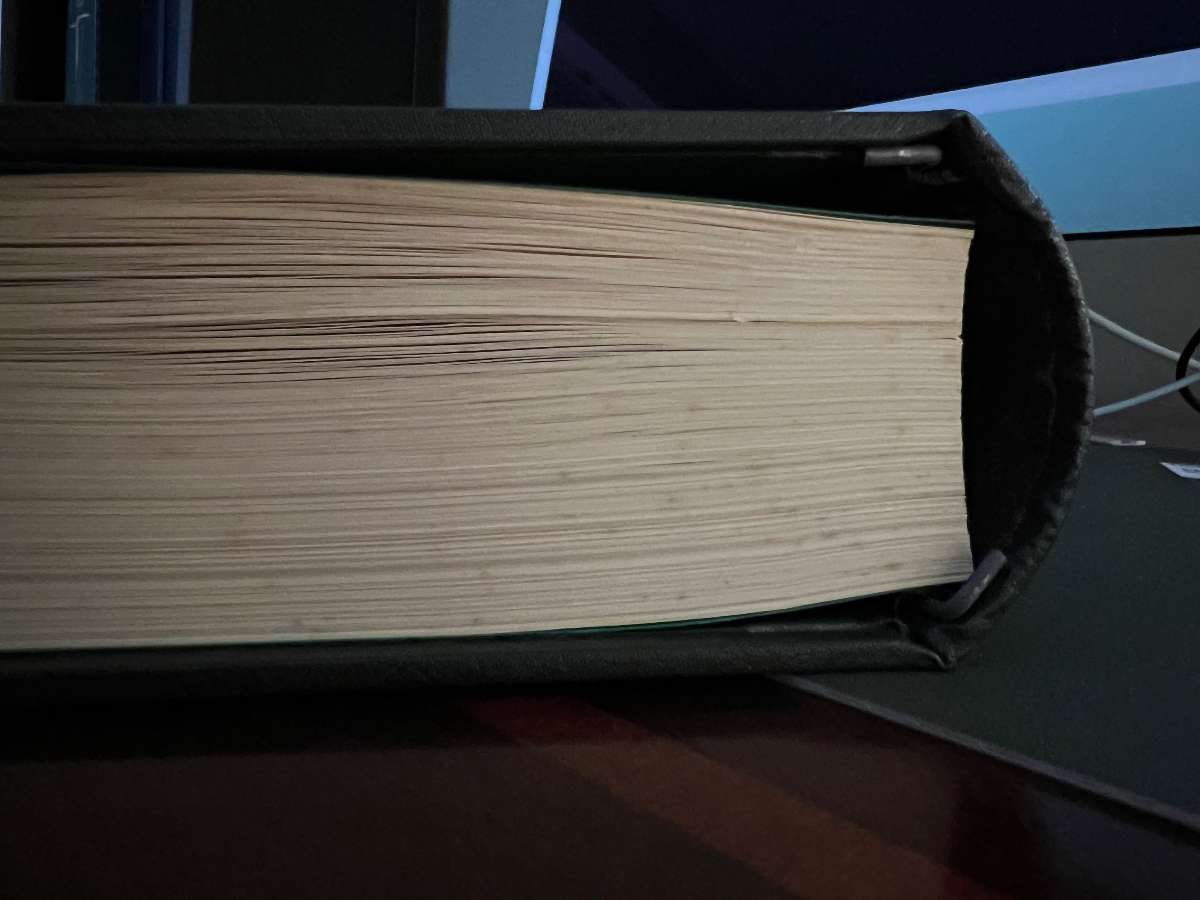
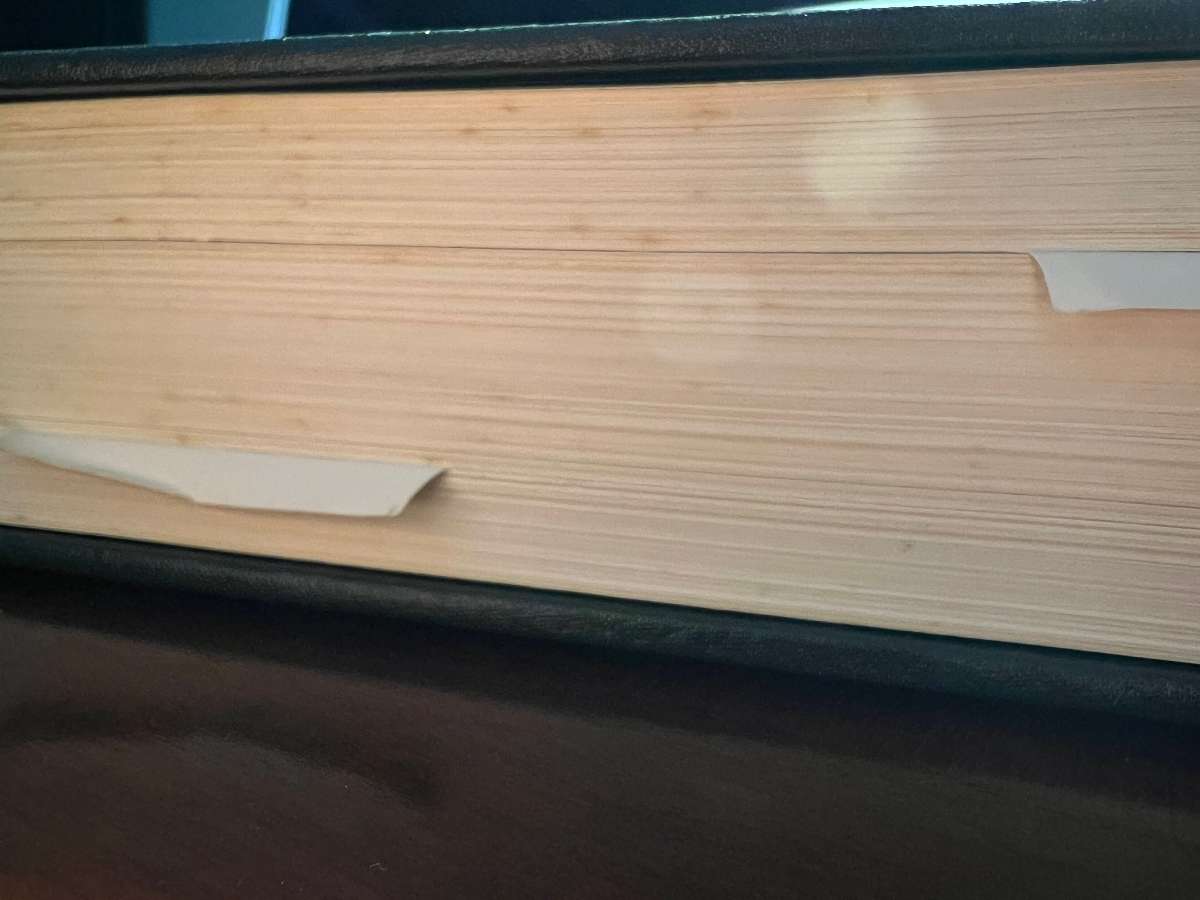
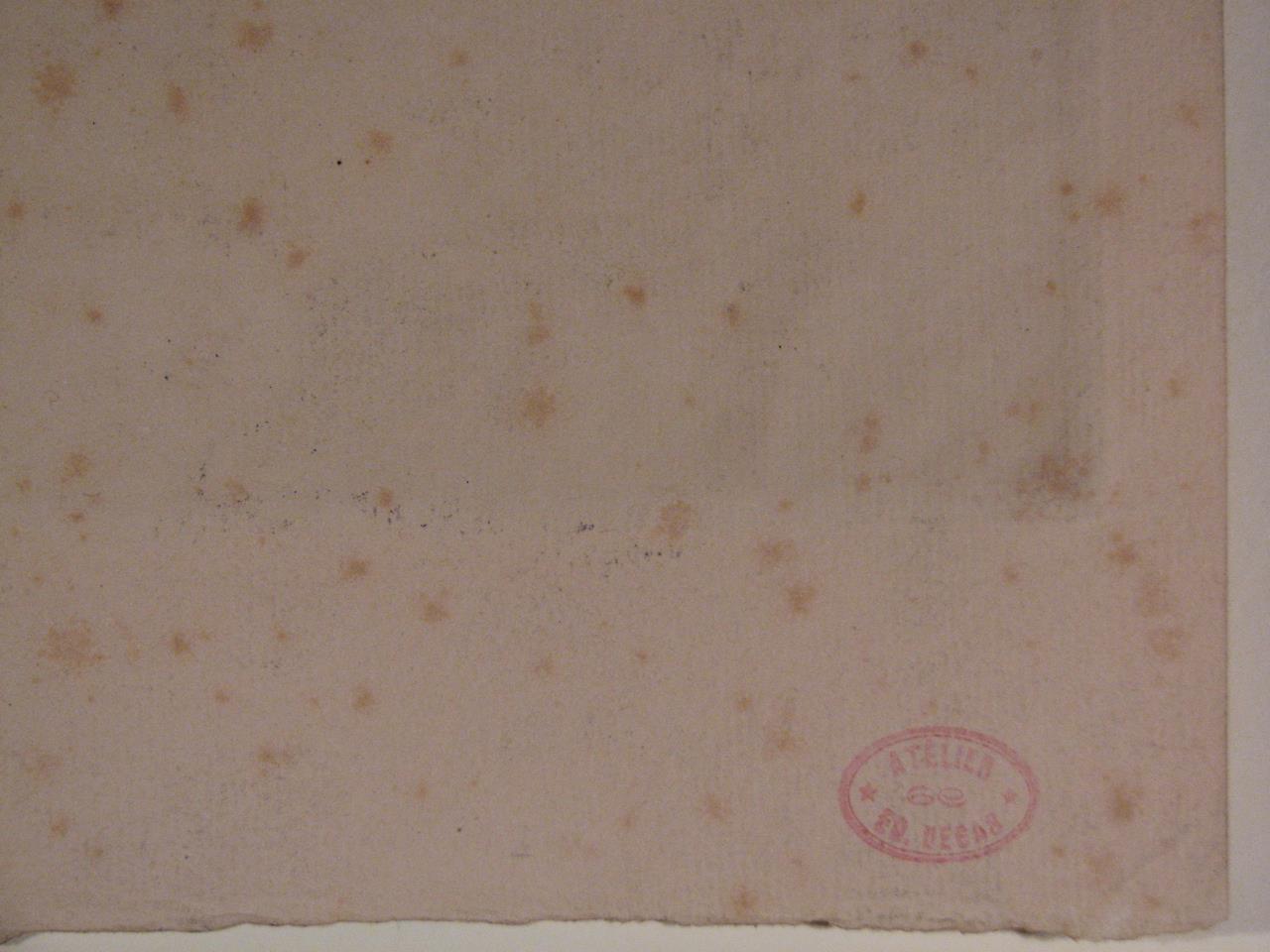
The term foxing is derived from the rusty red color of Reynard the fox and its use was first noted in 1848 (Meynell and Newsam 1979, 567). Foxing is a descriptive term for scattered spots commonly reddish-brown in color, but also applied to spots of other coloration ranging from yellow to black. It should be distinguished from visible surface colonies of mold growth, which may result in paper stains of a wide range of colors, though both may be present concurrently. In Japan, foxing is known as hoshi, which literally means "stars" (Engelbrecht 1991, 62).
It may be easier to define what foxing stains (as identified by most conservators) are not. They are not the mold stains, with or without surface growth, which severely deteriorate the paper and cause a variety of colorations.
Quote:
Causes
Despite investigations spanning almost sixty years there remains confusion and uncertainty as to what causes foxing, whether there is a single cause or multiple ones, and whether there is more than one type of foxing. There are currently three major explanations for foxing which have been proposed most often: a) fungal activity, b) metal-induced degradation, and c) multiple causes.
Quote:
Metal-Induced Degradation
"Cellulose is directly oxidized catalytically in the presence of iron, copper, and cobalt compounds, and the reaction is most rapid at high humidities" (Tang 1978, 19). Metal impurities in paper, specifically iron and copper, are believed to result from particles abraded from the metal equipment and/or from contaminated water used in the papermaking process. Additionally, all wood-pulp paper may be expected to contain iron, as it is naturally present in wood (Beckwith et al. 1940, 302).
"In 'bullseye' copper-or iron-induced foxing the role of these two metals is probably that of oxidative catalyst. Both metals can undergo reversible oxidation-reduction. For example, they are both found playing such a role in metabolic biochemical reactions. Iron can alternately be oxidized from the +2 (ferrous) state to the +3 (ferric) state and then be reduced back to the +2 state as it plays the role of oxidizer. Copper can do the same between the +1 and +2 states. Thin-layer chromatographic studies show the extracts of 'bullseye' foxed and unfoxed paper to have all or most of the same bands. This further suggests iron and copper act to catalyze (accelerate) the oxidative degradation of paper" (Cain 1983, 15; Cain and Kalasinski 1987, 57). In a tally of metal-induced foxing, analysis showed that twenty-seven were induced by copper and copper alloys to over 200 induced by iron (Cain and Miller 1982, 7).
Iron
Coloration
"The very color of foxing connotes the presence of iron" (Iiams and Beckwith 1935, 412). Iron ions create yellow-brown spots and Tang found that "there is a trend for darkness of the foxing spot to increase with increasing iron content; the highest concentration of iron was noted in the center of the spots, with the metal concentration decreasing... as the distance increased from the center" (Tang 1978, 24, 26).
Occurrence
It would be very difficult to find any paper without some degree of iron [MH]. Numerous researchers have identified iron ions within foxing stains and found a significantly greater concentration of iron in the foxed areas compared to surrounding paper (Cain 1983, Cain 1988, Cain and Miller 1982, Cain and Miller 1984, Daniels 1988, Gallo and Hey 1988, Tang 1978, Tang and Troyer 1981). One study, however, found no difference between foxed and unfoxed areas (Press 1976, 29). This was corroborated by Tang, who found that in some foxed papers there was no difference in iron (or other metal ion) concentration (Tang 1978, 28). While concentrations greater than 500 ppm have been identified with undesirable spots, Hey suggests that "if iron is involved it is not its total concentration that is important but rather its availability to participate in reactions or its effective solubility" (Tang 1978, 28; Hey 1983, 341).
Form
Research indicates that iron in paper is found entirely in the ferric, rather than ferrous, form (Beckwith et al. 1940, 303).
Activation
Iron will not corrode below 70% RH, but in the presence of ions such as chloride, storage needs to be at 40% RH or lower to avoid corrosion. Hey suggests that "there is a strong chemical possibility that heavy metals present in the paper in a quiescent state will be activated by washing with an acid water, when this is not followed by deacidification" (Hey 1979, 68).
Copper
Daniels and Meeks describe copper-related foxing as varying in size "from small spots with no apparent nucleus and only a brown diffuse discolouration, to large spots of about 5 mm diameter with black dendritic patterns or green corrosion products; these spots include an outer ring of brown discoloured paper" (Daniels and Meeks, n.d., 2). Analysis by EDX revealed that the foxed areas contained copper, zinc, sulfur, and chlorine, while the unfoxed areas "did not have detectable amounts of these elements" (Daniels and Meeks, n.d., 5); see Spot Tests. It was concluded that chloride ions, from original or subsequent bleaching residues, accelerated the corrosion of brass (a copper/zinc alloy) inclusions in the paper. The soluble copper compound was then able to react with hydrogen sulfide generated in the paper or absorbed from the atmosphere. The stain was due to a combination of black copper sulfide and brown copper catalyzed degraded cellulose (Daniels and Meeks, n.d., 8). Tang linked copper concentrations greater than 50 ppm with formation of undesirable spots (Tang 1978, 28).
I'll wait for your retraction post.
Don





 Posted 12/31/2023 6:12 pm