Sorry, it's another of those "I've inherited some stamps and I've absolutely zero idea about them, please help!" threads.
These were passed down to me following my fathers recent passing. I'm not sure he was a collector himself or if these were passed onto him from either his father, or Uncle.
No expectations to become a millionaire! Mainly just curious. Keen to know if any are rare/interesting/special etc.
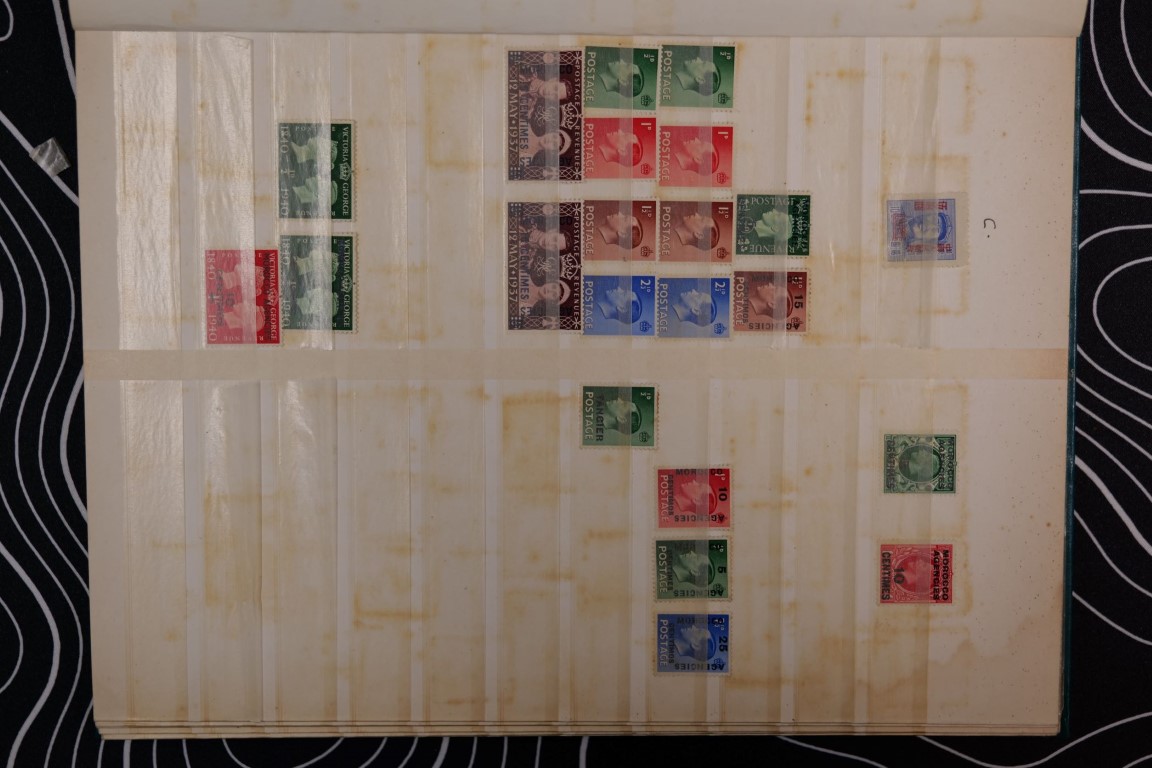
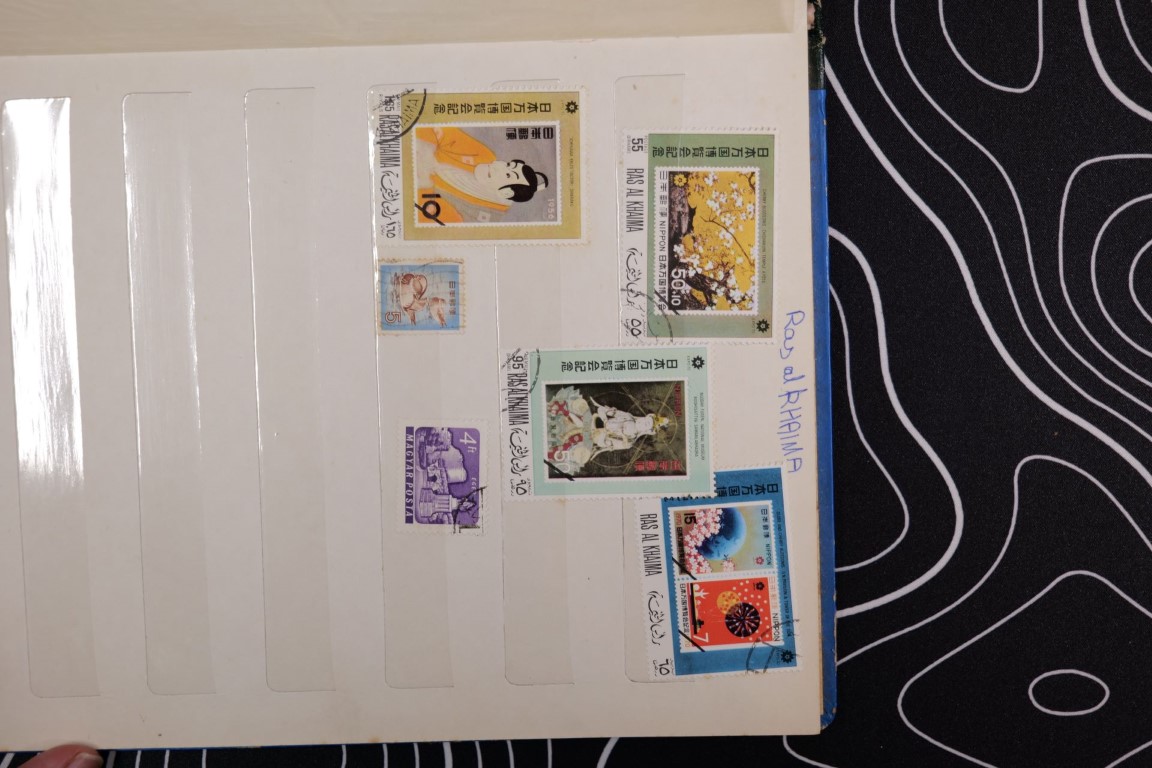
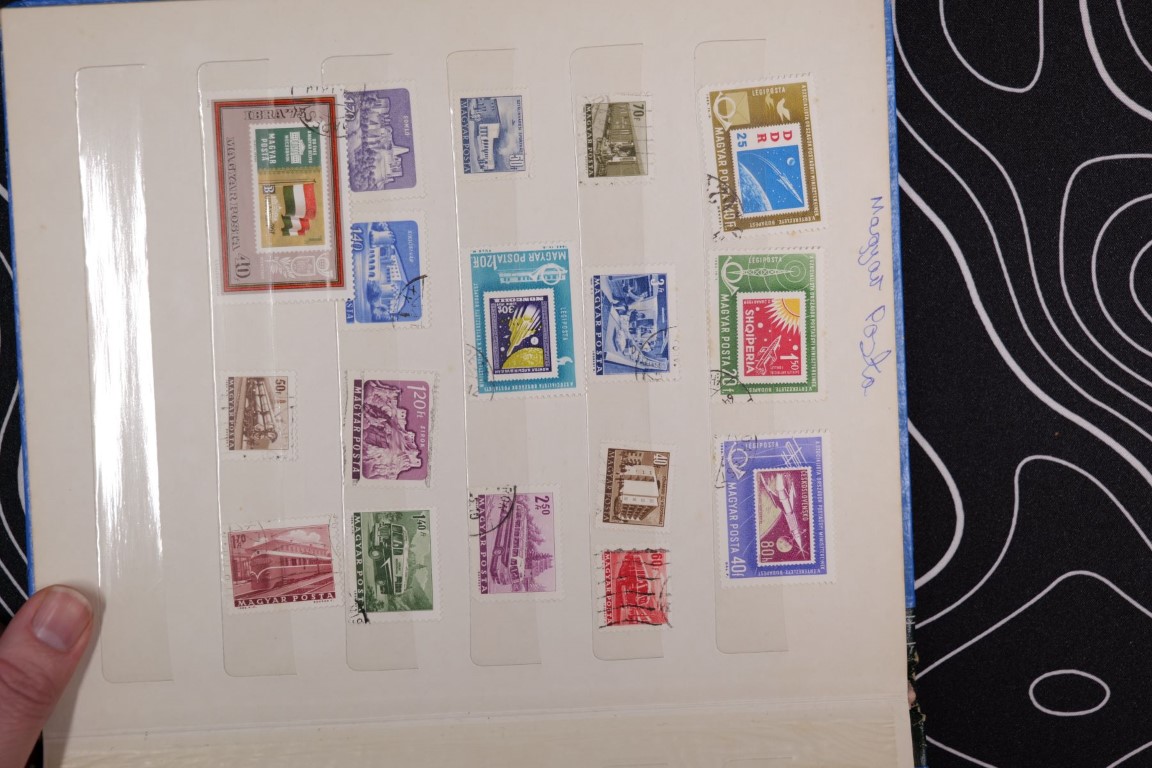
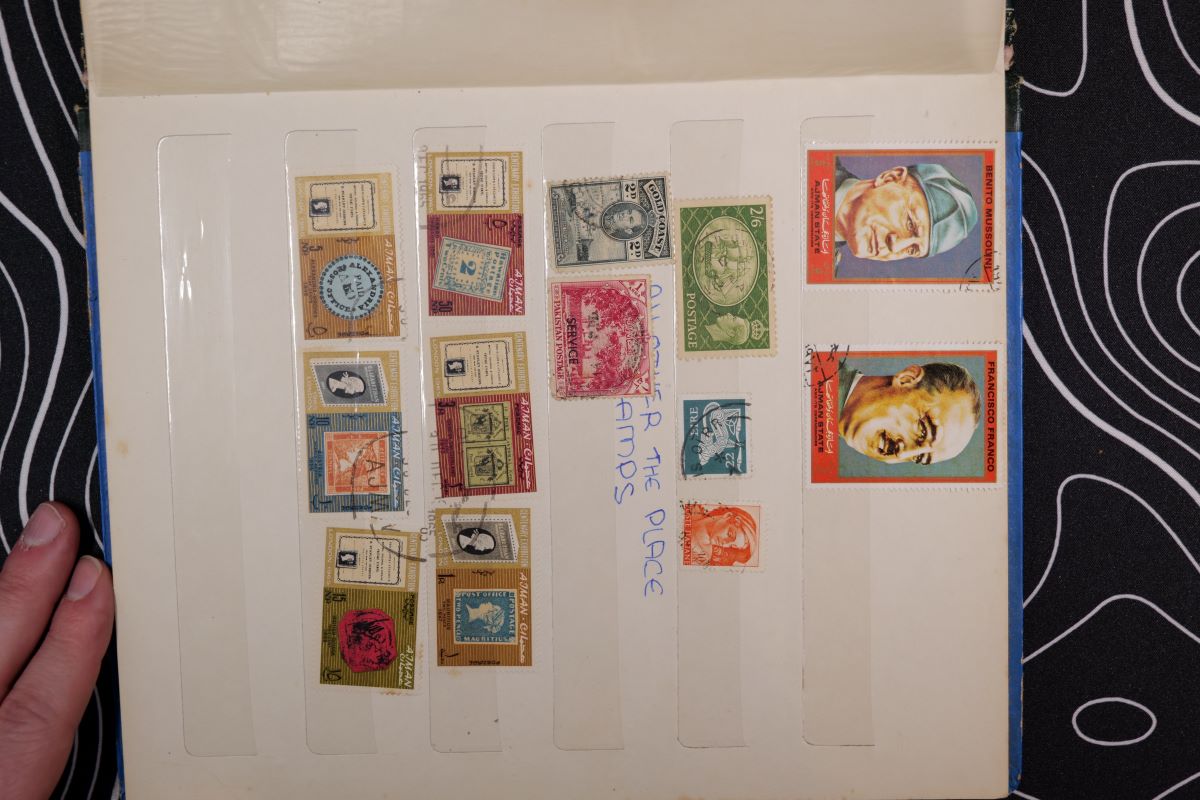
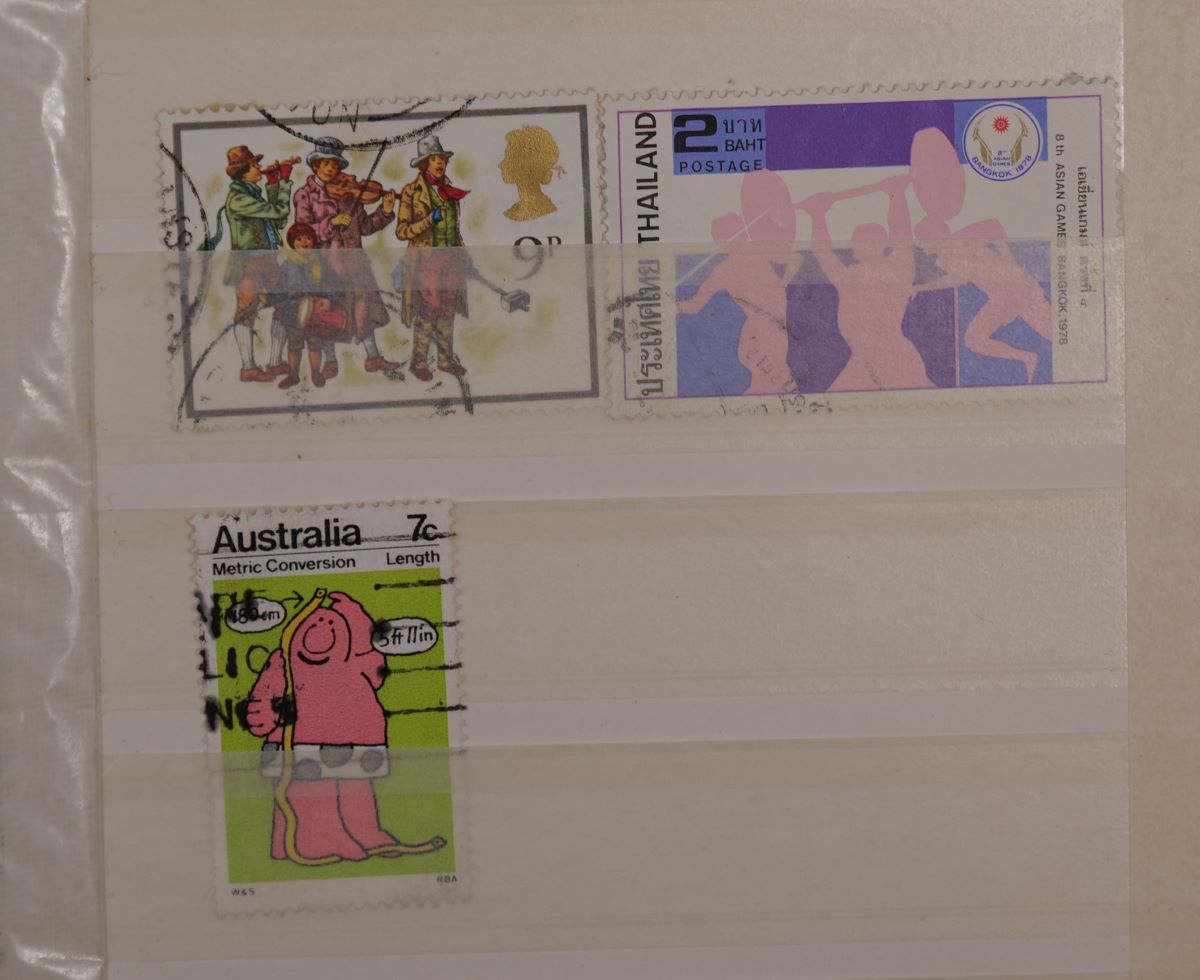
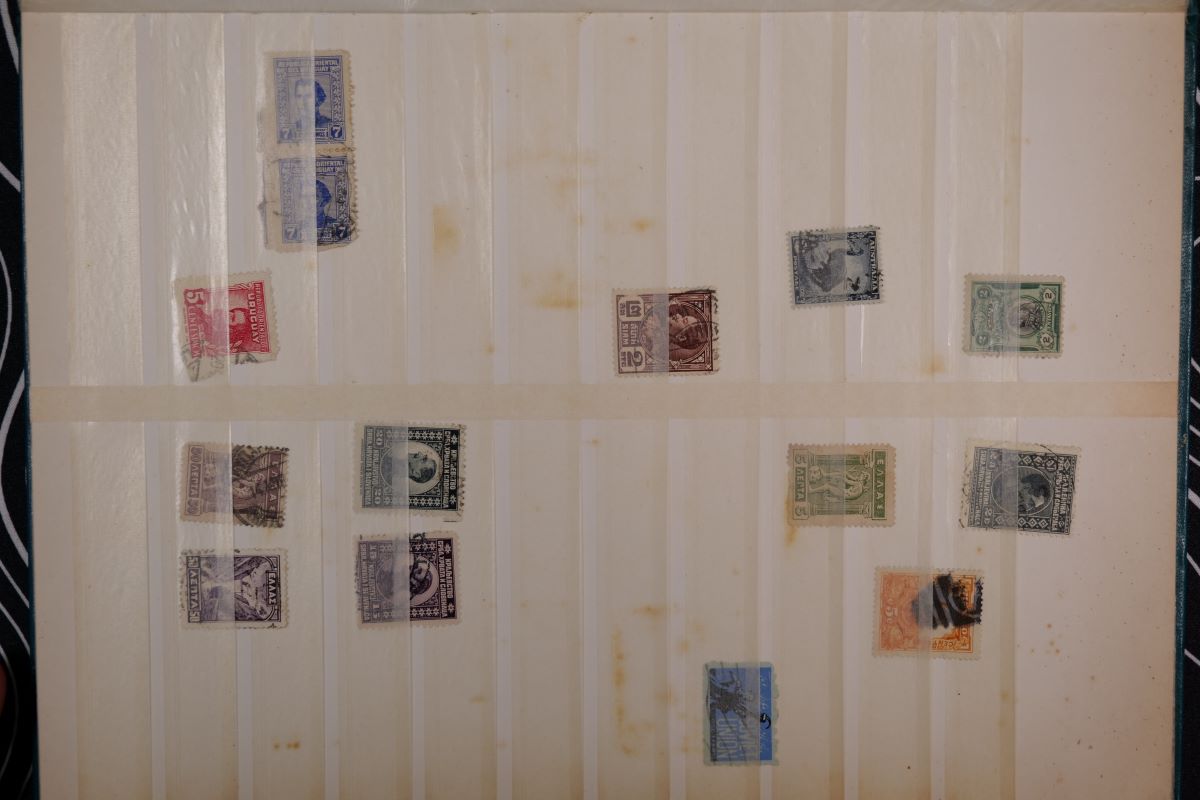
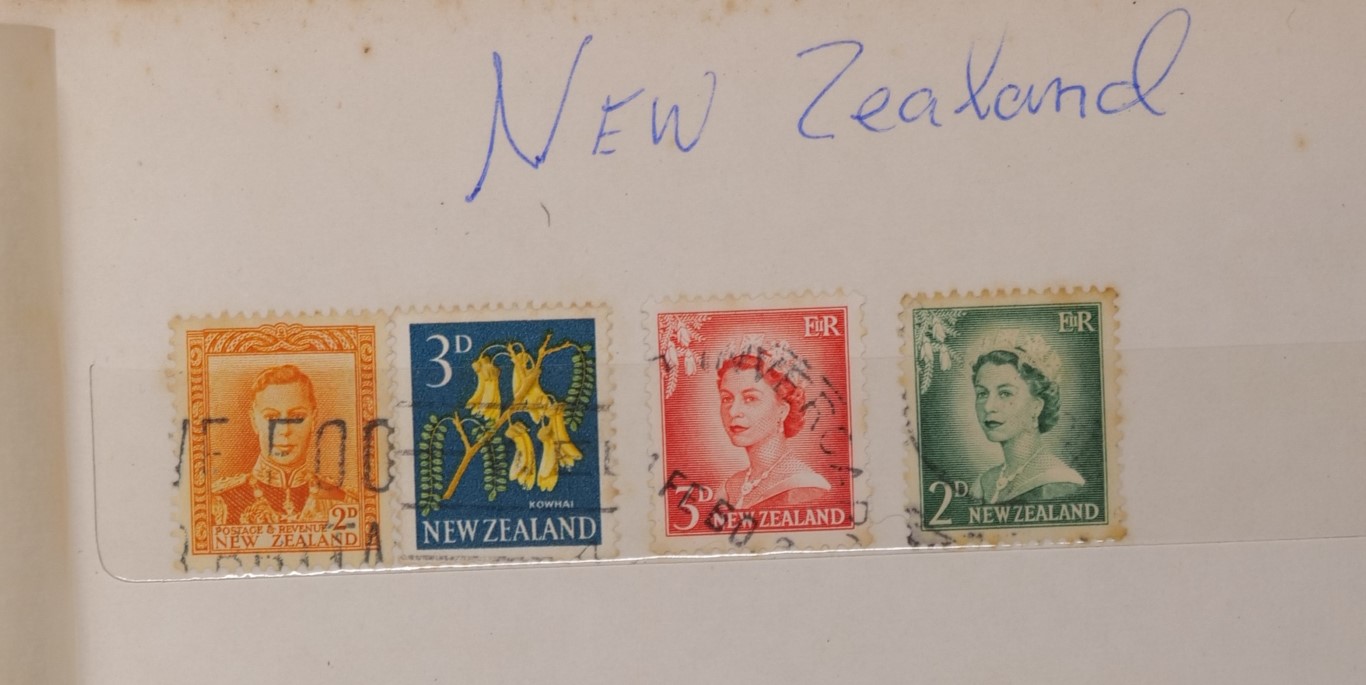
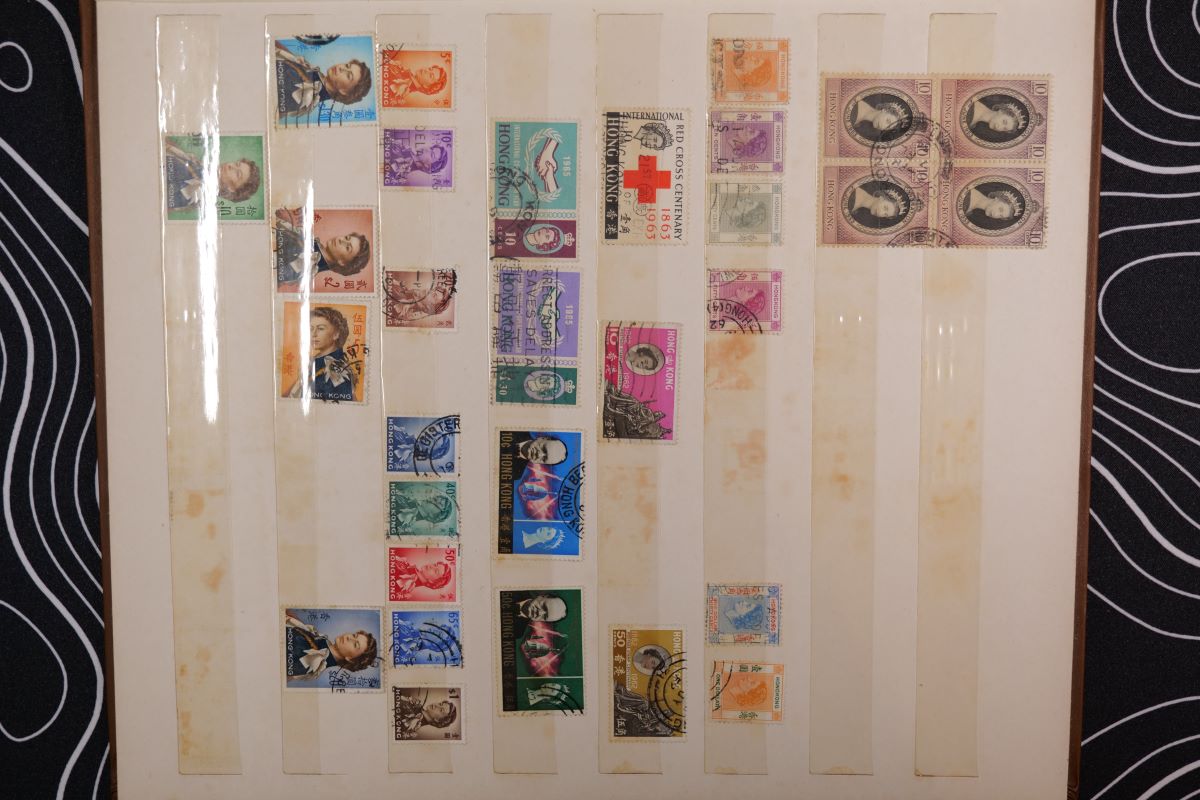
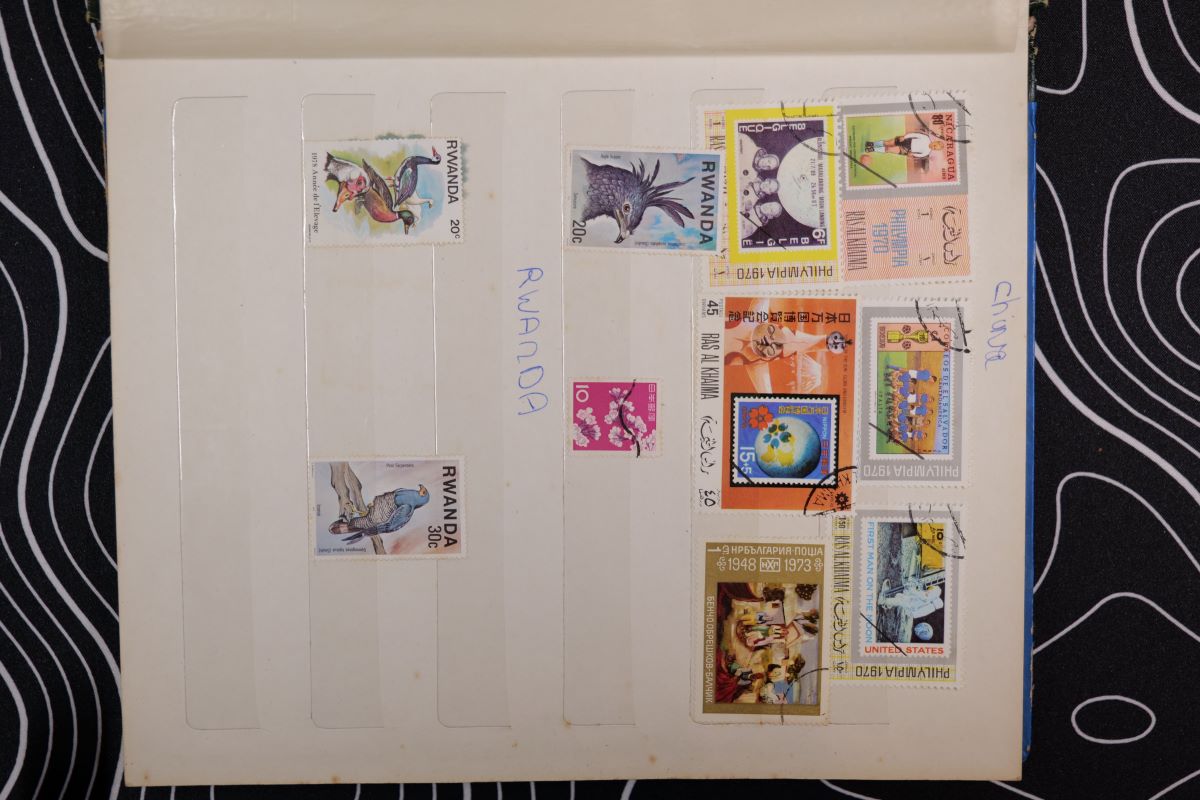
Here is a selection that at least look interesting to my untrained eye:
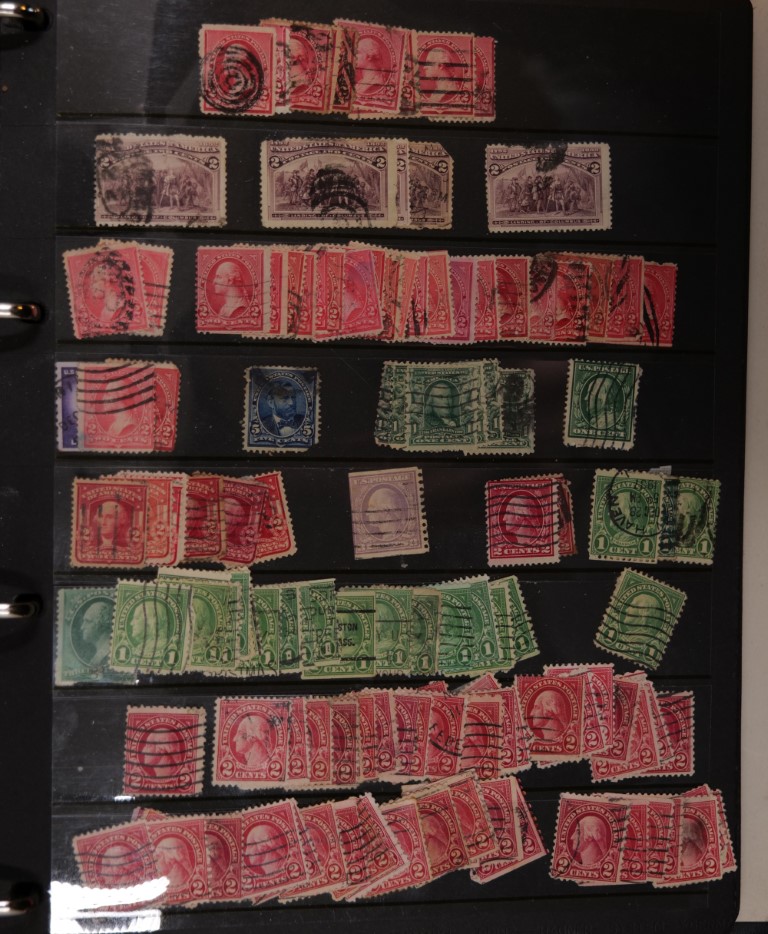
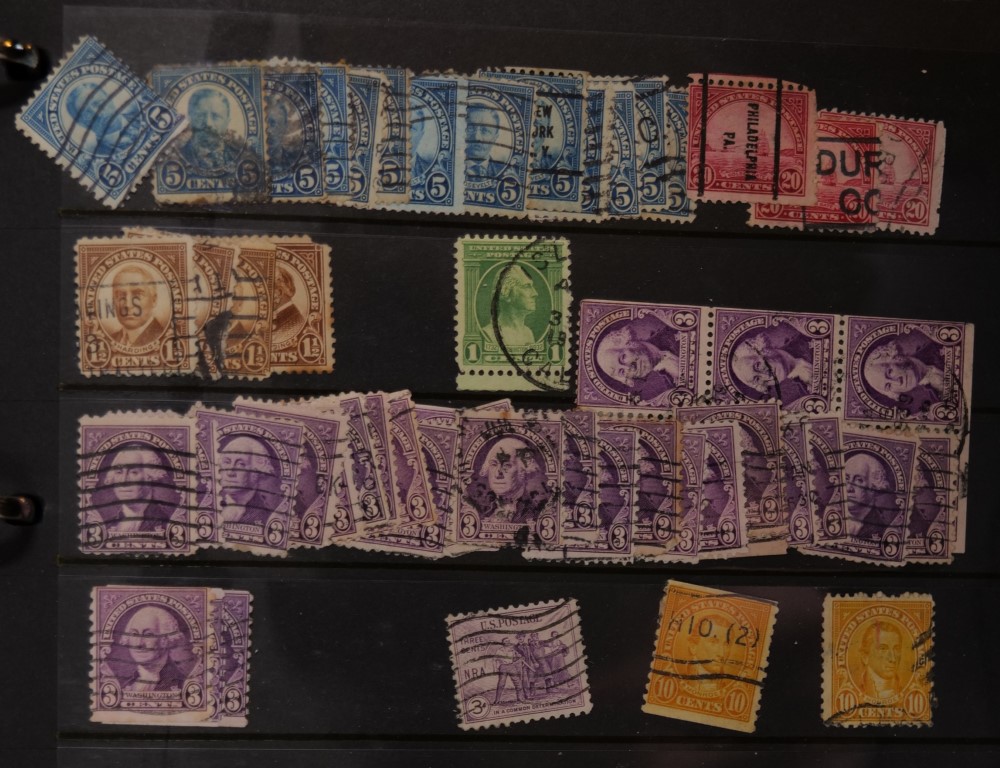
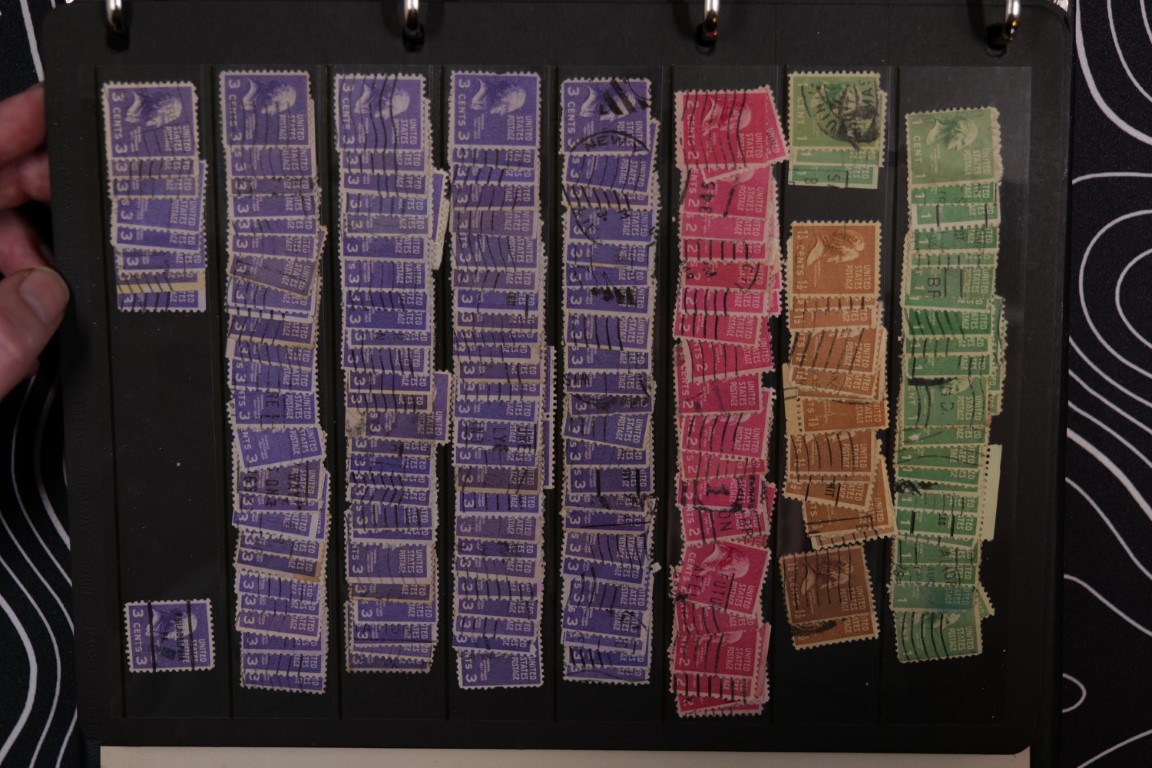
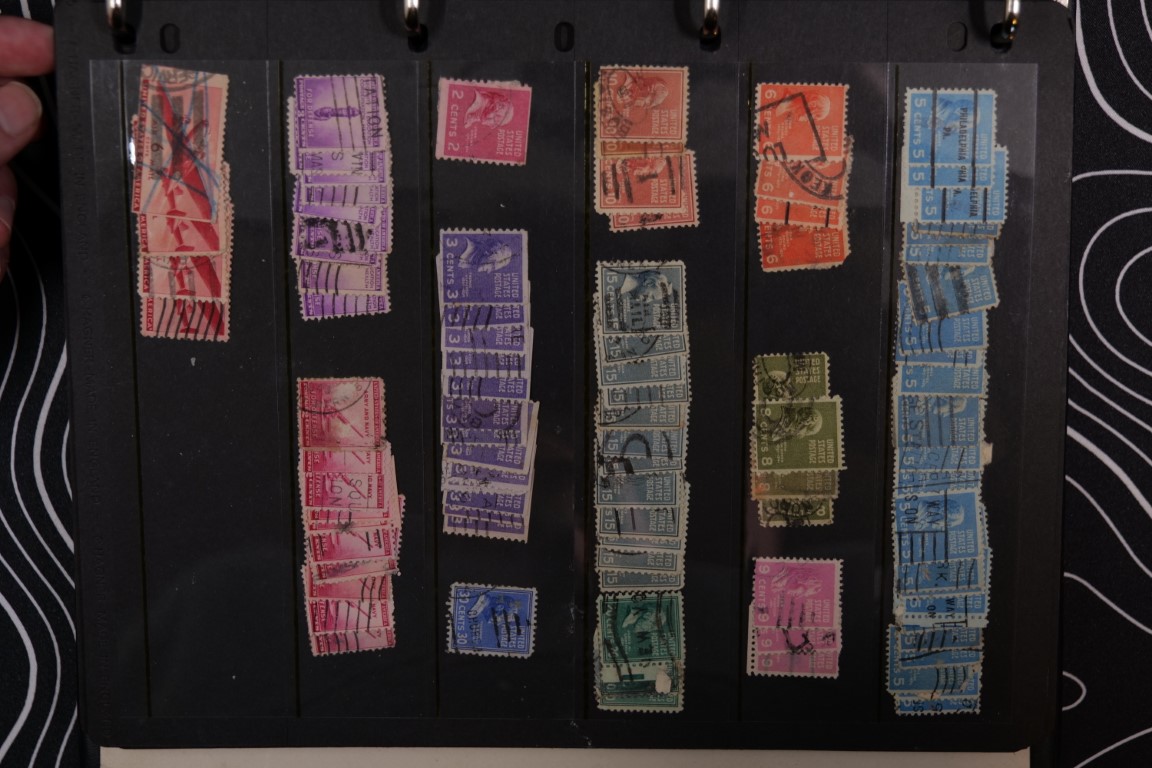
Here we also have a whole folder of US Stamps. I'm guessing due to the duplication there's nothing interesting here. Old though! (about as far as my knowledge goes! )
There's also a large selection of First Day Covers. Which from my research so far aren't particularly rare or interesting etc. But they do have some cool designs!
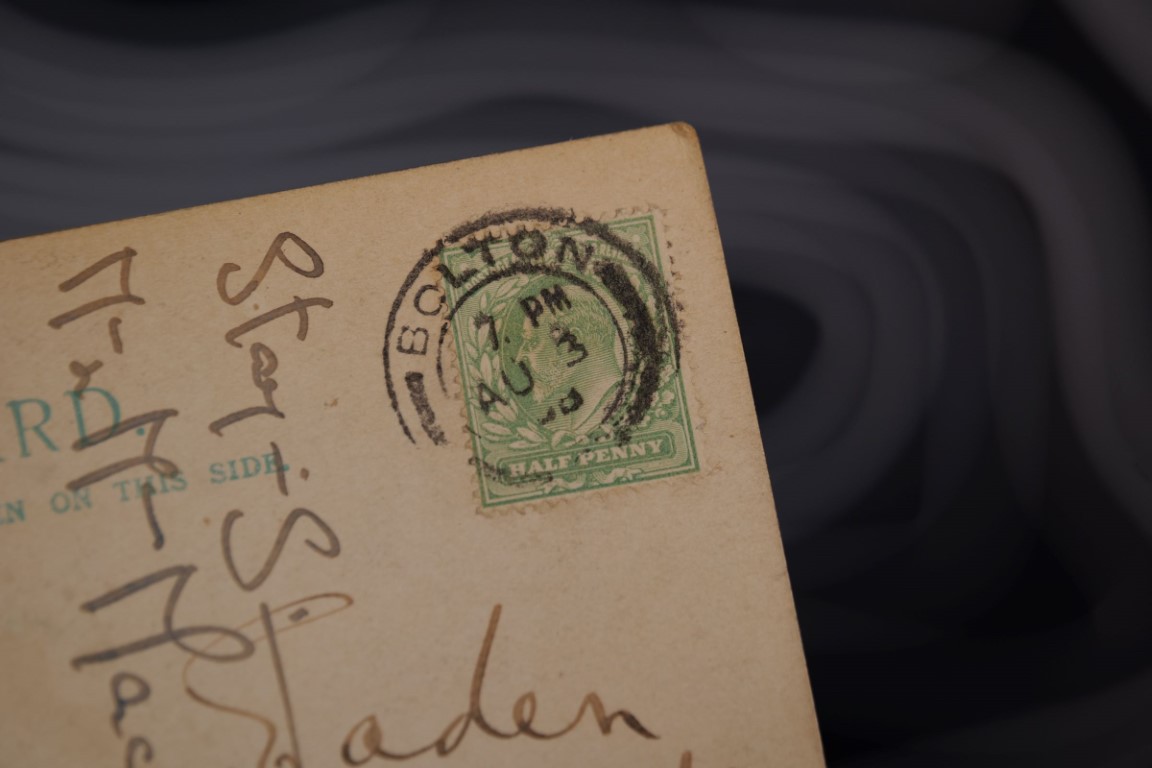
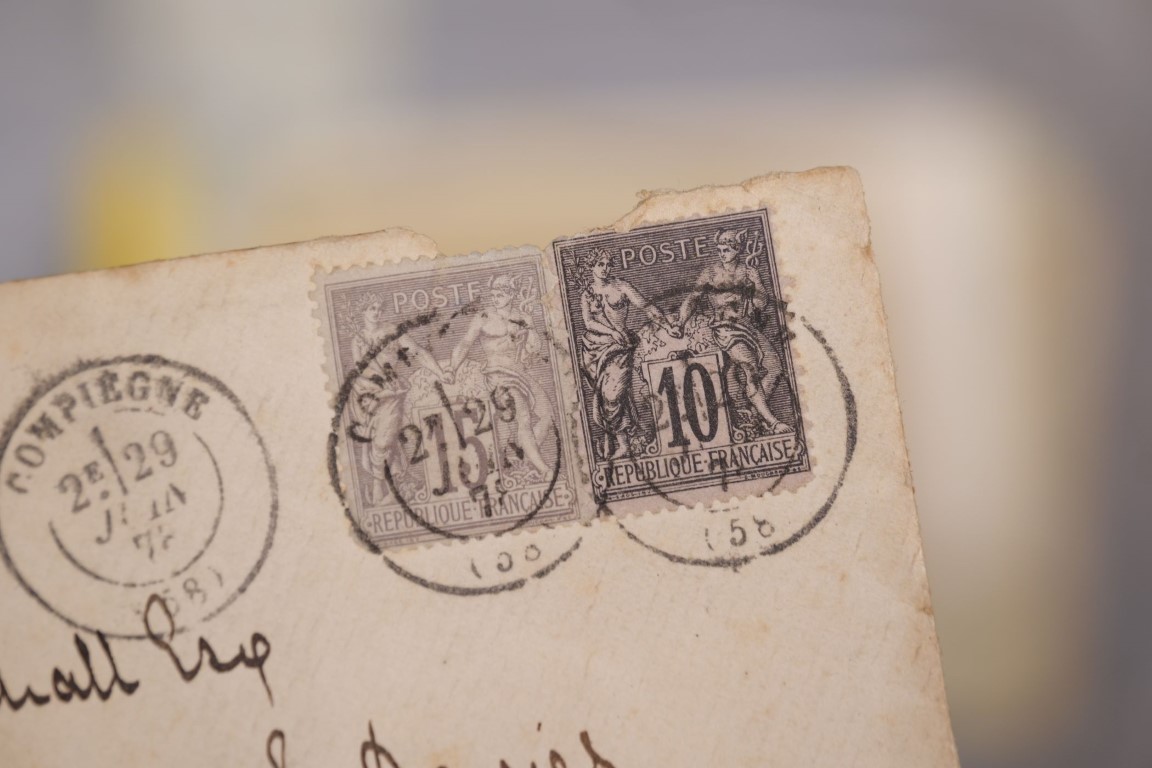
Plus loads of envelopes with stamps attached. Everyone from Malta, State of Qatar, Spain, Belgium, UAE, loads from Hong Kong. Mostly from the 70s/80s.
I'll continue taking more photos!
I'm also attempting to check many of the stamps on StampWorld but it feels like a needle in a haystack with literally zero knowledge on the subject. But I'll keep digging about.
The British stamps are called Mackennals (1912 - 1936). There is one Queen Victoria stamp there. The Mackennals have a few watermarks. Some have a solid background behing George V's head. Those are from 1934 - 1936. The others have lines in the background.
If you look closely, most show the King from aside. A few of the green stamps at the top show a little more of his face. Those are from 1911-1912 and are known as 'Downey Heads.' Again, there are watermark differences. Unless you have an unlikely combination, the stamps have very limited financial value.
The second page are mailnly King Edward VIII, and a few King George VI. There are one or two with an overprint for use at British Postal Agencies abroad (like Morocco). There is even less financial value there.
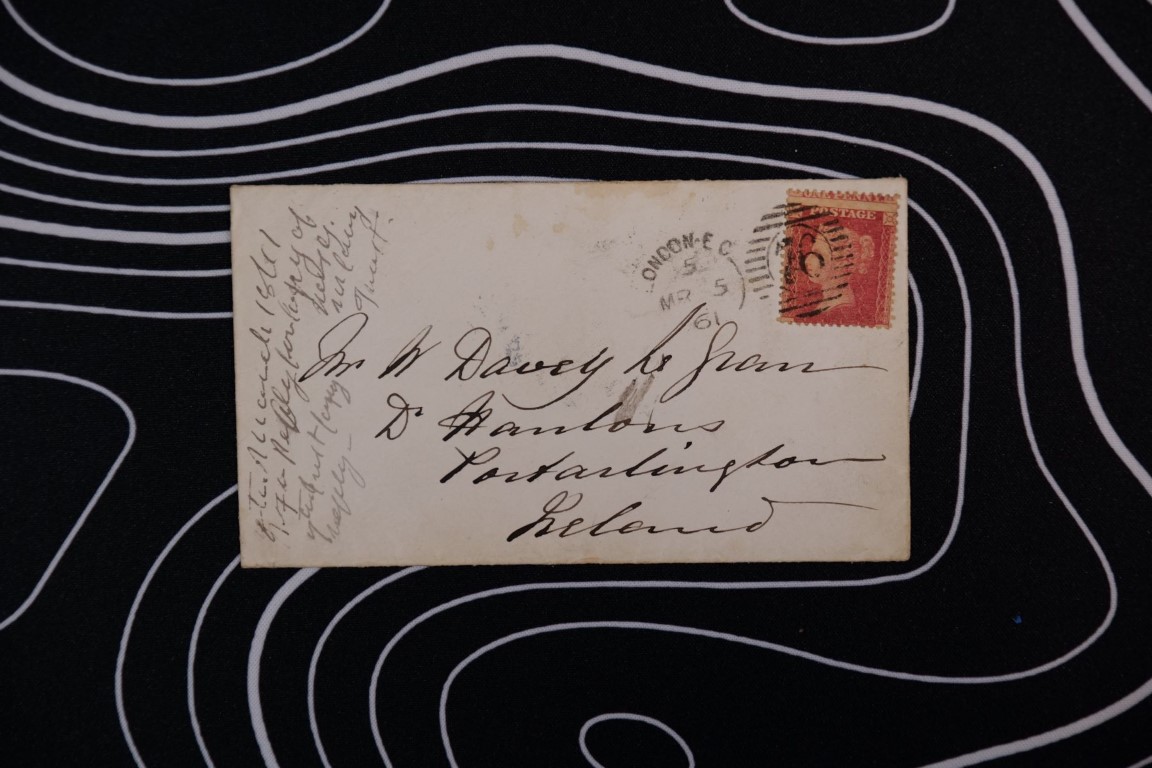
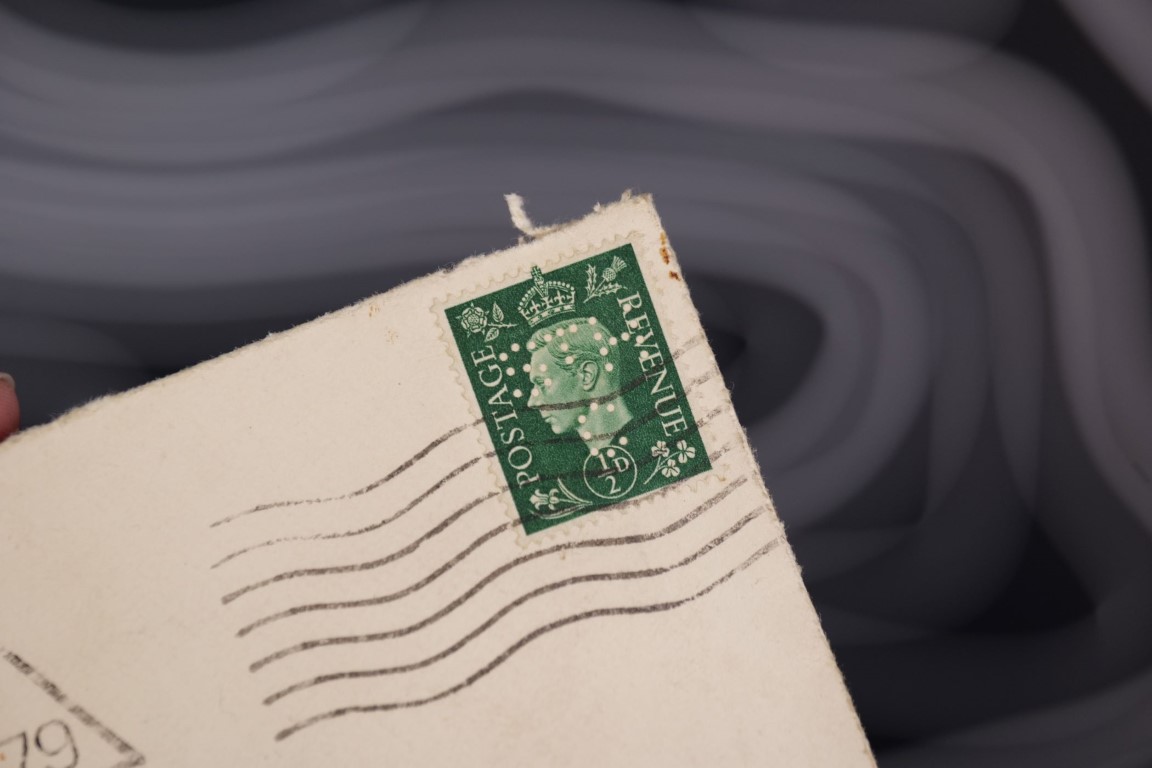
The covers are nice with a nice Penny Red from the 1850s or 1860s. There is one with a very neat London Duplex cancel, and one with a security measure called perfins (perforated initials). Again, unless you have an unlikely variety, they are interesting but not of much financial value.
If the green and red stamps in the first picture have the watermark of a crown and a script-type "GvR", you have a good stamp. Also, if the "GvR" reads upside down, it would be interesting. But that requires a closer look.
The 1970s and 1980s stamps from the countries you mention have very little monetary value.
Ohh thank you NSK! That's all interesting stuff. I'll check those stamps for the Watermark/GVR markings.
I figured as much with the 70/80s stamps. From my very basic research/understanding, anything post 1950 is pretty common and with limited value/interest?
The Covers (thank you for that too! Didn't know what they were called!) are the most interesting from my stand point as most contain the original letters too. One of which is a letter to parents of Cowley School dated 1939 advising that the boys will need to attend School to help the Headmaster filling and placing sandbags and that they should bring their gas masks. Not relevant to the stamps, but provides much more of a backstory.
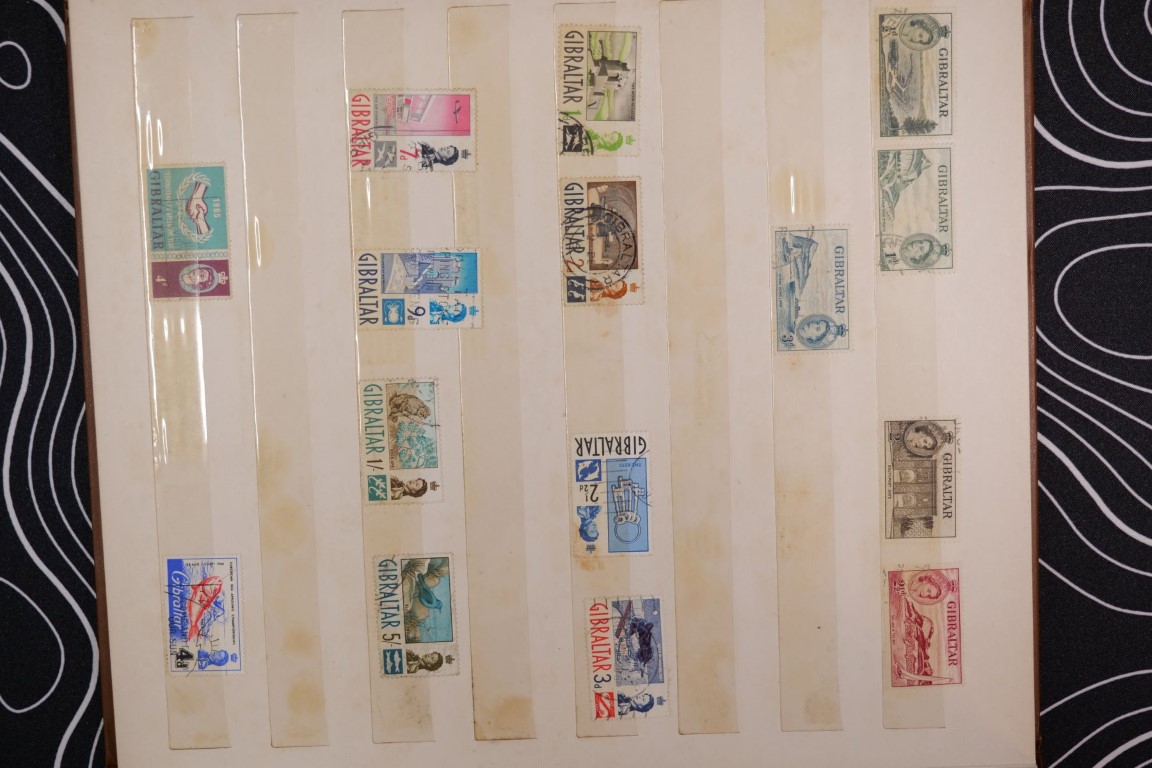
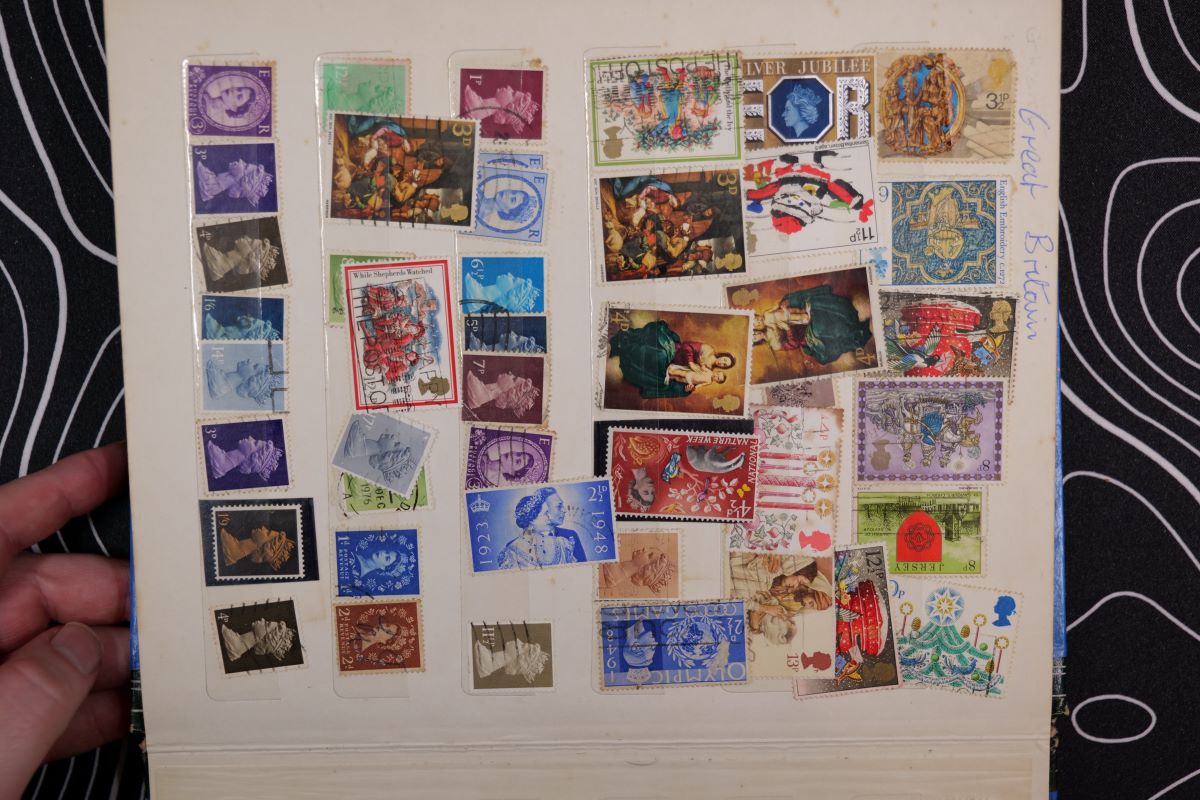
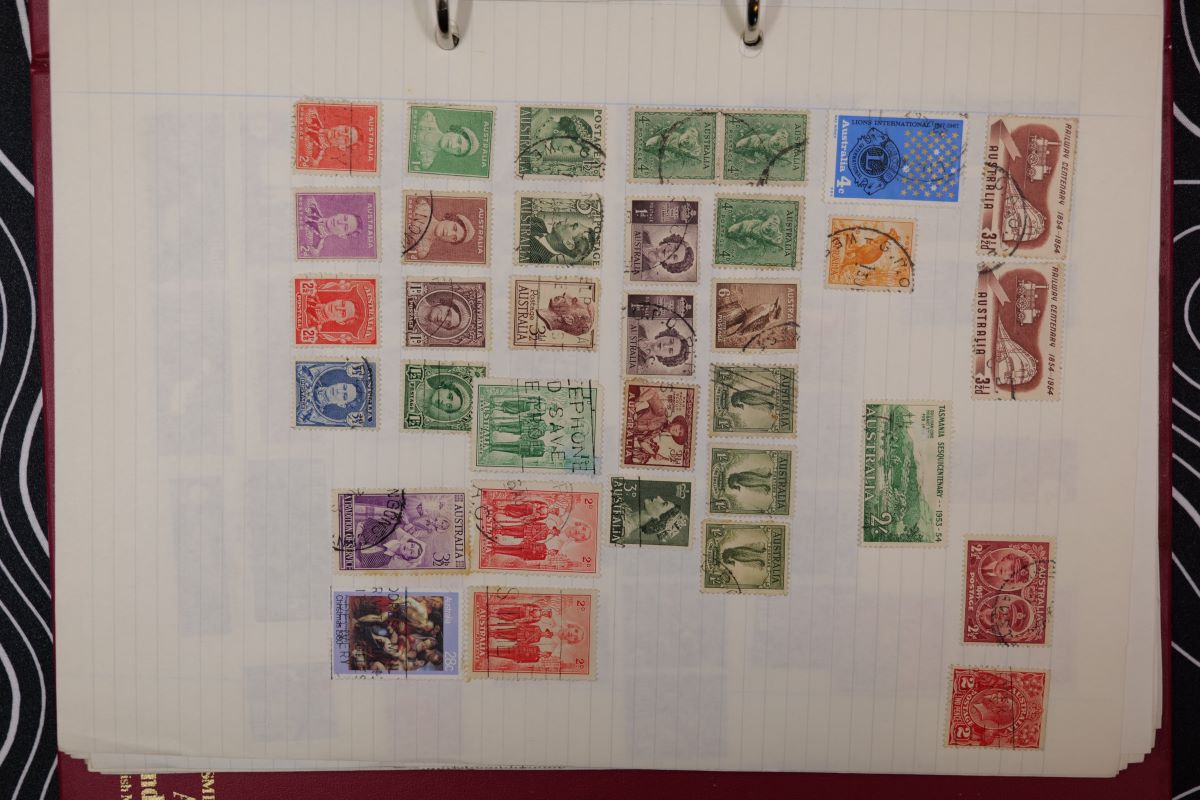
Also please note, I've added a few additional images to the original post.
For that added page with mostly stamps of Queen Elizabeth, there are stamps called 'Wildings,' with a frame, and Machins, only the Queen's effigy. The Wildings have three watermarks, can have phosphor bars on the front (hold the stamps at an angle against the light and you may see bars, usually on the sides, but the 2 1/2 d, and 3d also can have a single bar centre, or even on one side. They also come with black lines on the back, or a combination of the two, A very few have some value, but used, little would remain.
The 'Machins' have many variations that are too complicated to mention. The truly expensive one is a predecimal one with a certain gum. Used, you cannot tell the gum, so it does not exist.
The stamps look like they, mainly, were affixed on normal mail items. Such stamps will be common.
The American stamps you have in large multiples. If you have so many of them, you can bet there are very many of them around. So, those willbe very common. But maybe one of the US collectors sees something interesting.
Yes, all the USA stamps that I see there are very common. For example the brown two-cent Columbian Exposition stamps in the second row are from 1893, yet had about 1.5 billion printed, according to the Scott's Catalog. All of the others are similarly common. Just like the British stamps that NSK pointed out, there are some uncommon varieties and errors possible here, but they are just that, uncommon. Most stamp dealers don't spend the time to hunt through collections like this and hope to find a treasure.
One thing I am concerned about is the brown stains around the stamps on some of the pages. That is a sign of poor storage, in high humidity, water damage, or a garage or attic or something. I can't tell if the stamps are affected or if that was an old re-used stock book, but if the edges and backs of the stamps are similarly brown, then those stamps may be less than worthless. That may be foxing or mold or something that can possibly spread to other stamps so those should be separated from the clean stamps and/or tossed.
Disclaimer: While a tremendous amount of effort goes into ensuring the accuracy of the information contained in this site, Stamp Community assumes no liability for errors. Copyright 2005 - 2026 Stamp Community Family - All rights reserved worldwide. Use of any images or content on this website without prior written permission of Stamp Community or the original lender is strictly prohibited. Privacy Policy / Terms of UseAdvertise Here





 Posted 01/17/2024 10:16 am


 )
)