Stamp Community Family of Web Sites
Thousands of stamps, consistently graded, competitively priced and hundreds of in-depth blog posts to read


Stamp Community Forum
 
Username:
Password:
Save Password
Forgot your Password?

This page may contain links that result in small commissions to keep this free site up and running.

Welcome Guest! Registering and/or logging in will remove the anchor (bottom) ads. It's Free!

Question About Stamps From Chile

Next Page    
 
To participate in the forum you must log in or register.
Author Previous TopicReplies: 28 / Views: 1,820Next Topic
Page: of 2
Pillar Of The Community
Canada
641 Posts
Posted 01/15/2025   6:56 pm  Show Profile Bookmark this topic Add Captain Stamp to your friends list Get a Link to this Message
Hello everyone !
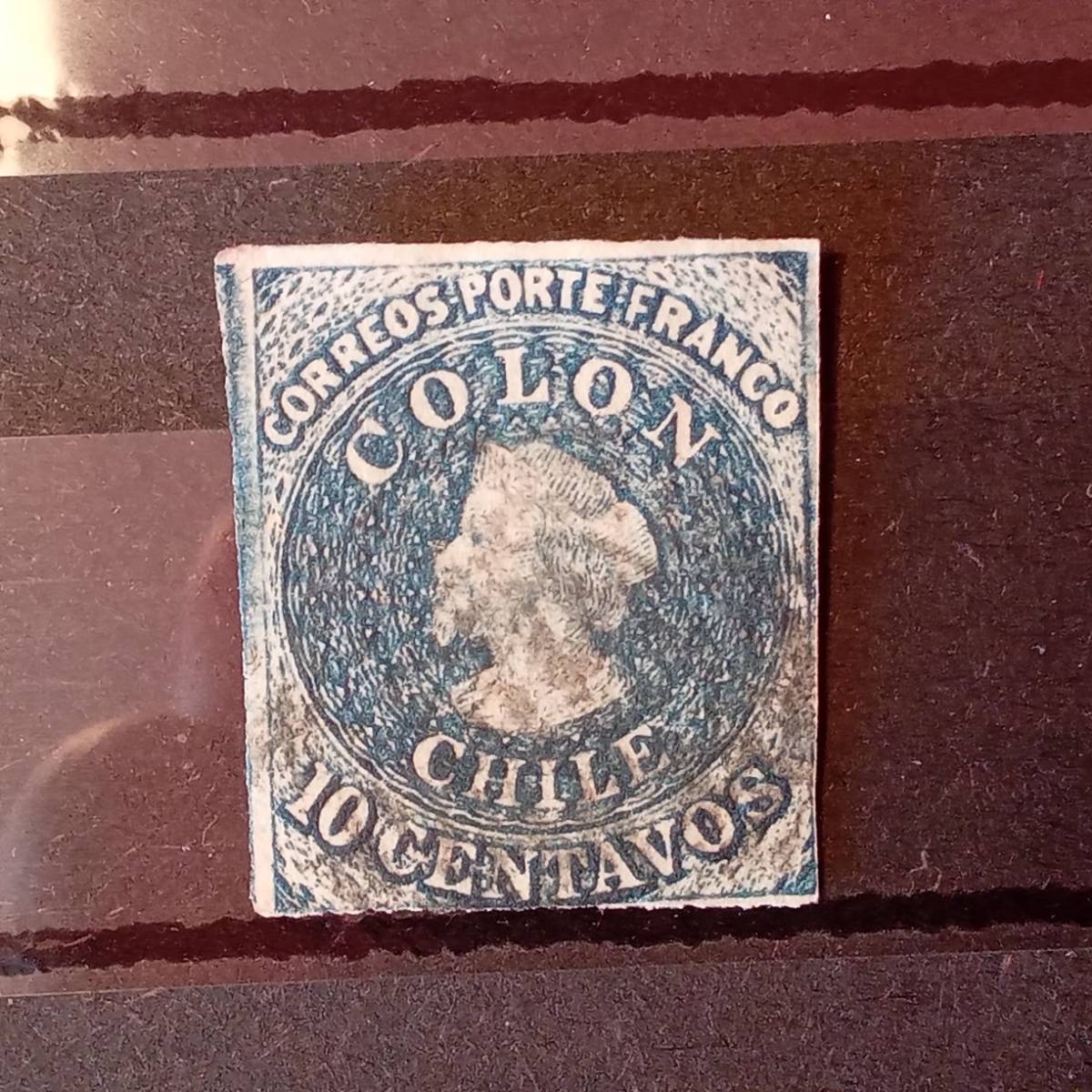
I have a question about the blue 10 centavos stamps from 1854 and 1856. The first issue is from a fine and clear impression. And the second one is from a worn and blurred impression.

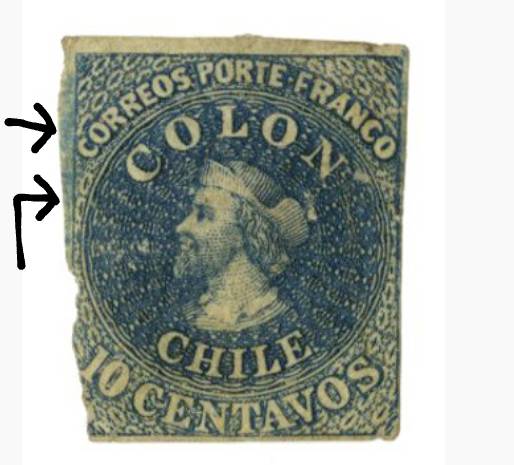
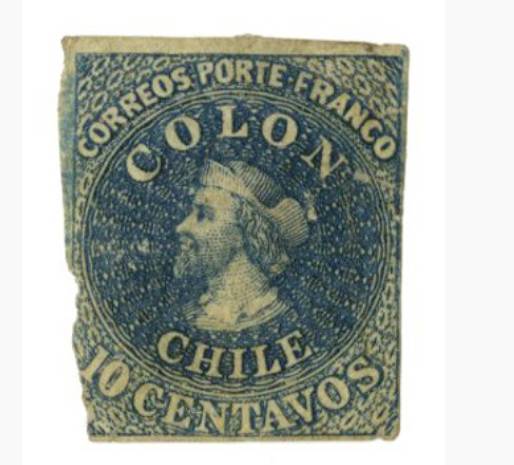
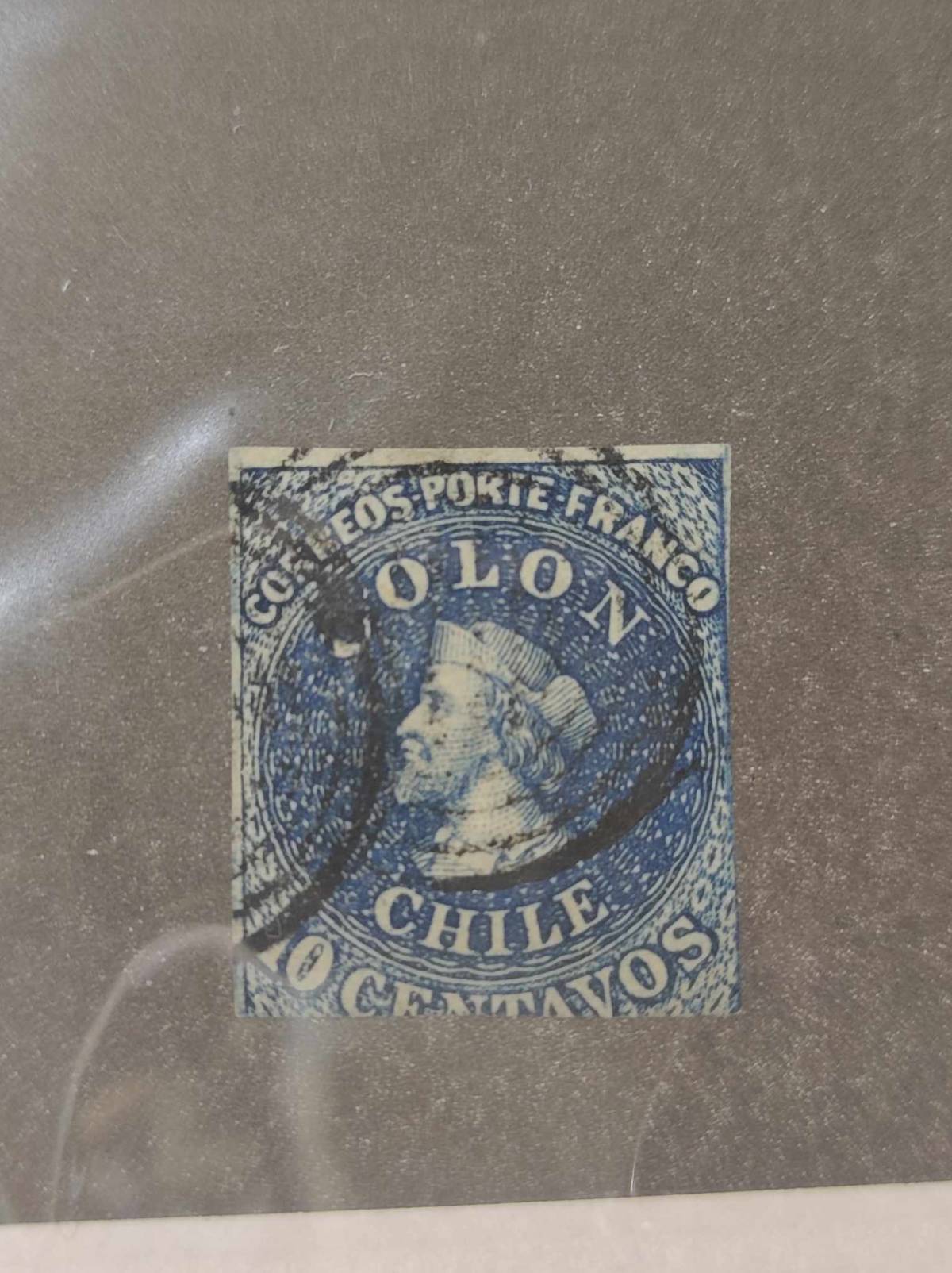
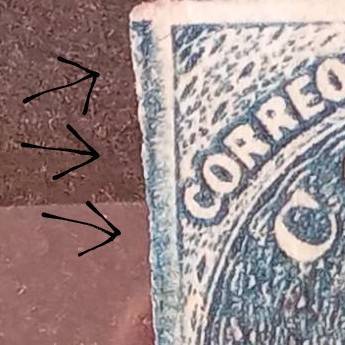
I saw some examples from the worn and blurred printing, and there's blue overflowing of the image because of the bad printing quality. But I also saw some examples of the fine and clear impression that the blue is overflowing too ! The question is why ? If it's from a fine and clear impression, which is from a good quality printing, why would there be blue overflowing ?

And also, tell me if it's necessary to see images to answer my question. Thanks,

CS
Send note to Staff

Pillar Of The Community
United States
7072 Posts
Posted 01/15/2025   8:05 pm  Show Profile Bookmark this reply Add Cjd to your friends list  Get a Link to this Reply
I'd want to see pictures of what you're questioning, to be sure we know what you're referring to, and to make sure we're talking about genuine issues, and not forgeries.
Send note to Staff  Go to Top of Page
Bedrock Of The Community
12554 Posts
Posted 01/15/2025   8:05 pm  Show Profile Bookmark this reply Add rogdcam to your friends list  Get a Link to this Reply

Quote:
there's blue overflowing of the image


Quote:
But I also saw some examples of the fine and clear impression that the blue is overflowing too !


What do you mean?
Send note to Staff  Go to Top of Page
Pillar Of The Community
Canada
641 Posts
Posted 01/15/2025   8:22 pm  Show Profile Bookmark this reply Add Captain Stamp to your friends list  Get a Link to this Reply
Rodgcam, I talk about this :


Cjd, here is an example identified as #5, but there's overflowing blue and the printing quality is good, so this stamp looks like having both criteria of good and bad quality printing :


One identified as #5a but haves blue overflowing :


And one identified as #10 which haves a bad quality printing :

Send note to Staff  Go to Top of Page
Edited by Captain Stamp - 01/15/2025 8:23 pm
Bedrock Of The Community
12554 Posts
Posted 01/15/2025   9:24 pm  Show Profile Bookmark this reply Add rogdcam to your friends list  Get a Link to this Reply
Your confusing plate state with printing process issues.

This and other of your posts tell me that you are jumping over many steps in the learning process and would benefit from a thorough understanding of the fundamentals of philately prior to getting into plate states and other more advanced topics. You are not alone in this. Find yourself some good books on the basics first. My advice, take it or leave it.
Send note to Staff  Go to Top of Page
Pillar Of The Community
Canada
641 Posts
Posted 01/15/2025   10:05 pm  Show Profile Bookmark this reply Add Captain Stamp to your friends list  Get a Link to this Reply
I don't have a lot of experience about some subjects in philately, but not about all of them at all. I mean, there's some subjects in philately that I don't know a lot about but I'm not a newbie about pre 1880's stamps informations.

My priority is to learn about pre 1880s stamps, different varieties, and different early issues of countries. So I think that this question is pretty useful for me. I know how to use a perforation gauge, a catalogue, I know where to inform me about values, a little bit how to spot forgeries, different cancellations of different countries, how to determine the condition of a stamp, and a lot of different things about pre 1880s stamps.

I know that there's still a lot of things to learn, but don't worry, I'll learn a lot with time and effort. The informing step is not finished, and it's never finished, for a philatelist.

And if I see that I need to inform me more about really important things, I'll know. I know what I should learn more and improve. And don't forget, I'm not a 30 years of experience collector.

Send note to Staff  Go to Top of Page
Edited by Captain Stamp - 01/15/2025 10:07 pm
Bedrock Of The Community
12554 Posts
Posted 01/15/2025   10:17 pm  Show Profile Bookmark this reply Add rogdcam to your friends list  Get a Link to this Reply
One thing that is passed over a lot is the production process. Understanding how stamps were produced is important. Paper, layout, engraving, different printing processes, plate preparation, inks and how inks were used etc. are all key to understanding what you are looking at when you look at a stamp. Then when you look at a variety you know more about how it came about.
Send note to Staff  Go to Top of Page
Pillar Of The Community
Canada
641 Posts
Posted 01/15/2025   10:22 pm  Show Profile Bookmark this reply Add Captain Stamp to your friends list  Get a Link to this Reply
Yes, i'm agree. I'm also learning about different paper varieties and similar subjects. I now know how to spot granite paper, laid paper, and some others. That's a beginning.

But let's come back to the plates. I would really be interested about learning this.
Send note to Staff  Go to Top of Page
Edited by Captain Stamp - 01/15/2025 10:30 pm
Bedrock Of The Community
12554 Posts
Posted 01/16/2025   12:16 am  Show Profile Bookmark this reply Add rogdcam to your friends list  Get a Link to this Reply
Your not listening to what I am saying. What do you know about plate wiping, what rust on a plate might look like etc.? What do you think caused the blue areas? What have you done to research this?
Send note to Staff  Go to Top of Page
Pillar Of The Community
Canada
641 Posts
Posted 01/16/2025   12:25 am  Show Profile Bookmark this reply Add Captain Stamp to your friends list  Get a Link to this Reply
Ok. Is Google a good place to search it, or not ?
Send note to Staff  Go to Top of Page
Pillar Of The Community
Australia
3282 Posts
Posted 01/16/2025   12:59 am  Show Profile Bookmark this reply Add Bobby De La Rue to your friends list  Get a Link to this Reply
Google may give you an overview of sorts, but specialised literature is what you'll need.

You gotta walk before you can fly!

I do admire your enthusiasm though CS
Send note to Staff  Go to Top of Page
Pillar Of The Community
United Kingdom
8579 Posts
Posted 01/16/2025   01:14 am  Show Profile Check GeoffHa's eBay Listings Bookmark this reply Add GeoffHa to your friends list  Get a Link to this Reply
You've jumped into one of the most complex areas of stamp-collecting, ridden with varieties (and forgeries), where good quality stamps can be expensive. It's up to you, but my suggestion would be that you stop spending money on individual stamps, buy some cheap collections - whether worldwide or for specific countries - and gradually build up your knowledge. Another useful step would be to buy a basic book about stamp collecting, including the printing processes and terms that others have referred to. At present, you seem to be spending too much on stamps in inferior condition, without understanding the market or the intricacies of the stamps themselves.
Send note to Staff  Go to Top of Page
Pillar Of The Community
Canada
641 Posts
Posted 01/16/2025   03:44 am  Show Profile Bookmark this reply Add Captain Stamp to your friends list  Get a Link to this Reply
Thanks Bobby de la rue ! Thanks for the advices, GeoffHa !
Send note to Staff  Go to Top of Page
Pillar Of The Community
Netherlands
6526 Posts
Posted 01/16/2025   04:58 am  Show Profile Bookmark this reply Add NSK to your friends list  Get a Link to this Reply
What people are trying to tell you, is that there are many reasons why you see this blue "overflow." These vary from ink running during soaking, chemical reactions, chemical alterations, wear or imperfections of the printing plate to the printer not wiping the excess ink from the plate before printing the stamps.

Not all possibilities occur with all printing techniques, and as technology improves, they may no longer occur or start to occur.
Send note to Staff  Go to Top of Page
Pillar Of The Community
France, Metropolitan
3744 Posts
Posted 01/16/2025   09:14 am  Show Profile Bookmark this reply Add perf12 to your friends list  Get a Link to this Reply
The OP already posted about this some weeksc ago...same thing
https://goscf.com/t/88468
Send note to Staff  Go to Top of Page
Pillar Of The Community
1918 Posts
Posted 01/16/2025   12:47 pm  Show Profile Bookmark this reply Add jorgesurcl to your friends list  Get a Link to this Reply


The dates are those when stamps were put into circulation.

July 1853
Printed in London by Perkins, Bacon & Co. Ltd.
200.160 stamps (834 sheets) were sent to Chile along with the plate and watermarked paper. The watermark is a number 10 (11x8 mm).
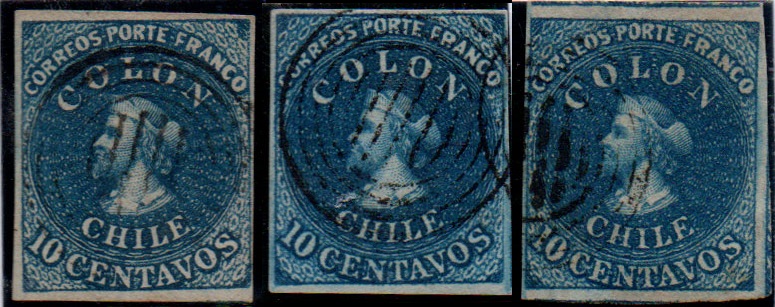
The use of thick ink makes the printing looks with excess ink, specially on the edges of the letters "Correos Porte Franco" (the letters remain sunk like footprints in the mud). Color is dark blue.

September 1854
Printed in Santiago-Chile with the plate and paper received from London. Printer: Narciso Desmadryl.
Total: 239.040 (996 sheets). Most of the stamps have a blue color lighter than stamps of 1853.
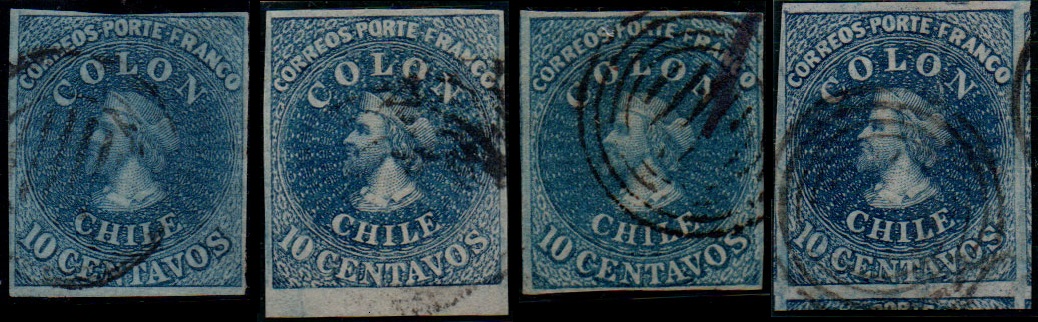
Sharp print with fine detail (guilloche background, shading dots on the nose of Columbus). Well-defined letters that appear wider and whiter (Correos Porte Franco).

June 1856 to December 1860
10 prints were made between those years. Same plate and paper as the previous ones. The first prints are of better quality, but the use of the plate already begins to wear out and the prints become increasingly dirty, blurry and of poor quality.
These stamps were printed by the Post Office in a workshop that was set up in its main office in Santiago. Total printed 1.917.600
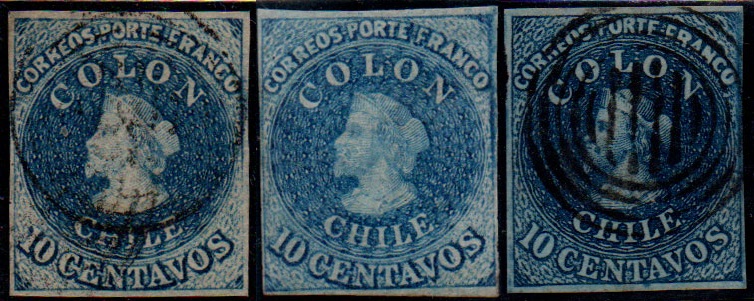
These stamps are called "Estancos" and are the ones with most color variations: dark blue, slate blue, light blue, indigo, greenish blue, etc.
Columbus head has more wear, details are lost and it looks more whitish.

October 1861
Printed in London by Perkins, Bacon & Co. Ltd. with new plate and new paper with watermark 10 a little larger (12x9 mm). Total: 3.000.000 stamps.
Most of them were obliterated with the postmark "Cancelled" although in some small cities the previous postmark (concentric circles) continued to be used.
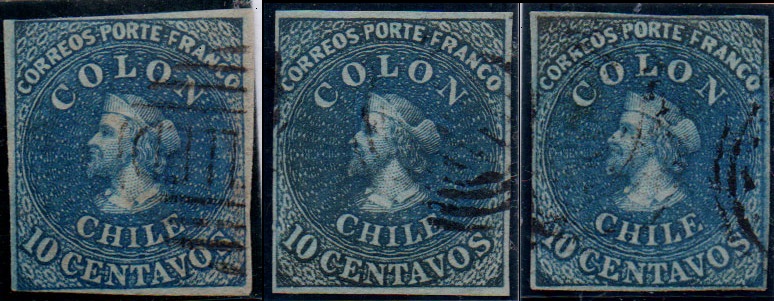
These stamps have a sharp and clean impression and the blue color is very stable and without major variations
Send note to Staff  Go to Top of Page
Page: of 2 Previous TopicReplies: 28 / Views: 1,820Next Topic  
Next Page
 
To participate in the forum you must log in or register.

Go to Top of Page

Disclaimer: While a tremendous amount of effort goes into ensuring the accuracy of the information contained in this site, Stamp Community assumes no liability for errors. Copyright 2005 - 2026 Stamp Community Family - All rights reserved worldwide. Use of any images or content on this website without prior written permission of Stamp Community or the original lender is strictly prohibited.
Privacy Policy / Terms of Use    Advertise Here
Stamp Community Forum © 2007 - 2026 Stamp Community Forums
It took 0.36 seconds to lick this stamp. Powered By: Snitz Forums 2000 Version 3.4.05