| Author |
 Replies: 13 / Views: 1,114 Replies: 13 / Views: 1,114 |
|
|
Valued Member
France, Metropolitan
68 Posts |
|
|
|
Hello everyone.
I have a huge amount of modern self adhesives Japanese stamps on paper. They soak very well in cold water.
Quite often, those who are with odd shappes (round stamps, etc.) tend to curl a lot. Nothing that a heavy book can't solve. But, when flatten, some cracks appears on the front.
Those cracks appears even when I flatten the stamps still damp.
My opinion is that the water soaking makes the ink shrink a little (hence the curl) and that it never recover its initial size.
Have you got an idea to prevent this ?
Thanks a lot
|
|
Send note to Staff
|
|
|
|
|
Valued Member
France, Metropolitan
68 Posts |
|
|
Well. I am answering myself…
Soaking with water has seems the best way for me as it doesn't expose your stamps (and lungs) to hazardous chemicals. It's so cheap that it's in fact a no cost operation.
I tried n-heptane on one of those stamps and the result was perfect. I happen to be a chemist and we produce tons and tons of heptan at work so there's no problem to get it.
But… as a chemist, I know it's an unsafe product. I have to do with kiloware of japanese stamps and I can't imagine using heptane for all of them.
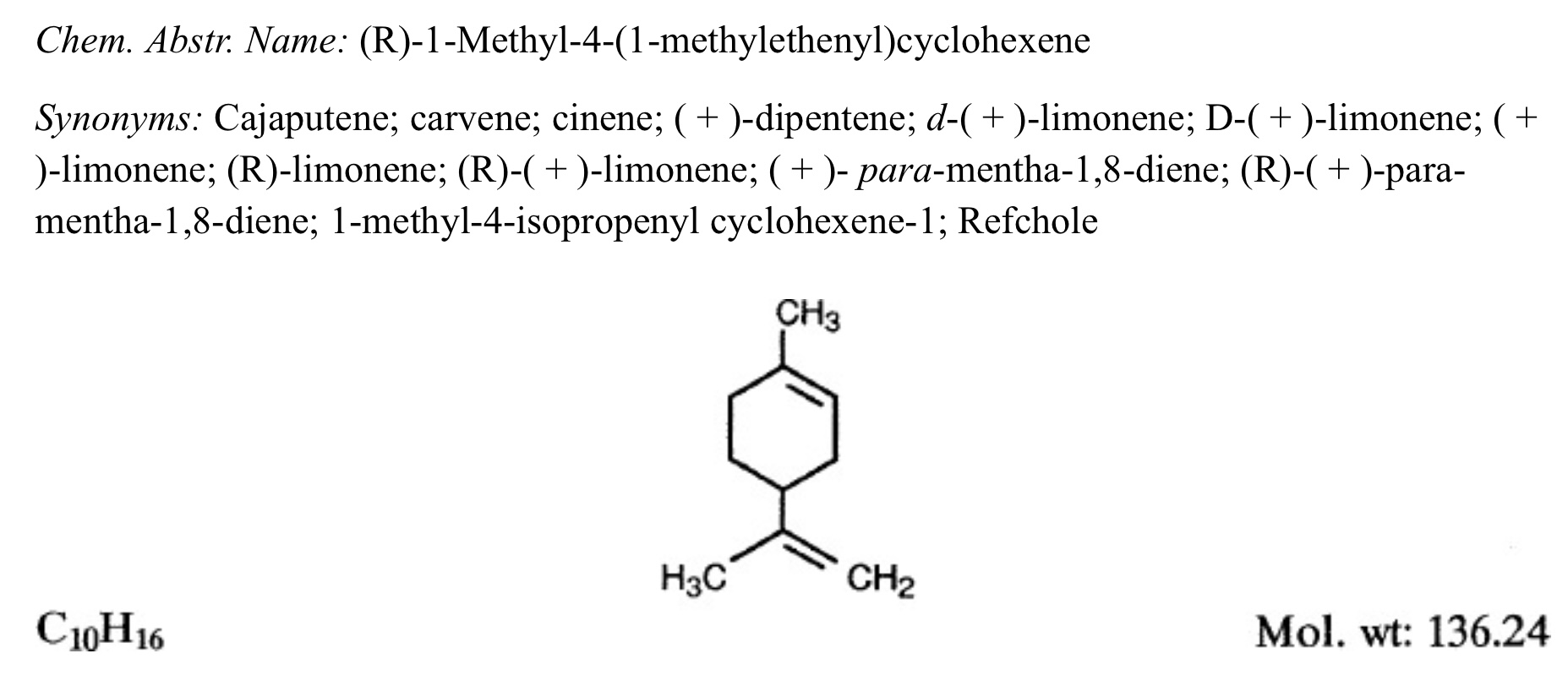
I also tried with limonene (pure citrus in the US). It's available but not as easily and not in spray here in France (I bought a liter for 20€). The product is safe for your health. The problem seems to be that it attacks the cancellation making it smudge.
It works too, I didn't' saw a problem with the cancellation wich was light.
The main issue with heptane and limonene is the remaining glue. I dislike the idea to scrap the back with some kind of plastic (old bank card…). It's time consuming, there is too much risk of damaging the stamp, etc.
So… here I am. What would you do ? Have you got another soaking idea ?
I have about 20 kilos of japanese stamps on paper to take care of and half of them are self adhesives… |
Send note to Staff 
|
|
|
Pillar Of The Community
United States
4458 Posts |
|
|
Quote:
My opinion is that the water soaking makes the ink shrink a little (hence the curl) and that it never recover its initial size. Backwards: Paper expands, ink does not. Ink cracks being spread over the now larger paper surface. Why soak? |
|
Send note to Staff
|
|
|
Pillar Of The Community
United States
796 Posts |
|
|
Cut them close and leave on paper. If your interest is in the cancel, include it. Current and future collectors will have to accept this as the norm for these. The risks of chemical exposure to both people and stamps is well documented. Oh and before anyone jumps on the talcum powder solution I am not in favor.
Edited it to fix grammar. |
|
Send note to Staff
|
| Edited by m and m - 06/14/2025 10:56 am |
|
|
Valued Member
France, Metropolitan
68 Posts |
|
|
Keeping your stamps on paper is your way of collecting. I respect that. |
|
Send note to Staff
|
|
|
Pillar Of The Community
United States
796 Posts |
|
|
You asked for suggestions and I offered an opinion. You're wrong in that thought about how I keep my collection. What I suggested was an option based on years of experience and previous comments from others on this forum. I have not owned any non revenue material (post 1898) in over 60 years. |
|
Send note to Staff
|
|
|
Pillar Of The Community
6363 Posts |
|
|
First, use the solvent which does the job, the n-heptane.
Second, soak only those stamps which are going into your collecttion and set the bulk of the kiloware aside unsoaked. |
|
Send note to Staff
|
|
|
Valued Member
United States
121 Posts |
|
|
I use limonene and in some cases if I leave it long enough some countries will peel off with zero gum remaining. Found that accidentally after forgetting a few for an hour or so. lol. For ones that gum remains I leave them to dry at least for 24 hours then carefully rub corn starch into the gum. The back will be silky smooth. If you do it too soon the corn starch will ball up. Takes very little and is safe to use. I have not had any issues with the gum reappearing or sticking to anything and I've been doing it for a long time. |
|
Send note to Staff
|
|
|
Valued Member
United States
121 Posts |
|
|
The limonene I use is food grade and labeled D-limonene. I get it from a lab in Florida. Don't know if the D makes it any different but I have had very little amount of trouble with cancellations smearing. Maybe 2 in the whole time. |
|
Send note to Staff
|
|
|
Pillar Of The Community
United States
4458 Posts |
|
|
Butchie, yes, the "D" matters to the molecule, chemists and those using the cleaner. As to normal folks the "D" version is the easier to obtain cleaning compound. The other version, I-limonene does not work as well. However both are naturally occurring and humans consume both in certain edible material. The I-limonene flavors caraway and dill. For you, UK or UK like readers, it give Earl Grey Tea its special flavor with bergamot. There is a third version called dipentene which is a 50-50 mixture (racemic mixture, DI-limonene) of the "D" and "I" molecules. Also naturally occurring It is not fit for consumption and better left in your turpentine. As a solvent cleaner, it works but is more dangerous to handle and should only be used in a lab. Inhaling it can easily lead to chemical induced pneumonia. As to those worried about smog air pollution, the naturally occurring dipentene is released by conifer trees in their turpines into the air which when you add sun light converts and produces smog. How much? Well in one study trying to limit smog pollution in a lake basin it was determined while automobiles contributed much smog, over half of the total smog was produced naturally from the trees.  |
|
Send note to Staff
|
|
|
Valued Member
United States
121 Posts |
|
|
Parcelpostguy. Thanks for that information. I'm not a chemist but it is interesting to read about how stuff works. So Silhat mentioned the limonene without the D. Is there a limonene without the D. Would that make a difference on how it works. He mentioned his smearing the postmark but I don't have that problem with the D version and I use it on every country. I know I tried the citrus based liquid I'd seen referenced on line that is sold in hobby stores & they didn't work well at all. |
|
Send note to Staff
|
|
|
Pillar Of The Community
United States
4458 Posts |
|
|
Moderator

United States
5107 Posts |
|
|
Valued Member
United States
121 Posts |
|
|
I have also made a device to use that works without applying the limonene directly to the cover material or stamp. I use a plastic storage container. I construct a screen wire insert that creates a shelf. Pour a little limonene in the bottom, insert the shelf and place the stamps on the shelf (I use face down) and put the cover on the container. Leave set overnight and peel the stamp next day. Single layer is best. Once you put another layer the fumes don't seem to penetrate enough.
With care I successfully remove stamps with those security tabs and slits intact. Scotch tape most of the time no problem if it hasn't already stained the stamp. |
|
Send note to Staff
|
|
| |
Replies: 13 / Views: 1,114 |
|




 Posted 06/14/2025 03:23 am