| Author |
 Replies: 144 / Views: 14,377 Replies: 144 / Views: 14,377 |
|
|
|
Valued Member
Ireland
339 Posts |
|
|
Valued Member
Ireland
339 Posts |
|
|
Valued Member
Ireland
339 Posts |
|
|
Pillar Of The Community
Israel
4904 Posts |
|
|
Ellie, Is flying Mercury regarded art deco? it is a bronze statue by Giovanni da Bologna (Giambologna (1529–1608). It appears on many stamps. Here is a Greek one from 1901. 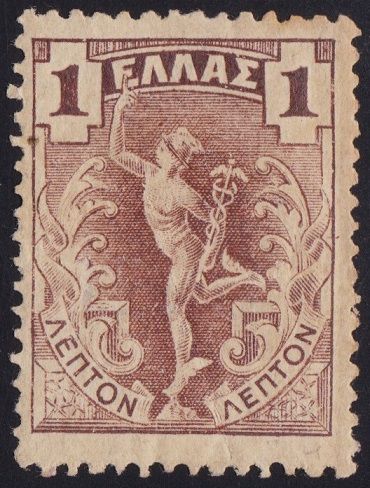 |
Send note to Staff 
|
|
|
Valued Member
Ireland
339 Posts |
|
|
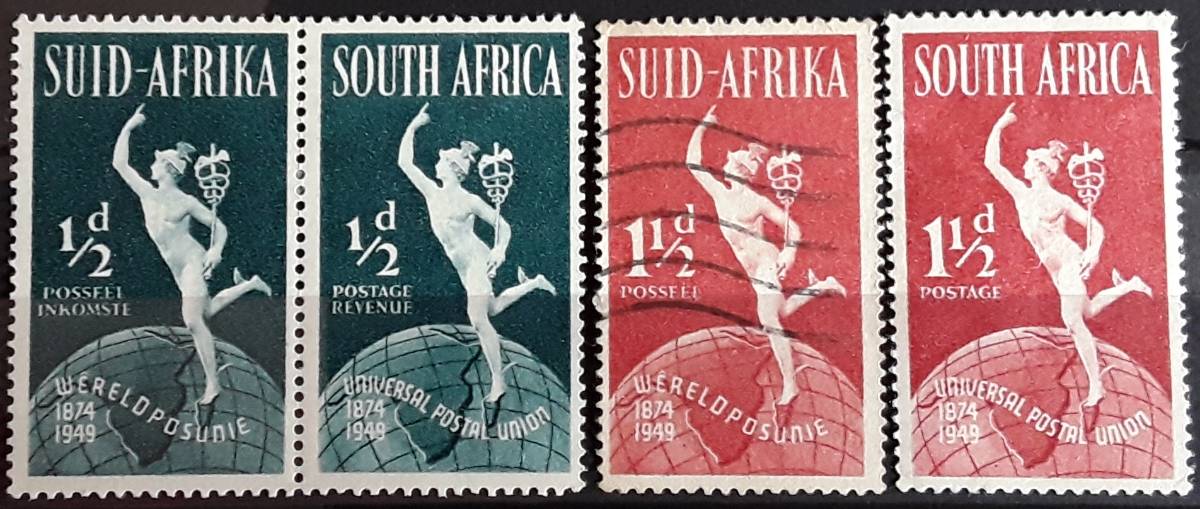
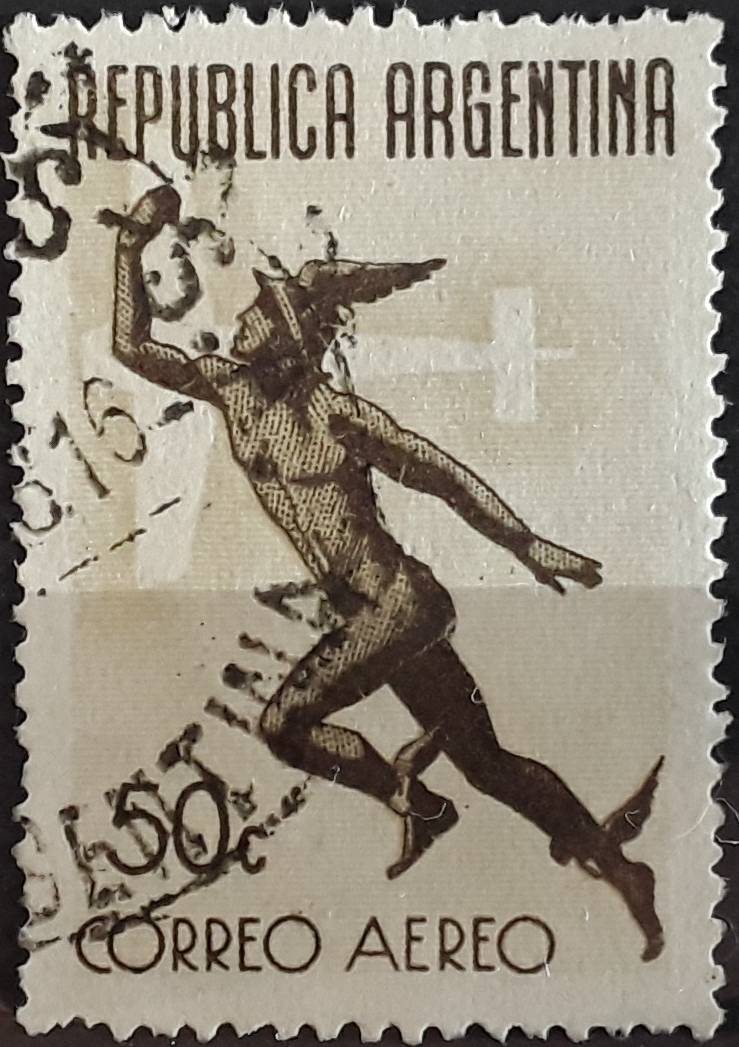
Not on it's own, but art deco is often influenced by Roman and Greek classicalism, you will often see representations of pagan Gods or figures from mythology in works of art deco. One of my favourite aspects of art deco is that combination of classicalism and modernism, so you get to see things like Mercury in front of an aeroplane or a steam train, or the example of Wisdom, depicting Zeus above the entrance to the Rockefeller centre. The art deco period spans from just before WW1 to just after WW2, although there are definitely works from before the true art deco period that can be identified as having similar principles. Art deco is seen as a result of the desire to have a more serious, powerful style than the much more romantic and whimsical art nouveau of the late 19th century. Although you are right, and I noticed it too, that depiction of Mercury in particular has made it's way on to many art deco stamps, which makes sense, as an art style that uses Greek and Roman Gods would choose him to represent postal service. |
|
Send note to Staff
|
|
|
Pillar Of The Community
Netherlands
6650 Posts |
|
|
Someone living from 1529 until 1608 cannot have made art deco. Being Italian, he, even, would have not experienced the Renaissance as an adult. So, the work would at least be Mannerist and, likely, Baroque. When you look at those horrible frills, it is very clear that it is Baroque.
Mercury prancing around like a fairy is another clue as to the (neo-)Baroque style of the stamp. |
|
Send note to Staff
|
|
|
Pillar Of The Community
Israel
4904 Posts |
|
|
Ellie and NSK, Thanks for your replies and explanations. I know the Art Deco stamps with Mercury running in front of a train that you mentioned. One of my main thematic collections is Mythologies of the World, and I have several stamps where the designer used the image of the Mercury statue to convey a message. I'm not sure if it qualifies as Art Deco, but a 1970 stamp from Dahomey, designed by Pierrette Lambert, shows Mercury 'running' from Europe to Africa, symbolically uniting the two continents. 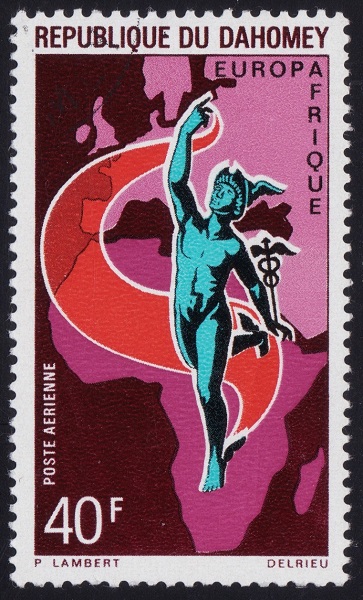 |
|
Send note to Staff
|
|
|
Pillar Of The Community
Israel
4904 Posts |
|
|
Valued Member
Ireland
339 Posts |
|
|
It is quite rare for me to like stamp designs from after the 1970s. Here are two different American stamps using original art deco designs created in the 21st century. If these had come out 70 years earlier, they might be some of my favourites. Art deco eagles, 2001. 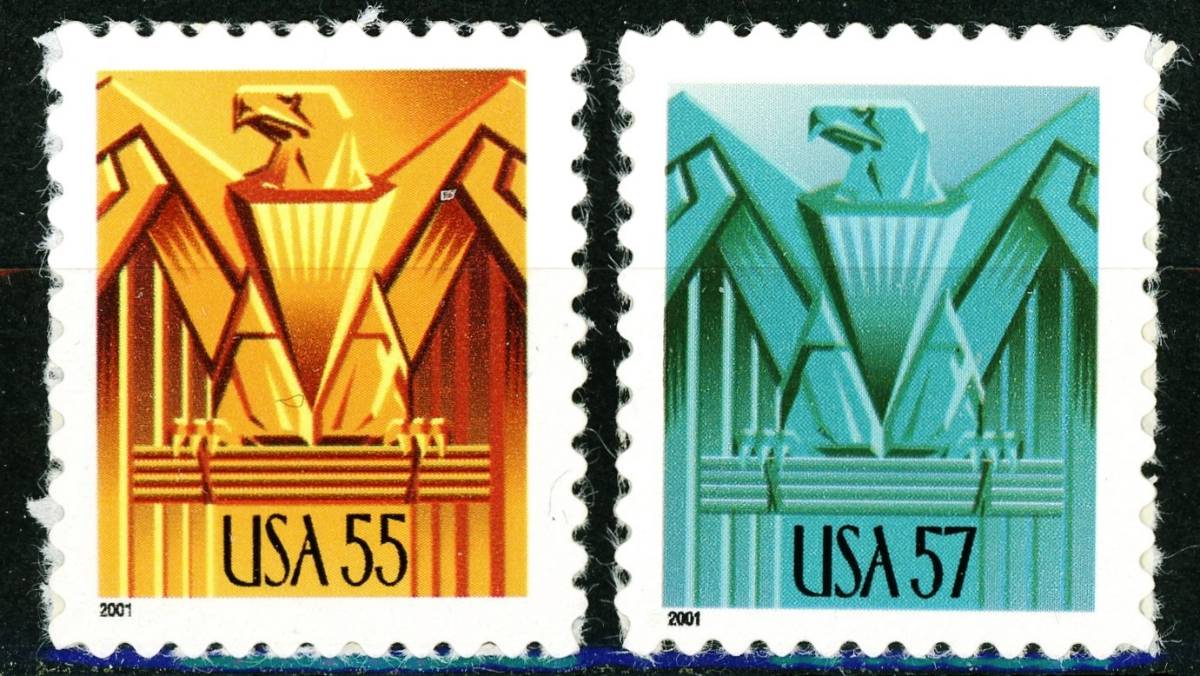 Art deco bird, 2011. 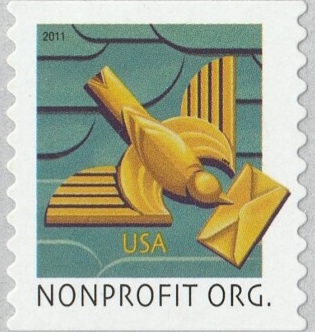 |
|
Send note to Staff
|
|
|
Valued Member
Ireland
339 Posts |
|
|
Art deco buildings on non-art deco stamps. First, the Montevideo Customs Office. Appearing on Uruguayan parcel post stamps. The structure was completed in 1931. 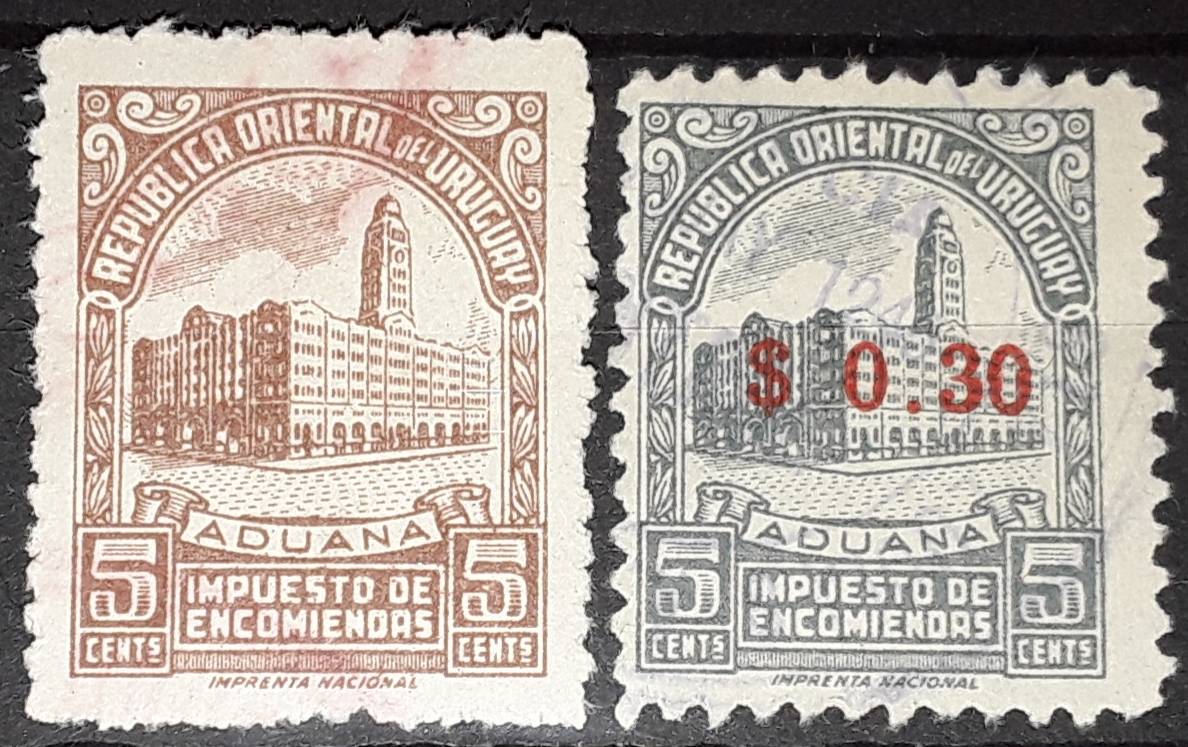 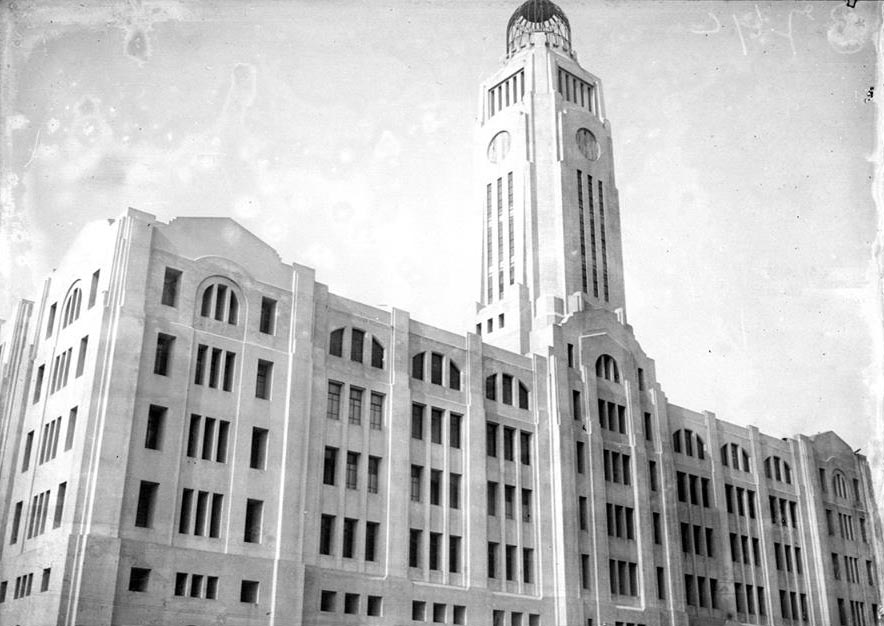 The 1933-1934 Chicago Century Of Progress World's Fair Federal Building, a temporary, but nonetheless beautiful, structure which housed exhibits, depicted on two American stamps made for the fair in 1933. 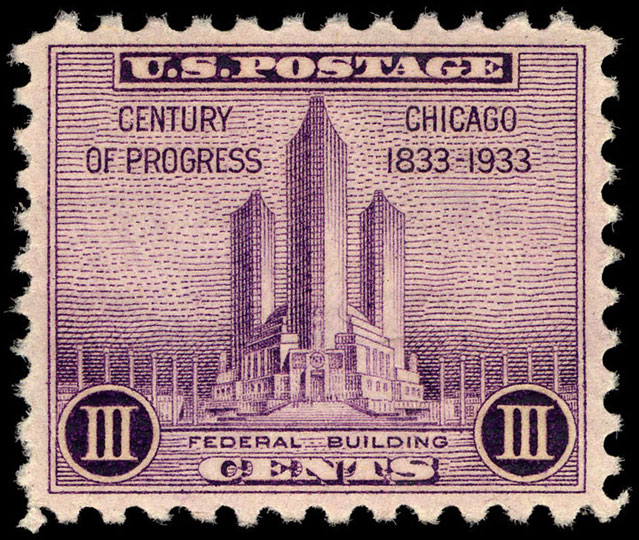 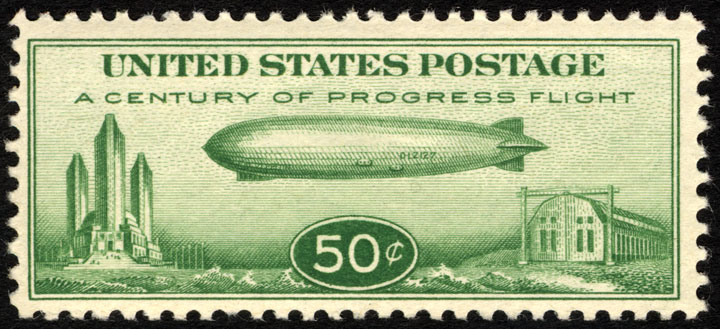 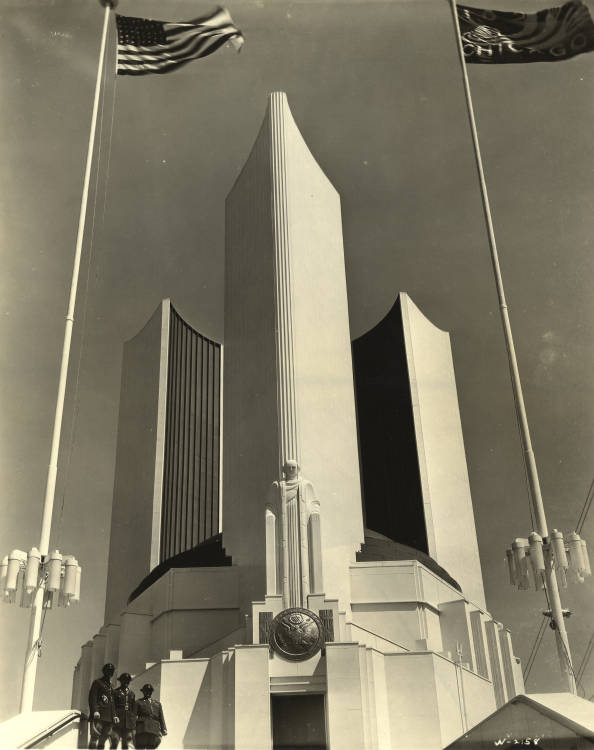 (While I own a 3c Federal Building stamp, it is too heavily cancelled to be useful for this post, and I do not own a "Baby Zep" just yet, these images of the stamps come from the National Postal Museum website) |
|
Send note to Staff
|
|
|
Valued Member
Ireland
339 Posts |
|
|
Valued Member
Ireland
339 Posts |
|
|
This really beautiful German stamp issued for Labour Day in 1940. If you look behind the sword-wielding figure, you can even see the skyline of a utopic art deco city. 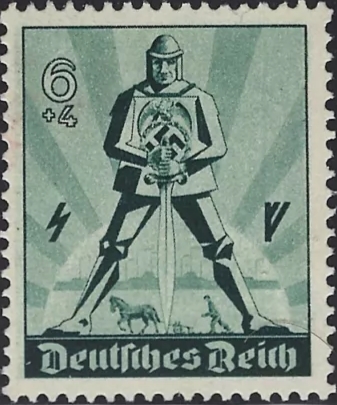 |
|
Send note to Staff
|
|
|
Pillar Of The Community
Netherlands
6650 Posts |
|
|
Albert Speer was not really an exponent of primary Art Deco. Also NAZI ideology was very much based on the idea of being a continuation of classic empires and Germanic mythology. Art Deco would have been an additional element, but never the primary element.
The city in the background will have been (neo-)Classicist with Art Deco elements. |
|
Send note to Staff
|
| Edited by NSK - 07/10/2025 01:13 am |
|
|
Valued Member
Canada
5 Posts |
|
|
Valued Member
Ireland
339 Posts |
|
|
@NSK "Albert Speer was not really an exponent of primary Art Deco."
Albert Speer designed that stamp?
He was not the only architect active in Germany. I see skyscrapers in that skyline, I don't know about you, but to me skyscrapers are the pinacle of art deco, and as far as I know, Germany did not have any at that time. A skyline depicted like that would be reserved for an art deco city like New York. The reason I even pointed out the utopic city is because it doesn't look like anything in Germany at the time. Besides, I don't think Albert Speer could create a beautiful art deco city, a lot of what he had been credited with designing by the NSDAP were just taking from other architects and he added bits that Hitler liked. If Speer did not design this stamp, we cannot know if the designer was intending for that city to be of Speer's neo-classical modernist style, but given that the stamp itself is art deco, at least to me, I would assume the subtle city in the background to also be art deco. |
|
Send note to Staff
|
| Edited by Ellie88 - 07/10/2025 05:28 am |
|
|
Replies: 144 / Views: 14,377 |
|




 Posted 07/08/2025 08:27 am