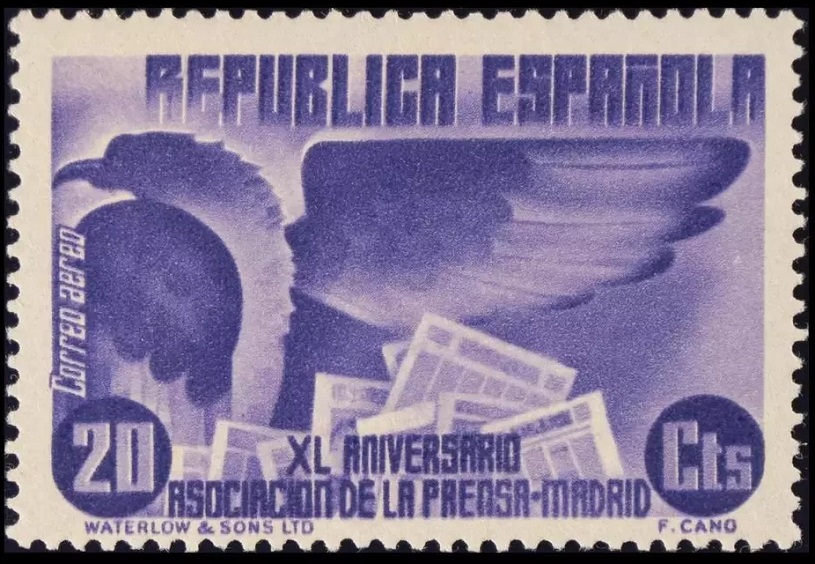
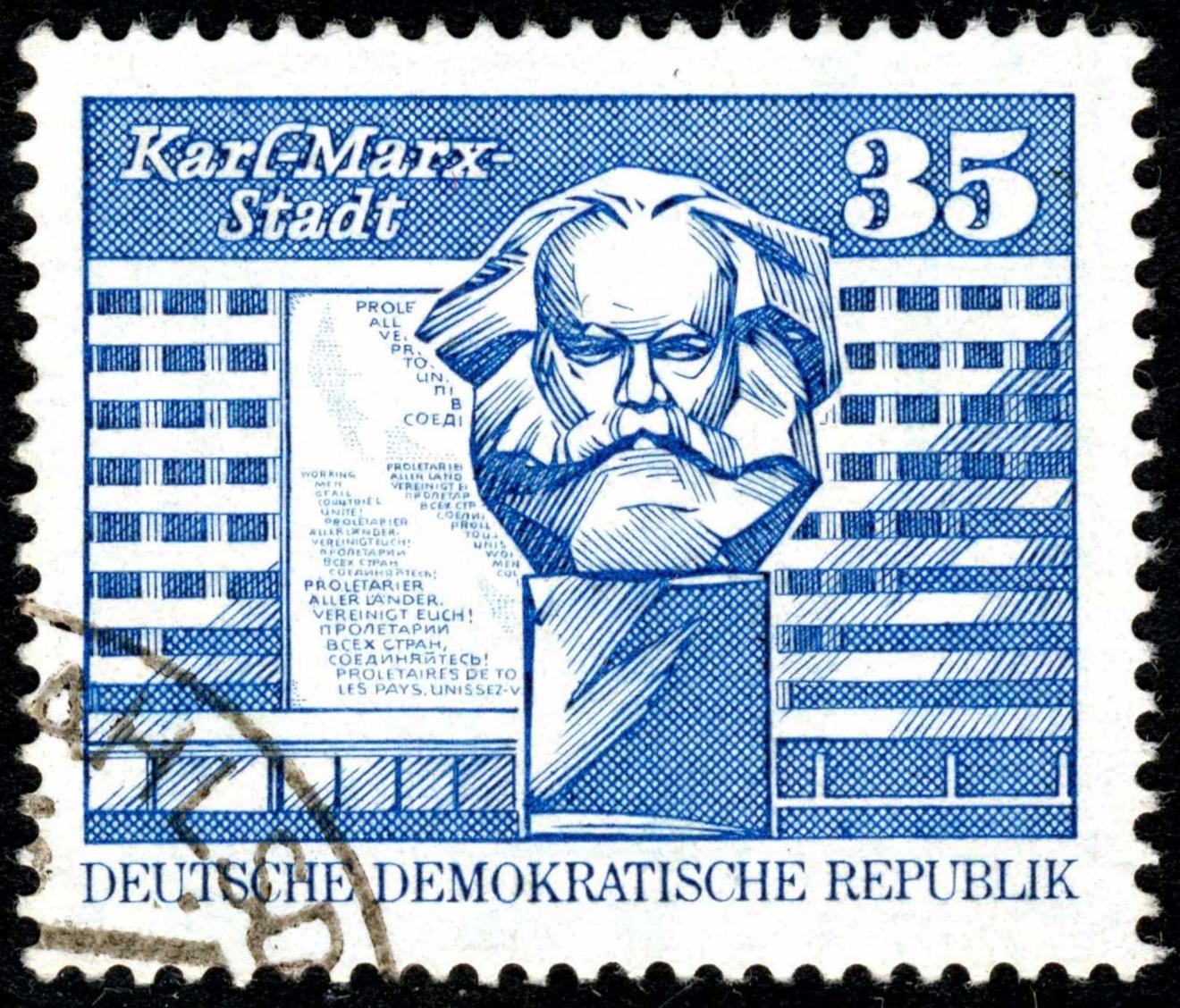
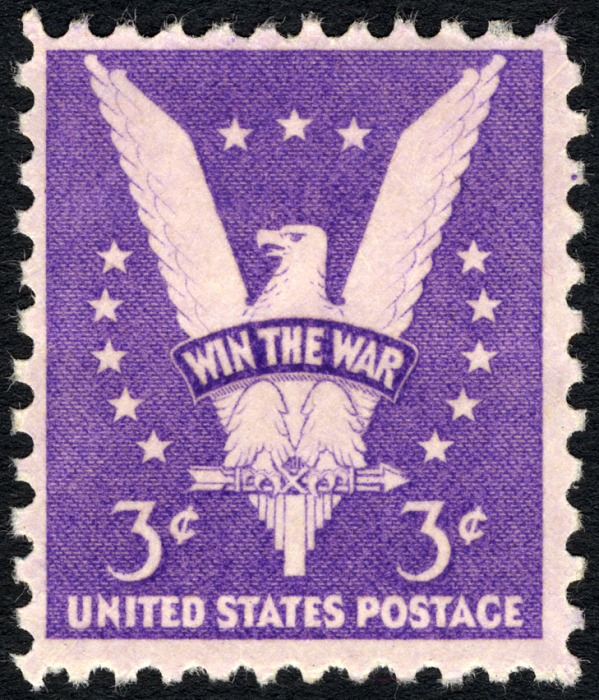
Albert Speer was the man behind the architectural follies of Hitler's regime. He had drafted plans for a new capital Berlin full of grotesque buildings based on Greek and Roman architecture. Artistic freedom, even in stamp design, did not exist in NAZI Germany.
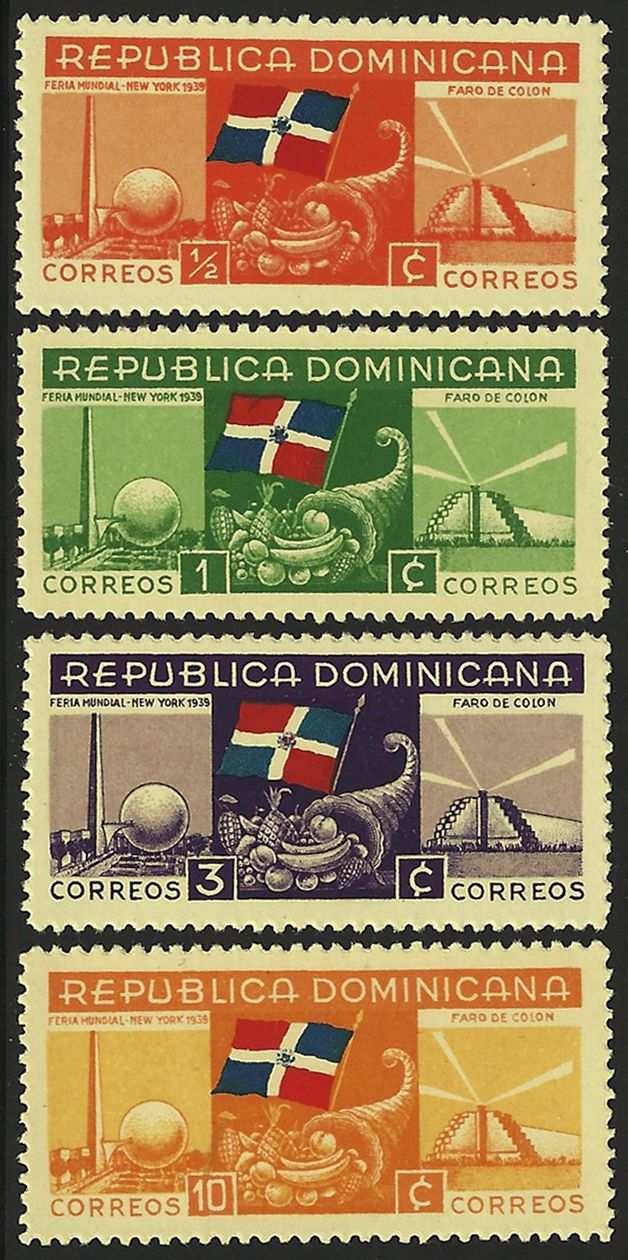
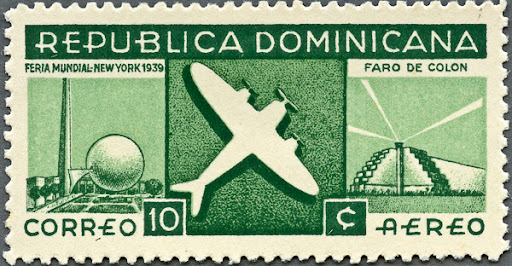
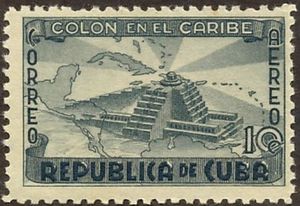
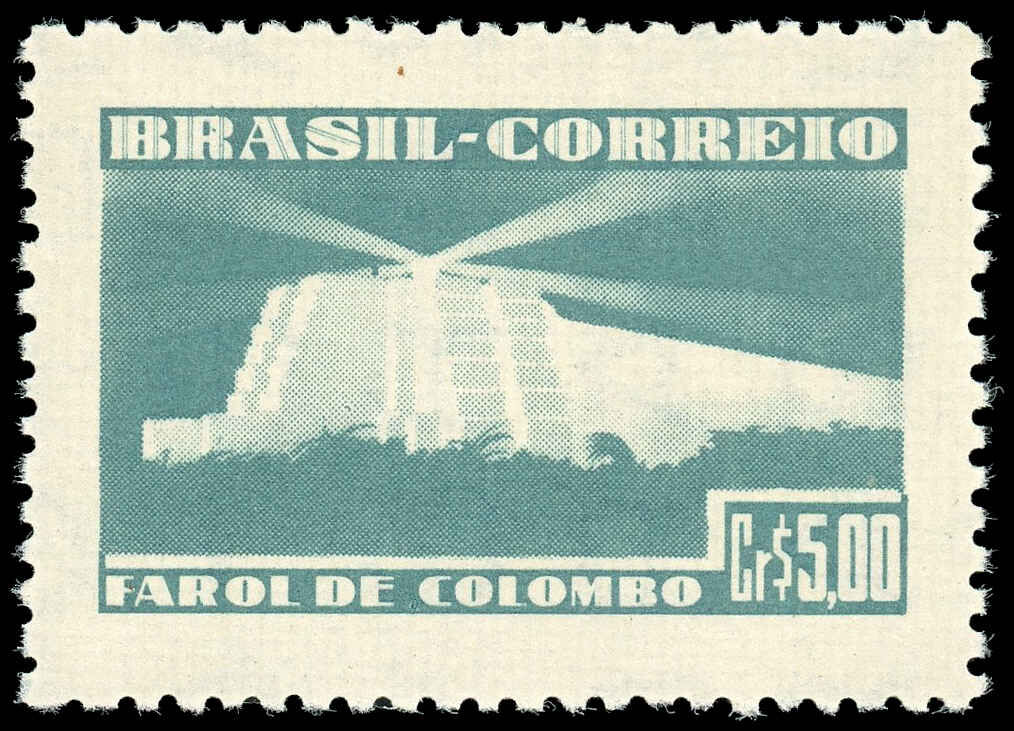
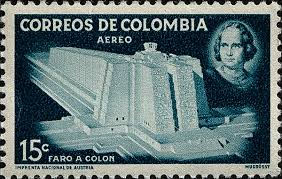
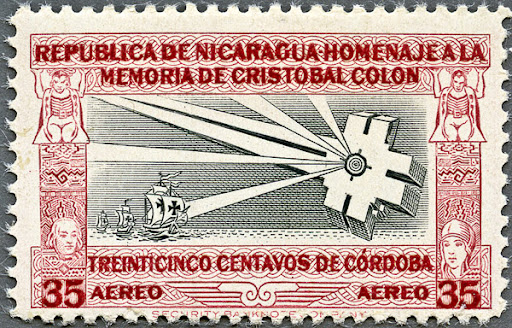
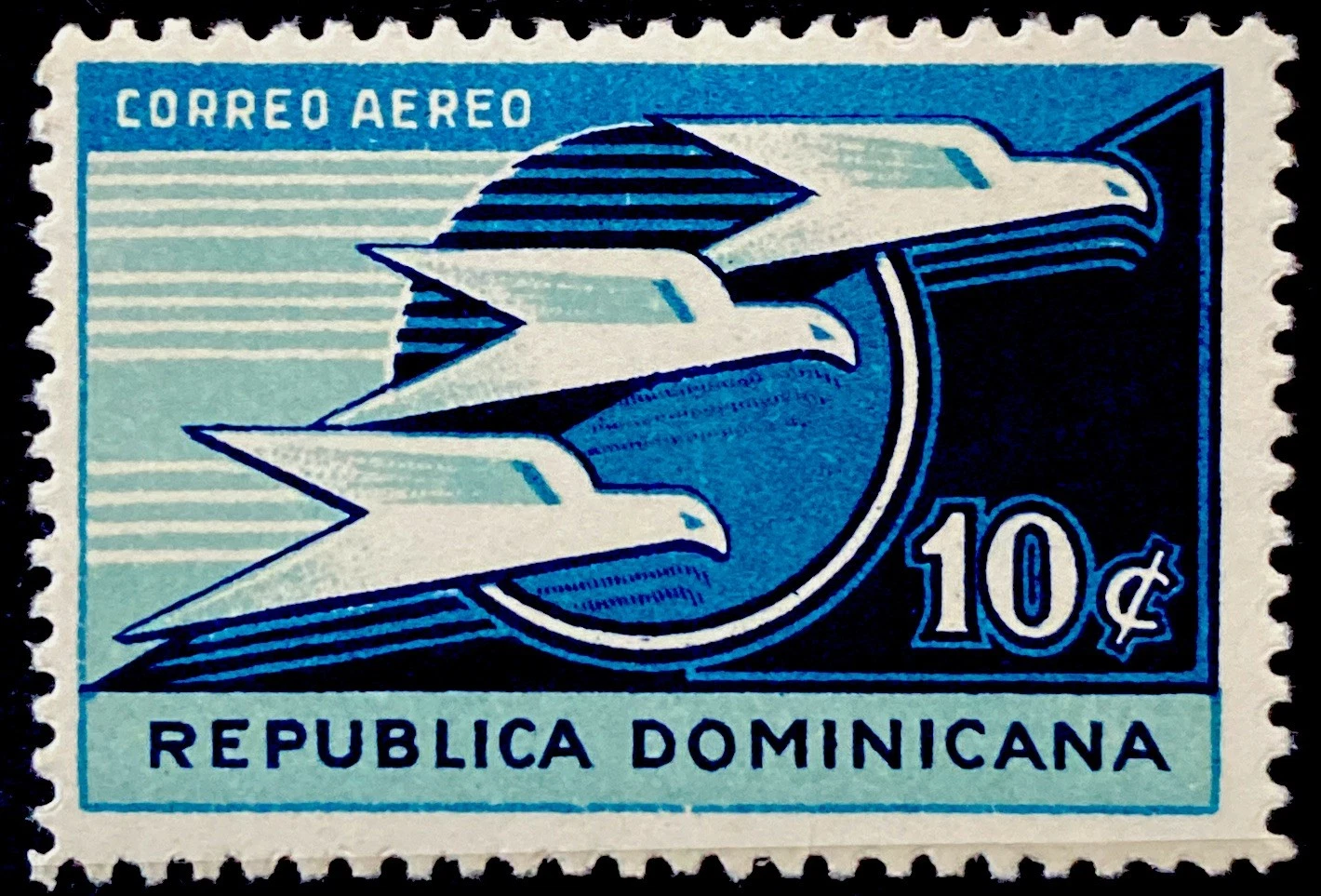
The Columbus Lighthouse - This building has quite an incredible history. It was designed in 1931 by Scotsman John Lea Gleave, who won a competition held in Brazil for the design, which was judged by many well known architects of the time, including Frank Lloyd Wright. The idea for a large monument dedicated to Columbus, as well as the introduction of Christianity to the Americas, had been accepted at the 5th International Conference in Chile, and it was decided that every nation of the Americas must help with it's construction. By 1950, the lighthouse still not built, only 8 countries had allegedly provided funds for it's construction. The lighthouse was not completed until 1992.
The lighthouse itself, located in the Dominican Republic, is a combination of native American architecture and art deco, and was intended to project a gigantic Christian cross into the sky, which can allegedly be seen in space, as depicted on these stamps.
Various nations in Latin America issued stamps depicting the lighthouse, here are a few.
Your sky scraper argument is utter nonsense. the terminology dates to the nineteenth century.
Berlin's Ullsteinhaus dating to 1927 and, contrary to Bauhaus Architecture that was influenced by Art Deco, is an expressionist-based architecture.
Your wish to see Art Deco is turning everything into that even if it does not match the setting. Again, Germany in 1940 did not have artistic freedom. Nor did it idealise American culture that it, mostly, considered 'entartet.'
@NSK You seem far more interested in arguing than I do. I would much rather you stopped replying to this thread unless you intend to post art deco stamps. This thread is titled "Art Deco Designs / Architecture / Vehicles on stamps", not "Aggressively argue with and condescend to me". I will ignore any more replies you post if you continue trying to argue with me.
I already have enough to worry about without you trying to make me feel worse.
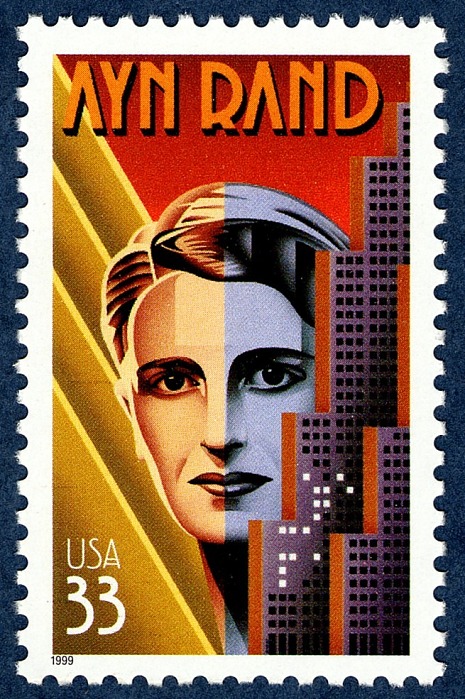
Ayn Rand O'Connor, born Alisa Zinovyevna Rosenbaum, was a Jewish Russian-American novelist famous for authoring the dystopian fiction Atlas Shrugged in 1957. The book itself has little to nothing to do with art deco, however, it and it's author are often associated with Art Deco due to the 25th anniversary edition cover, designed by Nick Gaetano in 1982, which depicted an overtly art deco image of the Greek God Atlas. While Atlas Shrugged is mostly known for it's influence on politics, particularily American libertarianism, it also influenced other works of fiction, including the 2007 first person shooter horror game Bioshock, itself set in a dystopian Art Deco city called Rapture.
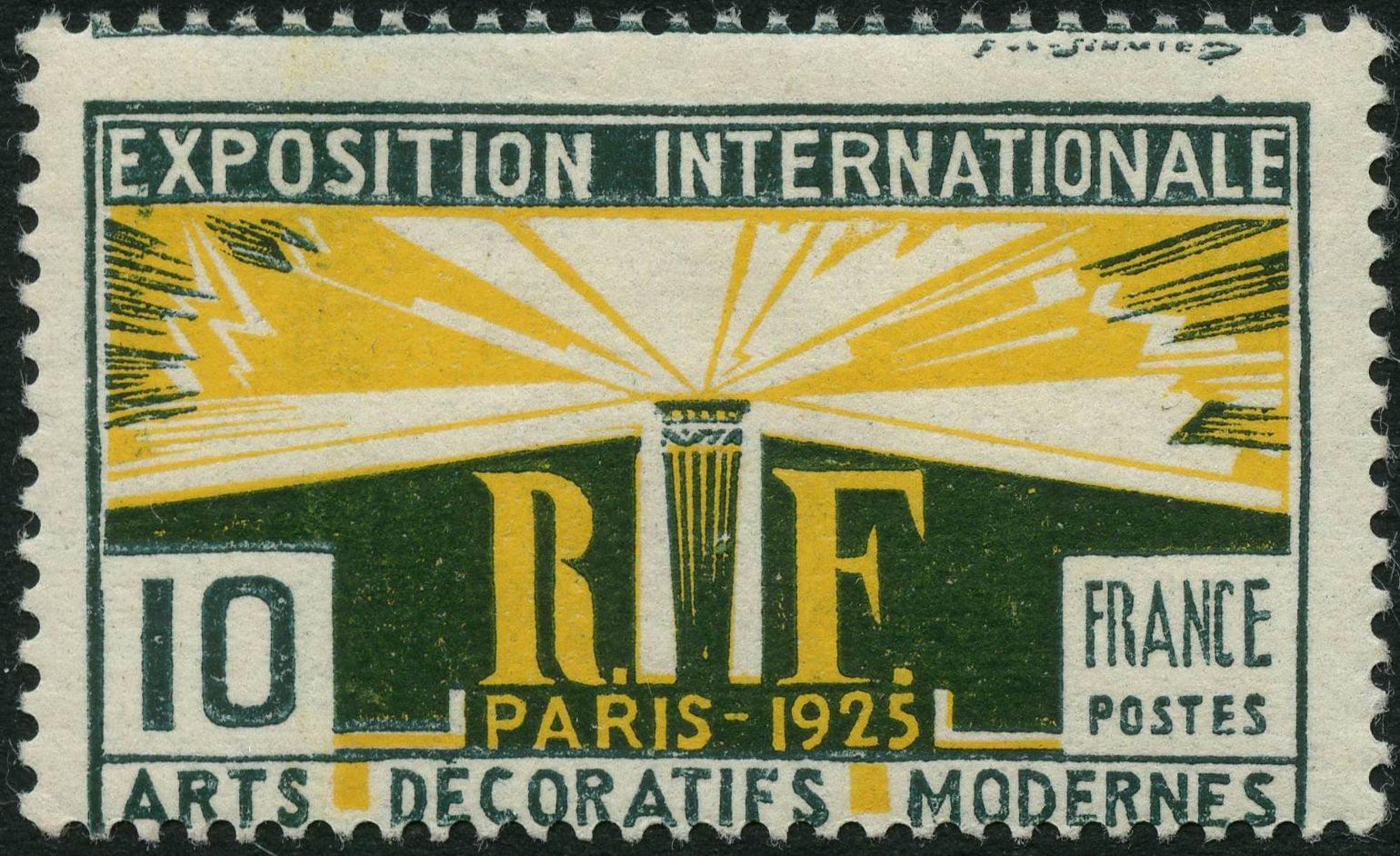
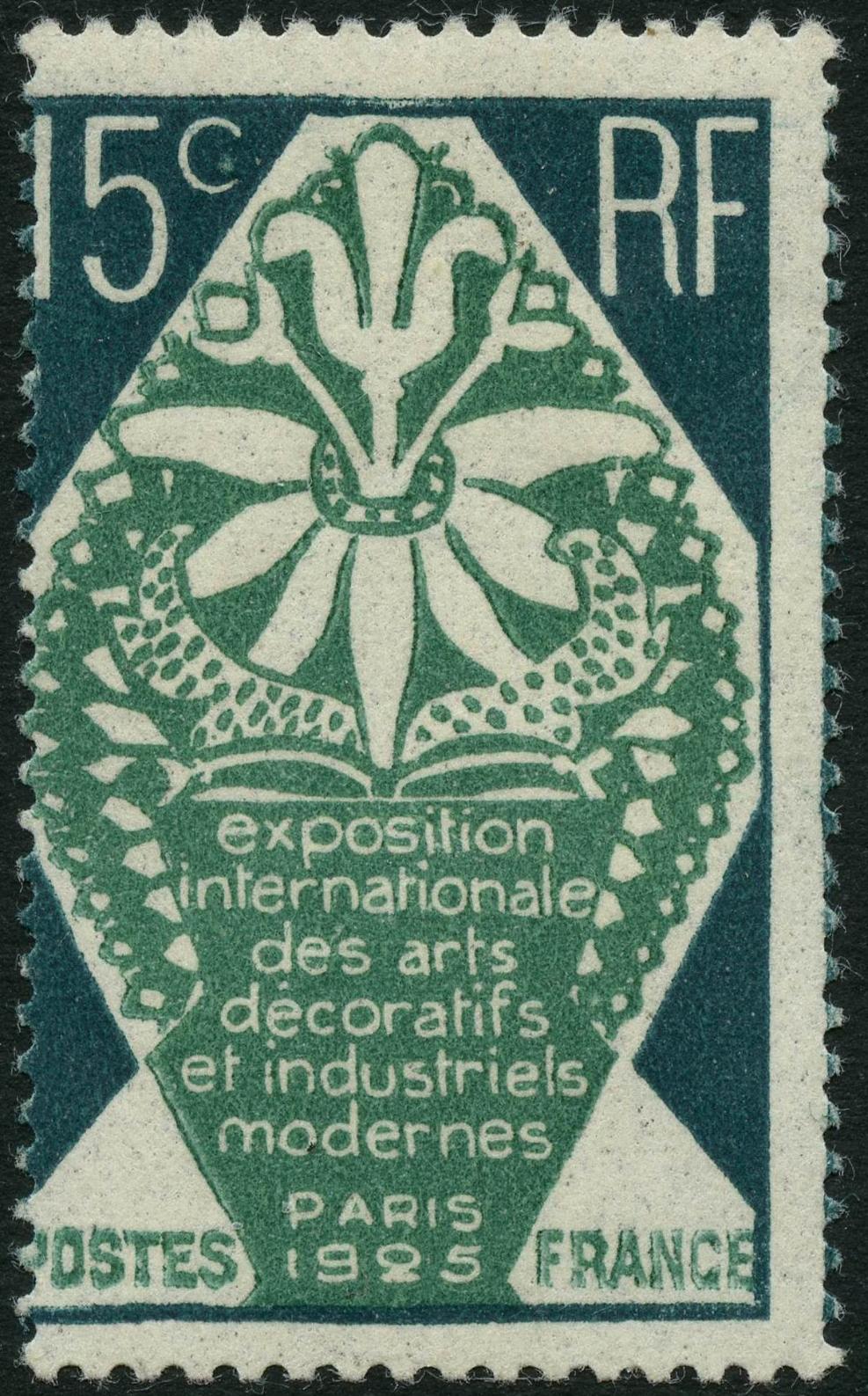
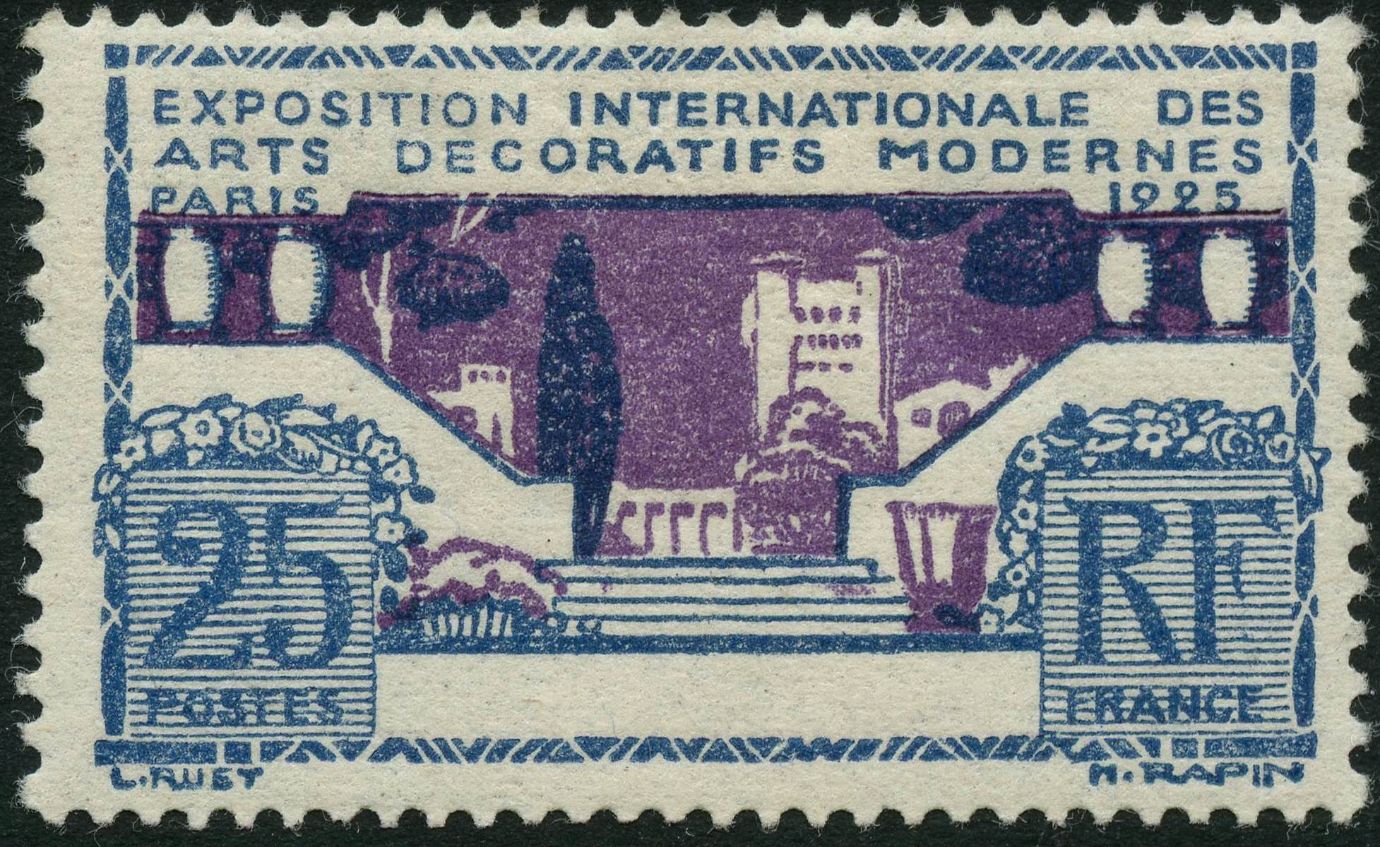
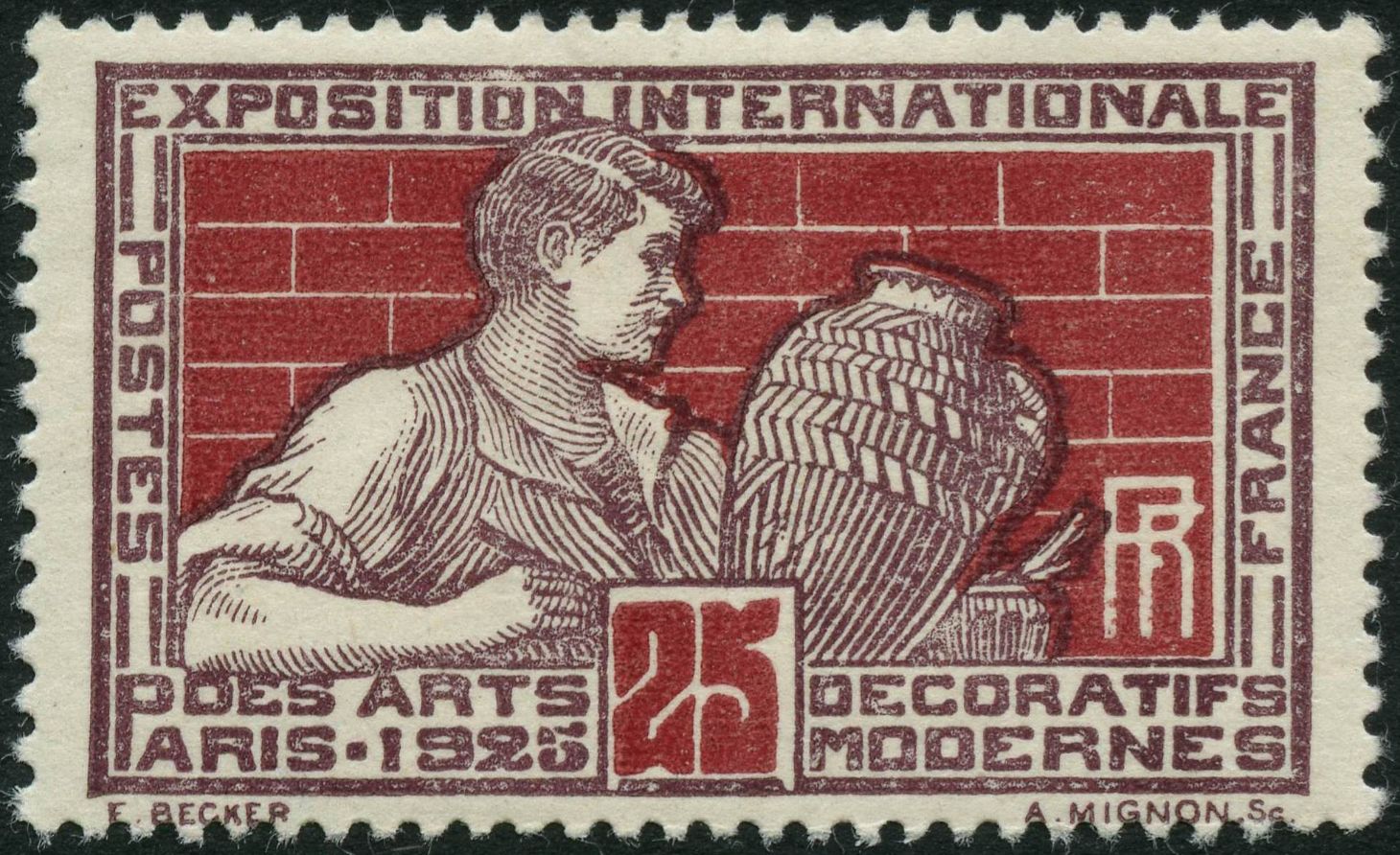
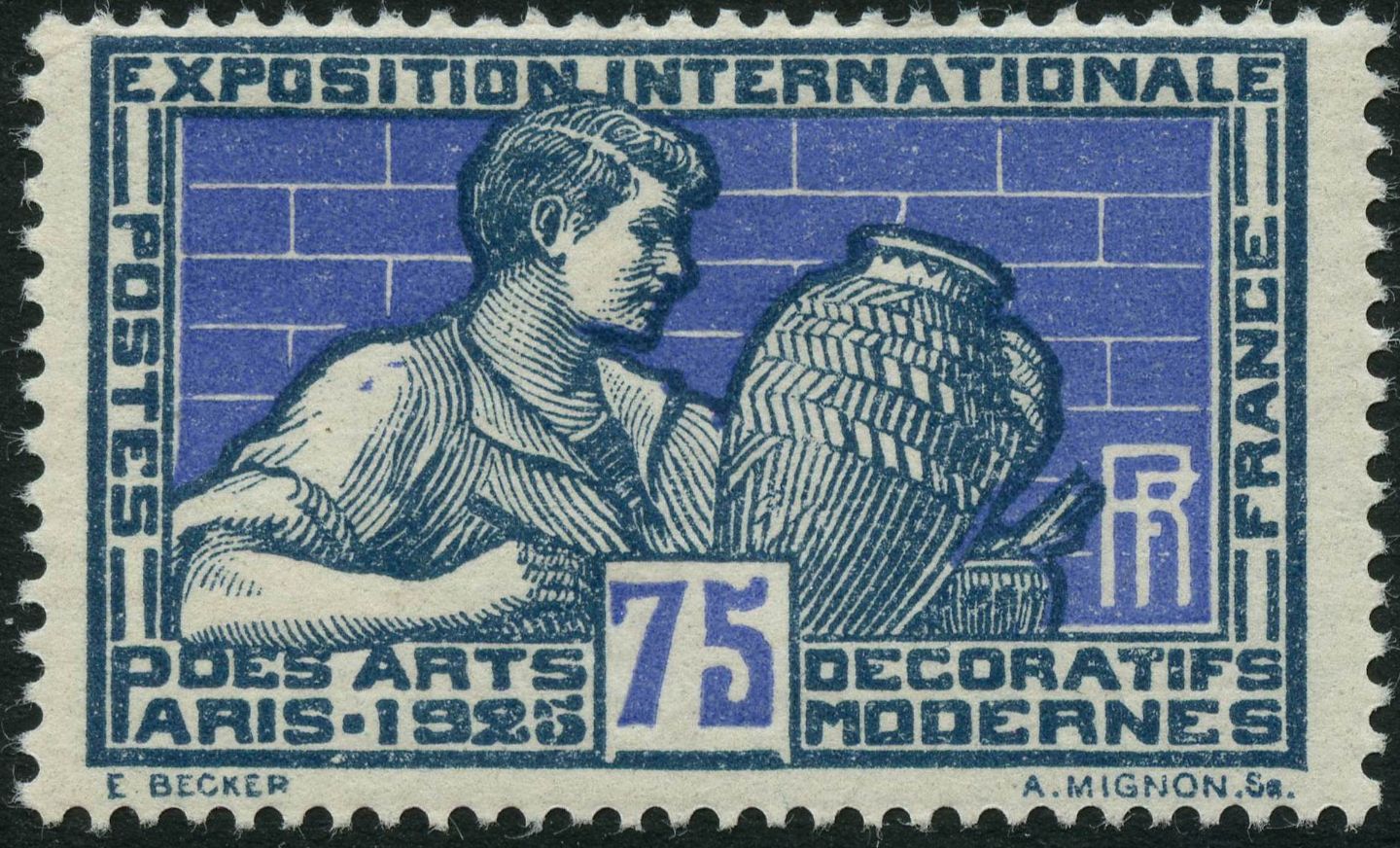
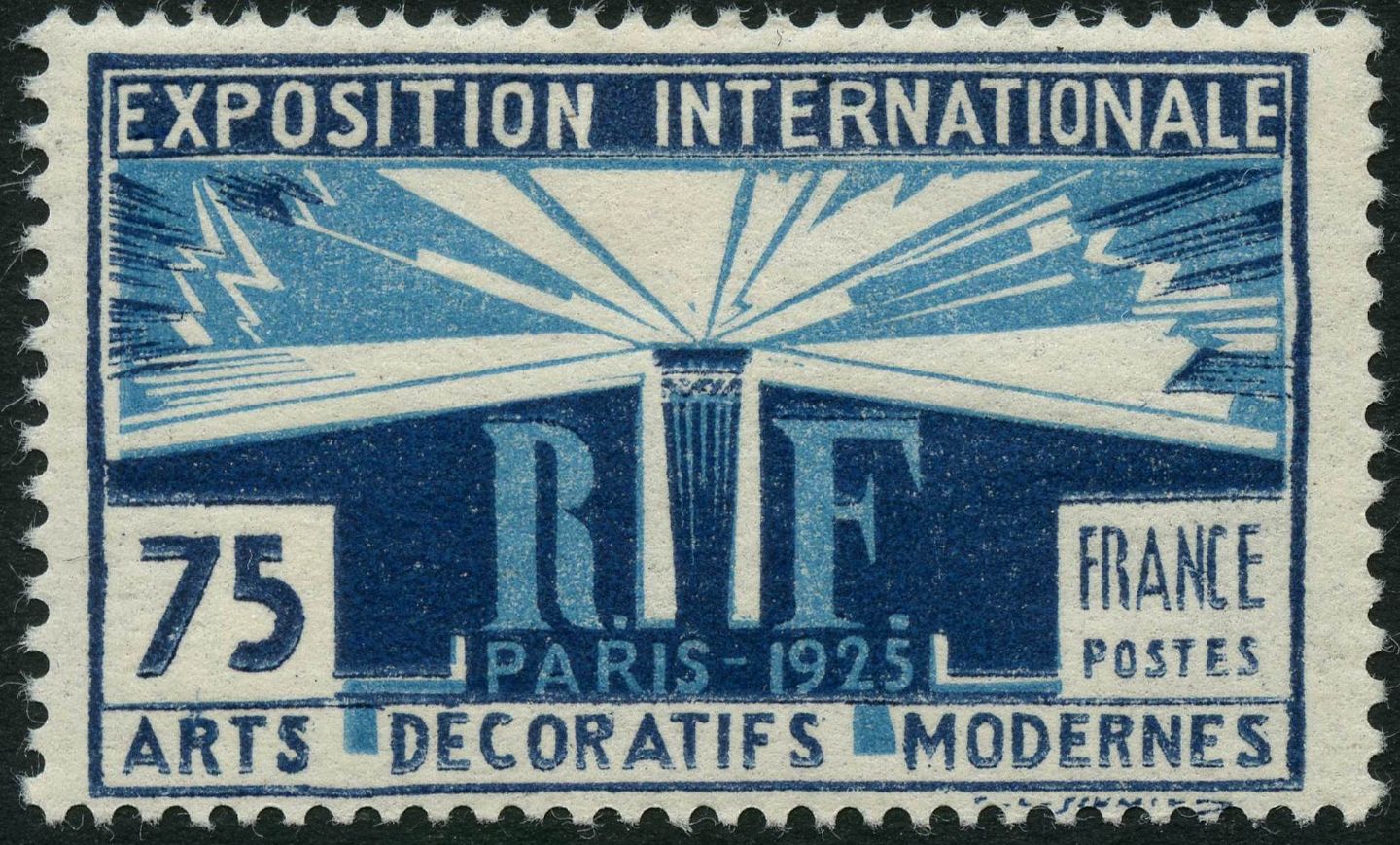
France issued this set for the International Exhibition of Modern Decorative and Industrial Arts held in Paris from April 29 to November 8, 1925.
France Scott 220 - 225
It was designed by the French government to highlight the new modern style of architecture, interior decoration, furniture, glass, jewelry and other decorative arts in Europe and throughout the world. The modern style presented at the exposition later became known as "Art Deco", after the exposition's name.
@lithograving "The modern style presented at the exposition later became known as "Art Deco", after the exposition's name."
In the early days following this exhibition, art critics used the term "Paris exhibition style" to describe what eventually became known as Art Deco. I often see that term when reading about architecture from that time, and of course, lots of art and artists have retrospectively been called Art Deco after this exhibition.
Side note: Does anybody have any stamps with designs by Walter Dorwin Teague?
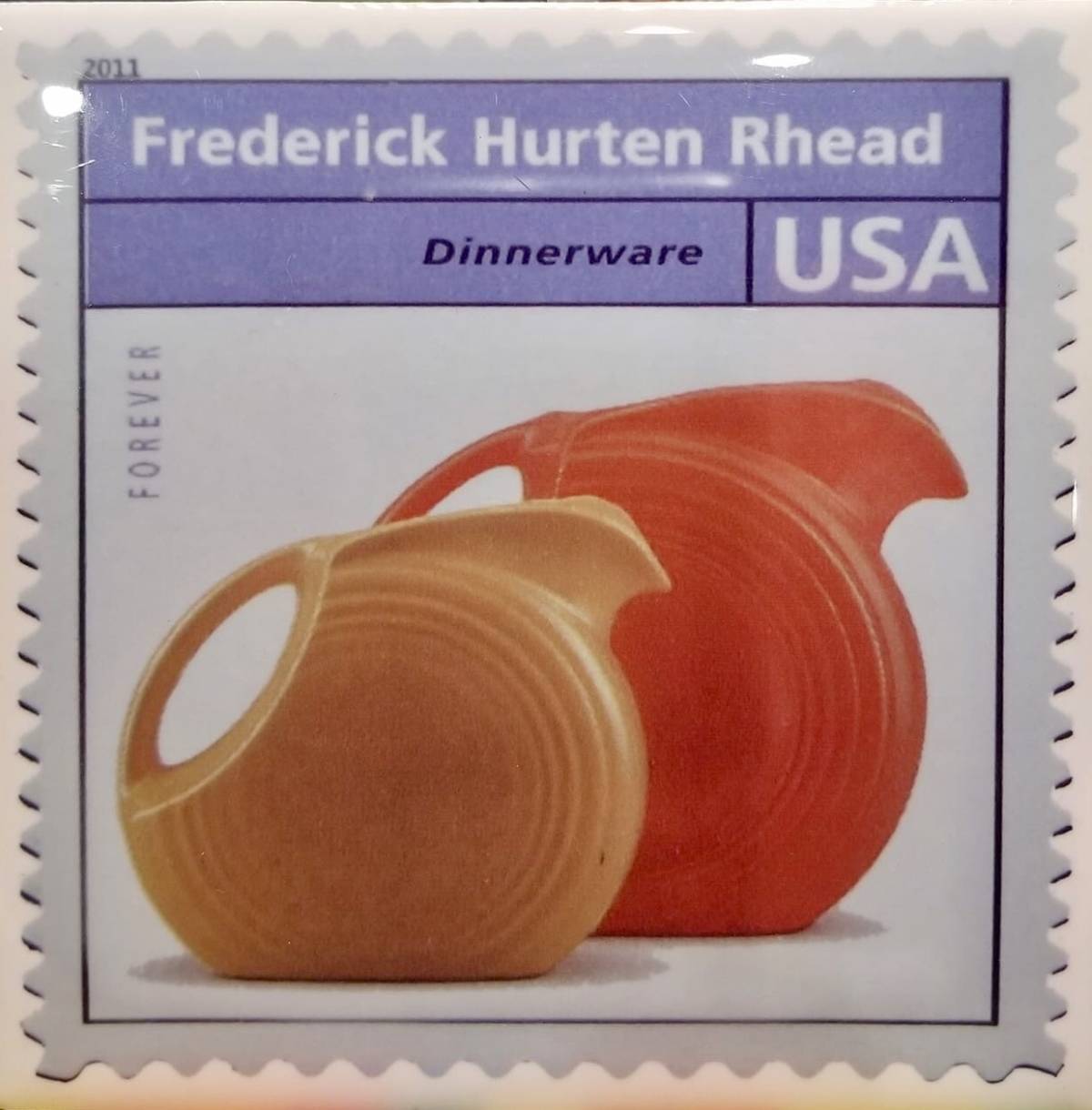
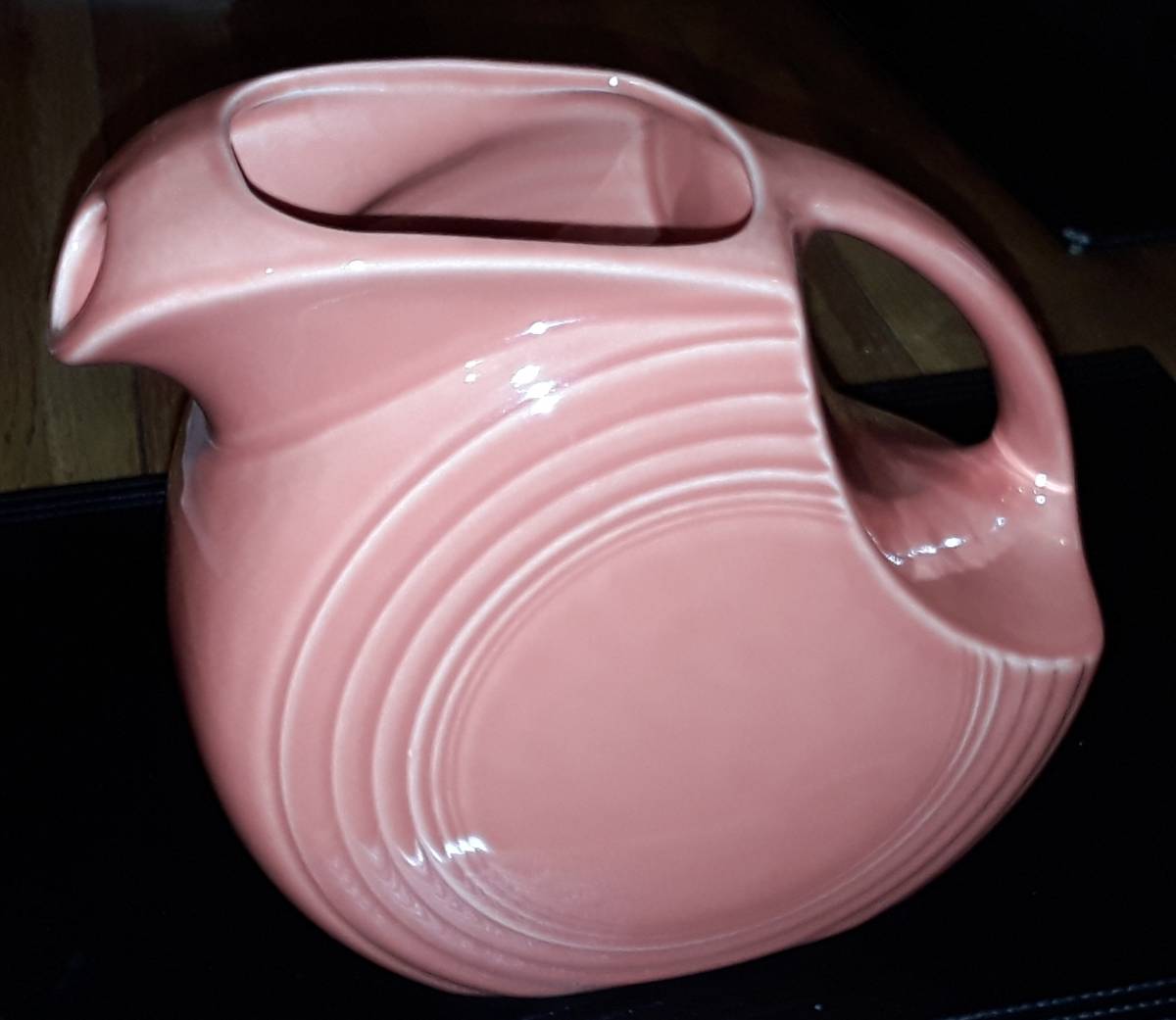
Here is a stamp that very much interests me. I do not have it in my collection, this image is from the internet. Frederick Hurten Rhead was an English designer associated with the Arts and Crafts movement, which was essentially an English counterpart to Art Nouveau with an emphasis on specialised craft and non-mass-production, however, his most successful designs worldwide were created in 1935 for the HLC, Homer Loughlin Ceramic Company, called Fiestaware, or just Fiesta. These designs are very well known for their art deco styling, huge variety of colours, and generally being highly collectable. I personally collect Fiestaware as a part of my Antique Art Deco collection, and I own one of the pitchers depicted on this stamp. It is not often that I physically own something depicted on a stamp.
Interesting fact about Fiestaware: The original red coloured Fiestaware has been nicknamed "Radioactive Red" by collectors due to the fact that they are actually highly radioactive as a result of HLC using radioactive pigments to achieve the bright red colour.
Believe it or not, there's evidently something called "Soviet Art Deco"
"Soviet Art Deco combined constructivist architectural ideas with the decorative approach of the future Soviet Empire style, while differing from both trends."
Disclaimer: While a tremendous amount of effort goes into ensuring the accuracy of the information contained in this site, Stamp Community assumes no liability for errors. Copyright 2005 - 2026 Stamp Community Family - All rights reserved worldwide. Use of any images or content on this website without prior written permission of Stamp Community or the original lender is strictly prohibited. Privacy Policy / Terms of UseAdvertise Here





 Posted 07/10/2025 05:40 am