| Author |
 Replies: 3,980 / Views: 1,935,045 Replies: 3,980 / Views: 1,935,045 |
|
|
|
Valued Member
United Kingdom
257 Posts |
|
|
Just a quick note to say that I've uploaded a short biography on the famous Swedish engraver Sven Ewert on my own blog, which you'll find by googling a bit for stampengravers. Among other things, it details the work done on his well-known definitive set portraying King Gustav VI Adolf. 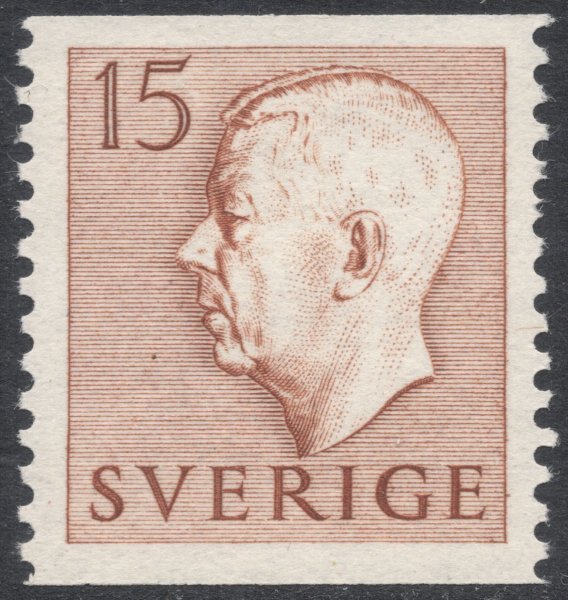 And now I'm off to read KirkS' article which looks very interesting indeed! |
Send note to Staff 
|
|
|
Valued Member
Australia
437 Posts |
|
|
Thanks, KirkS for the heads up on that article. Interestingly, he talks about engraving on steel and not being able to fix a mistake, the old method, but he is using the modern pen on screen for the design. Any mistakes he makes with the new method can easily be repaired before the computer takes over the engraving.
He is obviously a very talented artist and able to engrave in the traditional way. I wonder which method he used for the bear. Some of the modern engravers still use both methods. On the Madle Design website she talks of some stamps she has engraved with a burin and some with the computer.
The whale is a very nice stamp but having a screen the size shown in the photograph, and seeing the image the right way round would make it a lot easier than working life size, in reverse, on steel. It just reinforces how good some of them are/were. |
|
Send note to Staff
|
|
|
Valued Member
United Kingdom
257 Posts |
|
|
I had hoped to find that the sheet margins of the whale stamp would not include the engraver's credit, but they do, so that means that basically we don't know whether he actually hand-engraved any of the mammals definitives of Canada.
I may be a bit of a purist, but if the stamps are not hand-engraved then basically the engraver "just" draws rather than engraves and should not get an engravers credit. It's designing rather than engraving. |
|
Send note to Staff
|
|
|
Valued Member
Australia
437 Posts |
|
|
Valued Member
United Kingdom
257 Posts |
|
|
I did:
Fernando Arturo de Meriño (born Santo Domingo, January 9, 1833 - August 20, 1906) was a Dominican priest and politician. He served as president of the Dominican Republic from September 1, 1880 until September 1, 1882. He was later made an archbishop. |
|
Send note to Staff
|
|
|
Valued Member
Australia
437 Posts |
|
|
Thanks Adrian. Quote:
I may be a bit of a purist, but if the stamps are not hand-engraved then basically the engraver "just" draws rather than engraves and should not get an engravers credit. It's designing rather than engraving. I agree entirely. I have no problem with stamps being produced this or any other way. If the technology is there it will be used. On the Madle website she clearly states either "hand engraved" or "computer engraved" and I think the stamp issuing entities should do the same. My comments are in no way a criticism of the artist. |
|
Send note to Staff
|
|
|
Valued Member
United Kingdom
257 Posts |
|
|
No, neither are mine. I think those Canadian definitives are absolutely stunning, and among the best the country has ever produced! |
|
Send note to Staff
|
|
|
Valued Member
United Kingdom
257 Posts |
|
|
Just returning to the GB Seahorses question. We've had a quote from Senior Curator Douglas N. Muir about these, the penny black and penny red and the 1929 £1 PUC stamp:
"The 1d black and 1d red facsimiles came from the reproduction plate we hold (as used in 2000 at the exhibition). The Seahorses came, as did the 2010 PUC stamps, from an amalgam of proofs taken from dies, rollers, proofs etc. which are now of the re-engraved version. So all were derived from the originals."
So we can safely add all these to our collections of hand-engraved stamps! |
|
Send note to Staff
|
|
|
Valued Member
Australia
437 Posts |
|
|
Not sure, Adrian. He only says they were re-engraved. He doesn't say they were hand engraved. They still look like a computer job to me but I'd be happy to be wrong. Is there any mention of who the re-engraver was? |
|
Send note to Staff
|
|
|
Valued Member
United Kingdom
257 Posts |
|
|
Aargh, you now got me worried again, John! I must admit I couldn't make head or tail of the amalgam bit but his last sentence sort of convinced me it would be okay. At least I know for a fact that the Victorian reproductions are modern plates made from the original die.
The Seahorses and PUC stamps seem to be more of a mixture of all sorts but if original dies and proofs are used, and if Muir states that the reproductions are derived from the originals, wouldn't that imply that basically the reproduction stamps are based on the original engravings?
I compared it to how the modern-day French stamps are made: hand-engraved but a computer has taken over the role of the transfer roller so the actual printing plates are computer engraved.
Would you think this is similar?
I thought Muir's answer implied that the original engravings are still the basis for the end product. But English is not my native language so it may well be that I interpret things differently (and possibly wrongly) than you would.
Let me hear your thoughts! |
|
Send note to Staff
|
|
|
Valued Member
Australia
437 Posts |
|
|
Why not put some detailed scans up here so we can see them up close. By the way, I would never have guessed that English was not your native tongue - but then you are in Scotland aren't you? They will tell you that they don't speak English there, in fact, I believe it is called Doric but that is really straining the memory so I'm probably wrong. My father was a Scot so I grew up with the sound of Scots but I still had trouble understanding him over the phone. |
|
Send note to Staff
|
|
|
Valued Member
United Kingdom
257 Posts |
|
|
Here is the 2s6d from the block: 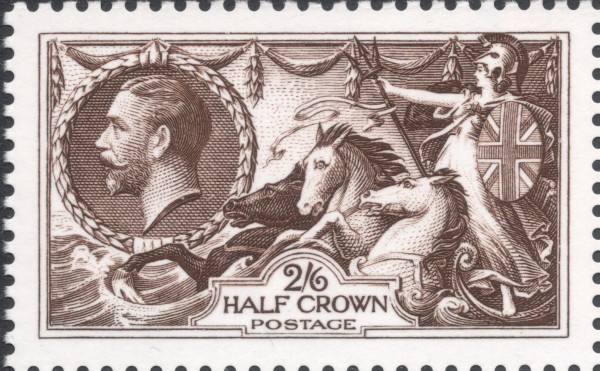 And here are a few close ups: 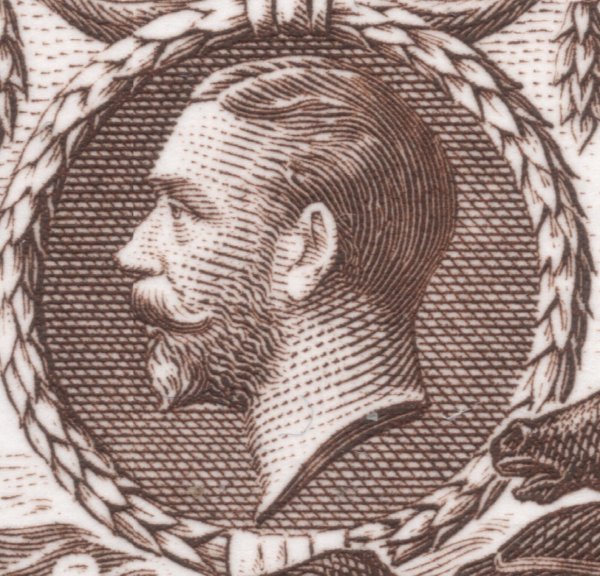 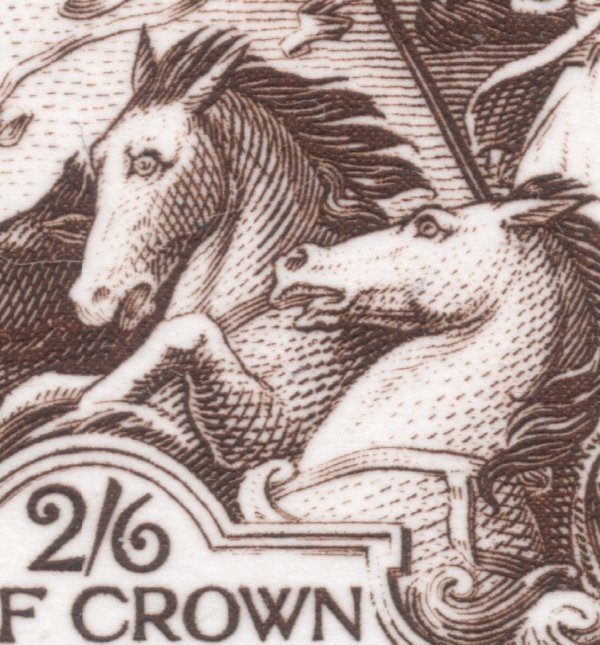 Unfortunately, I do not have any original re-engraved seahorses from the 1930s (yet), so I can't show these for comparison. Ha, no I wasn't wading into the England/Scotland debate! I'm actually Dutch though I do have some drops of Scottish blood running through my veins. Doric is actually a dialect of the Scots language, spoken in the northeast of Scotland. I'm in the southwest where they just speak Scots, which is relatively easy to follow, bar the odd broad dialect user. |
|
Send note to Staff
|
|
|
Valued Member
Australia
437 Posts |
|
|
If you look at the close-up of the horizontal lines between the outside of the wreath and the leaves that are hanging down they look hand engraved to me. They seem too varied and "rough" to be computer work. Also the hair has lots of variation so I think that your original guess that it is hand engraved is correct. It would certainly be good to get the details and as you say, compare it with the earlier stamp. |
|
Send note to Staff
|
|
|
Valued Member
United Kingdom
257 Posts |
|
|
Glad we're seeming to end up with the right (right for me anyway) conclusion after all! :-) As soon as I have those original Seahorses I'll post them, but that may take a while. In the meantime I've just uploaded a short biography on Pierre Gandon on my blog which you'll find by googling a bit for stampengravers. 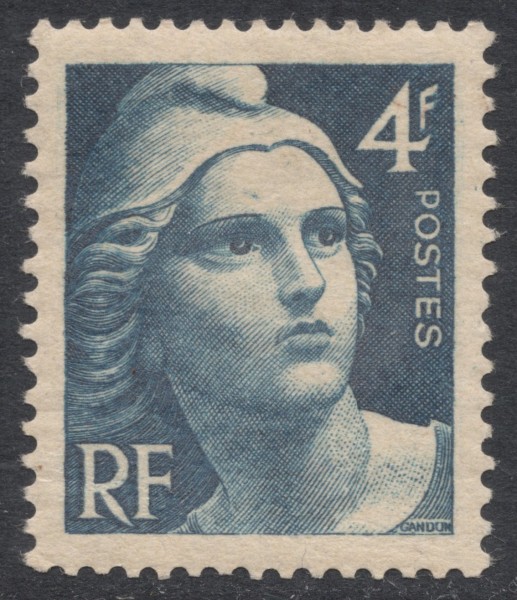 It answers that question which will undoubtedly have been on your minds for ages: why on earth could someone as famous as Pierre Gandon get confused with Charles Mazelin? |
|
Send note to Staff
|
|
|
Valued Member
Australia
437 Posts |
|
|
It did indeed answer some question Adrian. I have some cinderellas which I believe were produced for a stamp exhibition where the same mystery had me puzzled.  Here the designer is shown as Carre and the engraver as Mazelin but the bulk of the picture is the Marianne de Gandon. I guess he was still in disgrace at this time but I wonder who actually engraved these. Were they done by Gandon or did Mazelin produce these and borrow the Gandon image. I suspect they were completely Gandon. As for the designer, who knows?  |
|
Send note to Staff
|
|
|
Replies: 3,980 / Views: 1,935,045 |
|




 Posted 06/14/2014 04:17 am


