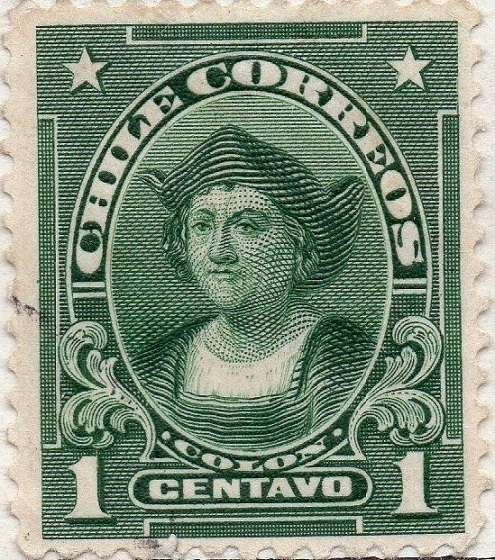
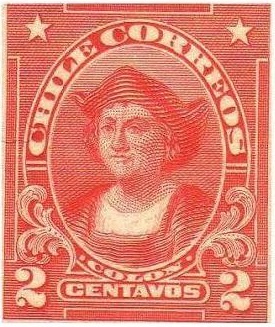
I agree entirely and I find the modern combinations of recess and colour by litho or photo to be inferior to what went before. It is mainly about cost. In the past engravers were allowed time to produce works of art. Now it is product.
To illustrate the point, here is the Slania 1000th stamp, taken from the black print. This is what the stamp would have looked like in one colour. I prefer it but the final stamp looks more like the painting and I suppose that was the idea.

To answer your query about the images, the clarity is not restricted by the size but by the number of dots per inch (dpi). To get better detail you need to increase the dpi when you scan.
We were told only a few years back that to get the best scans we should scan at 72dpi. That may have been true of the old CRT screens but we now have high definition large screens that were not even imagined back then. I try to future proof my scans by scanning at the highest resolution my scanner will allow.
As my budget is limited, I have to use ingenuity rather than money. My current three way printer scans but only up to 300dpi but a friend was throwing away a perfectly good Epson Stylus RX530 because he said the ink was too expensive and he bought a different printer.
I grabbed it because they have an excellent scanner. If a stamp is small, I can scan up to 9600dpi but for a larger one like the Slania above there are still tricks you can try to get the same quality.
If I tried to scan something that big at 9600dpi my computer would go into a sulk and sit there for several days trying to decide whether to accommodate me or not. I scanned this at 2400dpi which it was very happy about and gave me a scan that was roughly 4500 pixels high.
As the board limit is around 800 it would not be acceptable but the Epson also allows you to adjust the size
and the dpi before saving. It will happily convert to 800px x 9600dpi giving me a scan with more detail than most people can see.
On the 21 inch screen that I use, the difference between 1200dpi and 4800dpi is not visible until you blow it up to the full screen. The next generation of collectors with their wall size screens (like my son now) will be able to blow my HD scans up to full screen and still see all the details while images done at today's standards (around 300) will be fuzzy and blurred.
What is really amazing was that the old hand engravers were able to get that much detail into their images in the first place without being "computer assisted".





 Posted 05/09/2015 1:15 pm







 Czeslaw was certainly the king among engravers.