Now I'm annoyed!
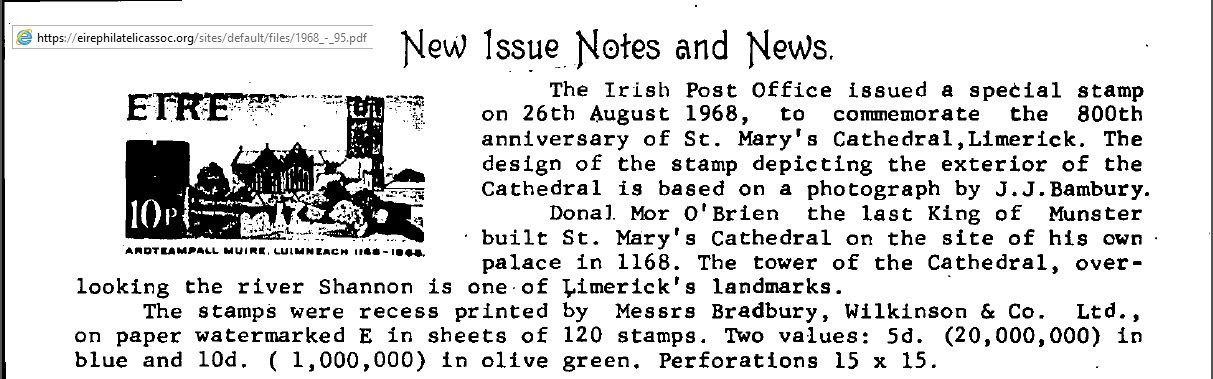
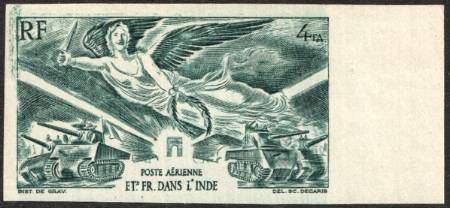
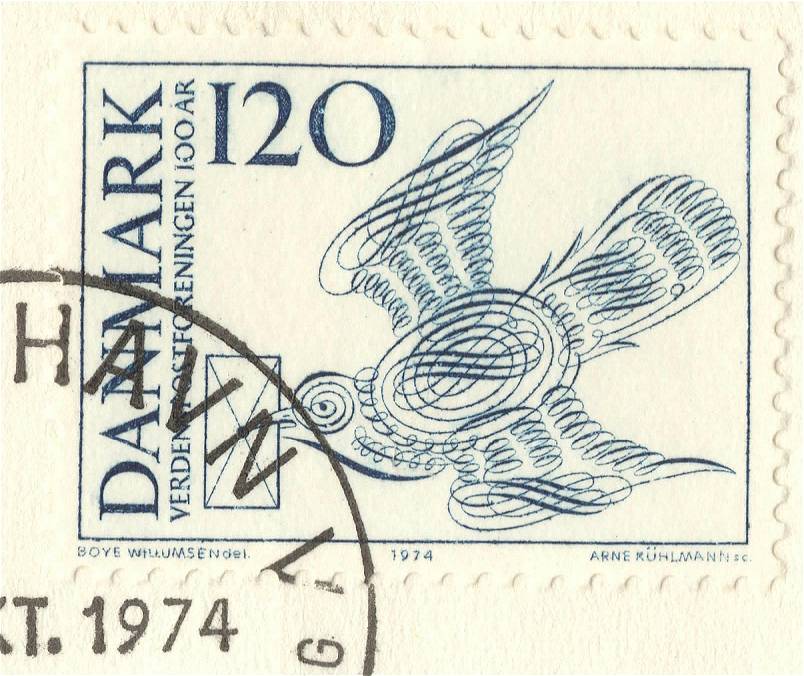
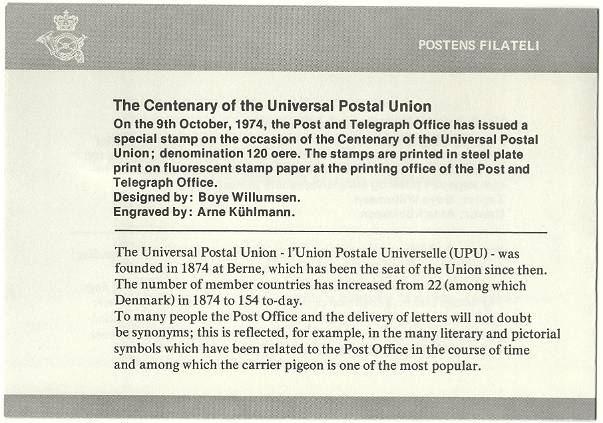
Like most Australians, I use Gibbons as my primary source but once again, I've been led astray. I have been thinking that when they say a stamp is recess, it is engraved but this is not always true.

I've been going over my stamps from Finland which I originally bought and sorted using my Gibbons Scandinavia catalogue. Everything seemed fine until, at a club auction, I invested $2 in a 1993 Facit Specialised catalogue that nobody else seemed to want. If I'd bought Apple shares in the 1980s, I wouldn't have been any happier with the return on my investment.
So, getting back to the point, I'm re-sorting everything with both cats open and suddenly, in the 1930s, I'm finding that a lot of the stamps I have acquired are not engraved at all. Gibbons calls them recess but Facit says they were printed by copperplate recess but the dies were produced by a process called "grain-etched photogravure", not by hand engraving. There is no doubt that if I had looked closely before I bought them, which is hard to do online, I would have noticed the difference. Here is an example.

This is from the 1938 Red Cross set. Others produced in the same way include:
1937 Marshall Mannerheim,
1938 Skiing, Disabled soldiers, American settlement and Tercentenary of the Finnish Post Office
1940 Helsinki University
1941 Red Cross Fund
1943 and 1944 National Relief Fund
1945 Sports Fund, Red Cross Fund
After 1945, they go back to engraving, mostly on copper rather than steel by the look of it.
This older Facit also has a lot of engraver names that are not found in Gibbons. I have not had a chance to look at a more recent issue but if this quality was continued, that will be my Scandinavia reference from now on.
I hope this rather long-winded post helps others avoid the disappointment this has caused me.





 Posted 01/05/2019 11:54 pm