| Author |
 Replies: 3,980 / Views: 1,934,940 Replies: 3,980 / Views: 1,934,940 |
|
|
|
Pillar Of The Community
Czech Republic
623 Posts |
|
|
65170 - Glenn, I only just managed to take one look at your list last Friday and could see it was great, containing all the details down to use periods.
lithograving holds that the study of types of presses in use is well worth our interest because to a large extent affecting the appearance of the postage stamp. I am of the same opinion.
Take the ÖSD products. I believe that no other process is able to capture / convey / pick up such wealth of delicate detail of the engraving except that which avoids transfer, under enormous pressure, from a hardened steel die onto a soft steel roll and again, after hardening, to a print plate.
The ÖSD process requires no tempering, no copying under tons of pressure to a soft steel transfer roll. Instead, the die is impressed into a thin lead plate from which the engraving is duplicated by electrotypy, a process which saves even the tiniest detail.
Compare e.g. the 1943 Germany Wehrmacht issue of 12 semi-postals, which are a memento for me of Hitler's war folly successfully sold to the German people and bringing about not only an enormous loss of life and devastation to them but also to a large part of Europe as well as much of the world. The set was designed by Erich Meerwald and engraved by both Berlin and Vienna master engravers, some of the stamps printed in Berlin and some in Vienna. Even if the presses in both printing works were first-rate you can easily see what extreme fineness and density of the engraved line the Vienna presses were capable of producing.
The same differences apply to various postage stamp printing presses used all over the world. In addition, there are various techniques adapted by printers that set apart stamps printed on the presses of the same make in, say, Belgium and ex-Czechoslovakia.
Thank you for the excellent illustration of the "two extension holes". Here, we just call them WIFAG printing dates and sheet numbers. |
Send note to Staff 
|
| Edited by florian - 11/14/2012 04:00 am |
|
|
Pillar Of The Community
7838 Posts |
|
|
And now, we take you back once more to "Collecting by Engraver:" Jean Delpech (1916-1985) was a French artist and engraver born in Hanoi, in what was then the French colony of Indochina. Delpech studied at the Schools of Fine Arts in both Hanoi and in Paris, and eventually became a professor of engraving at the Paris school. Delpech was also appointed the official painter of the French Navy, and was a winner of the Grand Prix de Rome. Here are images of three examples of Jean Delpech's design and engraving work. - nethryk La Junon, designed by French marine artist Roger Chapelet (1903-1995), and issued by Gabon on November 23, 1968 for Stamp Day, Scott No. 234.  French Foreign Legion, designed by Jean Delpech, and issued by France on April 30, 1984, Scott No. 1928, Y&T No. 2311. Historical note: The Battle of Camarón, on April 30, 1863, between the French Foreign Legion and the Mexican army, is regarded by the Legion as a defining moment in its history. The conduct of the defense ascribed to the Legion a certain mystique, and Camerone became within Legion ranks synonymous with bravery and a fight-to-the-death.  Lake Geneva Life Saving Service, designed by Jean Delpech, and issued by France on June 15, 1985 to commemorate the organization's centenary, Scott No. 1981, Y&T No. 2373.  |
|
Send note to Staff
|
| Edited by nethryk - 11/12/2012 09:21 am |
|
|
Pillar Of The Community
Czech Republic
623 Posts |
|
|
nethryk - Great designs, great engravings. I am an old fan of Jean Delpech' style. Thanks. |
|
Send note to Staff
|
| Edited by florian - 11/12/2012 09:34 am |
|
|
Pillar Of The Community
Canada
5821 Posts |
|
|
I go away for a weeks vacation and lo and behold I find a wealth of info regarding printing presses etc.  It's going to take a week to digest all of this. Thanks Florian and Glenn. Florian, concerning the Austrian State Printer's use of WIFAG pressess, when I said on page 75 : Quote:
I'm just wondering whether the Austrian State Printer used the same
WIFAG press(es) since they began printing multicolour combination
recess & photo in the late sixties ? I guess I speculated/surmised that the ÖSD also used WIFAG recess/photo combo presses such as the ones used by the Czechoslovakian State Printer which you mentioned in your post directly before mine. Sorry for the confusion. |
|
Send note to Staff
|
|
|
Pillar Of The Community
Canada
5821 Posts |
|
|
Florian you mentioned the 1943 German Wehrmacht/Heroes Memorial Day issue. Five were printed by the State Printer in Vienna. Engraved by Ferdinand Lorber(Michel 832, 833), Rudolf Zenziger (Michel 837, 842) and Arthur Schuricht (Michel 838) Seven were printed by the Reichsdruckerei in Berlin. Engravers were W. Hertz (Michel 831), Jan Piwczyk (Michel 834,839) Leon Schnell (Michel 835-836), W(erner?) Görlitz (Michel 840) and B. Chabada (Michel 841) I really can't see any distinct differences between the Vienna or Berlin printers nor amongst the engravers. All in all they are for the most part poorly engraved in my opinion. It's almost if the engravers were rushed in order complete the job by a certain dead line. Even the two by the master engraver Lorber are nothing to brag about being probably his worst work ever. Anyway here they are, judge for yourselves. Germany Scott B218 - B229 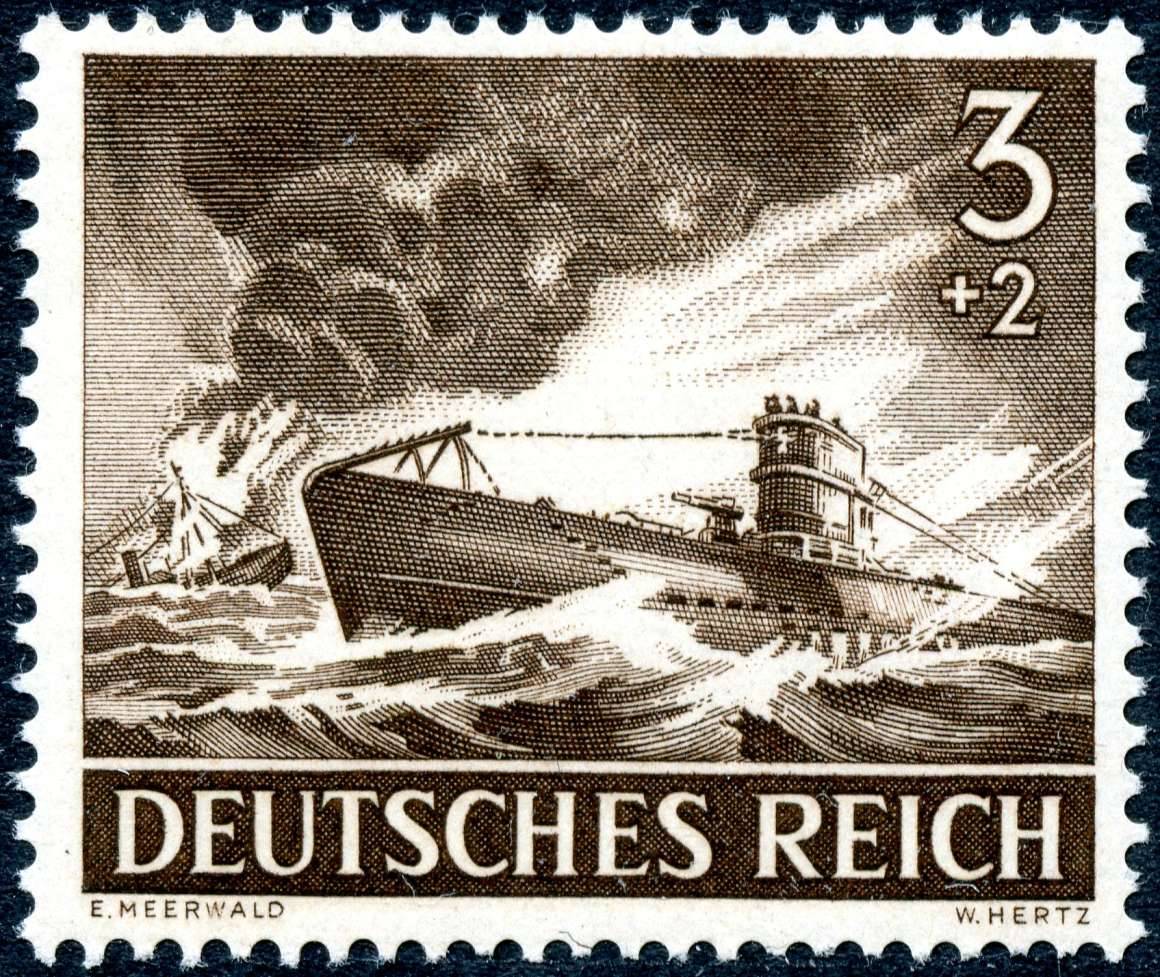 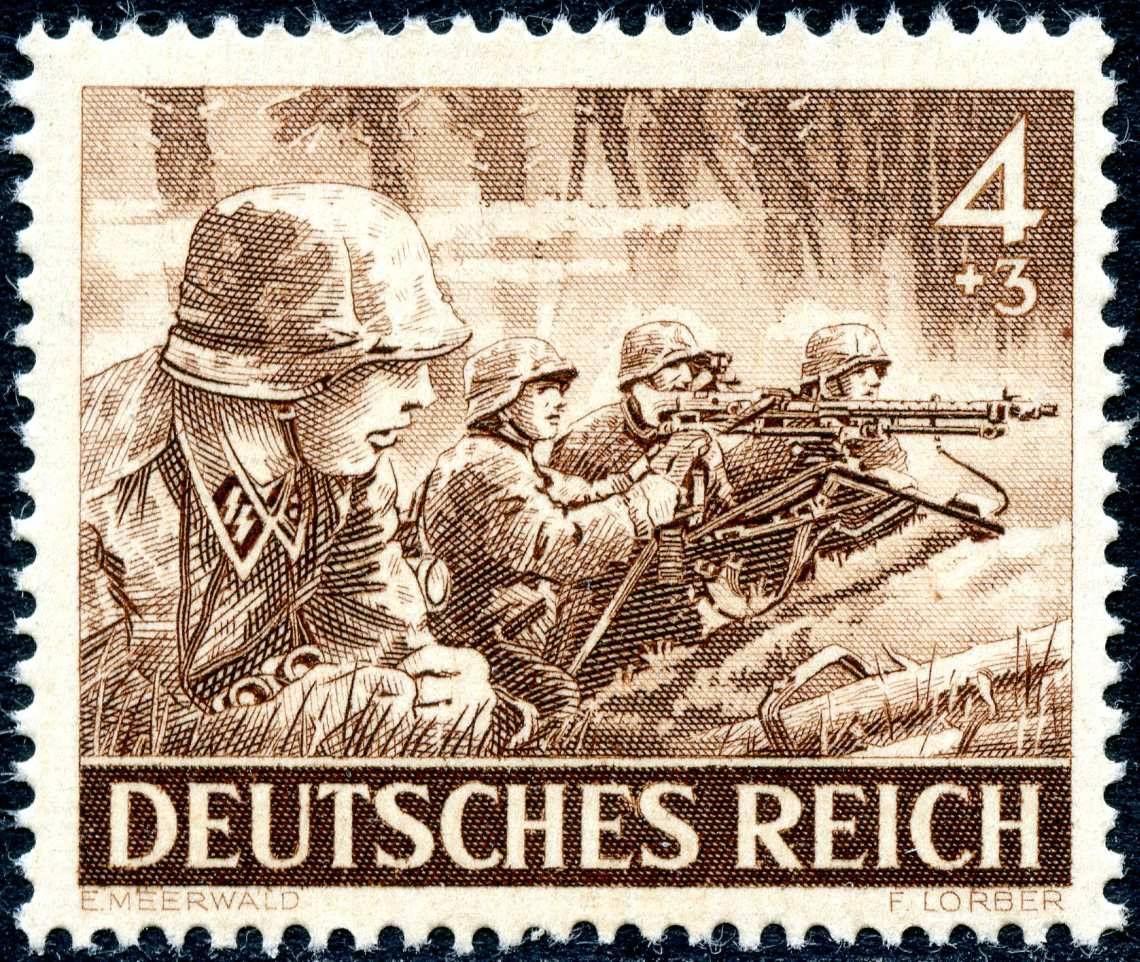 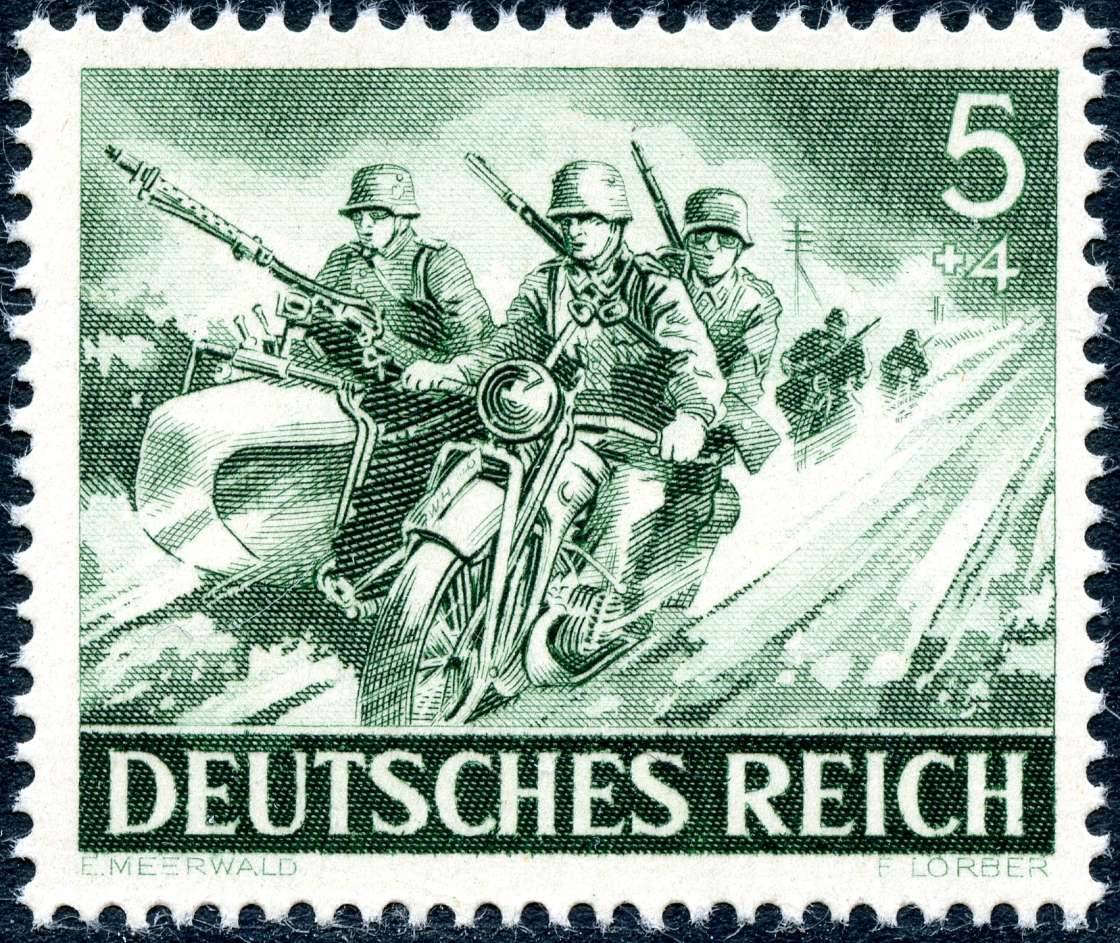 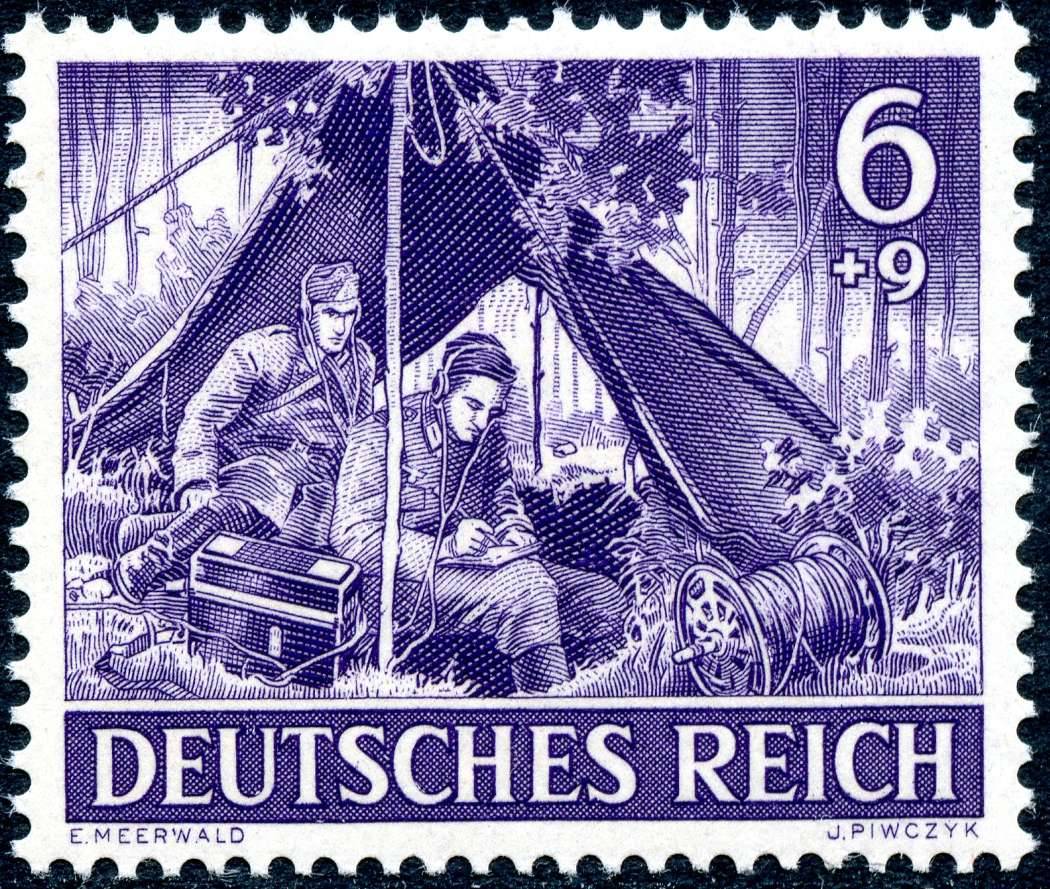 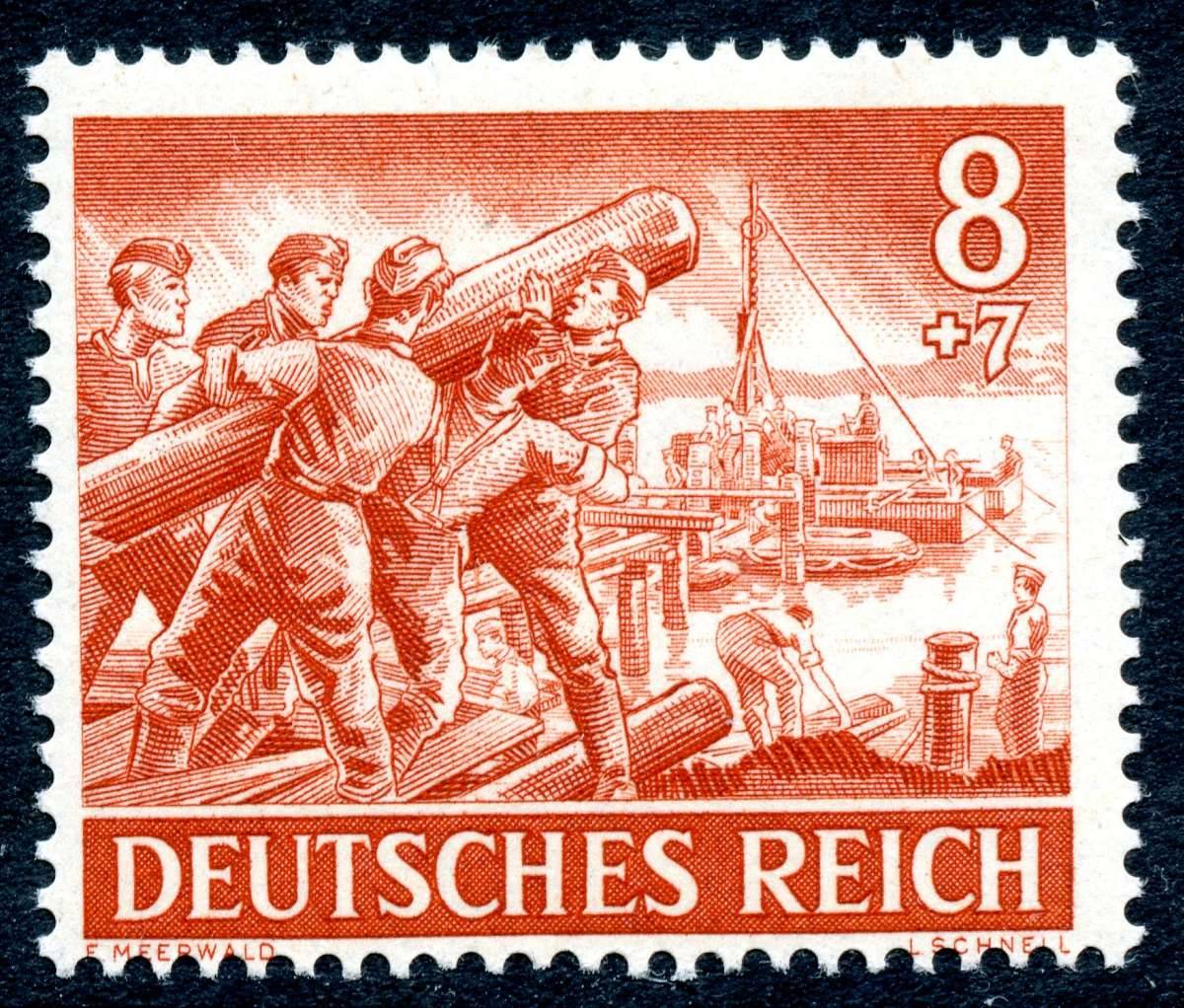 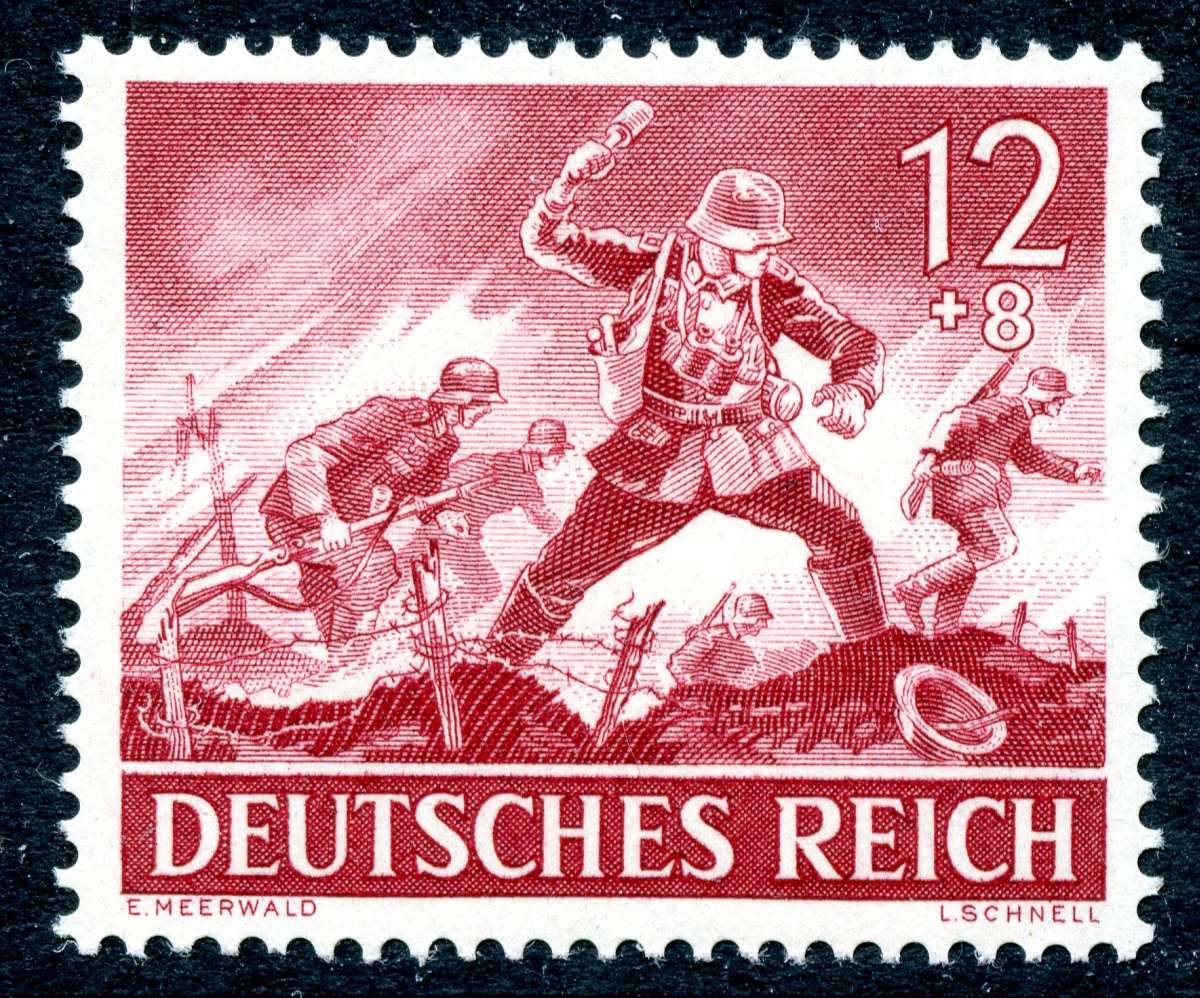 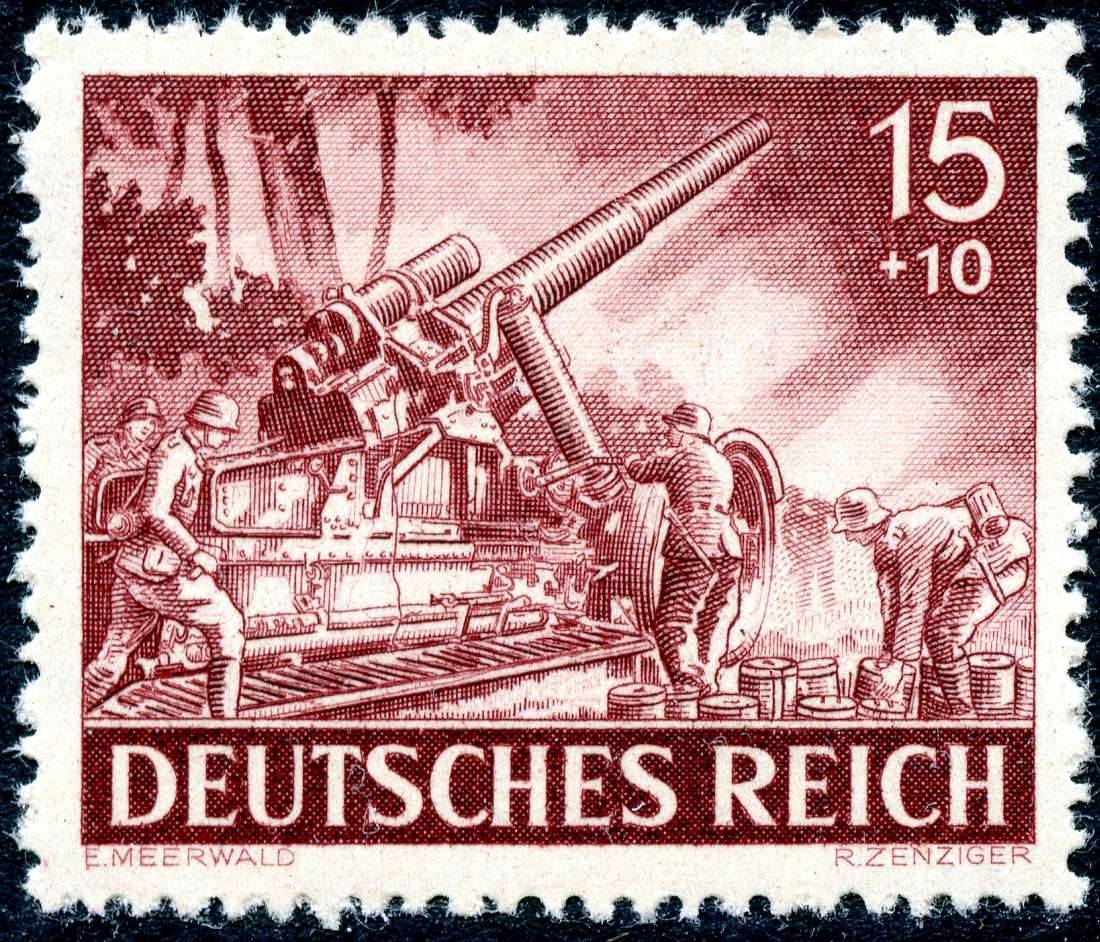 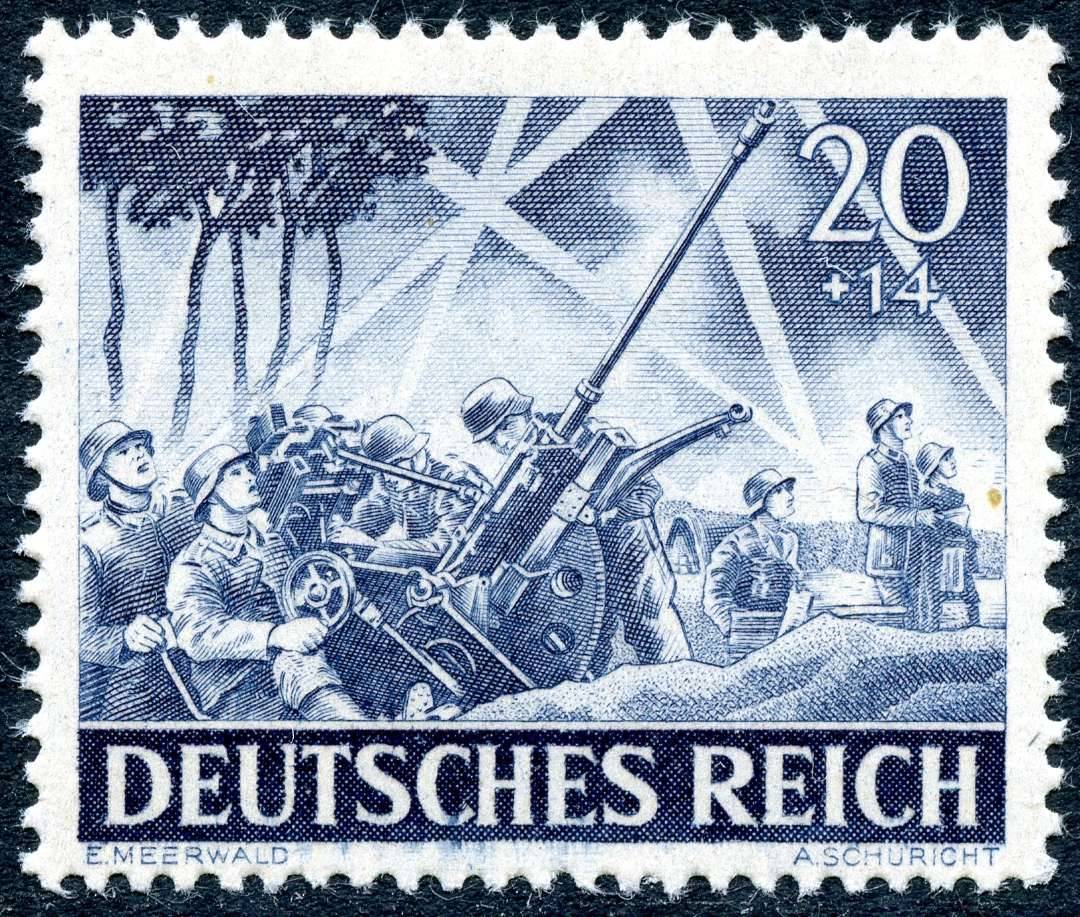 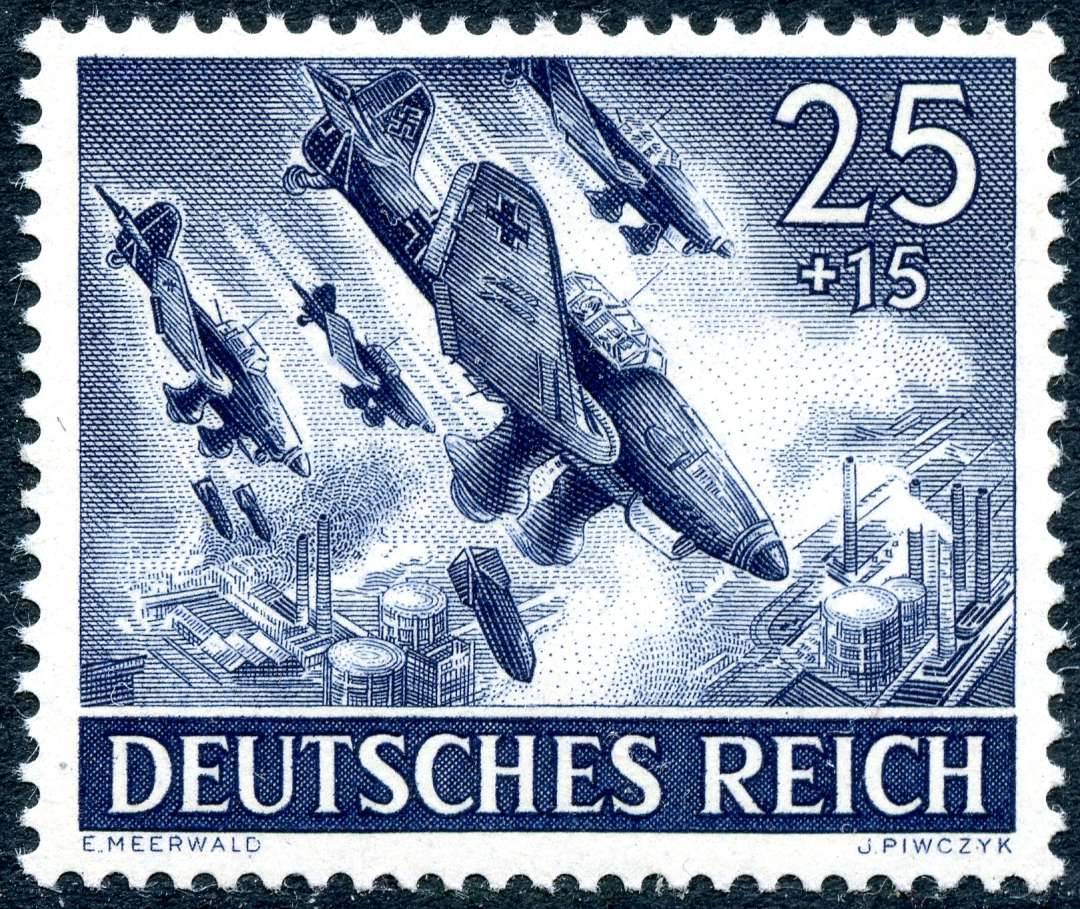 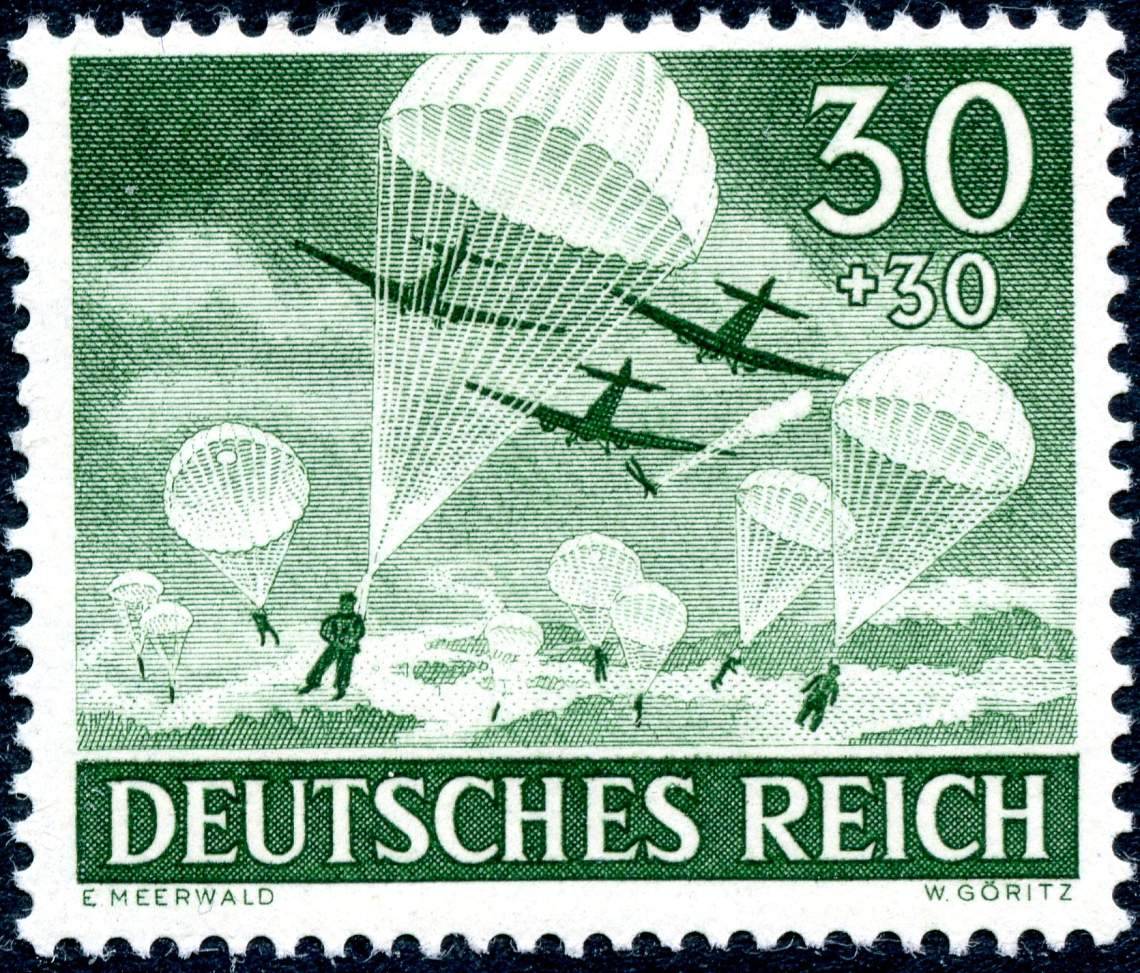 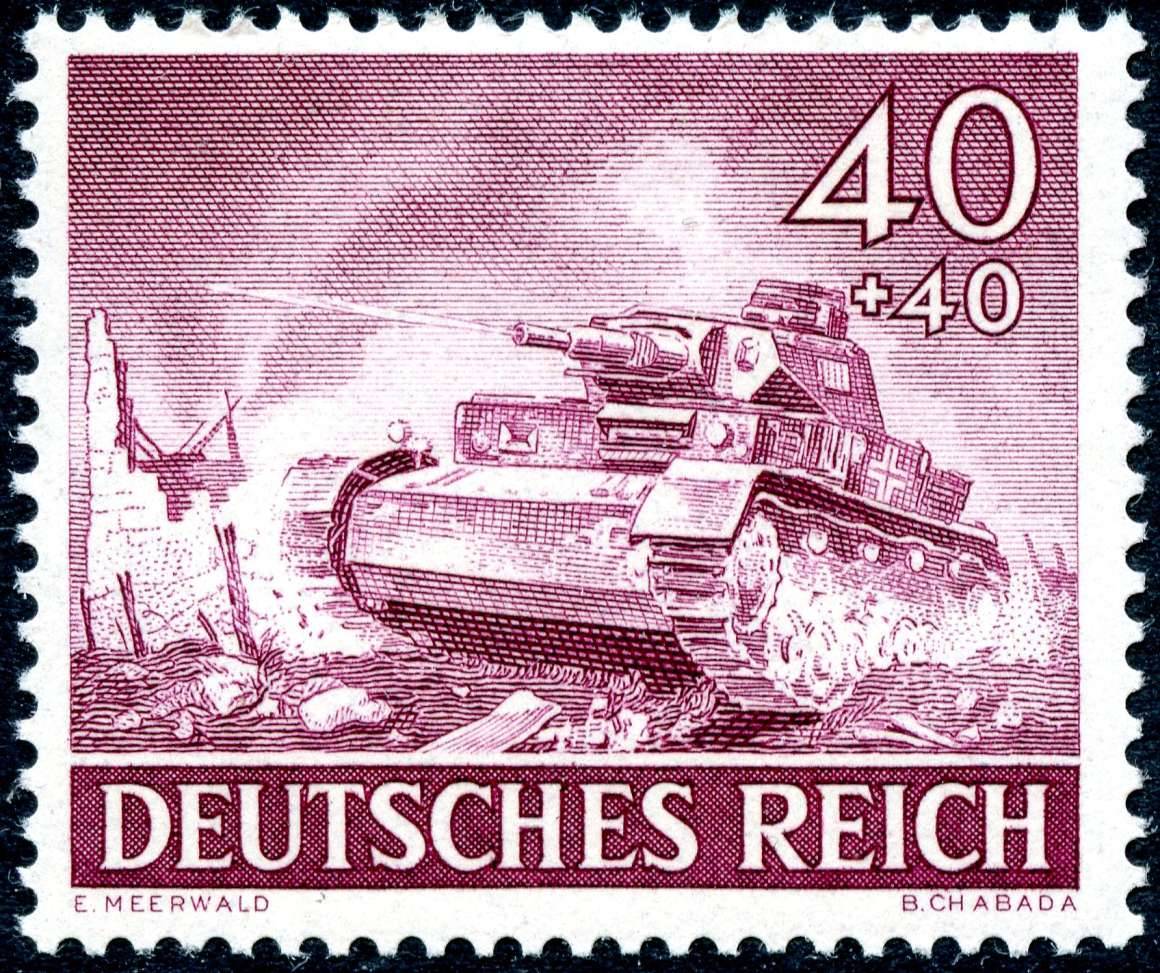 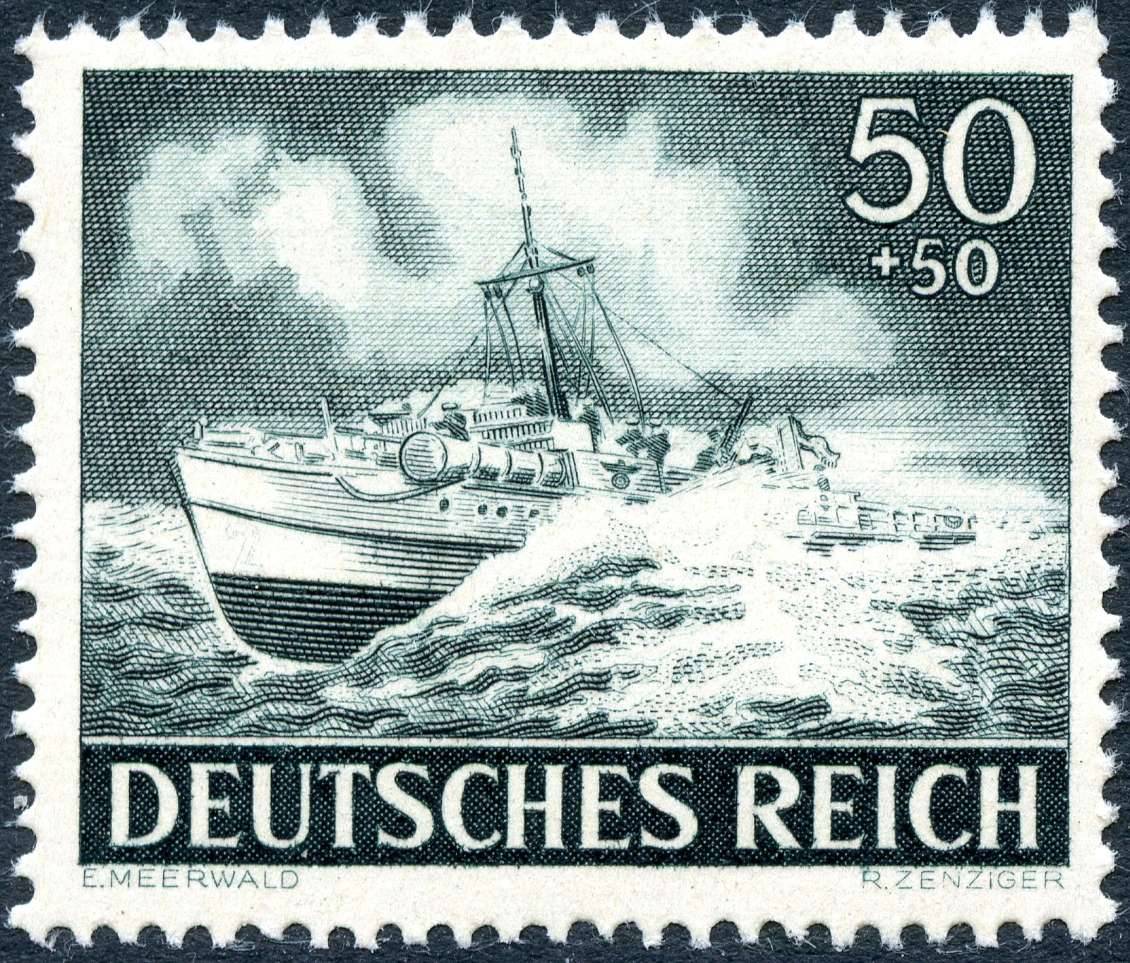 |
|
Send note to Staff
|
| Edited by lithograving - 10/08/2019 3:56 pm |
|
|
Pillar Of The Community
Czech Republic
623 Posts |
|
|
lithograving - Thank you for the images I have never seen in this resolution.
You may be right about hasty jobs of some of the engravers not quite up to their usual standards.
What I was chiefly concerned with was the technical side of the issue noting the different ways in which the Viennese engravers and their printing presses compared with those from Berlin were able to express such delicate atmospheric phenomena as mist, haze of dust, clouds, etc.
This is where I can see some distinct differences between the capabilities of the Vienna or Berlin printing presses even though both were first-class in their own way as for performance. The respective engravers relied on these capabilities and adapted their engraving styles to the printing presses.
I wonder what make printing presses were used by the Berlin Reichsdruckerei then. Goebel? And what about the Vienna Staatsdruckerei? Koenig & Bauer as in the 1950s?
Besides, this was the first time the Berlin engravers could be identified with their own work. Up to that time, their work used to be anonymous.
I have one more Deutsches Reich set in my collection of engraved stamps, a 1939 Winterhilfswerk set designed by the young Hann Trier (1915 -1999). No engraver was mentioned. |
|
Send note to Staff
|
| Edited by florian - 11/19/2012 09:58 am |
|
|
Pillar Of The Community
Canada
5821 Posts |
|
|
Florian I agree with absolutely that there are noticeable differences in the print quality between the Reichsdruckerei Berlin and the Staatsdruckerei Vienna wartime issues. Not always but frequently. Look at the ones below. The fine soft details are a dead give away that they were printed in Vienna, even before you see Ranzoni's name on the bottom ( Hans Ranzoni the younger (1896–1991)) I believe that the Mozart stamp has been shown before but I just want to use it to emphasize that there is no way the Berlin printer or the German engravers worked in the same way as the Viennese. GERMANY Scott B200 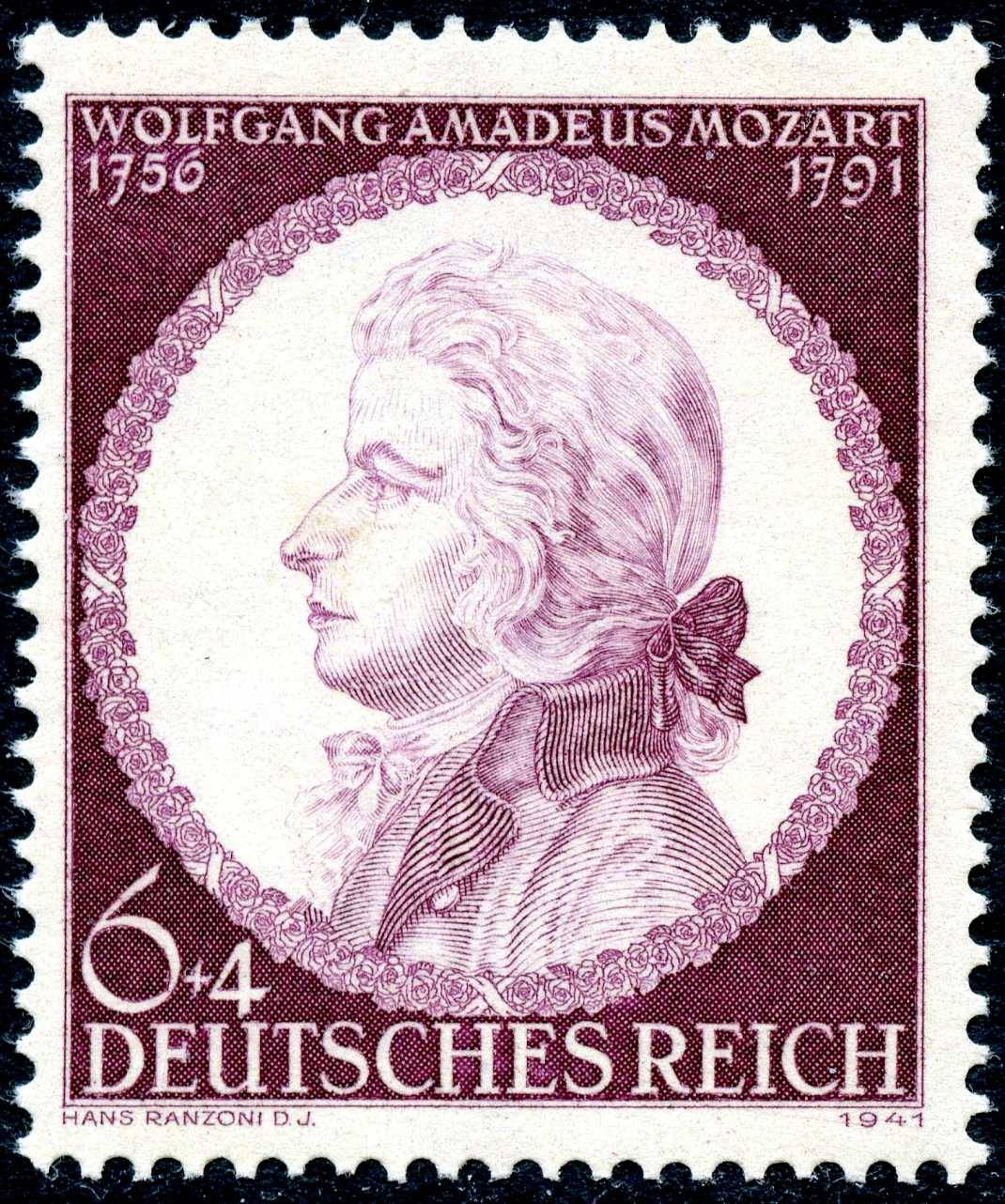 Scott B244 - B245 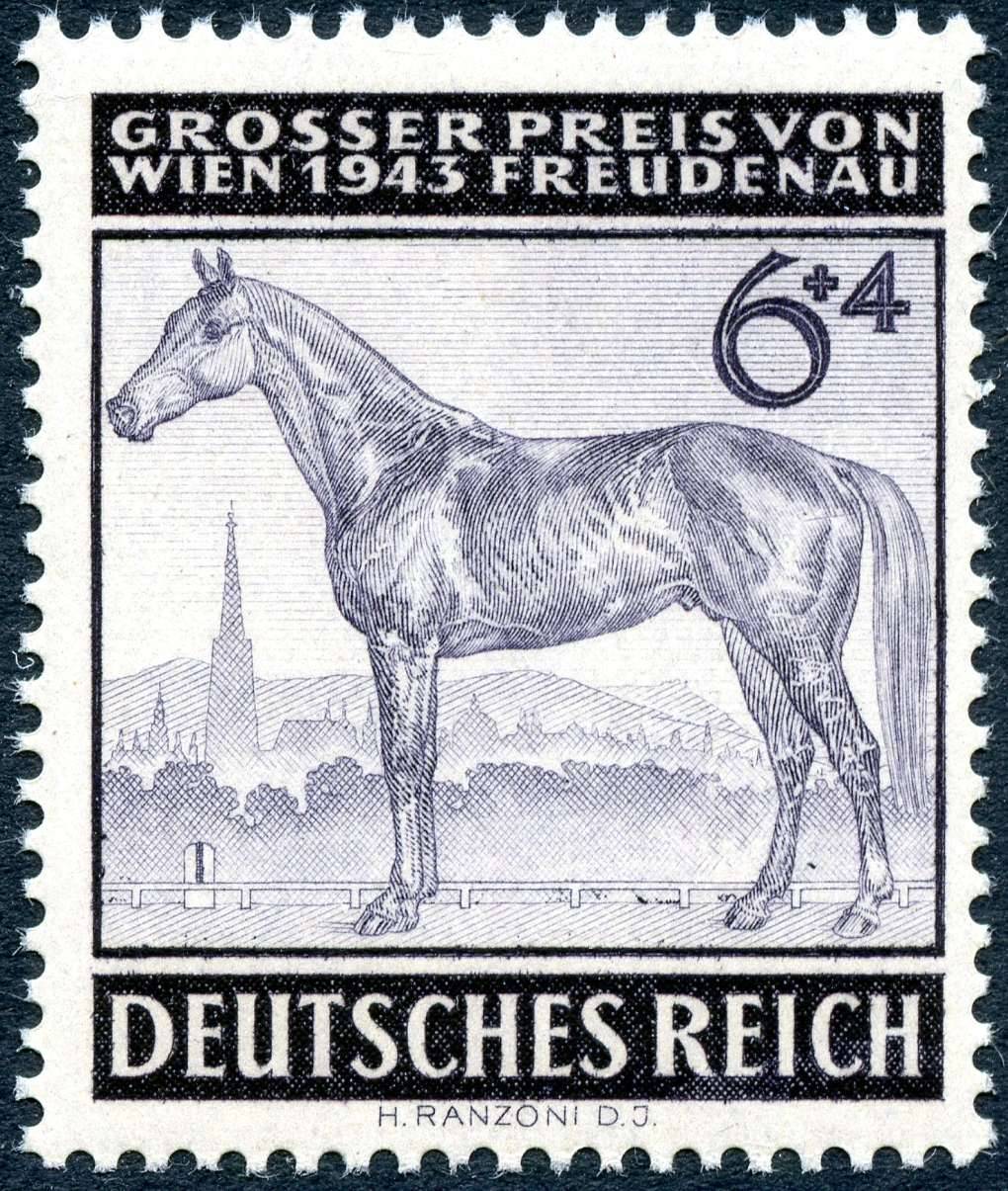 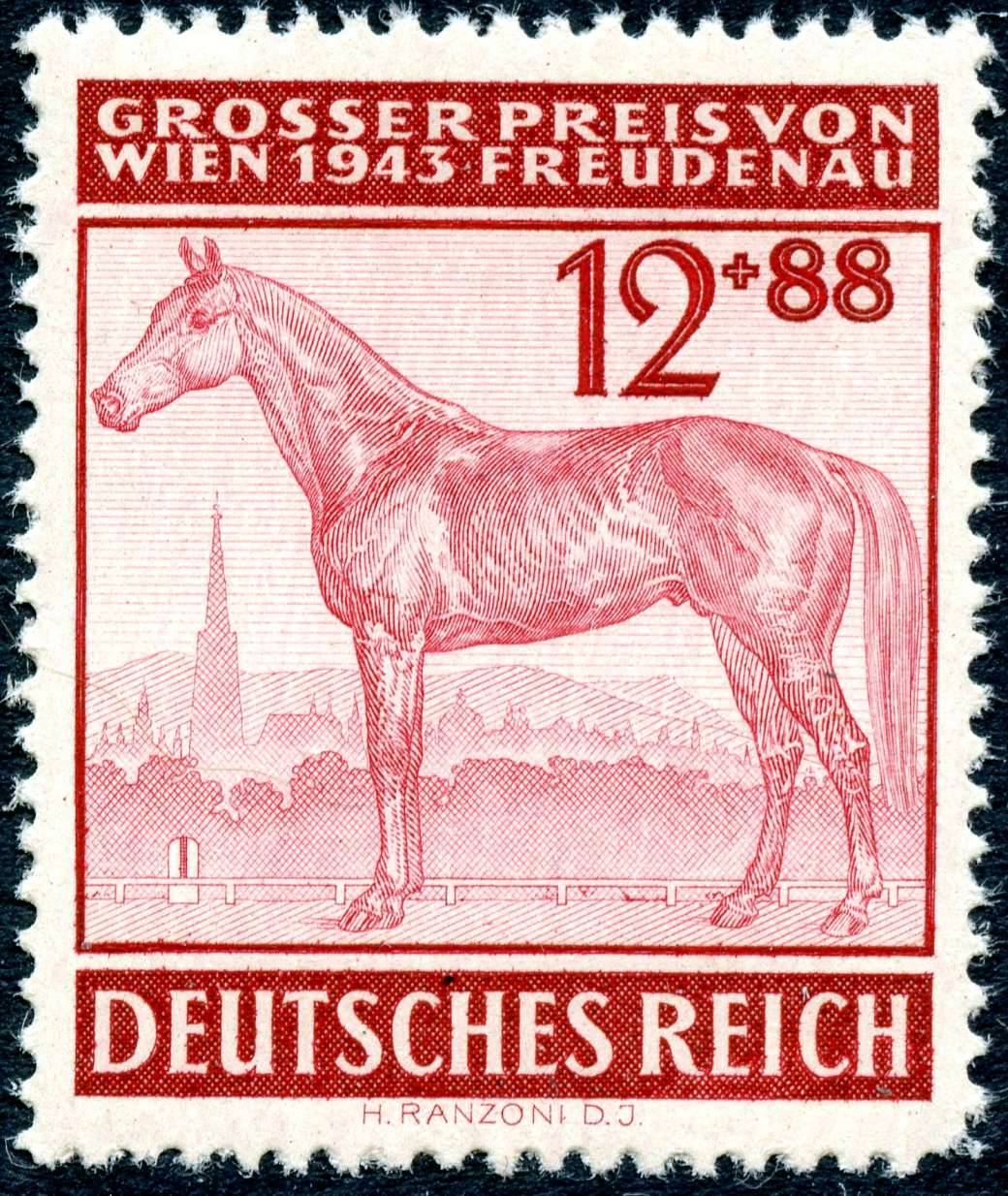 |
|
Send note to Staff
|
| Edited by lithograving - 10/08/2019 4:03 pm |
|
|
Pillar Of The Community
Canada
5821 Posts |
|
|
Here are a couple printed by the Reichsdruckerei/Berlin and engraved by Jan Piwczyk who was born in Poland and engraved stamps for pre-war Poland, then during the war for the Third Reich and after the war for the Federal Republic of Germany. Guess he had no desire to return to communist Poland after the war. Piwczyk sure knew which way the wind was blowing. GERMANY Scott B247 - B248 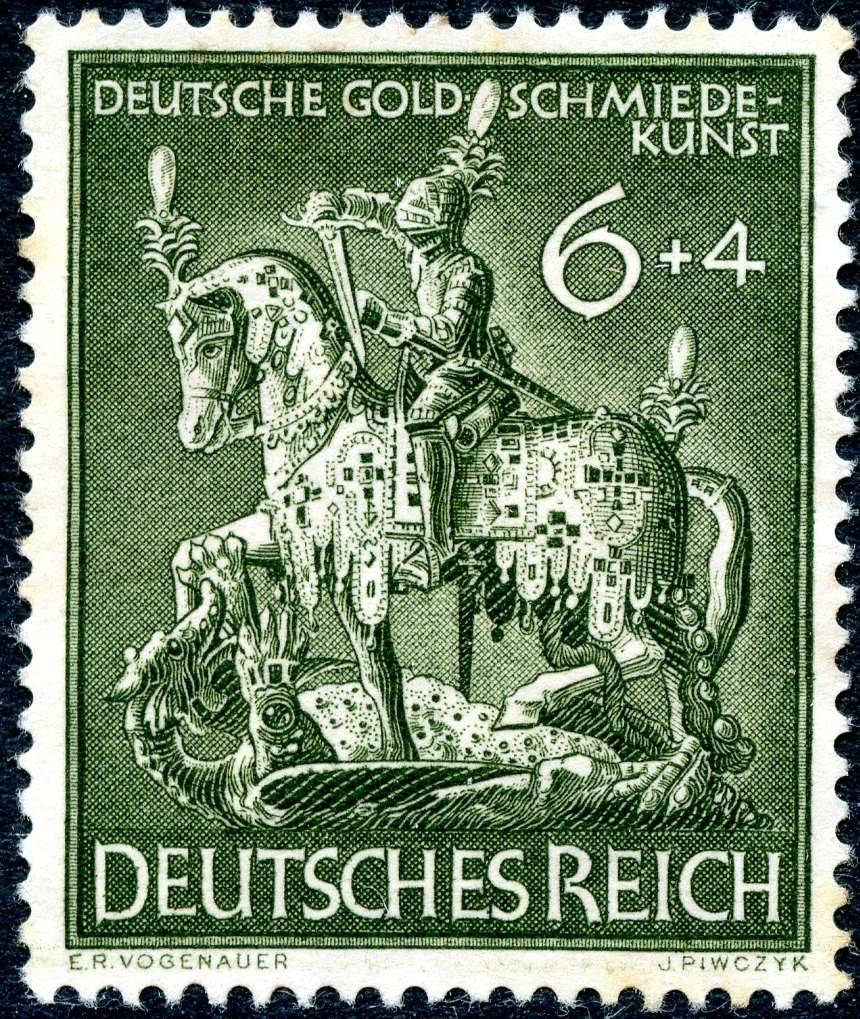 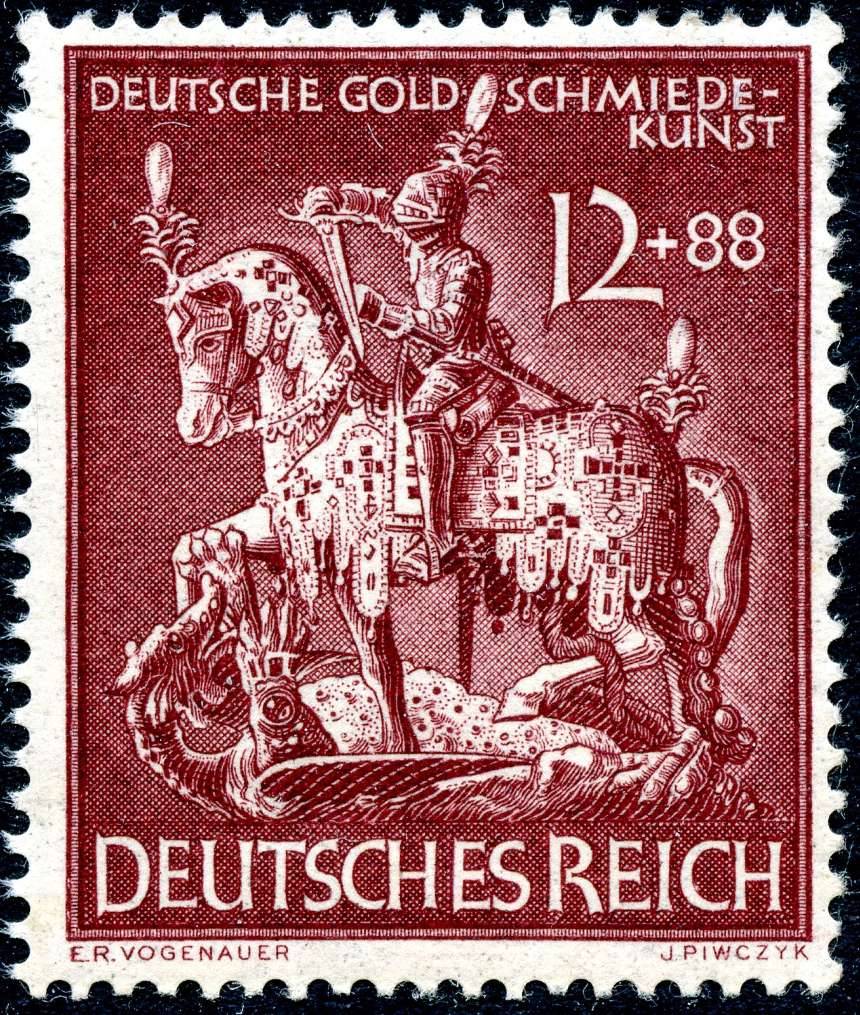 Piwczyk did a fine job for the Führer, looks almost like it was printed by the Staatsdruckerei but Michel says Berlin. Issued for Hitler's 55th Birthday. Last time he appeared on a stamp. Scott B271 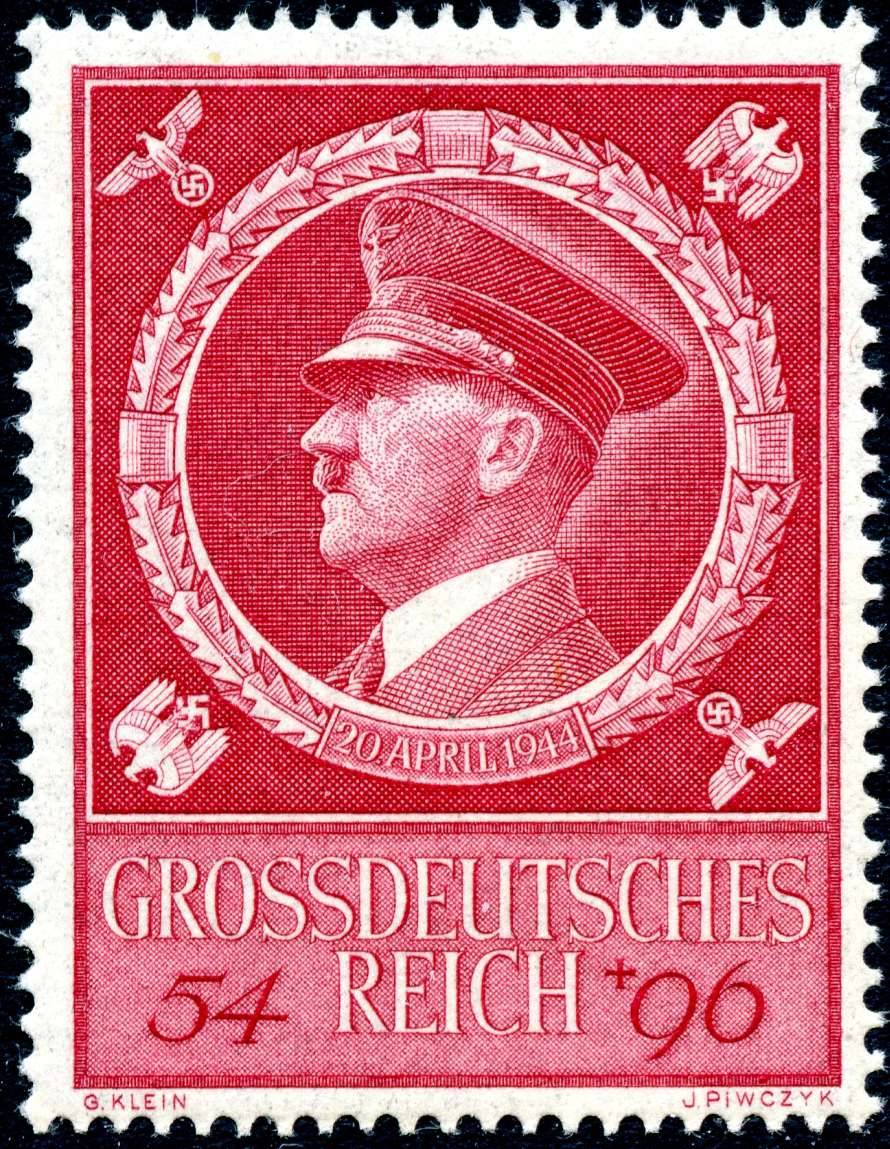 |
|
Send note to Staff
|
| Edited by lithograving - 10/08/2019 4:08 pm |
|
|
Pillar Of The Community
Czech Republic
623 Posts |
|
|
lithograving - I quite agree with your opinion that there are frequently noticeable differences in the print quality between the Reichsdruckerei/Berlin and the Staatsdruckerei/Vienna wartime issues and that the fine soft details are a dead give away that they were printed in Vienna because the Viennese engravers and printers did not work in the same way as their German counterparts.
Such indications, however, do not always (as you point out) hold good. Take e.g. the 1944 Robert Koch stamp engraved in the Berlin style by Berlin-based Jan Piwczyk and said to be printed in Vienna both by my old 1954/55 Lipsia Europa and 1989/90 Michel Deutschland catalogues. It certainly looks as if a Reichsdruckerei/Berlin press, not a Staatsdruckerei/Wien one, was used in Vienna to print it.
I know nothing about Jan Piwczyk except the stamps he engraved for pre-war Poland, the Third Reich and the F.R.G.
Knowing Poland's fate at the hands of the Third Reich and his own as viewed from outside and from the Third Reich stamps he engraved, he certainly had no choice left but stay where he was after his unprecented, unheard-of collaboration with the enemy in the propaganda field despised by Poles from both London- and Moscow-based emigrations.
Trying to google out his name, I just manage to spot the name among persons thanked by the B.B.C. for their part in the Liberation and Revenge episode of "Auschwitz: Inside the Nazi State. About. Credits". This will no doubt be a different person, however. But the atmosphere in those days is described well in it.
|
|
Send note to Staff
|
|
|
Pillar Of The Community
Canada
5821 Posts |
|
|
Quote:
Take e.g. the 1944 Robert Koch stamp engraved in the Berlin style by Berlin-based Jan Piwczyk and said to be printed in Vienna both by my old 1954/55 Lipsia Europa and 1989/90 Michel Deutschland catalogues. It certainly looks as if a Reichsdruckerei/Berlin press, not a Staatsdruckerei/Wien one, was used in Vienna to print it. Florian, again we are in perfect agreement. When I was scanning the Piwczyk engraved stamps I checked in Michel for the printer and when I saw beside the Robert Koch StTdr.(W) I was surprised. A catalogue error perhaps? Mixed up records due to post war events? GERMANY Scott B251 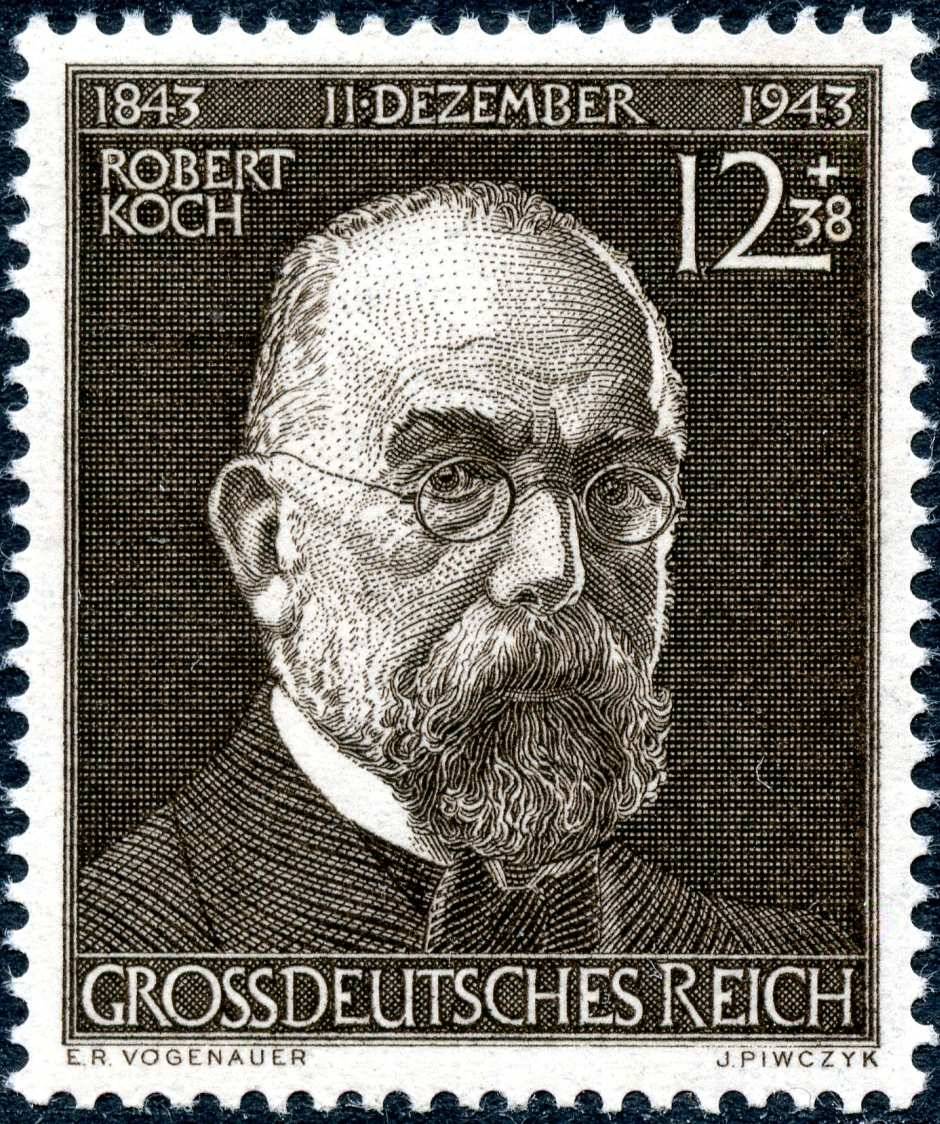 |
|
Send note to Staff
|
| Edited by lithograving - 10/08/2019 5:05 pm |
|
|
Pillar Of The Community
Canada
5821 Posts |
|
|
I would like to show a few Norwegian stamps designed & engraved by Knut Lokke-Sorensen. The set below was issued for The first widely known ski jumping competition was the Husebyrennene, held in Oslo in 1879, with Olaf Haugann of Norway setting the first world record for the longest ski jump at 20 metres.[1] The annual event was moved to Holmenkollen from 1892, and Holmenkollen has remained the pinnacle of ski jumping venues. as per Wikipedia. Scott 741 - 743 1979 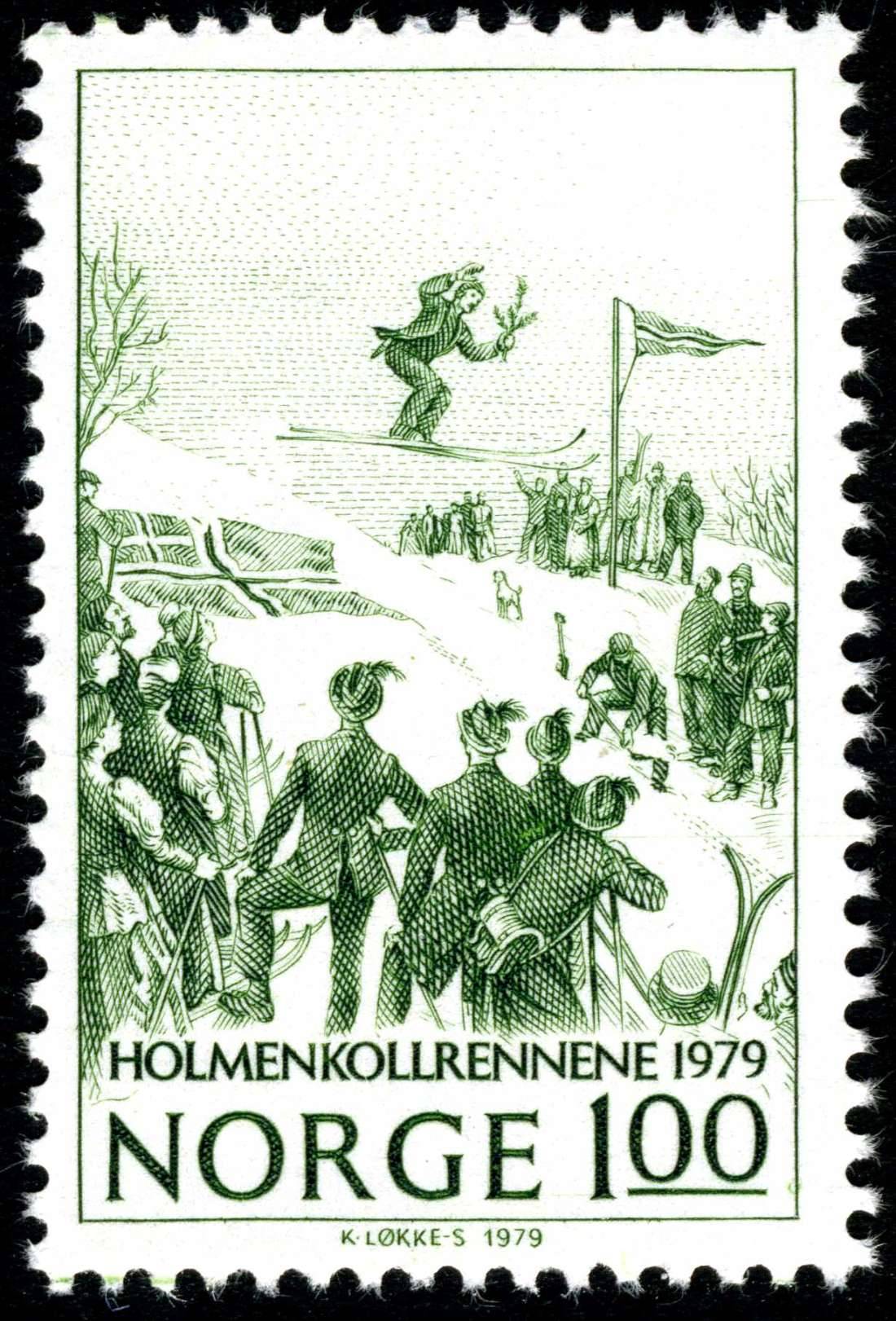 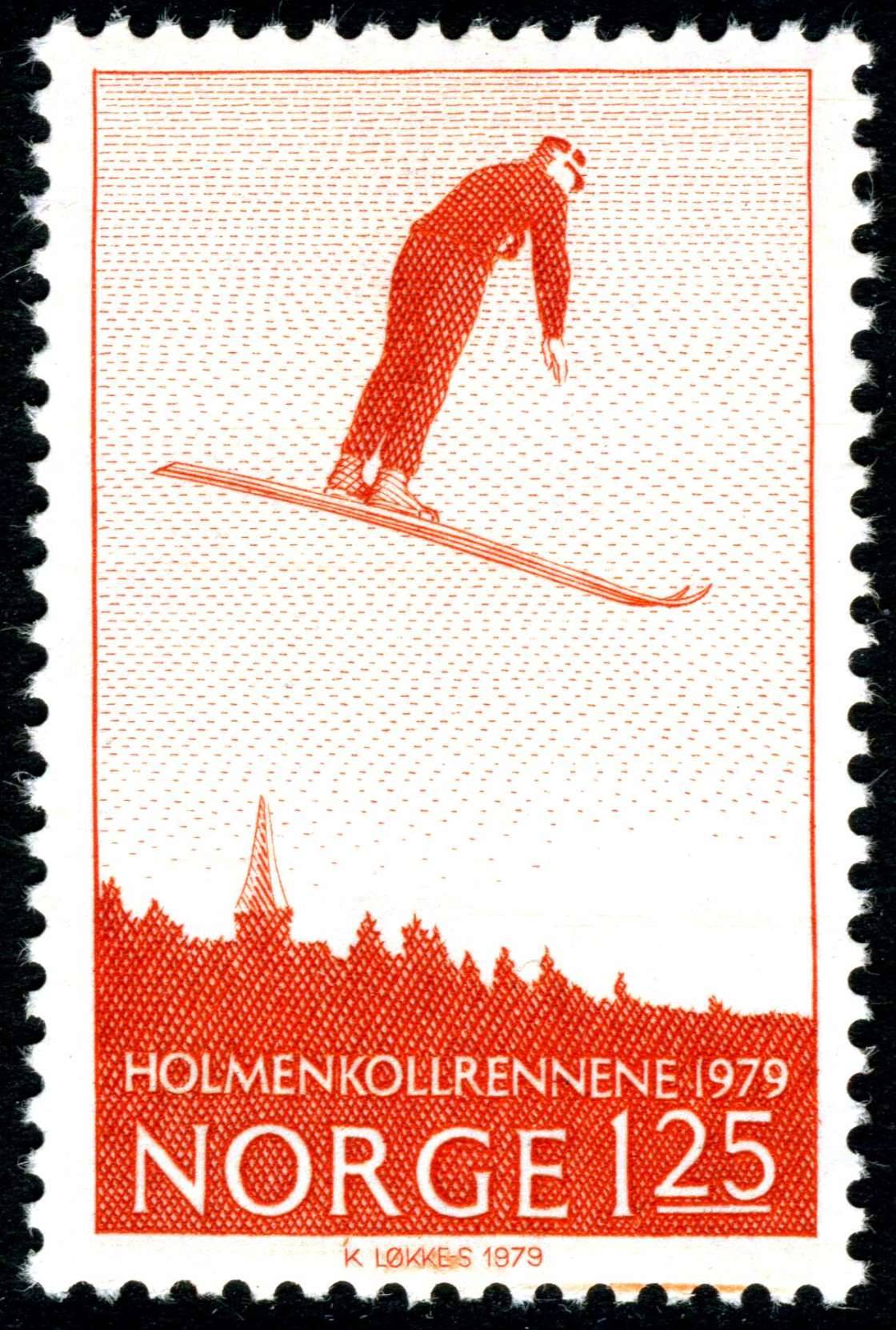 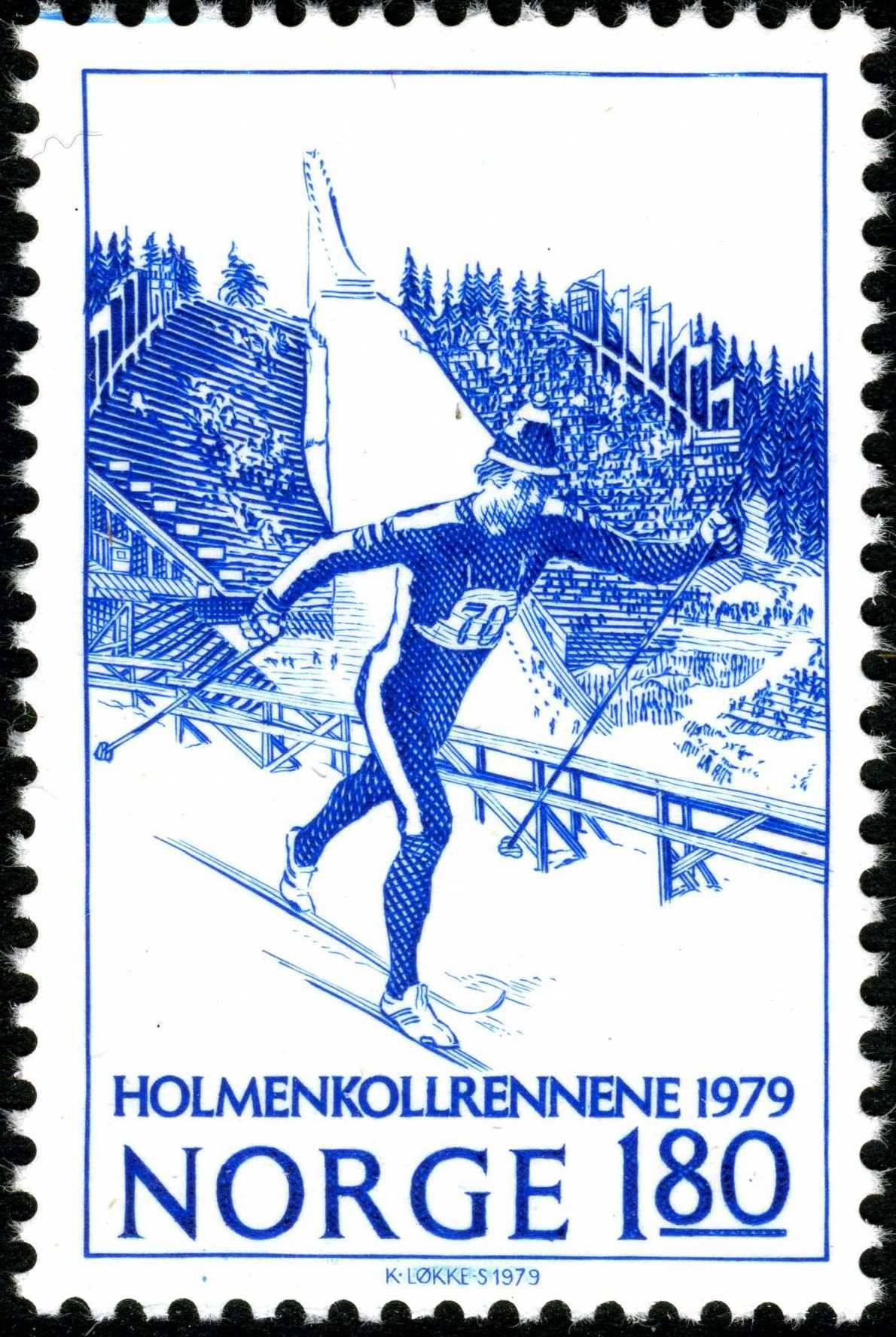 |
|
Send note to Staff
|
| Edited by lithograving - 10/08/2019 7:59 pm |
|
|
Pillar Of The Community
Canada
5821 Posts |
|
|
This set for NORDEN shows cast iron art, engraved by Knut Lokke-Sorensen. Scott 766 - 767 1980 Vulcan the weapons smith 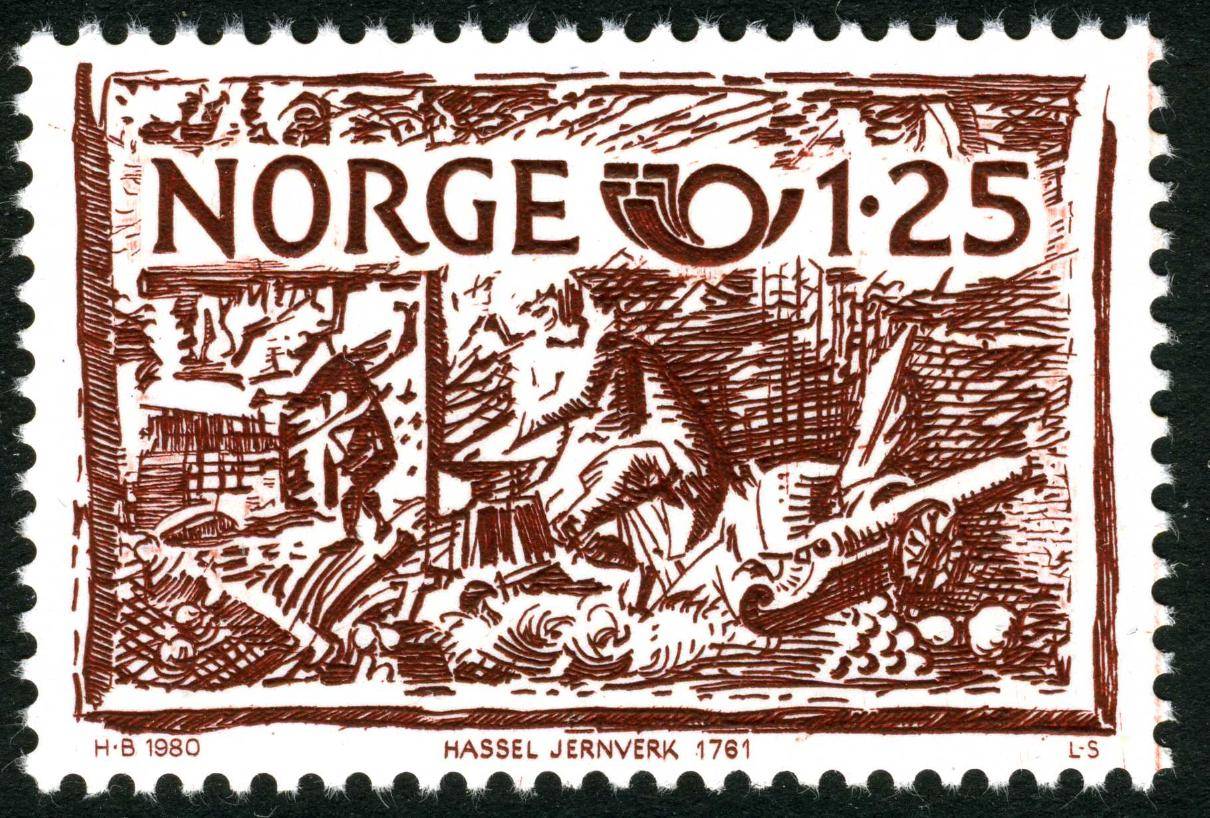 Hercules in front of burning altar. 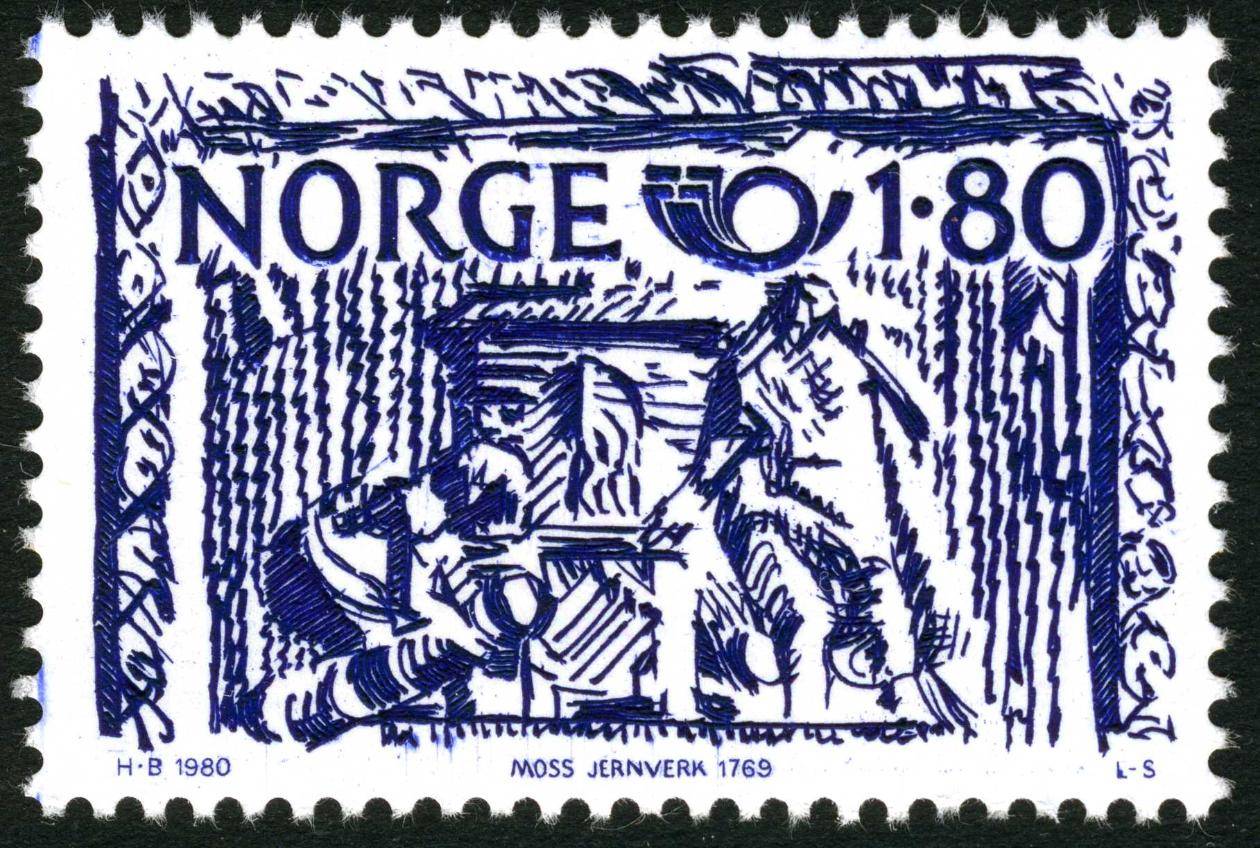 |
|
Send note to Staff
|
| Edited by lithograving - 10/08/2019 8:02 pm |
|
|
Pillar Of The Community
Canada
5821 Posts |
|
|
Various inland vessels. The 1.10Kr,1.50Kr & 2.30Kr engraved by Knut Lokke-Sorensen. and Sverre Morken the 1.30Kr Scott 786 - 789 1981 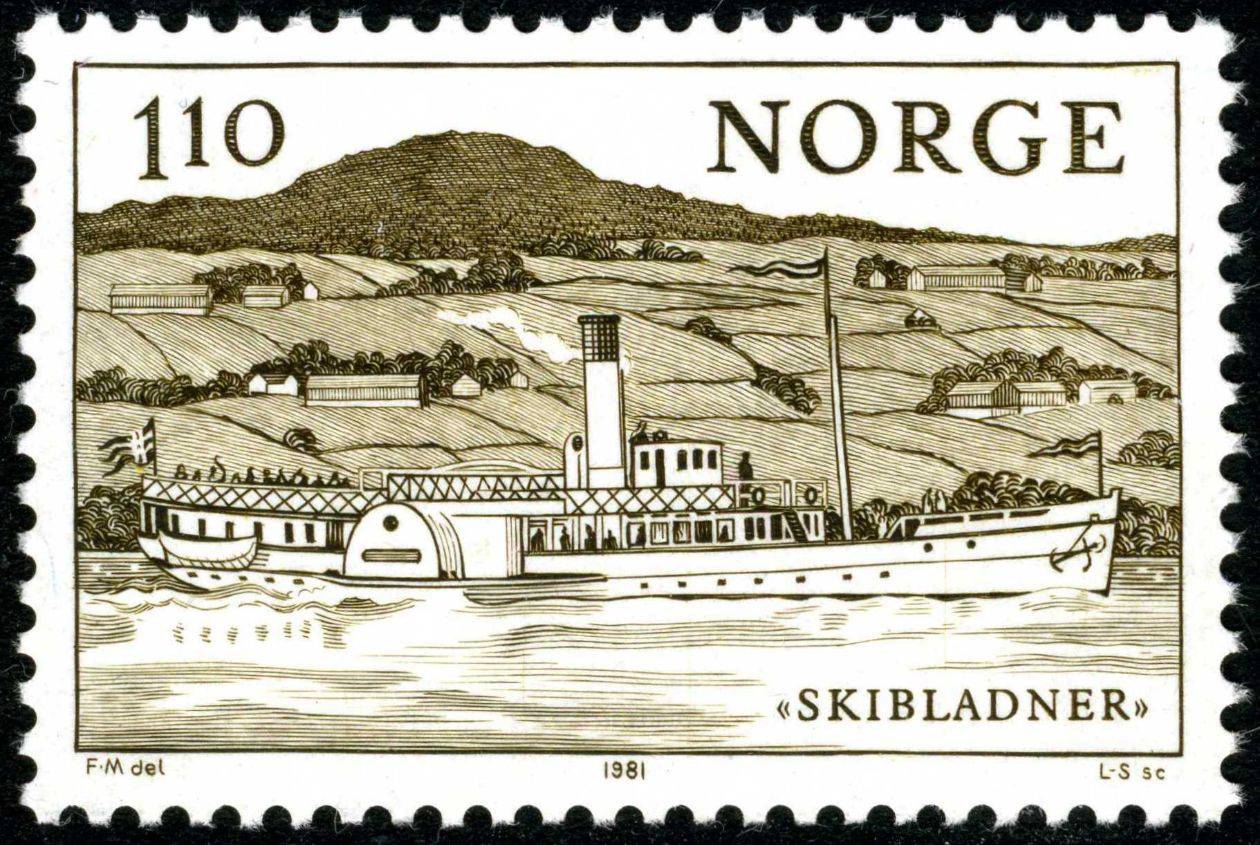 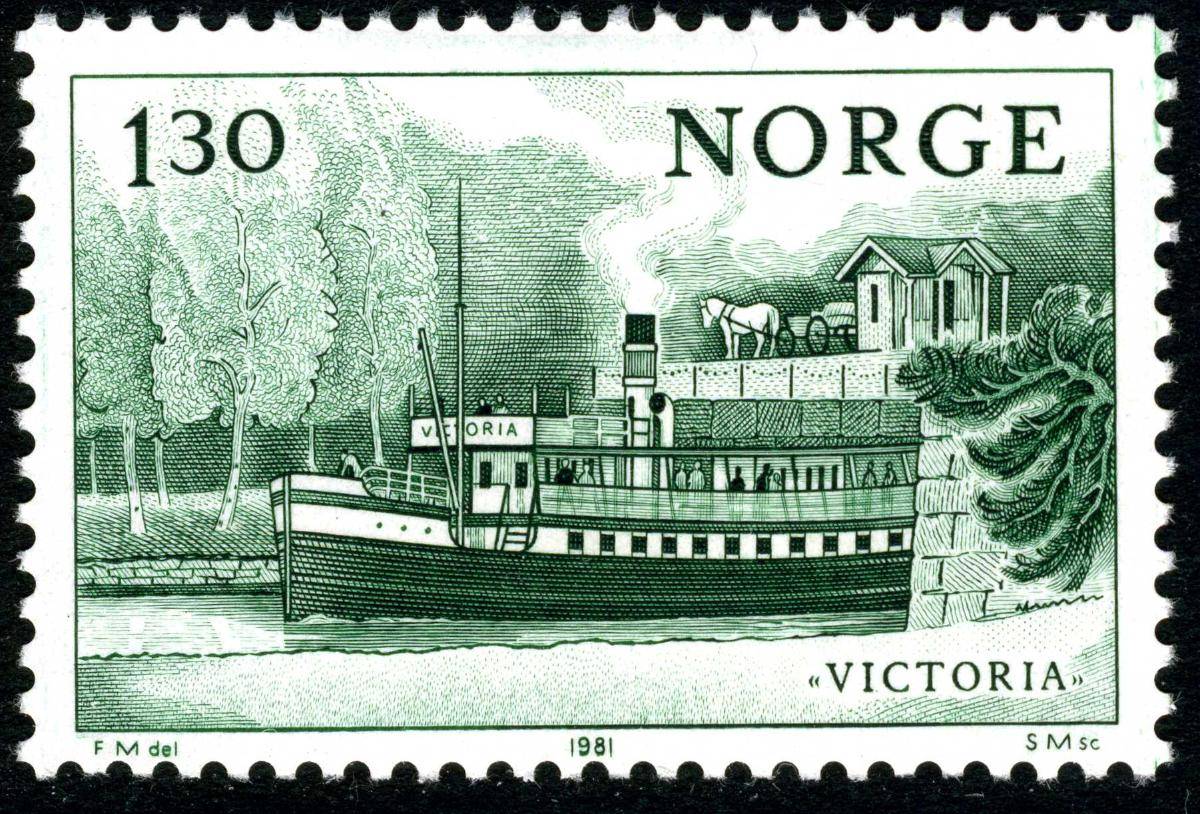 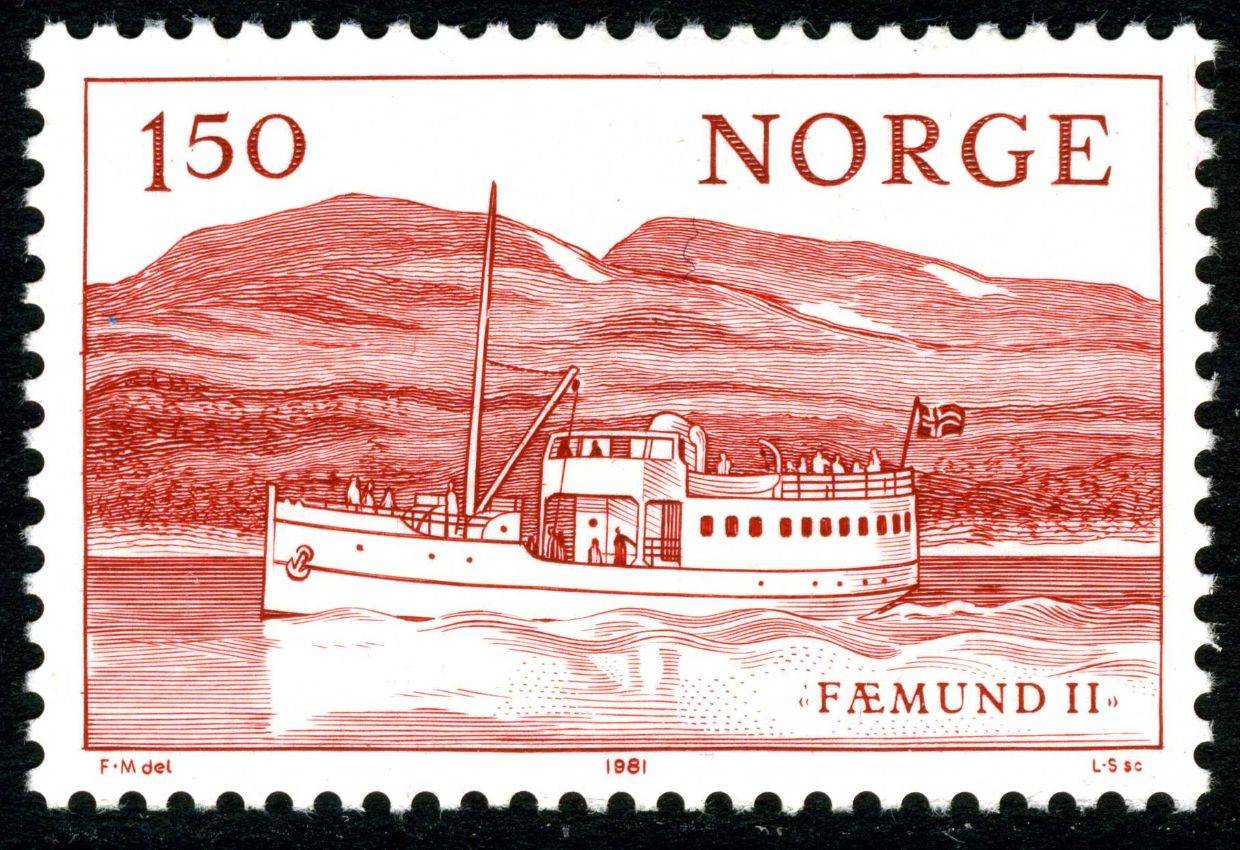 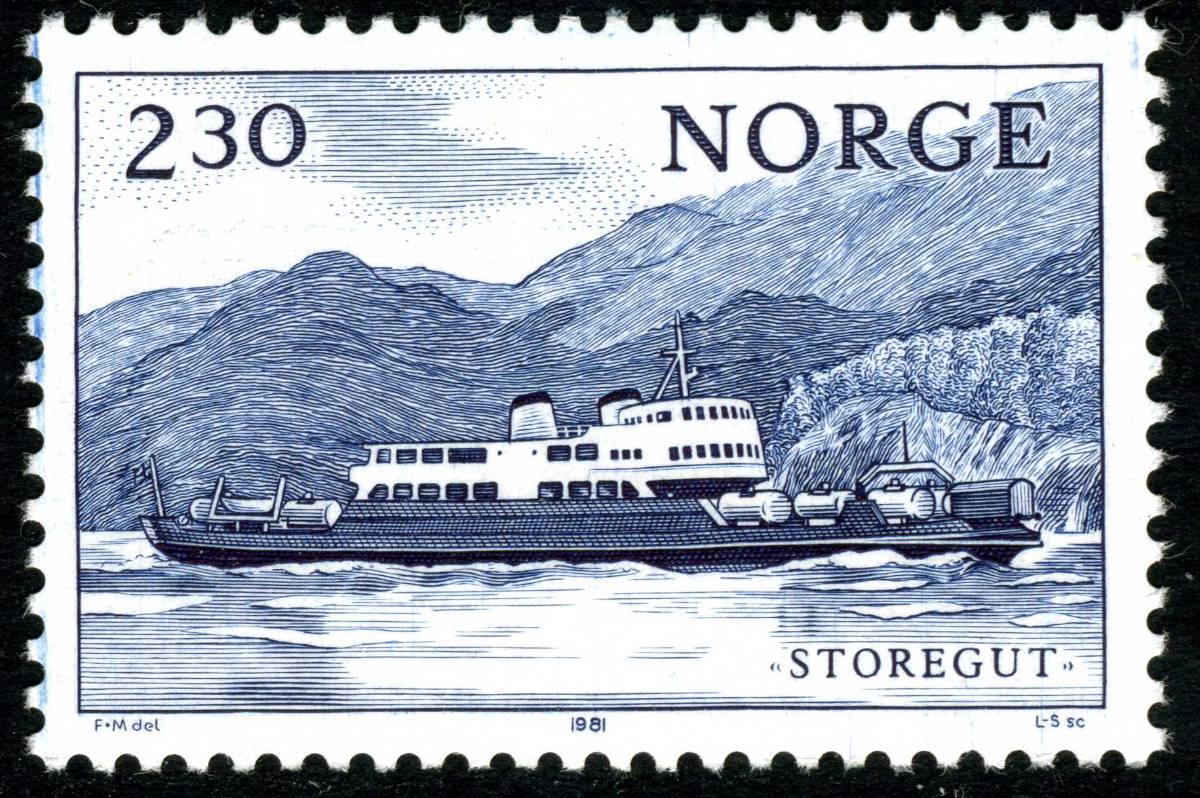 |
|
Send note to Staff
|
| Edited by lithograving - 10/08/2019 8:04 pm |
|
|
Pillar Of The Community
Canada
5821 Posts |
|
|
This set was issued for the International Year of the Handicapped. Printed combination recess engraving & offset Engravers : 1.50Kr Knut Lokke-Sorensen 2.20Kr Sverre MorkenScott 790 - 791 1981 Both stamps show that the handicapped are an equal part of society. 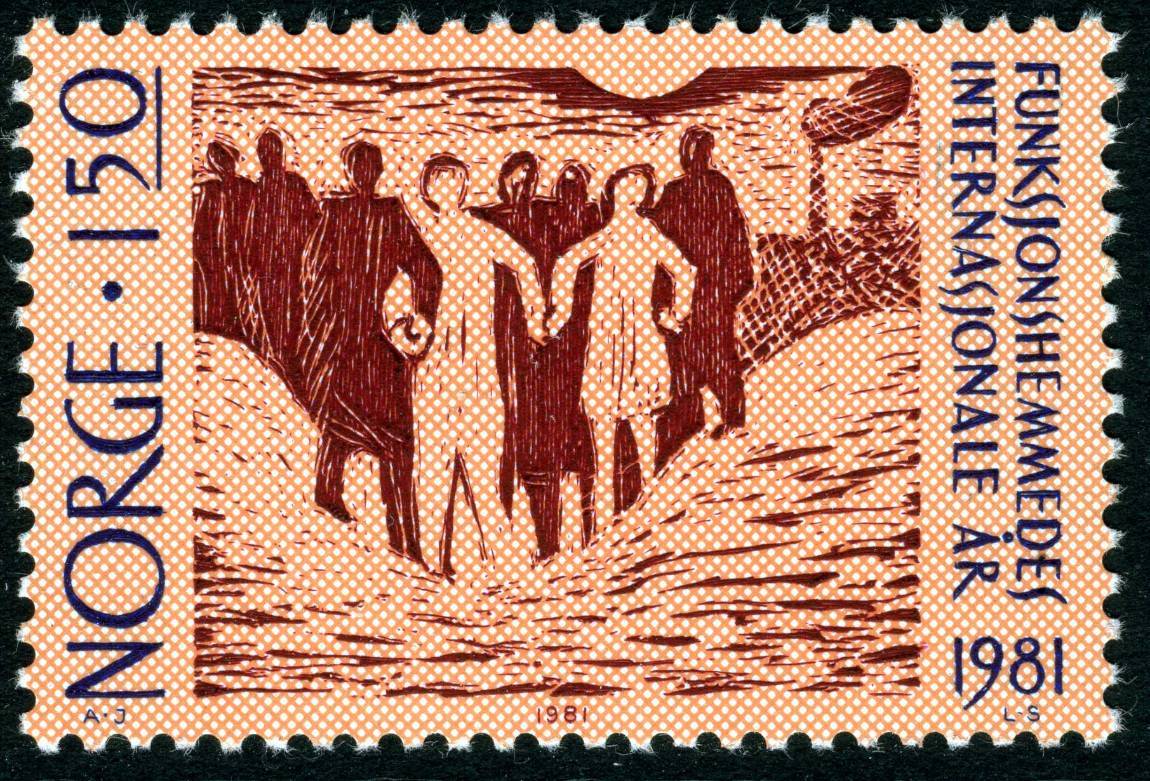 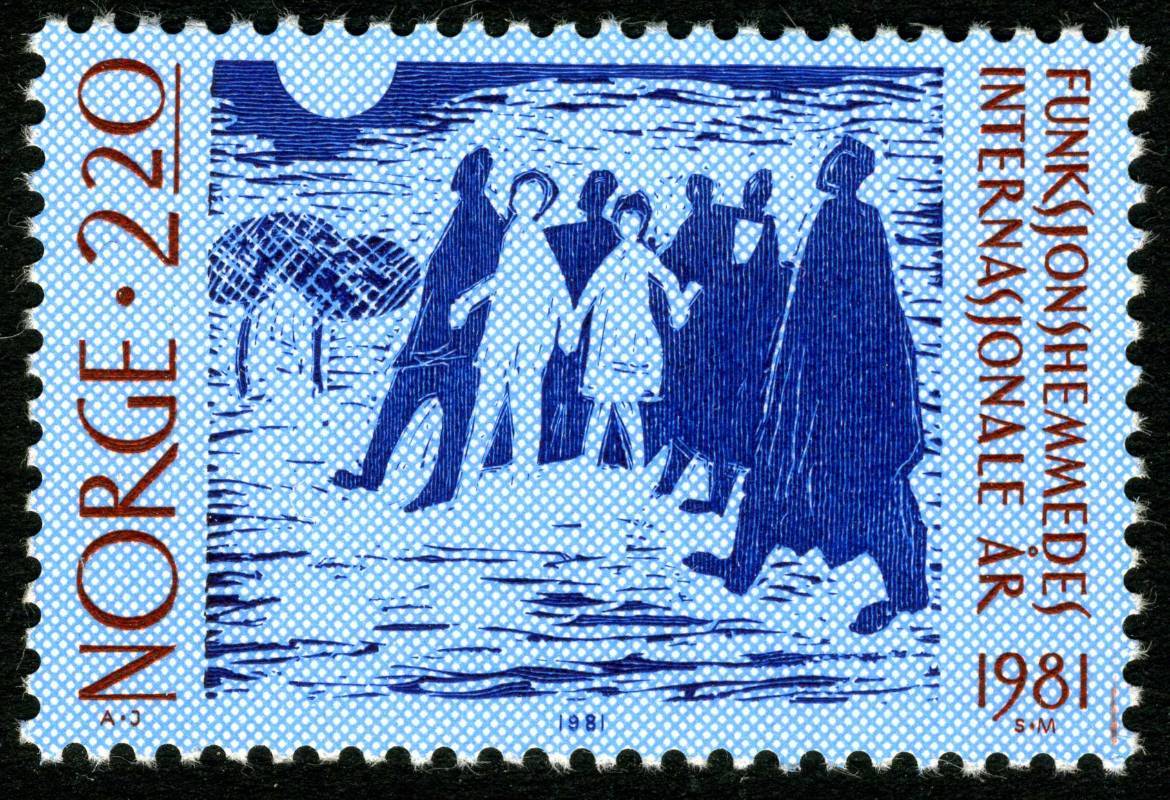 |
|
Send note to Staff
|
| Edited by lithograving - 10/08/2019 8:13 pm |
|
|
Pillar Of The Community
Czech Republic
623 Posts |
|
|
Quote: "...scanning the Piwczyk engraved stamps I checked in Michel for the printer and when I saw beside the Robert Koch StTdr.(W) I was surprised. A catalogue error perhaps? Mixed up records due to post war events?
lithograving - A similar case: the 1944 Blaue Band Mare with Coal stamp engraved by the Vienna-based Arthur Schuricht and ascribed to Staatsdruckerei/Wien by Lipsia but to Reichsdruckerei/Berlin by Michel. Another error due to post-war confusion as you suggest. |
|
Send note to Staff
|
|
|
Replies: 3,980 / Views: 1,934,940 |
|




 Posted 11/12/2012 08:52 am


