The first stamps of King George V's reign were designed by Bertram Mackennal. The portrait of the monarch was based on a photograph by the court photographers W. & D. Downey. The stamps were disliked and soon replaced by stamps that used an adaptation of the coinage and medal profile heads of the King by Bertram Mackennal. The frames of the stamps were designed by Bertram Mackennal (½d. – 4d.) and George William Eve (5d. – 1s.). The stamps are known as "Profile Head" and "Mackennals."
The stamps, initially, were printed on paper with a crown over the script royal cipher "GvR" arranged vertically, such that the watermarks appeared aligned vertically on each stamp. The watermark is known as "Royal Cipher" or "Simple Cipher." The stamps were surface printed by Harrison and Sons. Some, also, were printed by the stamp printing branch of the Inland Revenue at Somerset House.
Stamp books containing panes of six stamps printed by Harrison and Sons, also, were issued. The panes were printed in sheets with alternating columns printed in inverted and upright directions. Roughly half of all stamps from stamp books have the watermark inverted. In reality, all stamps had the watermark upright with half of them having the portrait printed inverted.
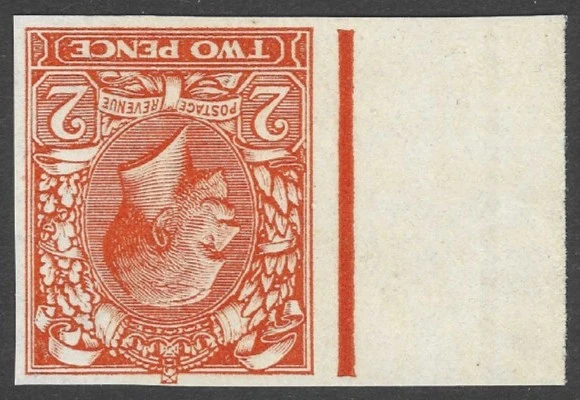
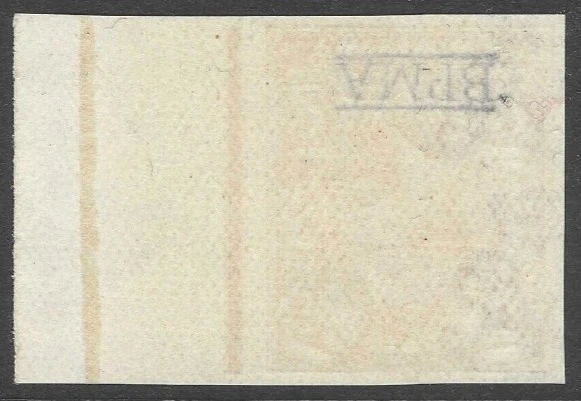
The following are imprimaturs of the "Royal Cipher" stamps from sheets of stamp book panes, with 'inverted' watermark from the BPMA sales. I am showing the stamps such that the watermarks are upright. All stamps have a sheet margin or gutter margin to the left in relation to the portrait. These would have served as binding margins.
April 1914, ½d green (showing part of the marginal "POSTAGE" watermark)

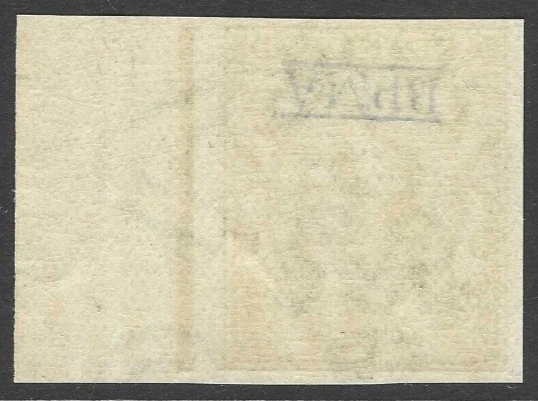
April 1914, 1d red (showing part of the marginal "POSTAGE" watermark)
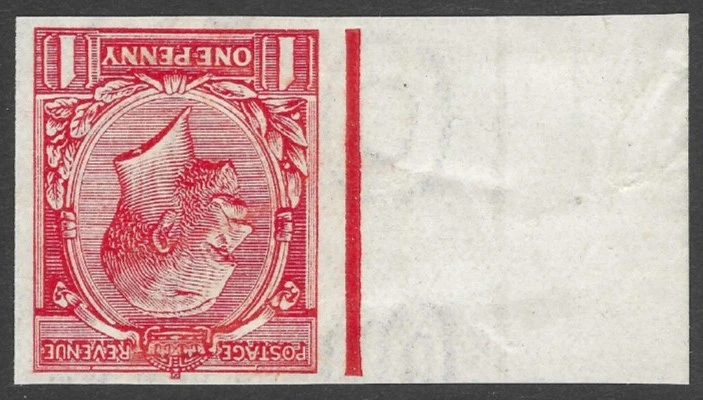
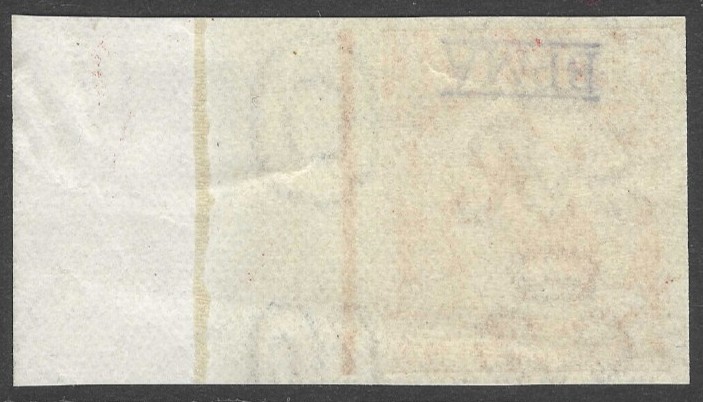
October 1918, 1½d red-brown (with part gutter margin)

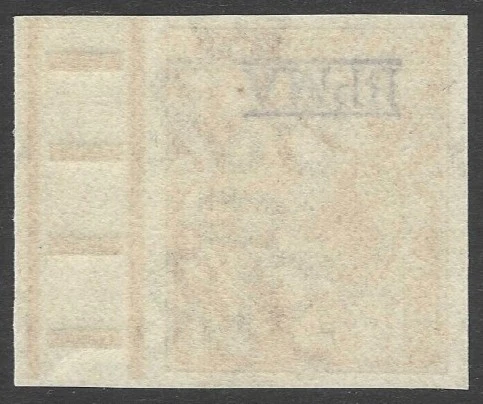
July 1920, 2d orange, Type I (showing part of the marginal "POSTAGE" watermark)
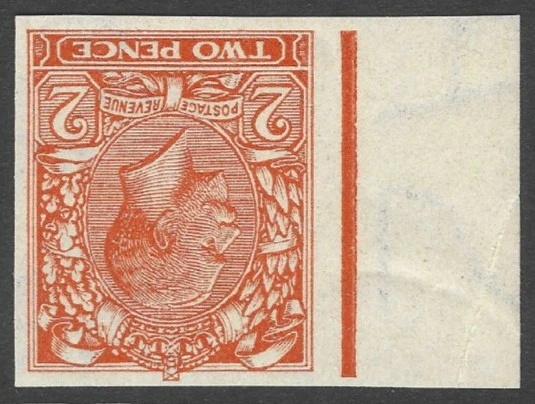
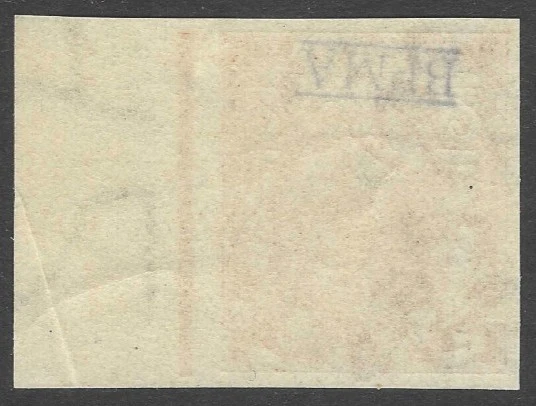
August 1921, 2d orange, Type II (showing part of the marginal "POSTAGE" watermark)



 Replies: 1 / Views: 16


 Posted Today 19 Min ago


