Quote:
I wonder if other stamps from that time period from the same presses were also printed in reverse order ?
The other stamps of this time period were either monocolor or bicolor. This issue was special because it was 4-color, and the
printer did not divulge much of the
printing process. As a result, there are numerous
printing variations and
printing flaws for this series. Although there was a procedure for the subsequent
printing sequence, obviously the
printer was not very rigorous in following that sequence.
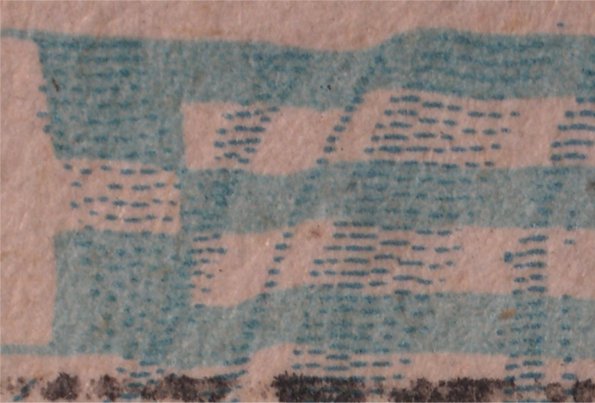
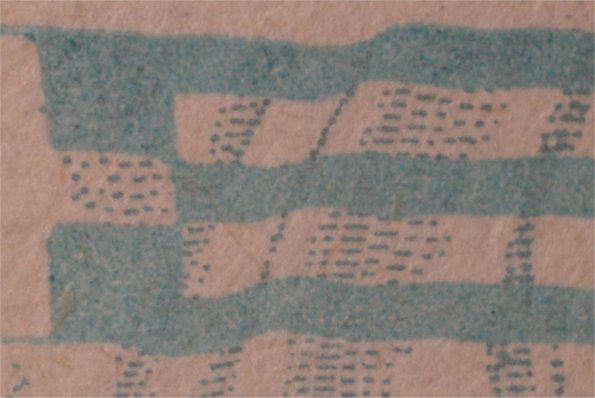
Ironically, on the Greece stamp that Tom showed, the
reverse printing (pale blue stripes over pale blue shading) is actually the common
printing, whereas the correct
printing sequence (pale blue shading over the pale blue stripes) is actually the less common! This is only true for this stamp in that series. In the other stamps, the
reverse printing is less common.





 Posted 10/13/2009 9:57 pm


 k

 k